
Is Storing Water in Stainless Steel Tanks Ideal?
Yes, storing water in stainless steel tanks is ideal for most residential, commercial, and industrial applications. Stainless steel is the gold standard water storage material

Yes, storing water in stainless steel tanks is ideal for most residential, commercial, and industrial applications. Stainless steel is the gold standard water storage material

For oil storage tanks, the core difference between 304 and 316 stainless steel comes down to molybdenum: grade 316 contains 2%–3% of the element, while

The bottom geometry of a mixing tank directly impacts blending uniformity, drainage completeness, cleaning efficiency, and total operating cost. Four standard designs dominate industrial processing:

CIP (Cleaning-In-Place) is an automated cleaning method that sanitizes the interior surfaces of tanks, pipes, filters, and processing equipment without disassembling the system. By circulating

There is no single wall thickness that fits every stainless steel storage tank. The required thickness depends on tank diameter and height, operating pressure, temperature,

A milk cooling tank that fails to cool properly can affect raw milk quality and compliance with applicable milk-handling requirements. In the U.S., for example,

Every milk cooling tank requires an agitator to deliver uniform, fast cooling, consistent fat content, and safe storage quality. Without agitation, milk cools unevenly, develops
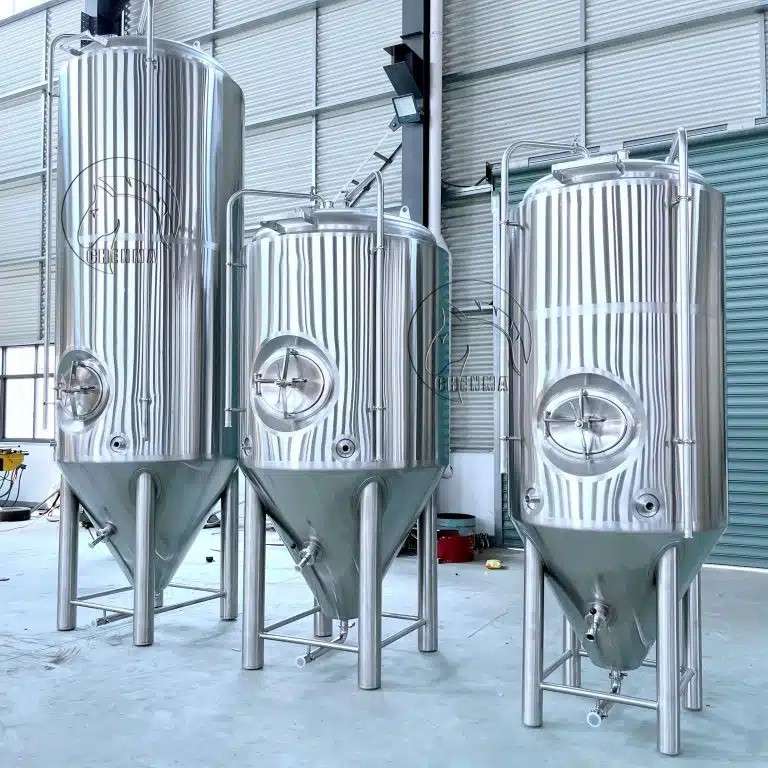
Temperature control is one of the most critical tools in winemaking. Fermentation naturally generates heat, and every stage of production requires specific temperature ranges to

The biggest differences between 275-gallon and 330-gallon IBC totes are capacity, height, and weight. Both typically use the same 48″ × 40″ footprint, but a
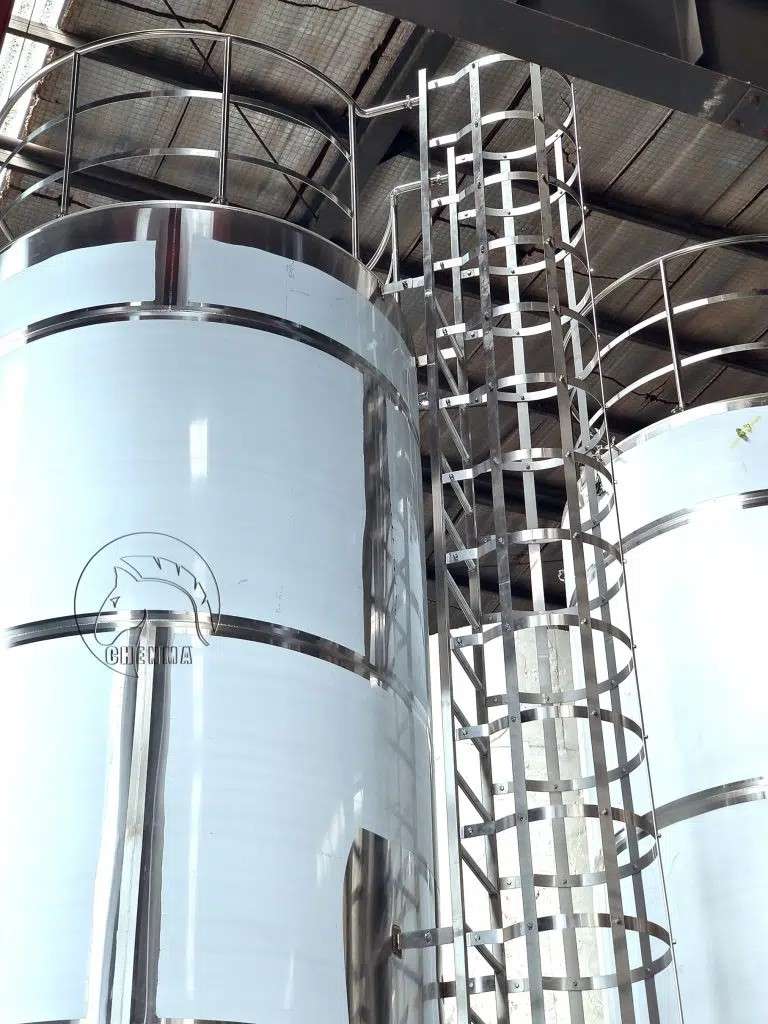
Discolored water, hidden leaks, corrosion, and recurring maintenance can all indicate problems with a water storage tank. So, why do quality water tanks matter? A

A milk tank should generally be cleaned and sanitized after each milking or whenever it is emptied, following applicable dairy sanitation requirements and the tank

An Intermediate Bulk Container (IBC tank) is a reusable bulk storage container designed for storing and transporting liquids, semi-solids, and powders. With typical capacities of
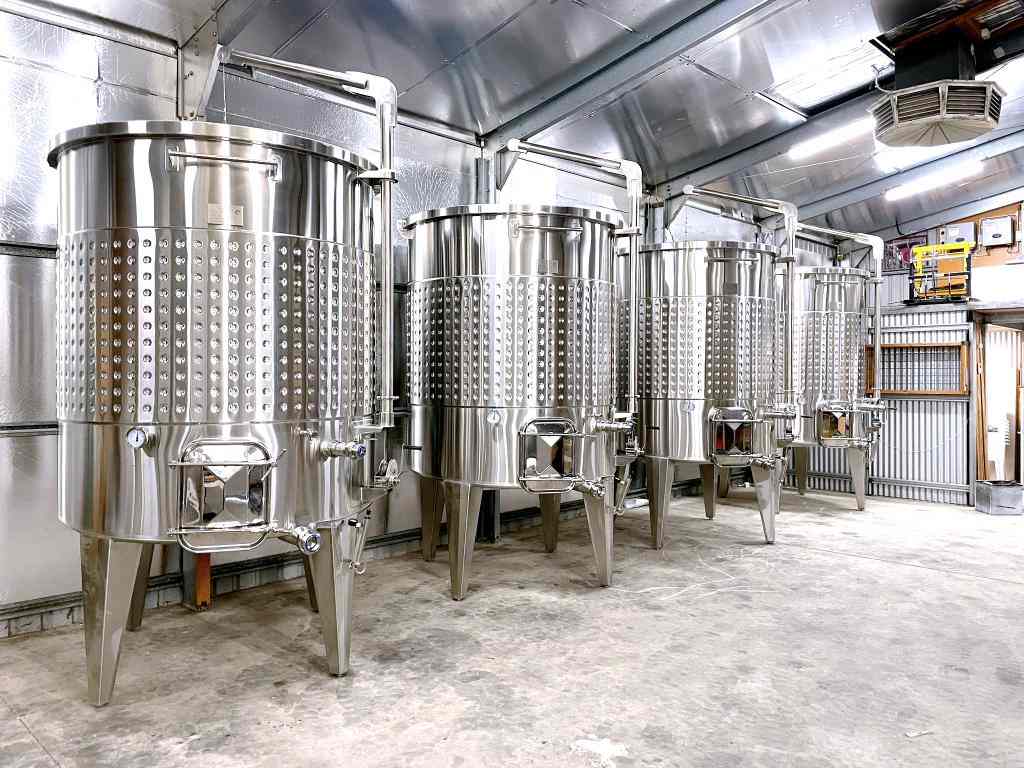
The short answer: stainless steel is the best all-around fermentation container for most winemakers, from small craft producers to commercial wineries. It offers a strong

A tank that fits one winery perfectly may be a poor fit for another. Ceiling height, floor space, batch size, wine style, temperature requirements and

For dairy processing plants, food safety, cleanability and consistent product quality are non-negotiable. That is why stainless steel is the global standard for nearly all

Variable capacity wine tanks — also called always-full tanks — are stainless steel vessels with a specialized floating lid and inflatable perimeter seal. The lid

After each fermentation or storage cycle, wineries need to remove grape residue, yeast deposits, and tartrate buildup before the tank is used again. Any remaining

The best long-term storage container for olive oil is one that blocks light, seals out oxygen, maintains consistent cool temperatures, and does not react with
Choosing the right chemical mixing tank is a critical decision for manufacturers seeking reliable mixing performance and efficient production. The ideal tank should be designed
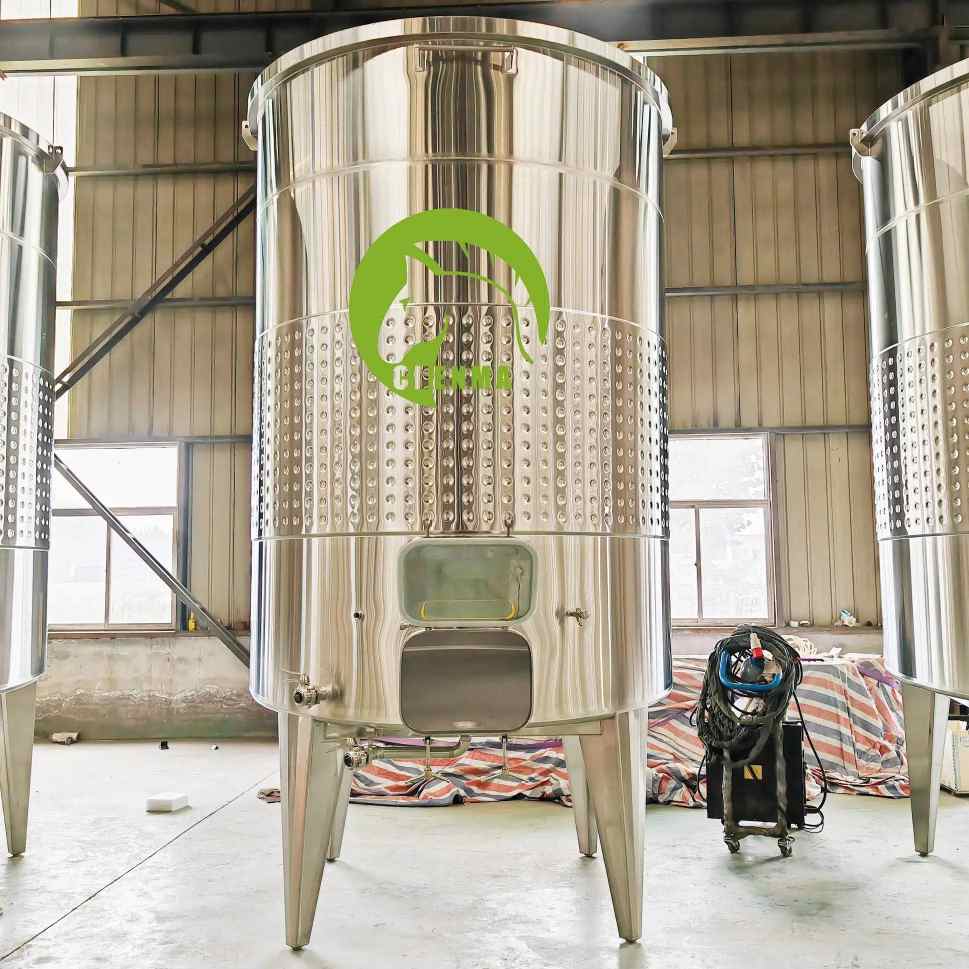
Stainless steel tanks are widely used in modern commercial winemaking because they provide precise temperature control, excellent hygiene, and a controlled environment for fermentation. Unlike
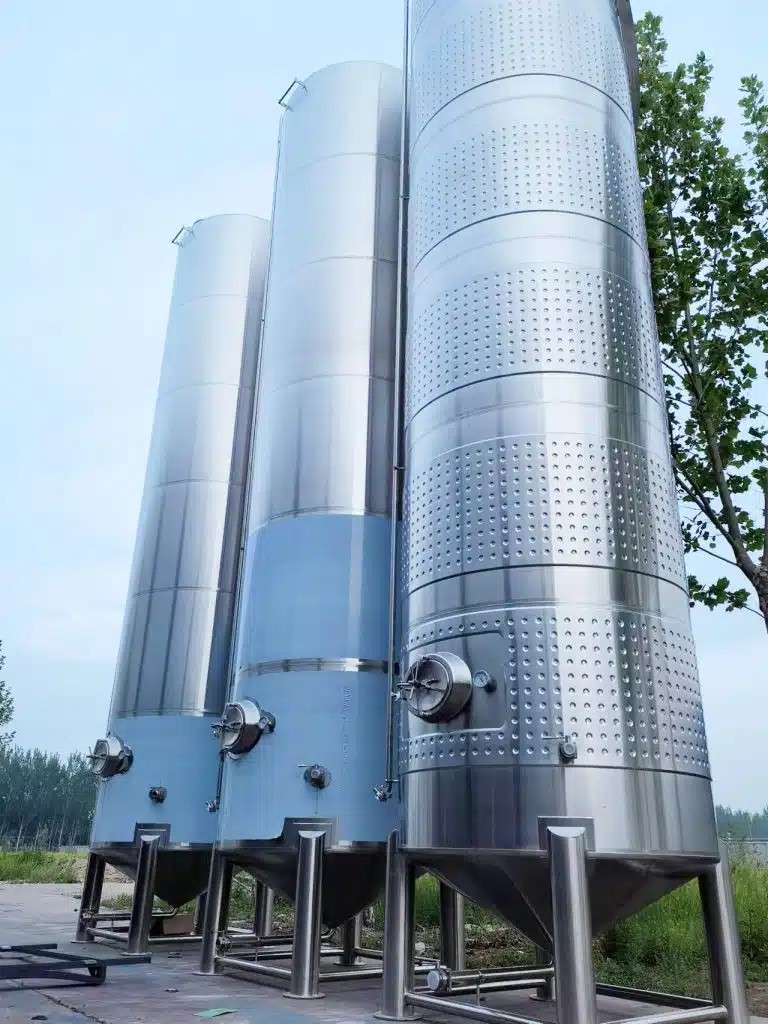
The best stainless steel grade for a water tank depends on water chemistry, operating temperature, and installation environment. For most indoor potable water storage applications,

High-quality milk storage tanks are a core investment for every dairy operation. Properly insulated storage helps preserve raw milk freshness, inhibit bacterial growth and meet
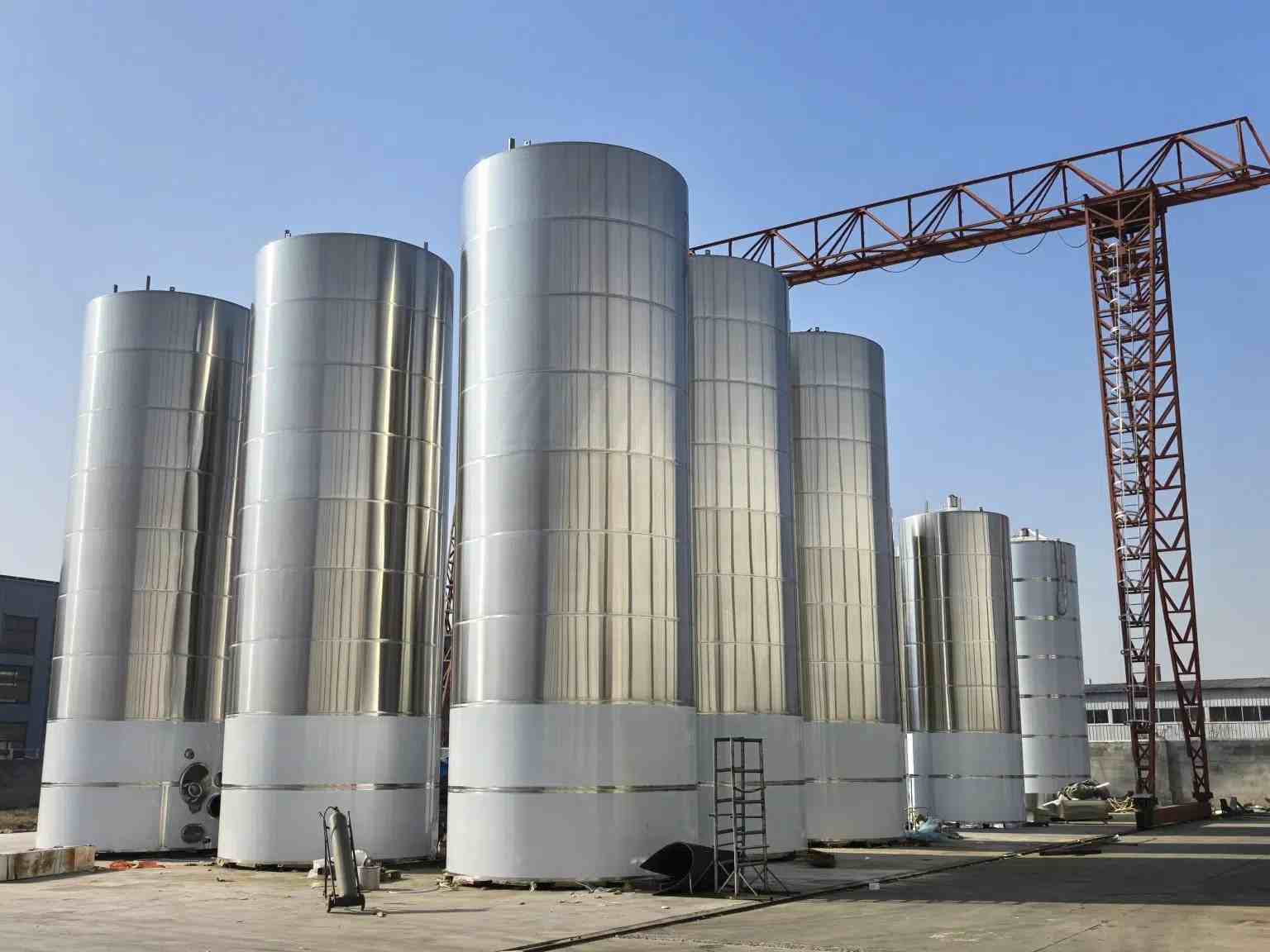
Milk tanks are essential equipment for dairy farms and processing facilities, designed to safely store, cool, and process raw milk and dairy products. Different tank

Stainless steel water tanks are highly rust-resistant but not completely rust-proof. Their natural corrosion defense comes from a self-healing chromium oxide passive layer that forms

Stainless steel storage tanks are a core investment for water treatment, food processing, chemical manufacturing and pharmaceutical industries. Their service life directly impacts long-term operational

Yes, most professional milk tank manufacturers offer OEM customization services, allowing dairy farms, milk collection centers, and processing facilities to tailor tank sizes, cooling performance,

Tanks and silos are both widely used industrial storage equipment, but they are engineered for completely different material types and process requirements. Choosing the wrong

Yogurt fermentation typically takes 6 to 12 hours, and where you land in that range determines the final taste and texture. Ferment for less time