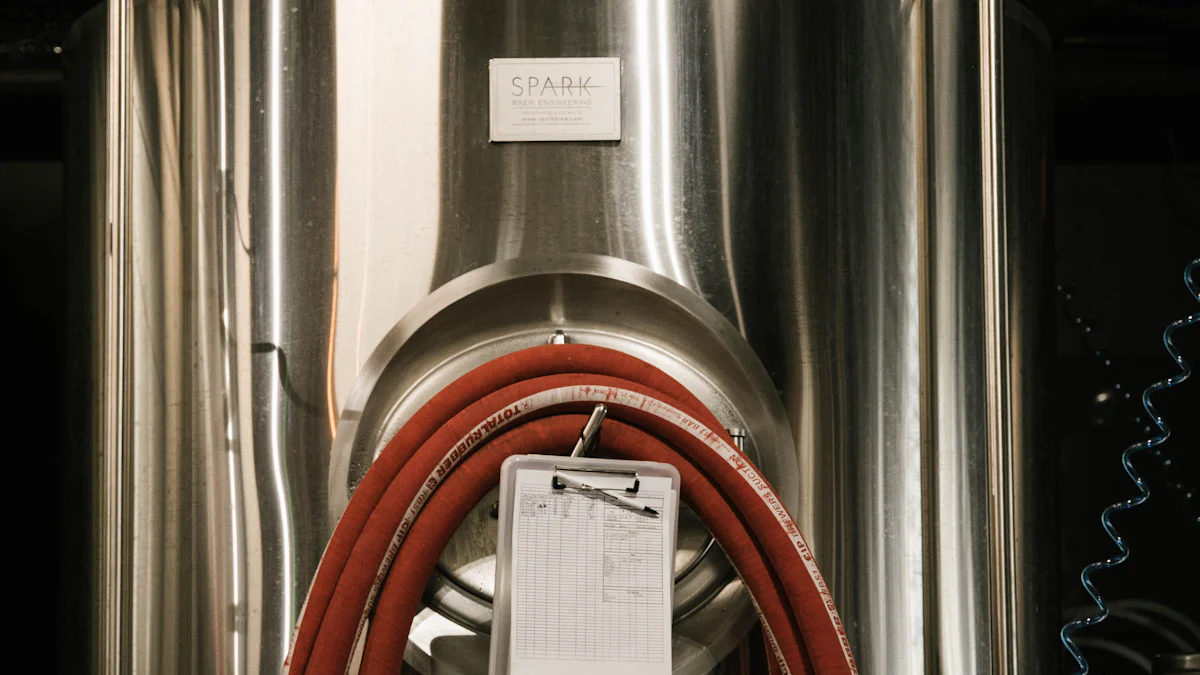
Wine fermented in stainless steel tanks reaches high quality because you control every step of the fermentation. You use modern winemaking tools that keep the wine fermentation process clean and precise. Stainless steel tanks help you manage temperature, keep the wine pure, and protect delicate flavors.
| Feature | Benefit for Wine Fermentation Process |
|---|---|
| Temperature Control | Keeps yeast active and preserves aroma and flavor |
| Hygiene | Prevents contamination and keeps wine quality high |
| Material Grade | Ensures safety and purity during fermentation |
You improve your winemaking by learning best practices and using advanced equipment for fermenting in tanks.
Why Use Stainless Steel Wine Fermentation Tanks

Stainless steel wine fermentation tanks have become the top choice for modern winemakers. You gain many advantages by using stainless steel tanks in your winery. These fermentation tanks offer a combination of durability, precision, and safety that other materials cannot match.
Neutral Flavor
When you use stainless steel wine fermentation tanks, you protect the natural flavors of your grapes. Stainless steel tanks do not react with wine or add any unwanted tastes. This means you can create wines that show off the true character of your fruit. Unlike oak barrels or plastic, stainless steel keeps your wine pure and lets you control the final taste.
Tip: If you want to highlight the freshness and fruitiness of your wine, using stainless steel fermentation tanks is the best way to do it.
| Feature | Stainless Steel Wine Tanks | Other Materials (Oak, Plastic) |
|---|---|---|
| Flavor Impact | Neutral, preserves flavors | Oak adds flavors, plastic may taint |
Temperature Control
You need precise temperature control during fermentation to make high-quality wine. Stainless steel wine fermentation tanks come with built-in temperature control features like cooling jackets and sensors. These systems help you manage the heat produced during fermentation. You can keep the temperature steady, which is important for preserving delicate aromas and flavors, especially in white wines.
- Stainless steel tanks allow you to:
- Set and monitor temperature easily
- Avoid overheating or cooling problems
- Protect the wine from unwanted changes
Temperature control features in these fermentation tanks help you produce consistent results every time. You can adjust the settings for each batch, making your process flexible and reliable.
Hygiene
Cleanliness is key in winemaking. Stainless steel wine fermentation tanks have smooth, inert surfaces that make cleaning easy. You can use Clean-in-Place (CIP) systems to wash and sanitize the tanks quickly. This reduces the risk of contamination and keeps your wine safe.
| Feature | Stainless Steel Wine Tanks | Other Materials (Oak, Plastic) |
|---|---|---|
| Hygiene | Easy to clean, less labor | Wood is hard to clean, plastic can scratch |
| Corrosion Resistance | High, especially with 316L | Wood degrades, plastic stains |
Using stainless steel also means your tanks last longer. With proper care, these fermentation tanks can serve you for over 20 years. They resist corrosion, especially when made from 316L grade steel and maintained with passivation.
Note: When you choose stainless steel wine fermentation tanks from a certified manufacturer like Chenma, you get products that meet strict quality, safety, and environmental standards. Chenma holds ISO 9001, ISO 14001, OHSAS 18001, and CE certifications, ensuring you receive reliable and safe equipment for your winery.
Choosing the Right Stainless Steel Wine Fermentation Tank
Selecting the best stainless steel wine fermentation tanks for your winery shapes the quality and style of your wine. You need to consider several factors, including size, shape, features, and customization options. By understanding the types of stainless steel wine fermentation tanks and matching them to your production needs, you can optimize your wine production process and achieve consistent results.
Size and Shape
When you choose a fermentation tank, size and shape play a key role in how your wine develops. The size of your tank should match your batch size and allow for proper headspace during fermentation. Most winemakers leave 20-30% headspace to handle foaming and gas release. This prevents spills and ensures safe fermentation.
Shape also affects the fermentation process. Scientific studies show that tank shape influences yeast activity, oxygen levels, and the development of flavors and aromas. For example, conical tanks help separate sediment from wine, making them ideal for red wines. Cylindrical tanks, which are common in the industry, produce wines with lower levels of certain flavor compounds when using sequential yeast inoculation. Less common shapes, like oval or spherical tanks, can create unique wine profiles by changing how yeast and oxygen interact during fermentation. However, the yeast management protocol has a bigger impact than shape alone.
| Tank Shape | Best Use Cases | Impact on Fermentation |
|---|---|---|
| Cylindrical | Most wine styles | Balanced fermentation, easy cleaning |
| Conical | Red wines, yeast removal | Natural sediment separation |
| Oval/Spherical | Specialty wines | Unique flavor and aroma development |
You should always match the tank size and shape to your wine style and production goals. This helps you control the fermentation process and achieve the desired wine characteristics.
Features
The features you select for your stainless steel wine fermentation tanks determine how well you can control the winemaking process. Here are some important features to consider:
- Cooling jackets or integrated temperature control systems help you maintain precise fermentation temperatures. This is critical for preserving delicate aromas and flavors.
- Closed system designs reduce oxygen exposure, which is important for white wines and rosés.
- Open-top tanks allow for manual cap management, making them suitable for red wines.
- Conical bottoms make it easier to remove sediment and manage yeast.
- Sample valves and thermometers let you monitor fermentation progress without risking contamination.
- High-quality stainless steel, such as 304 or 316L, resists corrosion and lasts for decades, even with acidic wines.
- Insulated tanks keep temperatures stable, which is especially useful in regions with changing climates or for temperature-sensitive wines.
- Sparkling wine tanks have thicker walls and pressure control features to safely handle carbonation.
Tip: Always choose tanks with easy-to-clean surfaces and Clean-In-Place (CIP) systems. This keeps your wine pure and reduces the risk of contamination.
When you understand the features of different types of stainless steel wine fermentation tanks, you can select the right equipment for your specific wine style and production needs.
Customization
Every winery has unique requirements. Customization lets you tailor your stainless steel wine fermentation tanks to fit your space, workflow, and wine style. You can choose the exact size, shape, and features you need. For example, you might need jacketed tanks for precise temperature control, variable capacity tanks with floating lids to reduce oxidation, or tanks with special port configurations for automation.
Working with a professional engineering team, like the experts at Chenma, ensures your tanks are manufactured to the highest standards. Chenma uses advanced technology and strict quality controls, holding certifications such as ISO9001, ISO14001, OHSAS18001, and CE. This guarantees your tanks meet international safety and environmental standards.
Customized tanks support both small-batch and large-scale wine production. You can add features like dimpled cooling jackets, adjustable footing, and easy-access manways for efficient cleaning and maintenance. Turnkey solutions from Chenma include process design, equipment manufacturing, installation, and technical training. This helps you streamline your workflow, improve hygiene, and maintain consistent wine quality.
Note: Custom-engineered tanks and turnkey solutions give you flexibility, scalability, and precise control over your wine production process. This leads to better wine quality and greater efficiency in your winery.
Wine Fermented in Stainless Steel Tanks: Key Benefits
Freshness
You want your wine to taste as fresh as possible. Wine fermented in stainless steel tanks keeps its crisp, lively character because these fermentation tanks create an airtight environment. Oxygen cannot get in, so your wine does not oxidize or lose its bright flavors. Stainless steel, especially grades 304 and 316, does not react with acidic wine. This means your wine stays pure and untainted. You can also clean and sanitize these fermentation tanks at high temperatures, which removes bacteria and biofilms that could spoil your wine. Compared to oak barrels or plastic, stainless steel fermentation tanks require less maintenance and have a much lower risk of contamination. Scientific studies show that wines made in these tanks contain more compounds like ethyl acetate and ethyl lactate, which give your wine a fresh and aromatic profile.
| Feature | Stainless Steel Tanks | Oak Barrels and Other Materials |
|---|---|---|
| Oxygen Exposure | Airtight, minimal oxygen exposure preventing oxidation | Allows micro-oxygenation, which alters freshness |
| Flavor Influence | Neutral; preserves natural grape flavors and freshness | Imparts flavors like vanilla and spice, changing profile |
Aroma Preservation
You want your wine to smell as good as it tastes. Fermentation tanks made from stainless steel help you capture the true aroma of your grapes. These tanks do not add any outside flavors, so the natural fruit and floral notes shine through. Stainless steel fermentation tanks also let you control temperature quickly and precisely. This rapid temperature control leads to faster fermentation and punchier, cleaner fruit aromas. Winemakers often choose stainless steel for white wines and rosés because it preserves the grape’s primary aromas and acidity. Oak barrels, on the other hand, add flavors like vanilla and spice, which can cover up the original aromas. Concrete tanks allow some oxygen in, which softens the wine but does not keep the aromas as pure as stainless steel does.
Tip: If you want to highlight the vineyard’s character and keep your wine’s aroma bright and fresh, stainless steel fermentation tanks are the best choice.
Consistency
You need every batch of wine to meet your standards. Stainless steel fermentation tanks help you achieve this consistency. These tanks allow you to control every part of the process, from temperature to hygiene. Experimental data show that while yeast protocols matter most, the shape and material of fermentation tanks also affect the wine’s chemical makeup. Stainless steel tanks, especially cylindrical ones, produce wines with reliable profiles. You can clean these tanks easily, so you avoid contamination and keep your wine quality steady year after year. Stainless steel tanks last for decades, so you do not have to worry about frequent replacements or changes in wine quality. This durability and control give you a big advantage in producing wine that tastes the same every time.
Temperature Management in Wine Fermentation Tank
Temperature management plays a vital role in the wine fermentation process. You need to keep the temperature steady to help yeast work properly and to protect the flavors in your wine. Stainless steel wine fermentation tanks give you excellent temperature control, which helps you make high-quality wine every time.
Cooling Systems
You have several options for cooling systems in a wine fermentation tank. Each system helps you control the temperature during fermentation:
- Integrated cooling jackets wrap around the tank and circulate cold water or glycol. This method gives you precise and even temperature control.
- External glycol cooling systems use coils or plates outside the tank. These work well for smaller wineries or tanks without built-in jackets.
- Insulation, such as polyurethane or foam, keeps the temperature steady and lowers energy costs.
- Refrigerated rooms or wine cellars can hold multiple tanks and keep the environment cool.
- Heating systems, like electric or hot water, gently raise the temperature when needed.
- Manual methods, such as adding ice packs, suit small or artisanal producers.
A new passive temperature control system uses heat pipe technology. This system keeps the temperature uniform throughout fermentation without using extra energy. It reduces costs and improves wine quality by preventing temperature swings.
| Cooling System Type | How It Works | Best For |
|---|---|---|
| Cooling Jackets | Circulates cold fluid around tank | Precise control |
| External Glycol System | Coils/plates outside tank | Small wineries |
| Insulation | Reduces heat loss | Energy savings |
| Refrigerated Room | Controls room temperature | Multiple tanks |
| Passive Heat Pipe | Maintains uniform temperature | Energy efficiency |
Monitoring
You need to monitor the temperature in your wine fermentation tank to keep the wine fermentation process on track. Digital thermometers attach to the outside of the tank and give you quick readings. Thermowells measure the temperature inside the tank for more accuracy. Temperature controllers, such as the Inkbird ITC-308, automate cooling and heating. Some winemakers use simple manual methods, like water baths or fans, for small batches. Commercial products, such as kegerators, offer built-in temperature control and digital displays.
Tip: Use digital sensors and controllers to automate temperature control. This reduces manual work and helps you keep fermentation steady.
Impact on Quality
Precise temperature control during fermentation affects every part of your wine. If the temperature drops below 25°C, you get sour flavors and leftover sugar. If it rises above 33°C, yeast gets stressed and creates off-flavors. Keeping the temperature steady within a narrow range improves flavor consistency and boosts sensory scores by up to 15%. For white wines, cooler temperatures (10-18°C) preserve delicate aromas. For red wines, warmer temperatures (20-32°C) help extract color and tannins. Sudden changes can shock yeast and cause stuck fermentation. You should always control temperature gradually and match yeast strains to your chosen temperature range.
Note: Modern stainless steel wine fermentation tanks with cooling jackets and sensors help you achieve the best results. You protect aroma, color, and structure by managing temperature throughout the wine fermentation process.
Cleaning and Maintaining Stainless Steel Wine Fermenter

Proper cleaning and maintenance of your stainless steel wine fermenter protect both wine purity and equipment longevity. You need to follow strict protocols to prevent contamination and ensure your fermenter performs at its best for years.
Cleaning Protocols
You should always clean your fermenter before and after each use. Follow these steps for best results:
- Wash the fermenter with mild detergent and warm water.
- Rinse thoroughly to remove all detergent residues.
- Avoid abrasive scrubbers to prevent scratches that can harbor bacteria.
- Sanitize the vessel with a food-grade sanitizer after fermentation.
- Inspect for dents or scratches that could trap contaminants.
- Rinse immediately after use to prevent residue buildup.
- For stubborn stains, use baking soda mixed with water as a gentle abrasive.
- Dry the fermenter completely to stop moisture and microbial growth.
- Store the fermenter in a cool, dry place away from sunlight.
- Optionally, apply food-grade mineral oil to keep the surface shiny.
Tip: Avoid chlorine-based cleaners. They can cause corrosion and leave off-flavors in your wine. Stick to purified water and approved detergents for easy cleaning and to protect the passive layer on your stainless steel wine fermenter.
Passivation
Passivation is a chemical process that restores the protective chromium oxide layer on your stainless steel wine fermenter. This layer shields the tank from corrosion caused by acidic wine and cleaning agents. You should passivate your fermenter regularly, especially after deep cleaning or heavy use. The process uses citric or nitric acid to regenerate the oxide layer. Citric acid is safer and eco-friendly, while nitric acid creates a thicker layer but needs higher temperatures. Passivation prevents rust, keeps your fermenter hygienic, and extends its lifespan. Professional services can help ensure the process is done safely and effectively.
Maintenance Tips
You can keep your stainless steel wine fermenter in top condition by following these maintenance tips:
- Disinfect all raw materials, wine, and tools before they enter the fermenter.
- Clean the fermenter after each batch to remove dregs and microbes.
- Maintain stable temperature and humidity in your storage area.
- Use soft brushes, high-pressure water, or steam for cleaning.
- Choose food-grade alkaline detergents and acids like citric acid for deposits.
- Deep clean every 3-6 months or after long idle periods.
- Inspect welds, seals, and valves for leaks or damage.
- Monitor fermentation parameters to catch problems early.
- Keep detailed maintenance records and train your staff on best practices.
Note: Partnering with a certified manufacturer like Chenma gives you access to technical support, training, and user manuals. Their expertise helps you follow the right cleaning and maintenance routines, use approved parts, and keep your stainless steel wine fermenter running safely and efficiently.
Cap Management in Stainless Steel Wine Fermentation Tanks
Effective cap management is essential during wine fermentation in stainless steel tanks. You need to manage the grape skins, or “cap,” that rise to the top of the fermenting juice. Proper cap management helps you extract color, flavor, and tannins while maintaining temperature and oxygen levels.
Punch-Downs
Punch-downs are a gentle cap management technique. You use a punch-down tool to push the grape skins back into the fermenting juice. This method works best in smaller tanks and with delicate grape varieties like Pinot Noir. Punch-downs help you extract color and tannins without overworking the grapes. Most winemakers perform punch-downs twice daily during active fermentation. This technique also helps dissipate heat from the cap, keeping the temperature even. Scientific studies show that punch-downs supply a small amount of oxygen, which supports yeast health and steady fermentation. You can achieve a balanced wine style with gentle extraction and good temperature control.
Pump-Overs
Pump-overs are another popular cap management method, especially in larger tanks or when fermenting whole clusters. You pump juice from the bottom of the tank and spray it over the cap. This process wets the cap thoroughly, mixes the fermenting wine, and introduces oxygen. Pump-overs can increase the extraction of color and tannins, which is useful for robust red wines. The timing and volume of pump-overs change during fermentation. Early in fermentation, you may use a full tank volume; later, you reduce the amount. Pump-overs also help you homogenize temperature and support yeast activity. Studies confirm that pump-overs can introduce up to 3 mg O2/L per session, which affects phenolic extraction and aroma.
Oxygen Control
Oxygen control during cap management is critical for wine quality. Stainless steel tanks allow you to precisely manage oxygen exposure. Punch-downs add a small amount of oxygen, while pump-overs can introduce more, especially if you use venturi injectors. Controlled oxygen additions maintain the right oxidation-reduction potential (ORP), which keeps yeast healthy and reduces unwanted aromas like hydrogen sulfide. Too much oxygen can lower wine color and harm aroma compounds, so you must balance oxygen carefully. Pinot Noir and other delicate wines benefit from gentle oxygen exposure to protect phenolics and aromas. Stainless steel tanks give you the tools to optimize fermentation, support yeast, and achieve your desired wine style while minimizing oxidation.
Tip: Use stainless steel tanks with built-in mixers and sampling ports for even better cap management and oxygen control.
| Cap Management Method | Oxygen Exposure Level | Effect on Wine Quality and Fermentation |
|---|---|---|
| Punch-downs | Small | Gentle extraction, supports color and tannin balance |
| Pump-overs | Variable (up to 3 mg O2/L) | Higher extraction, affects aroma and phenolics |
| Stainless steel tanks | Precise | Optimized fermentation, improved wine quality |
Advantages of Stainless Steel Wine Fermentation Tanks
Purity
You want your wine to taste clean and true to the grape. Stainless steel wine fermentation tanks help you achieve this goal. The smooth, non-porous surface of these fermentation tanks prevents bacteria and unwanted flavors from sticking around. You can clean and sanitize the tanks easily, which keeps your wine pure. The material does not react with acids in the wine, so you avoid off-flavors. This purity is one of the main advantages when you compare stainless steel fermentation tanks to other materials.
Tip: Always rinse and sanitize your fermentation tanks before and after each batch to protect wine quality.
Efficiency
You can boost your winery’s efficiency by using stainless steel wine fermentation tanks. These fermentation tanks offer several features that save you time and money:
- You get precise temperature control with built-in cooling and heating systems. This helps yeast work at its best and keeps fermentation steady.
- The corrosion resistance and smooth surface make cleaning and disinfection quick and easy. You spend less time on maintenance and lower your risk of contamination.
- The tanks last for many years, even under tough conditions. You do not need to replace them often.
- Variable capacity and open designs let you handle different batch sizes and manage the cap for better flavor extraction.
- You can add automated controls and smart technology to your fermentation tanks. This reduces manual labor and helps you monitor the process from anywhere.
These advantages make stainless steel wine fermentation tanks a smart choice for both small and large wineries. You can improve your workflow and focus on making great wine.
Environmental Impact
You help the environment when you choose stainless steel wine fermentation tanks. These fermentation tanks last for decades, so you do not need to replace them often. Oak barrels, in contrast, require cutting down trees and frequent replacement. Stainless steel tanks use less water for cleaning because their surfaces are smooth and easy to wash. They also use energy-efficient systems to control temperature, which lowers your carbon footprint. At the end of their life, you can recycle the tanks, saving resources and reducing waste. While making stainless steel tanks uses more energy at first, their long life and recyclability make them a more sustainable option over time. This is one of the key advantages and disadvantages of stainless steel wine fermentation tanks, but the long-term benefits for the environment are clear.
Limitations and Solutions for Wine Fermented in Stainless Steel Tanks
Lack of Oak Influence
You may notice that wines fermented in stainless steel tanks do not have the same oak flavors as those aged in barrels. This is one of the main disadvantages for winemakers who want to add notes like vanilla, spice, or toast to their wine. However, you can solve this by adding oak chips directly into the tanks. Oak chips release important compounds into the wine, such as tannins and aromatic molecules. These compounds help mimic the changes that happen during barrel aging. You get more complexity and a richer mouthfeel without the high cost or space needed for barrels. This method gives you flexibility and control over the level of oak influence in your wine.
Tip: Experiment with different types and amounts of oak chips to find the flavor profile that matches your style.
Upfront Cost
Stainless steel tanks often require a higher initial investment compared to other materials. This is one of the disadvantages that many new wineries face. However, you should look at the long-term benefits. Stainless steel tanks last for decades because they resist corrosion and damage. They are easy to clean, which lowers maintenance costs. You also save money on labor and energy because these tanks allow for automation and precise temperature control. Over time, the savings add up and outweigh the initial expense.
| Material | Upfront Cost & Maintenance | Long-Term Benefits & Savings |
|---|---|---|
| Stainless Steel | Higher initial; low maintenance | Durable, energy efficient, reduces labor costs |
| Oak | Expensive; needs replacement | Adds flavor; higher maintenance |
| Cement | Moderate; low maintenance | Good insulation; long service life |
| Ceramic | Expensive; fragile | Best for boutique wines; less ideal for scaling |
Note: The resale value and adaptability of stainless steel tanks also make them a smart investment for the future.
Enhancing Complexity
Some winemakers worry that stainless steel tanks limit the complexity of their wines. This is another of the disadvantages you might hear about. However, you have many ways to boost complexity even when using stainless steel.
- Use natural yeast strains to bring out unique flavors and express the vineyard’s character.
- Control fermentation temperature carefully. Cooler temperatures keep aromas fresh in white wines, while warmer temperatures help reds develop color and tannins.
- Manage the cap with punch-downs or pump-overs to extract more flavor and texture.
- Sort grapes by hand or with machines to use only the best fruit.
- Try blending wines from different tanks or using different yeast strains for added depth.
Stainless steel tanks give you the precision and flexibility to experiment with these techniques. You can create wines that are both fresh and complex, showing the advantages and disadvantages of stainless steel wine fermentation tanks in a balanced way.
Best Practices for Maximizing Quality
You want every batch of wine to reach its highest potential. You can achieve this by following proven best practices at every stage of the winemaking process. These steps help you maintain consistency, protect wine purity, and optimize results in stainless steel tanks. You also benefit from ongoing technical support and training, such as those offered by Chenma, to keep your process up to date.
Monitoring Parameters
You need to monitor key parameters during fermentation to maintain wine quality. Careful observation and routine checks help you prevent problems and ensure a smooth winemaking process. Here are the most important steps:
- Inspect seals and valves regularly. This prevents leaks and contamination, keeping your wine safe.
- Clean and sanitize your tank with a strict routine. Start with a high-pressure cold water rinse. Apply an alkaline cleaning solution to remove organic residues. Rinse again, then sanitize with hot water or quaternary ammonium compounds. You can use ozone treatment for extra protection.
- Use soft-bristle brushes and the right cleaners. Chrome or brass cleaners remove stains. Hydrocarbon solvents tackle grease. This keeps the tank surface smooth and free from damage.
- Control fermentation temperature precisely. Cooling jackets, chillers with stainless steel coils, frozen water bottles, or electric brew belts help you manage temperature. You can also chill the cellar or use evaporative cooling for environmental control.
- Leave 10-15% free space in the tank. This allows CO2 to expand and prevents overflow during active fermentation.
- Schedule routine maintenance and inspections. Look for wear, scratches, dents, or seal issues. Early detection keeps your tank in top condition and protects wine quality.
- Follow a maintenance schedule. This prevents corrosion, residue buildup, and contamination. You preserve wine characteristics and extend the lifespan of your equipment.
Tip: Use digital sensors and automated systems to track temperature and other parameters. This reduces manual work and helps you respond quickly to changes.
| Parameter | Best Practice | Benefit for Wine Quality |
|---|---|---|
| Seal Integrity | Inspect and replace as needed | Prevents leaks and contamination |
| Cleaning Routine | Follow multi-step cleaning protocol | Maintains purity and hygiene |
| Temperature Control | Use cooling jackets and monitors | Preserves aroma and flavor |
| Free Space | Leave 10-15% headroom | Prevents overflow and spoilage |
| Maintenance | Schedule regular inspections | Extends tank life, ensures quality |
Staff Training
Your team plays a vital role in winemaking. Well-trained staff help you maintain high wine quality and consistency. You should invest in ongoing education and training for everyone involved in the process.
- Train staff in structured wine tasting protocols, such as the Five S’s: See, Swirl, Sniff, Sip, Savor. This helps them detect faults and maintain consistency.
- Hold regular tasting sessions. Staff learn to recognize fermentation and aging signatures, which supports quality control.
- Use digital tools to record tasting notes and monitor batches. This improves expertise and operational efficiency.
- Teach staff to monitor fermentation parameters and taste every batch. This ensures balance and excellence in your wine.
- Build a positive workplace culture. Well-supported employees produce better wine and create great guest experiences.
- Guide staff in explaining winemaking philosophy to customers. This reinforces quality awareness and builds trust.
Note: Chenma offers technical training and support for your team. You can access user manuals, workshops, and expert advice to keep your staff up to date with the latest winemaking techniques.
| Training Focus | Impact on Wine Quality |
|---|---|
| Tasting Protocols | Detects faults, maintains consistency |
| Parameter Monitoring | Supports quality control |
| Digital Integration | Improves efficiency and expertise |
| Customer Guidance | Reinforces quality awareness |
Technology Integration
You can optimize wine quality by integrating modern technology into your winemaking process. Stainless steel tanks support advanced systems that make your work easier and more precise.
- Automated temperature control and fermentation monitoring systems help you maintain ideal conditions. You get consistent wine quality with less manual effort.
- Cooling jackets and temperature monitoring systems keep the temperature steady. This protects aroma and flavor during fermentation.
- Air-tight, leak-proof seals prevent oxygen from entering the tank. You preserve wine freshness and aroma.
- Innovative tank designs, such as conical bottoms, help collect sediment and improve wine clarity.
- Advanced monitoring systems allow you to track and manage fermentation remotely. You can respond quickly to changes and prevent contamination.
- Stainless steel tanks support both fermentation and aging. You get a controlled environment that preserves wine quality throughout production.
- Sustainability features, such as recycled materials and energy-efficient manufacturing, help you produce wine in an eco-friendly way.
Tip: Partner with Chenma to access the latest technology and turnkey solutions. Their engineering team can customize tanks and integrate smart systems to fit your unique needs.
| Technology Feature | Benefit for Winemaking |
|---|---|
| Automated Temperature Control | Consistent fermentation, better aroma |
| Remote Monitoring | Quick response, improved hygiene |
| Innovative Tank Design | Better clarity, easier cleaning |
| Sustainability | Eco-friendly production |
You can maximize wine quality by combining careful monitoring, staff training, and technology integration. These best practices help you produce wine that meets your standards and delights your customers.
Wine Types and Stainless Steel Wine Fermentation Tanks
White Wines
You can make bright and fresh white wine using stainless steel tanks. These tanks help you control temperature very closely. When you ferment white wine at cooler temperatures, you keep the fruit flavors and crisp acidity. Stainless steel does not add any flavors to the wine. This means you taste the true character of the grapes. Many winemakers choose these tanks for Sauvignon Blanc, Riesling, and Chardonnay. You get a clean, pure wine with strong aromas of fruit and flowers. Stainless steel tanks also make it easy to keep the wine safe from oxygen, which helps preserve freshness.
Tip: If you want your white wine to taste lively and aromatic, use stainless steel tanks for fermentation.
Red Wines
You can also use stainless steel tanks to make red wine. These tanks let you manage the temperature during fermentation, which is important for color and tannin extraction. When you control the temperature, you can decide how much color and structure your red wine will have. Stainless steel tanks work well for both light and bold red wines. You can use cap management techniques like punch-downs and pump-overs to get the flavors you want. Many wineries use these tanks for Merlot, Cabernet Sauvignon, and Pinot Noir. You get a wine that is clean, consistent, and true to the grape.
Sparkling and Rosé
Stainless steel tanks are very useful for making sparkling wine and rosé. You need to keep these wines cool and protect them from oxygen. Stainless steel lets you do this easily. For sparkling wine, you can use pressure-rated tanks that handle carbonation safely. Rosé wines keep their bright color and fresh taste when you ferment them in stainless steel. You can also control the fermentation speed and stop it at the right time. This helps you make a wine with the perfect balance of sweetness and acidity.
| Wine Type | Benefit of Stainless Steel Tanks |
|---|---|
| White Wine | Preserves aroma and freshness |
| Red Wine | Controls color and tannin extraction |
| Sparkling/Rosé | Maintains bright color and crisp taste |
Troubleshooting Wine Fermentation Tank Issues
When you use a wine fermentation tank, you may face some common problems. You can solve these issues by understanding the causes and taking action. Here are three main challenges you might encounter in your fermenter.
Off-Flavors
You may notice strange smells or tastes in your wine. Off-flavors often come from contamination, poor cleaning, or temperature mistakes during fermentation. If you smell rotten eggs, vinegar, or musty odors, you need to act fast.
- Clean your fermenter with approved detergents before and after each batch.
- Check for leftover residue or scratches inside the wine fermentation tank.
- Control the temperature during fermentation. Yeast works best between 18°C and 28°C.
- Use fresh, healthy yeast and avoid overexposing wine to oxygen.
Tip: If you detect off-flavors, test your wine for bacteria and wild yeast. You can use lab kits or send samples to a professional lab.
Stuck Fermentation
Sometimes, fermentation stops before all the sugar turns into alcohol. This is called stuck fermentation. You may see slow bubbling or no activity in your fermenter.
- Measure sugar levels with a hydrometer. If sugar remains high, fermentation is stuck.
- Check the temperature in your wine fermentation tank. Low temperatures can slow yeast.
- Add nutrients or fresh yeast to restart fermentation.
- Mix the wine gently to help yeast contact the sugar.
| Problem | Solution |
|---|---|
| Low yeast | Add fresh yeast |
| Cold tank | Warm the fermenter |
| Lack of nutrients | Add yeast nutrients |
Quality Control
You want every batch to meet your standards. Quality control helps you catch problems early and keep your wine consistent.
- Monitor temperature, sugar, and acidity during fermentation.
- Inspect your fermenter for leaks or damage.
- Keep records of each batch in your wine fermentation tank.
- Train your staff to spot issues and follow cleaning routines.
Note: Regular checks and good hygiene protect your wine and your equipment. You can ask experts for help if you find a problem you cannot solve.
You maximize the quality of wine fermented in stainless steel tanks by choosing the right equipment, monitoring every step, and maintaining your tanks. You improve wine by using precise temperature control and strict cleaning routines. You benefit from technical support and modern solutions, such as those from Chenma, to keep your wine consistent and safe. Review your current process and consider upgrades or custom tanks to reach higher quality.
FAQ
How do you clean a stainless steel wine fermentation tank?
You clean your tank with warm water and a mild detergent. Rinse well to remove all soap. Use a food-grade sanitizer for extra safety.
Tip: Avoid using chlorine cleaners. They can damage the tank and affect wine flavor.
What temperature should you use for wine fermentation in stainless steel tanks?
You should ferment white wine at 10–18°C. Red wine works best at 20–32°C.
| Wine Type | Temperature Range |
|---|---|
| White | 10–18°C |
| Red | 20–32°C |
Can you add oak flavor to wine in stainless steel tanks?
You can add oak chips or staves directly to your tank. These release tannins and aromas into your wine.
- Oak chips give you control over flavor strength.
- You choose the type and amount for your style.
How long does a stainless steel wine fermentation tank last?
You can use a stainless steel tank for over 20 years. Regular cleaning and passivation help prevent corrosion.
Note: Tanks made from 316L stainless steel resist acids and last longer in wineries.