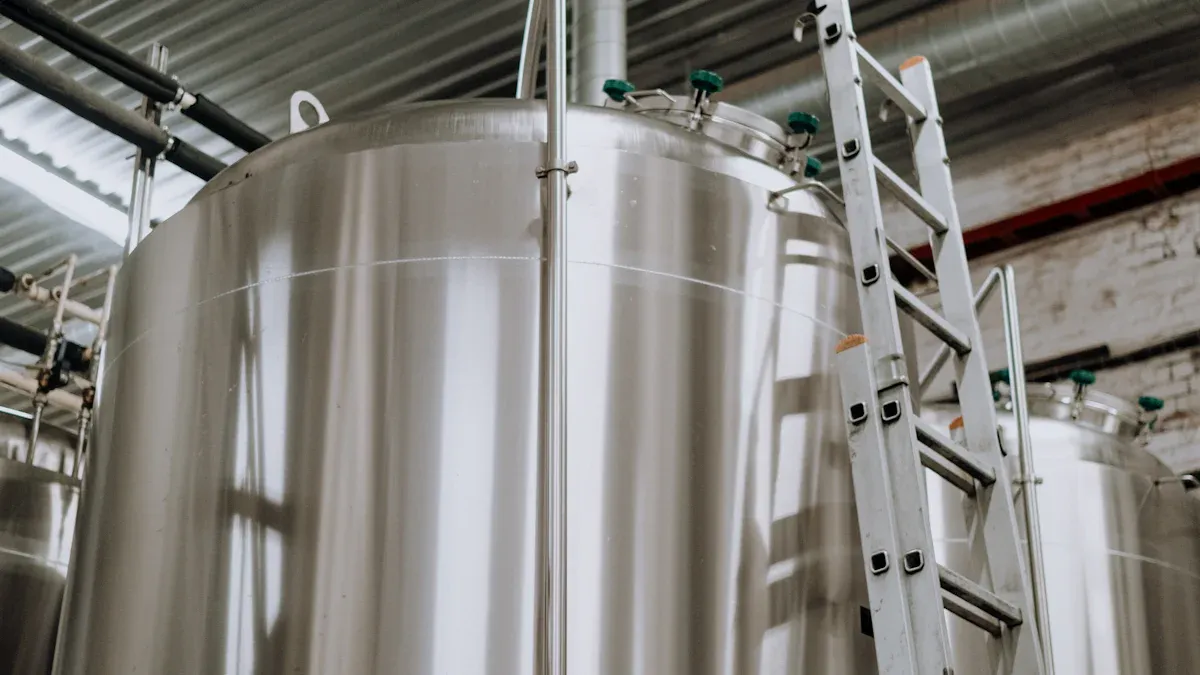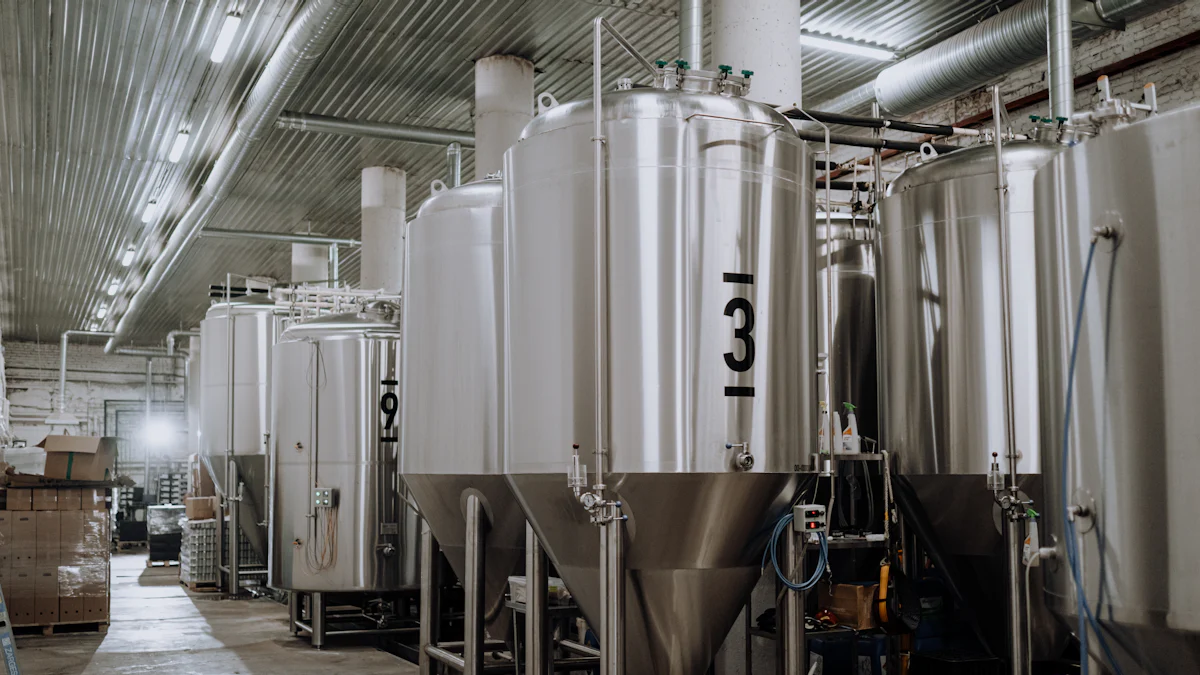
CHENMA IBC tanks are built to deliver durable, hygienic, and flexible storage solutions for a wide range of liquids. Available in various capacities and optional configurations, these tanks are tailored for industrial, chemical, and food-grade applications. Key features include:
IBC tank
CHENMA is a leading IBC tank manufacturer, specializing in durable and versatile stainless steel IBC tanks. Our caged IBCs and custom designs provide reliable storage and transport solutions for water, oils, chemicals, and other industrial liquids, ensuring efficiency, hygiene, and long-term performance across diverse applications.
why choose CHENMA stainless steel IBC tote
As a trusted IBC tank manufacturer and supplier, CHENMA delivers stainless steel IBC tote solutions that meet strict industrial and sanitary requirements. When you choose CHENMA, you benefit from the following advantages:
proven and professional industry experience
CHENMA is a technology-driven enterprise specializing in stainless steel tanks and processing equipment. With years of experience serving the alcohol, food, beverage, and chemical industries, we understand diverse process requirements and deliver IBC totes that meet strict hygiene, durability, and performance standards.
advanced manufacturing and customization
With a 20,000 m² production facility and over 200 skilled professionals, CHENMA produces stainless steel IBC totes in standard and customizable capacities (800–1500 L). We offer options such as jacketed designs, agitators, and liquid level meters, ensuring each tank meets specific industrial, chemical, or food-grade requirements.
comprehensive technical support
From process design and engineering consultation to installation, commissioning, and technical training, CHENMA provides end-to-end project support. Our team ensures IBC tanks are efficiently integrated into your workflow, offering long-term reliability and optimized operational performance.
features of CHENMA IBC tank

premium stainless steel construction
CHENMA IBC tanks are made from high-quality 304 or 316 stainless steel, offering exceptional corrosion resistance, hygienic surfaces, and long-lasting durability. This ensures compatibility with a wide range of liquids, including food & beverage products, chemicals, and pharmaceuticals, while simplifying cleaning and maintenance.
Space-saving and stackable design
The rectangular or square design allows IBC tanks to fit closely together, maximizing floor space in production or storage areas. Stackable frames and pallet bases further optimize storage efficiency, enabling easy integration into warehouses, processing facilities, or transport operations without sacrificing accessibility.
versatile volume options for small or large operations
CHENMA IBC tanks come with practical configurations including sample valves, top and side manways, full drainage outlets, butterfly valves, and optional heating or cooling jackets. These features support precise temperature control, controlled discharge, and complete cleaning (CIP-ready), enhancing operational flexibility across industries.
customizable capacity and configurations
Our IBC totes are available in a variety of sizes from 800L to 1500L, with optional agitators, liquid level meters, or jacketed designs to suit specific process requirements. CHENMA can tailor the tank dimensions, inlet/outlet placements, and accessories to meet unique industrial, chemical, or food-grade storage needs.
What are the different types of IBC tank?
CHENMA provides a variety of IBC tanks—from water totes and rainwater tanks to oil and chemical storage totes—suitable for multiple industrial and commercial applications.

square wine tank
Square wine tanks are increasingly used in wineries and beverage facilities where space efficiency and batch management are critical. These square stainless steel wine tanks offer a compact footprint while maintaining the hygienic and non-reactive properties necessary for wine aging and fermentation. Designed as tanks for wine, they facilitate easy stacking and alignment on production floors, enable uniform temperature distribution during fermentation, and simplify cleaning between batches. Their structure supports controlled filling and discharge, making them ideal for wineries that need flexible intermediate storage without compromising wine quality.
spirits IBC tote tank
Spirits IBC tote tanks are tailored for intermediate storage and handling of distilled beverages, such as whiskey, rum, or other high-value spirits. These spirit tanks or whiskey tanks provide a safe, contamination-free environment for short-term storage, blending, or transfer between production stages. Their design allows efficient movement, controlled dispensing, and easy monitoring of liquid levels, making them suitable for distilleries, bottling plants, and small-batch spirit producers. CHENMA spirits IBC totes combine material durability with operational flexibility, ensuring both product integrity and process efficiency.


IBC oil tank
IBC oil tanks are suited for handling edible oils and industrial oils in batch-based production and distribution environments. This format bridges the gap between small drums and large stationary tanks, making it ideal for intermediate storage, blending preparation, and transfer operations. Built in stainless steel, these IBC oil tanks provide a non-reactive contact surface that helps preserve oil stability while supporting controlled discharge and clean transfer. They are frequently used in oil processing plants, food ingredient facilities, and packaging lines where space efficiency, hygiene control, and operational flexibility are equally important.
chemical IBC totes
Chemical IBC totes are designed to meet the demands of safe liquid chemical handling in manufacturing and processing facilities. An IBC chemical tote is commonly used for acids, alkalis, cleaning agents, and specialty process chemicals that require reliable containment and material compatibility. To match different process requirements, CHENMA supplies totes with customizable dimensions and working volumes, allowing them to function as intermediate buffers between bulk supply and downstream equipment. This flexibility helps operators optimize plant layout, improve handling efficiency, and maintain consistent chemical management across diverse production workflows.

how to maintain a IBC tank
While IBC tanks are designed for repeated use in industrial environments, their durability still depends on how they are handled, cleaned, stored, and inspected throughout their lifecycle.
regular inspection and monitoring
Routine inspections help identify early signs of wear or damage before they affect performance. External visual checks should focus on weld seams, fittings, valves, and frames to ensure there are no cracks, leaks, or deformation caused by handling or transportation. Periodic internal inspections are also recommended, especially for tanks used with chemicals or high-value liquids, to verify surface condition and overall integrity.
proper cleaning after each use
Cleaning procedures should be adapted to the material previously stored in the tank. Residual chemicals, sediments, or product buildup can accelerate corrosion or contamination if not removed promptly. For food-grade or sensitive applications, thorough cleaning and drying between batches is essential. When tanks are used for hazardous or aggressive media, professional cleaning services may be required to ensure safety and compliance.
Controlled Transportation
Incorrect handling is one of the most common causes of premature IBC tank damage. Operators should be trained to lift, move, and stack tanks properly using suitable equipment. Avoid impacts, drops, or uneven stacking, as these can place stress on the tank structure, connections, and base frame. During transport, tanks should be secured to prevent shifting or vibration.
Storage Considerations
Although stainless steel offers excellent resistance to temperature variation and environmental exposure, long-term storage conditions still matter. Tanks should ideally be stored in clean, dry areas away from unnecessary mechanical stress or exposure to aggressive external chemicals. If stored outdoors, basic protection from debris and standing moisture can help preserve fittings and accessories.
Preventive Maintenance
For IBC tanks used in regulated applications, compliance with relevant standards and inspection intervals is essential. Scheduled maintenance programs, including pressure testing or thickness checks where required, help ensure continued suitability for service. Keeping maintenance records also supports operational safety and long-term asset management.
When Replacement Is Necessary
Even with proper care, IBC tanks are not intended for indefinite use. Over time, repeated cycles of filling, emptying, cleaning, and transport can gradually affect structural performance. Tanks showing persistent leaks, structural deformation, or failing inspection requirements should be removed from service and replaced to maintain operational safety.
IBC tank Q&A
How long can you store water in an IBC tote?
The length of time water can be stored in an IBC tote depends on the tank material, water quality, storage conditions, and intended use. In general, water can be stored for long periods if the IBC tank is clean, properly maintained, and used under suitable conditions.
For industrial or non-potable applications, water may be stored for several months or longer, provided the tank is thoroughly cleaned before filling and kept sealed to prevent contamination. Storing the IBC in a clean, shaded, and temperature-stable environment helps reduce the risk of algae growth or external contamination.
For potable or process-critical water, regular inspection and periodic draining and cleaning are recommended. Over time, stagnant water can develop microbial growth if not properly managed, regardless of the tank type. In such cases, implementing routine sanitation and water quality monitoring is essential.
Ultimately, there is no fixed maximum storage time for water in an IBC tote. With proper cleaning, controlled storage conditions, and regular maintenance, IBC tanks can safely store water for extended durations while maintaining reliability and hygiene.
Are stainless steel IBC tanks food-grade?
Yes. CHENMA stainless steel IBC tanks are designed to meet food-grade storage and handling requirements when specified for hygienic applications. Manufactured using high-quality stainless steel, our tanks offer excellent corrosion resistance and chemical stability, ensuring they do not react with food, beverages, or potable liquids, nor absorb odors or flavors.
CHENMA IBC tanks are widely used for water, dairy products, beverages, edible oils, and other liquid food ingredients. The smooth internal surfaces and sanitary welding help minimize residue buildup and support efficient cleaning and sanitation, making them suitable for food and beverage processing environments.
What sizes do we offer for metal totes?
CHENMA offers metal totes in practical capacity ranges to support a wide variety of storage and handling needs. Our stainless steel IBC tanks are commonly available in 800L–1500L capacities, making them suitable for liquid storage, batching, and transport across food, chemical, and industrial applications.
In addition to standard sizes, CHENMA provides customizable metal totes, allowing adjustments to tank dimensions, inlet and outlet positions, manway design, and optional accessories to match specific process requirements. This flexibility ensures each metal tote integrates smoothly into existing production lines, logistics systems, and operational environments.