milk tank
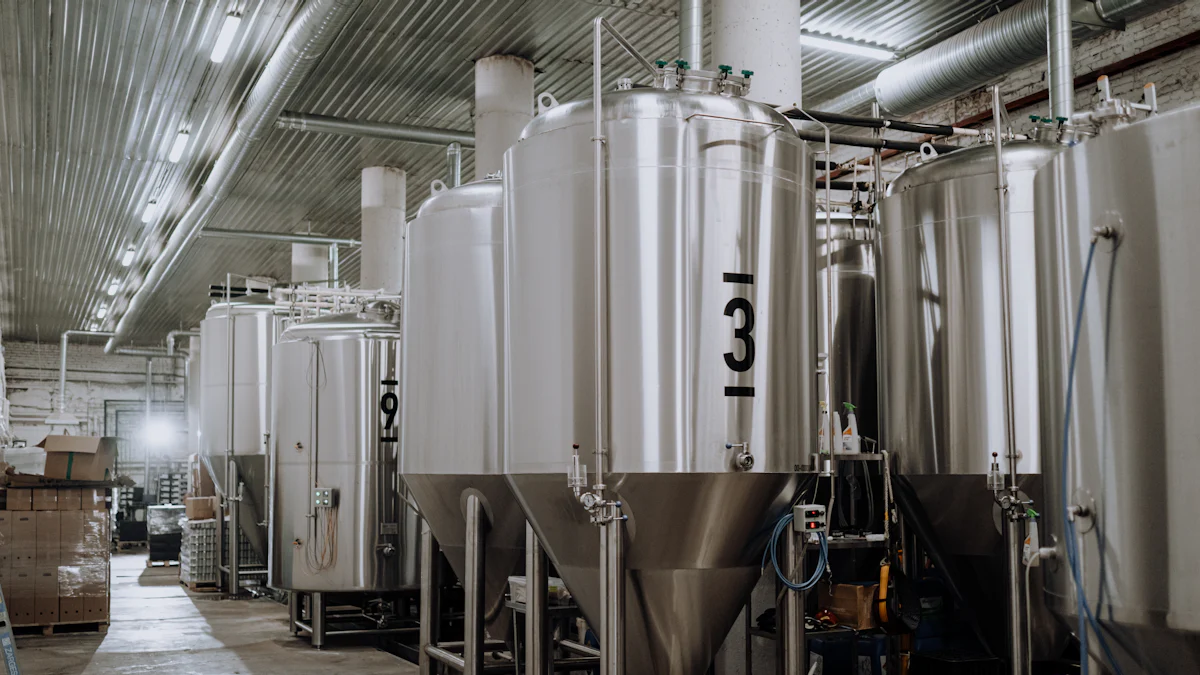
CHENMA supplies premium stainless steel milk tanks engineered for safe milk storage, cooling, and processing. Our milk tank solutions range from standard storage vessels to large-capacity milk storage silos, delivering hygienic design, durable construction, and reliable performance for industrial dairy applications.
why choose CHENMA stainless steel milk tanks
reliable quality control and compliance standards
CHENMA stainless steel milk tanks are manufactured under strict quality control systems and comply with international safety and hygiene requirements. Our tank is certified to ISO 9001 quality management, ISO 14001 environmental management, occupational health standards, and EU CE certification, ensuring consistent performance and traceable manufacturing.
End-to-End engineering and service support
CHENMA provides complete project support beyond equipment supply. From process design and engineering consultation to installation guidance, commissioning, and technical training, our team supports customers throughout the entire project lifecycle. This service-driven approach helps dairy processors reduce project risks and improve operational efficiency.
advanced manufacturing and custom fabrication
With a 20,000 m² production facility and a skilled workforce, CHENMA manufactures stainless steel milk tanks ranging from standard storage vessels to fully customized milk silo tanks. Our engineers and fabricators handle complex designs, custom capacities, and process-specific requirements, delivering durable, hygienic tanks tailored to real-world dairy production needs.
features of CHENMA milk storage tank
CHENMA milk storage tanks are engineered for safe and hygienic milk storage. Designed to meet different dairy processing requirements, our milk tanks are available in customizable capacities and configurations. Key features include:

hygienic stainless steel
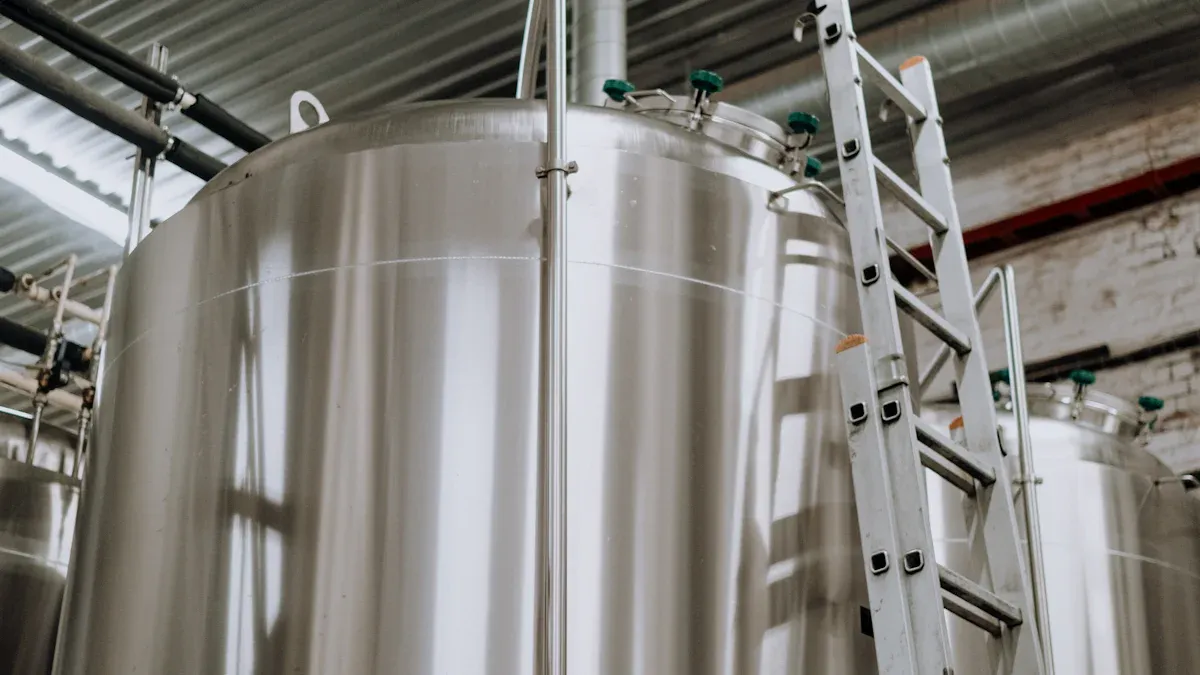
CHENMA stainless milk tanks are made from food-grade 304 or 316L stainless steel. Inner surfaces are pickled, passivated, and polished, with fully welded seams and sanitary connections. CIP spray balls and smooth walls ensure easy cleaning.
Advanced Temperature Control
Each dairy milk storage tank comes with high-performance insulation, cooling jackets, and optional heating systems, allowing precise control of milk or other dairy products’ temperatures during storage or processing.
Efficient Agitation and Mixing
Integrated agitator systems with variable frequency drives guarantee consistent product mixing and prevent settling. Top manholes, sample valves, and milk inlets/outlets provide convenient access for monitoring and sampling.
Safe and Ergonomic Operation
CHENMA dairy tanks are designed with safety and convenience in mind, including pressure relief valves, liquid level sensors, bimetallic thermometers, adjustable stainless steel legs, guardrails, and easy operation.
What are the different types of milk tanks?
CHENMA offers a full range of milk storage tank solutions designed tosupport different stages of dairy processing and diverse operating environments.

milk pasteurization tank
Milk pasteurization tank is a critical piece of equipment in dairy processing, designed to ensure the safety, shelf life, and quality of milk and other liquid dairy products. CHENMA’s pasteurization tanks, also referred to as aseptic tanks for milk, are constructed from high-grade stainless steel with fully welded, hygienic interiors, ensuring no contamination during the thermal treatment process.
These tanks utilize precise temperature control and automated stirring systems to evenly heat milk to the required pasteurization range, typically between 62°C and 85°C, depending on the product and local regulations. The controlled heating in combination with rapid cooling preserves the biological value, flavor, and nutrients of milk while effectively eliminating harmful bacteria and pathogens.
Small milk tanks support batch pasteurization for artisan or medium-scale operations, while larger milk silo handle continuous flow for industrial-scale dairy production.
raw milk silo
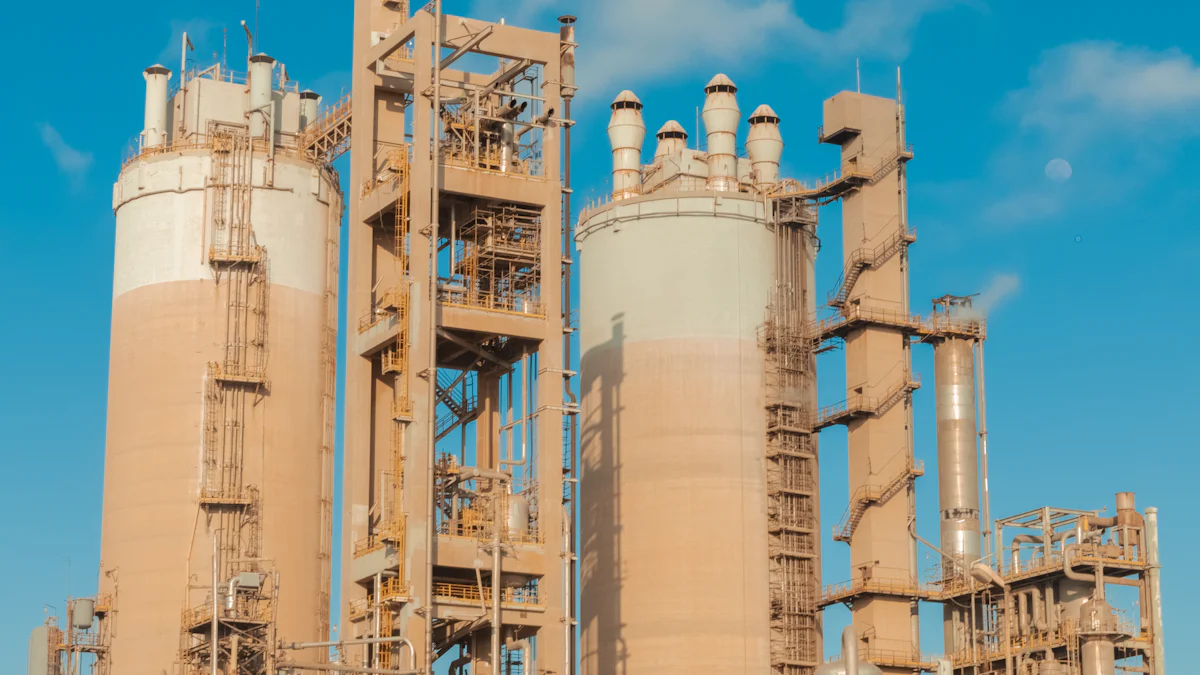
CHENMA raw milk silos are specifically designed for the hygienic and efficient storage of fresh milk collected from dairy farms. Constructed with high-grade stainless steel, these raw milk storage tanks resist corrosion, ensure product safety, and provide long-lasting durability for demanding dairy operations.
The tanks are equipped with advanced cooling systems and thick insulation to maintain raw milk at low temperatures immediately after collection, slowing bacterial growth and preserving quality. Internal agitators ensure even consistency and prevent cream separation, while integrated sensors and monitoring systems allow farmers and processing plants to track temperature and volume accurately.
Ideal for on-farm storage, milk collection centers, or pre-processing storage at dairy factories, CHENMA raw milk silos offer a reliable solution that safeguards milk freshness, supports dairy supply chains, and meets modern hygiene standards.


yogurt fermentation tank
CHENMA yogurt fermentation tanks are engineered for precise and consistent fermentation of milk, plant-based dairy, and flavored yogurt products. Constructed from high-grade stainless steel with polished interiors, these fermentation tanks for yogurt prevent contamination, simplify cleaning, and maintain the hygiene standards required in modern dairy processing. Temperature control is critical for yogurt quality, and CHENMA fermentation tanks feature advanced temperature regulators that can be set to optimal ranges, ensuring even fermentation and consistent texture.
Available in a range of capacities, CHENMA yogurt fermentation tanks are suitable for dairy factories, small-scale artisan production, or pilot-scale testing. Customizable designs allow adjustments in size, agitation, and insulation, providing flexible solutions that meet specific production needs while maintaining high energy efficiency and operational reliability.
How does a milk bulk tank work?
Understanding how a bulk tank works helps dairy farms and milk processors ensure product quality and maintain efficient daily operations.
Below is a step-by-step overview of how a milk bulk tank functions in real-world dairy applications.
Milk Intake
Fresh milk is transferred into the bulk tank immediately after milking through a sealed inlet system. At this stage, the milk is still warm and must be handled quickly to prevent bacterial growth.
Rapid Cooling
Once inside the tank, the integrated cooling system begins working immediately. Cooling jackets or evaporator plates extract heat from the milk, bringing the temperature down rapidly to the safe storage range. Gentle agitation ensures uniform cooling.
Continuous Temperature Control
Sensors inside the tank constantly monitor milk temperature. If any fluctuation occurs, the refrigeration system automatically adjusts to maintain stable conditions, helping preserve milk quality and safety.
Agitation During Storage
While the milk is stored, an internal agitator operates at controlled intervals. This prevents cream separation, keeps temperature consistent, and maintains uniform milk composition.
Milk Discharge and Collection
When collection or processing is scheduled, milk is discharged through a hygienic outlet or pipeline connection into a tanker or processing line. The closed transfer system minimizes exposure and contamination risk.
Cleaning-in-Place
After emptying, the tank undergoes an automated CIP cleaning cycle. Detergents and rinsing water are circulated to remove residues, ensuring the tank is ready for the next milking cycle and meets dairy hygiene standards.
milk tank Q&A
How often should a milk tank be cleaned?
Proper cleaning of a milk tank is essential to maintain milk quality, prevent bacterial growth, and ensure compliance with dairy hygiene standards. CHENMA recommends cleaning your tank after every milk collection. A typical routine involves multiple washes:
Post-collection wash: Begin with a cold water rinse to remove residual milk and solids.
Hot detergent washes: Follow with 1–2 hot caustic or alkaline detergent washes at the recommended concentration and temperature to dissolve fat, protein, and milk residues.
Acid wash: Finish with a hot acid wash to remove milkstone, mineral deposits, and limescale.
Each wash should allow sufficient contact time, with temperatures carefully monitored to ensure effective cleaning. Manual attention is required for tank outlets, joints, and seals to prevent contamination.
How long can milk stay in a bulk tank?
After collection, milk must be stored under strict conditions to maintain freshness, safety, and quality. CHENMA bulk milk tanks are designed to keep milk at temperatures between 0°C and 4°C, significantly slowing bacterial growth and preserving nutrients. Under these conditions, raw milk can typically be stored safely for up to 48 hours before it must be transported for further processing.
Timely collection and proper tank management are critical. Milk stored beyond 48 hours may risk bacterial growth or spoilage, even under refrigeration. CHENMA farm milk tanks and raw milk storage tanks are engineered to optimize cooling efficiency, hygiene, and monitoring, supporting both small-scale farms and large dairy processing operations.
What sizes do milk tanks come in?
CHENMA milk tanks are available in a wide range of sizes, from 200 litres up to 30,000 litres, to suit different dairy operations. Smaller tanks, such as 200–1,000 litres, are ideal for family-run farms, small dairy producers, or pilot-scale testing, where frequent collection or batch processing is feasible.
Larger tanks, including milk storage silos up to 30,000 litres, are designed for industrial-scale farms or dairy processing plants. These high-capacity tanks allow bulk milk storage, maintain uniform cooling, and integrate easily with automated collection and pasteurization systems.
How do you cool milk in a milk tank?
The best metal for milk storage tank is food-grade stainless steel, due to its corrosion resistance, non-reactive nature, and ease of cleaning. CHENMA milk tanks, raw milk silos, and fermentation tanks are all made from high-quality 304 or 316 stainless steel, ensuring hygienic storage, long-lasting durability, and preservation of milk quality across all dairy applications.