
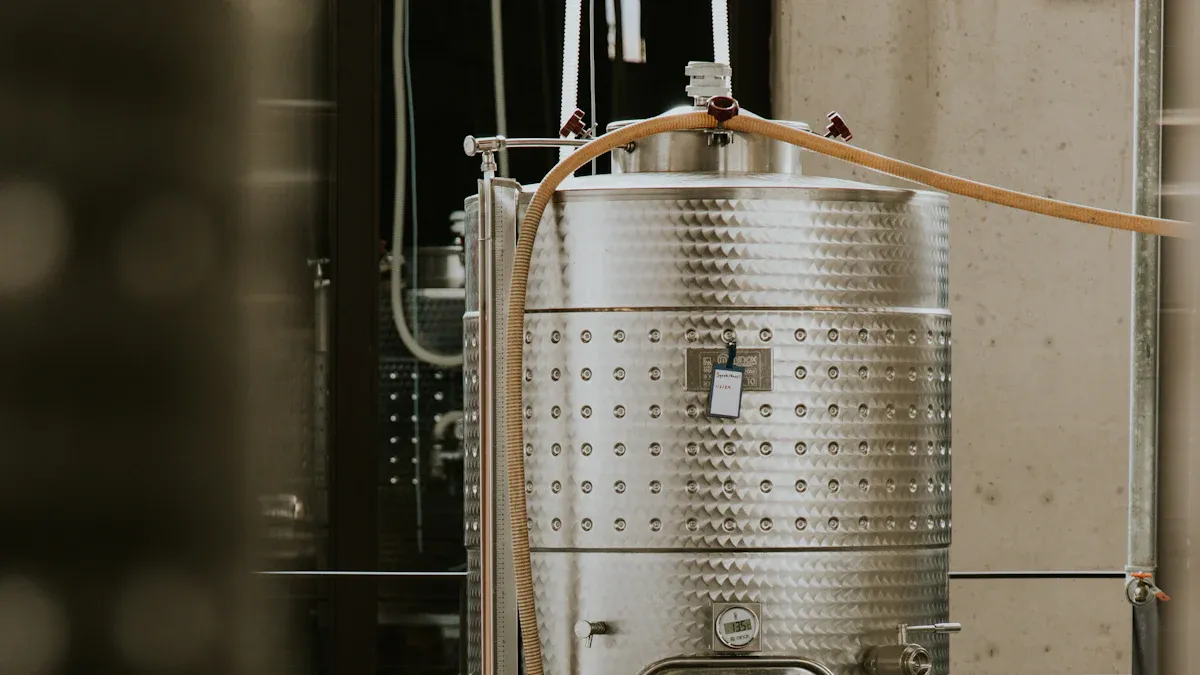
Many people pick a stainless steel water tank because it lasts long, is clean, and can be used in many ways. Stainless steel water tanks keep water safe and good for drinking or daily use. The table below shows why people like these tanks more than others:
Reason for Choosing Stainless Steel Water Tanks | Description |
|---|---|
Durability | Stainless steel tanks do not rust and stay strong in tough weather. |
Hygiene | They are the cleanest choice for storing water and stop mold and sludge from growing. |
Cost Efficiency | These tanks cost more at first, but they last longer and need less fixing, so you save money over time. |
Environmental Impact | They are made from 60-70% recycled stuff, use less energy, and help the planet. |
Ease of Maintenance | Stainless steel does not need special coatings, so cleaning and taking care of it is easy. |
People who want good quality often buy custom steel water tanks for their homes or businesses. Steel water storage tanks give you value and work well for a long time.
Key Takeaways
Stainless steel water tanks are strong and can last many years. Some can last up to 100 years. This makes them a good investment for a long time. These tanks keep water clean by stopping bacteria and chemicals from getting in. Cleaning these tanks is simple because the surface is smooth. They need less care than plastic or concrete tanks. Stainless steel tanks are good for the environment. They are made from recycled materials. You can also recycle them again when they are old. The starting price is higher, but you save money later. This is because you do not need to fix or replace them often.
Stainless Steel Water Tank Safety
Water Quality Protection
Stainless steel water tanks keep water safe and clean. The smooth surface does not let bacteria or chemicals get in. Concrete tanks can soak up water and let mold or bacteria grow. Stainless steel tanks do not have this problem. Plastic tanks might let out chemicals if they get hot or are in the sun. Stainless steel tanks do not do this. They keep water tasting and smelling good, so people like them for drinking and cooking.
Many health groups and government offices say stainless steel water tanks are safe. The Food and Drug Administration (FDA) and the Environmental Protection Agency (EPA) have rules for things that touch drinking water. Stainless steel tanks follow these rules. Groups like NSF International and the American Water Works Association (AWWA) give certificates to these tanks. These certificates show that stainless steel tanks keep water safe from bad things.
Feature | Benefit |
|---|---|
High Corrosion Resistance | Stops rust and corrosion, so the tank lasts longer. |
Durability | Handles tough weather and stays strong. |
Hygiene | Smooth surface keeps bacteria away, so water is safe to drink. |
Easy Maintenance | Fewer joints make cleaning simple and cheap. |
Stainless steel tanks use chromium to make a shield. This shield fixes itself and stops rust. Stainless steel does not react with water, so water stays fresh. People who want safe water pick stainless steel tanks for homes and businesses.
Algae And Bacteria Prevention
Stainless steel tanks stop algae and bacteria from growing inside. The smooth surface does not let stuff stick, so cleaning is easy and works well.
Stainless steel tanks are easier to clean than plastic or concrete tanks. The smooth surface does not let algae or other stuff build up. This means bacteria do not have a place to grow.
The material does not have pores, so bacteria and algae cannot grow.
Plastic tanks can get algae if they are in the sun. Concrete tanks can crack or have holes where bacteria hide and grow. Stainless steel tanks do not have these problems. Their design helps keep them clean and makes care easy.
Regulatory Body | Role in Safety Compliance |
|---|---|
FDA | Makes sure materials for food and drinks are safe and clean. |
NSF International | Checks stainless steel tanks for health and safety, so they are good for food and drinks. |
EPA | Sets rules for drinking water quality, and stainless steel tanks follow these rules. |
ASME | Makes rules for tanks, and stainless steel tanks meet or beat these rules for safety. |
Stainless steel tanks meet rules like NSF-61 and AWWA D100. These rules show the tank does not let out bad things and is safe for water. Because they do not rust and are easy to clean, stainless steel tanks are a good choice for safe water.
Durability And Lifespan
Corrosion Resistance
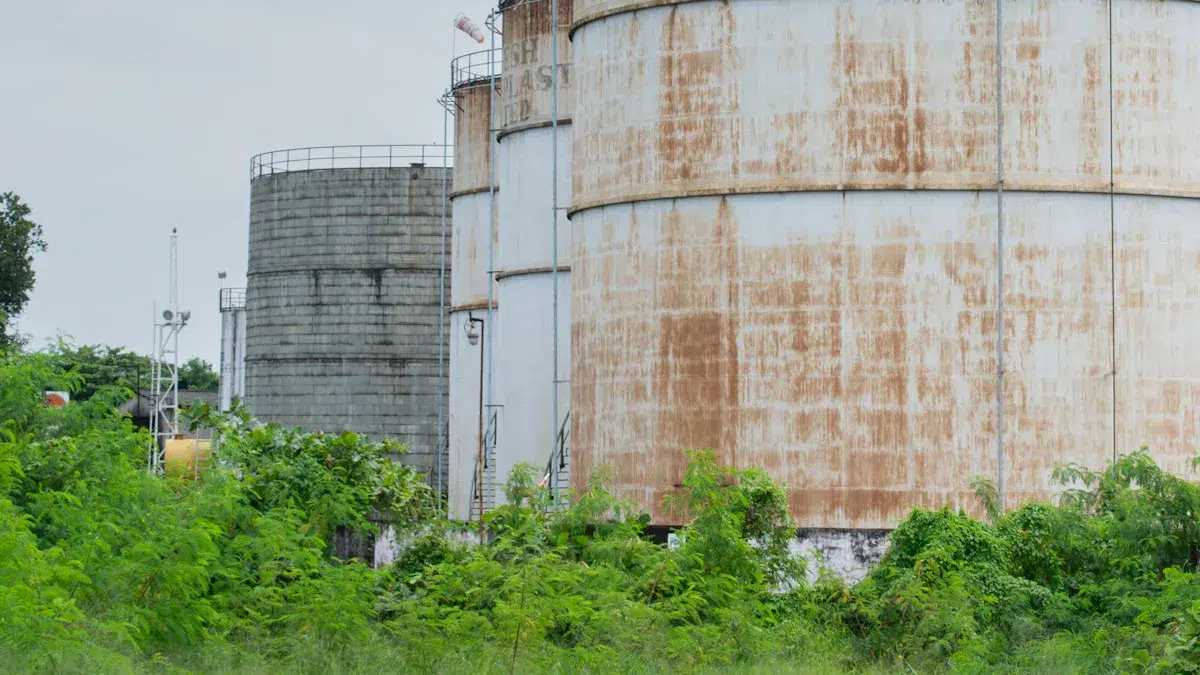
Stainless steel water tanks last a long time because they do not rust. The material makes a shield that stops rust, even in bad weather. This helps the tank stay strong and safe for many years. In places with hot, cold, or wet weather, stainless steel does not leak or break. Plastic tanks can crack or get weak in the sun, but stainless steel stays strong.
The table below shows how different tank materials handle rust:
Material | Corrosion Resistance | Additional Notes |
|---|---|---|
Stainless Steel | Great at stopping rust in most places | Lasts longer, tough against hits and fire, can be made even better against rust |
Plastic | Can break and leak when the weather changes | Has UV blockers but can still change shape in hot or cold weather |
Concrete | N/A | N/A |
Stainless steel tanks are also cleaner because dirt and germs do not stick to the smooth surface. This makes cleaning simple and keeps water safe.
Longevity Compared To Alternatives
Stainless steel water tanks last longer than other tanks. If you take care of them, they can last up to 100 years. Most plastic tanks last only 10 to 15 years and can get damaged by the sun. Concrete tanks can last about 30 years or more, but they might crack as they get older.
Here is a table that shows how long each tank type lasts:
Tank Material | Average Lifespan |
|---|---|
Stainless Steel | Up to 100 years |
Plastic | 10 to 15 years |
Concrete | 30 years or more |
Stainless steel tanks often have warranties for 30 years or more. This shows people trust their strength and quality. Poly tanks usually have warranties up to 25 years. Because stainless steel tanks last longer, you do not need to replace them as much. This means less trash and helps the planet.
When you compare concrete and steel tanks, stainless steel is stronger and does not leak. This makes it a good choice for people who want something that lasts, is clean, and is worth the money.
Maintenance Needs
Cleaning Ease
Stainless steel water tanks offer a high level of cleanliness and require less frequent maintenance than other tank types. A factory client shared that their cement tanks needed cleaning every three months. After switching to a stainless steel water tank, they only cleaned it twice a year. This shows that stainless steel water tanks help reduce maintenance time and effort.
The ease of cleaning comes from the smooth surface and strong durability of the tank. The cleaning process is straightforward and does not demand special skills. People can follow these steps for proper cleaning:
Gather equipment such as water, bleach, mild detergents, and a bristle brush.
Empty the tank by opening the outlet tap and removing all water.
Prepare a cleaning mixture with hot water and laundry detergent, then scrub the interior.
Use a power washer for a thorough clean.
Remove tough residue with baking soda, focusing on corners and joints.
Rinse the tank with clean water to remove all detergent.
Disinfect by filling the tank with water and adding chlorine bleach at a ratio of 50 ppm, letting it sit for 24 hours.
These steps help maintain the quality of stored water and prevent leaks. The longer service life of stainless steel water tanks means owners spend less time and money on upkeep.
Stainless steel water tanks provide reliable durability and ease of cleaning, making them a top choice for those who value cleanliness and water safety.
Mold And Algae Risks
Stainless steel water tanks have a lower risk of mold and algae growth compared to plastic and concrete tanks. The smooth surface does not allow mold or algae to stick easily. Owners notice fewer problems with cleanliness and water quality.
Stainless steel water tanks rarely develop mold or algae.
Plastic tanks can allow algae to grow, especially in sunlight.
Concrete tanks may crack, leading to leaks and hidden mold.
The design and material of stainless steel water tanks help keep water safe for drinking and other uses. People choose these tanks for their longer service life and consistent quality.
Cost Comparison
Upfront Investment
When you pick a water tank, you look at the price first. Stainless steel water tanks cost more at the start than other tanks. They can be two or three times more expensive than plastic or fiberglass tanks of the same size. Concrete tanks also cost a lot at first. Sometimes, they cost as much or even more than stainless steel tanks. Plastic tanks are the cheapest to buy, but they do not last as long. You might have to buy new ones sooner.
Stainless steel water tanks cost two to three times more than plastic or fiberglass tanks.
Concrete tanks can cost the same or more than stainless steel tanks.
Plastic tanks are the cheapest but may need to be replaced sooner.
People who want strong and good tanks often pick stainless steel water tanks. Even though they cost more at first, people think it is worth it. They pay more for a tank that keeps water safe and lasts longer.
Long-Term Value
It is important to think about how much a tank costs over time. Stainless steel water tanks are a good deal because they do not need much fixing. They do not leak often. Owners do not spend much money on repairs or cleaning. Over 20 years, stainless steel tanks are a better deal than plastic or concrete tanks.
Tank Material | Maintenance Costs | Replacement Needs | Lifespan |
|---|---|---|---|
Stainless Steel | Lower | No | 30-40 years |
Plastic | Higher | Yes | 10-20 years |
Concrete | Higher | Yes | 10-20 years |
Stainless steel tanks are easy to take care of, so you save money. Plastic and concrete tanks can crack or fade, so you spend more fixing them or buying new ones. Stainless steel water tanks last 30 to 40 years. This shows they are strong and a good deal for a long time. When you compare concrete and steel water tanks, steel tanks last longer and cost less to fix.
Stainless steel water tanks help you save money because you do not need to fix or replace them often. Owners know their water is safe and do not worry.
People who want a tank they can trust pick stainless steel. They like that it is strong, lasts a long time, and saves money in the end.
Environmental Impact
Sustainability Of Stainless Steel
Stainless steel water tanks are good for the environment. Makers use recycled metal to build these tanks. This helps cut down on trash. Stainless steel can be recycled again and again. When a tank gets old, workers melt it and use the metal for new things. This saves energy and important resources. Concrete tanks make a lot of pollution when they are made. Plastic tanks need oil, which cannot be replaced. Stainless steel tanks last longer than concrete or plastic tanks. Because they last so long, people do not need to buy new ones often. This means less trash over time.
Stainless steel water tanks help the earth. They last a long time and can be recycled. People who care about nature like these tanks.
Many companies and families pick stainless steel tanks for storing water. They want tanks that keep water safe and help the planet.
Manufacturing And Disposal
Making stainless steel tanks uses less energy than making concrete tanks. Concrete makes a lot of carbon dioxide, which is bad for the air. Stainless steel does not make as much pollution. Plastic tanks need chemicals and oil, which can hurt the air and water.
When tanks get old, workers get rid of them in different ways. The table below shows what happens to each kind:
Tank Type | Disposal/Recycling Process |
|---|---|
Stainless Steel | Taken apart carefully, metal used for new stainless steel things |
Plastic (HDPE) | Cleaned, cut up, recycled at special places, some sold to others |
Concrete | Broken up at the site, pieces used to fill holes or as building material |
Stainless steel tanks can be turned into new things. Plastic tanks need special places to recycle them. Concrete tanks become broken pieces for building. Stainless steel tanks make less trash and are easier to recycle. They are better for the environment from start to finish.
Capacity And Design Benefits
Large Volume Options
Stainless steel water tanks come in many sizes. Some tanks are very big, like 35,000 liters or 50 cubic meters. These large tanks are good for homes, businesses, and factories. People use them when they need a lot of water every day. The table below shows how much water these tanks can hold:
Tank Type | Capacity (m³) | Equivalent Liters | Applications |
|---|---|---|---|
50M3 Stainless Steel Tank | 50 | 50,000 | Residential, commercial, industrial, agricultural |
Many companies use big tanks to store water. They use the water for making things, cooling machines, and cleaning. Hospitals and food factories need these tanks to keep water safe and clean. These tanks are also helpful when there is an emergency and water is needed fast.
Used in making products
Give backup water in emergencies
Help keep food and drinks safe
Give clean water to hospitals and factories
Aesthetic Appeal
Stainless steel tanks look shiny and new. They fit in many places, like homes and big buildings. People like the bright surface because it does not get dirty or lose its shine. The shape and size can change to fit different spots. Stainless steel tanks are much lighter than concrete tanks. Workers can move and put them in place easily. It takes less time and money to install them.
Lighter tanks are easier to move and set up
Installation is faster than with concrete tanks
Can be made in many shapes and sizes
Do not need a heavy base like concrete tanks
Stainless steel tanks make a building look nice. They last a long time and add value to the property. Many people pick them because they work well and look good.
Stainless steel water tanks have many good points. They last a long time and do not need much cleaning. They also stop bacteria from growing. The table below shows how stainless steel tanks are better than plastic and concrete tanks.
Advantages of Stainless Steel Tanks | Benefits of Concrete vs Steel |
|---|---|
Durable, easy to clean, food-grade quality, environmentally sustainable, versatile | Concrete tanks are strong, but steel tanks last longer and need less care |
A high-quality stainless steel water tank is a smart buy. It gives you good value for your money and lasts for years. People should pick a tank by thinking about how much water they need, how much money they have, and how safe they want their water to be.