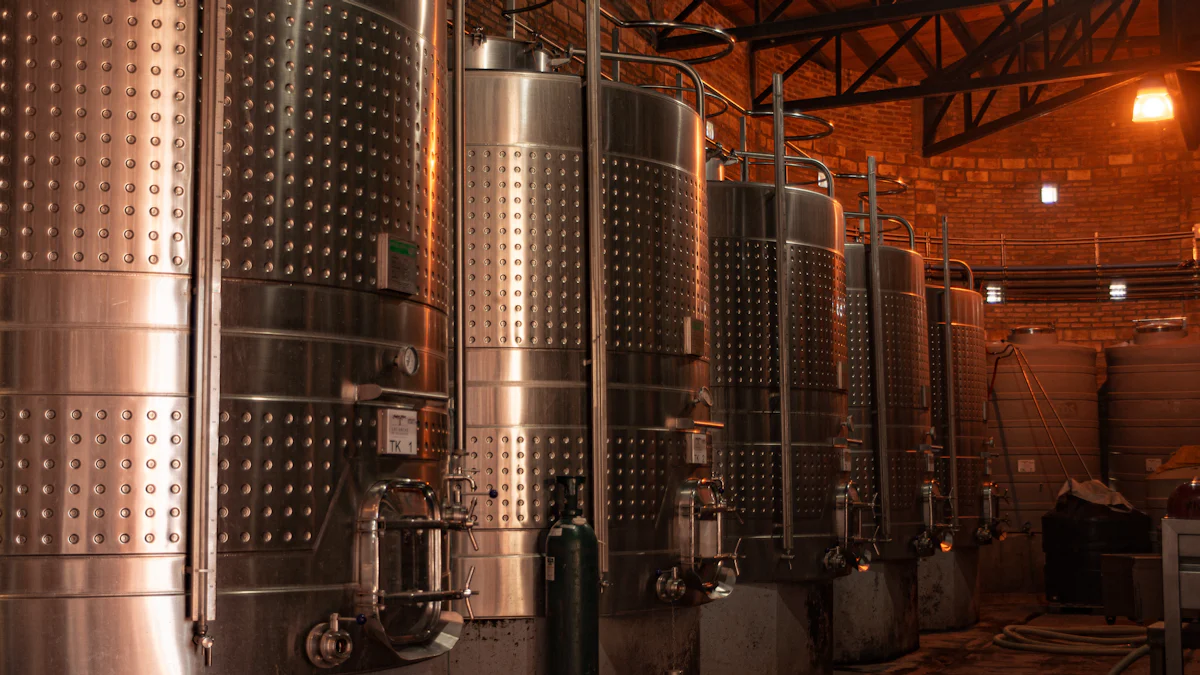
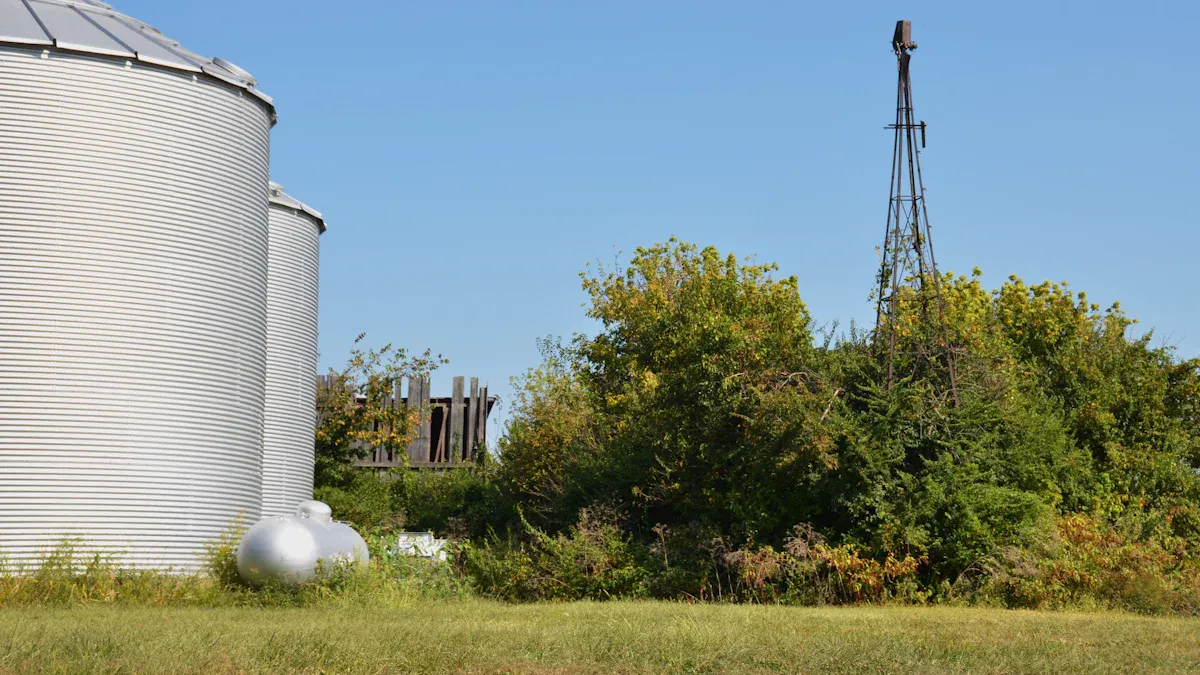
People sometimes mix up stainless ibc tank and stainless steel ibc totes, but they are not the same. An intermediate bulk container, or stainless steel ibc tote, has a tank, a frame, and a pallet all together. The tank is just the inside part that holds the liquid. Picking between stainless ibc tanks and stainless steel ibc totes is important. Factors like how you can stack them, if they are made of stainless steel, and how you use them can change how well they work. The table below shows how stainless ibc tanks and stainless steel ibc totes are not the same in what they mean, what they are made of, and how they are built:
Feature | Stainless IBC Tank | Stainless Steel IBC Tote |
|---|---|---|
Definition | Liquid-holding container itself | Complete package: tank, frame, and pallet |
Material | HDPE, stainless steel, etc. | Same materials as IBC tanks |
Design | Safe liquid transport | Handling and logistical features |
A metal ibc tote or stainless ibc tank is strong and follows tough industry rules. Knowing these differences helps companies pick the right one for their job.
Key Takeaways
IBC totes have a tank, frame, and pallet. This makes them easy to stack and move. IBC tanks are only the inside part that holds stuff. They do not have the extra parts like totes. You should pick the right container for what you store. Stainless steel is best for food and chemicals. It is strong and stays clean. IBC totes come in many sizes. This helps businesses pick what they need. Cleaning and taking care of IBC totes and tanks is important. It helps them last longer and keeps things safe.
IBC Totes vs. Tanks Overview
What Is an IBC Tote?
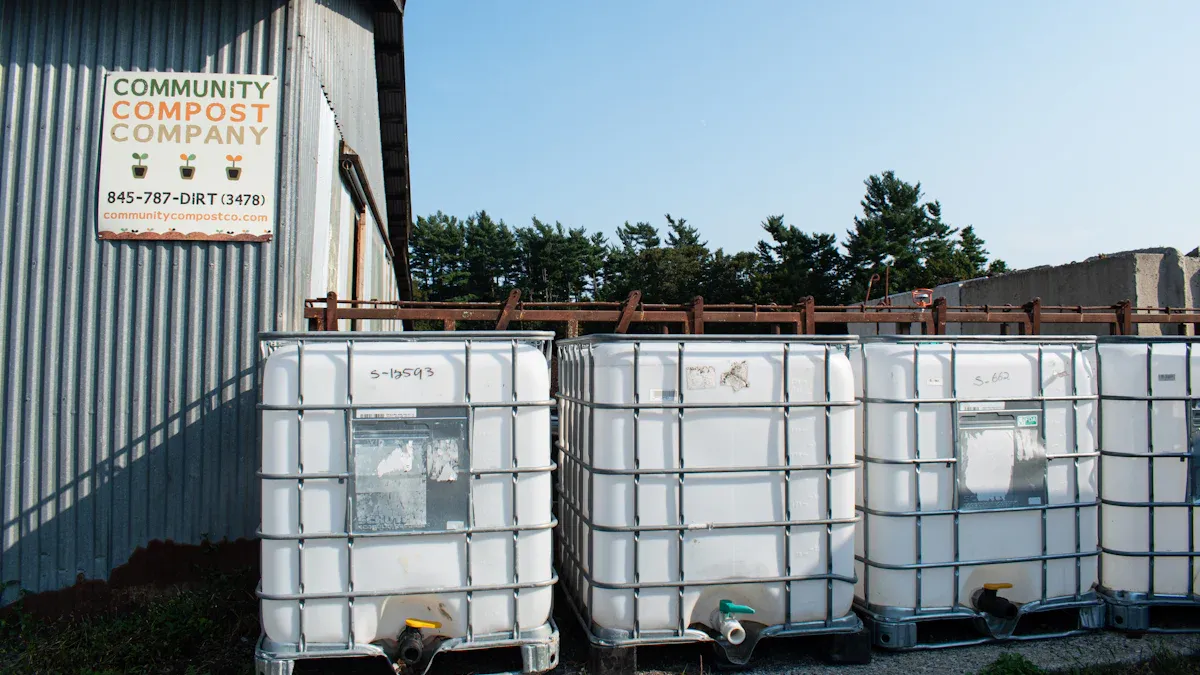
An IBC tote is a big container for holding and moving lots of stuff. It has a strong cage frame, usually made from galvanized steel. Inside, there is a liner, often made from polyethylene. This design helps the IBC tote handle bumps and stacking. Most IBC totes can hold up to 3,000 liters. Many businesses use them in different industries. IBC totes can carry liquids, pastes, and solids. Their square or rectangle shape makes stacking easy and saves space. Some IBC totes can be used again, but others are for one-time use.
Tip: IBC totes stack well, so they help save space in warehouses and trucks.
IBC totes are made from materials like high-density polyethylene, stainless steel, and polypropylene. These materials make the totes strong and stop rust. This is important for keeping chemicals, food, and medicine safe.
Material Type | Description |
|---|---|
High-Density Polyethylene (HDPE) | A tough plastic that does not rust, good for many chemicals. |
Stainless Steel | Very strong and clean, good for food and medicine. |
Polypropylene (PP) | Used for flexible IBC totes, light and resists many chemicals. |
What Is an IBC Tank?
An IBC tank is the inside part that holds the stuff in the tote. It is usually made from a special kind of high-density polyethylene. The frame around the tank is made of steel. The valve body and valve ball are made from HDPE and polypropylene. The seals can be EPDM, ETFE, polyethylene, or nitrile. The tank holds the liquid or solid, but it does not have the frame or pallet.
Component | Material Type |
|---|---|
Inner Container | Special high-density polyethylene |
Main Raw Material | 4570UV high-density polyethylene (HDPE) |
Frame | Steel |
Valve Body | HDPE |
Valve Ball | Polypropylene (PP) |
Valve Seals | EPDM, ETFE, polyethylene, nitrile |
Key Differences
The biggest difference between IBC totes and IBC tanks is how they are built and used.
IBC totes have the tank, frame, and pallet together.
IBC tanks are just the inside part that holds the material.
IBC totes are made for easy storage, stacking, and moving.
IBC tanks are made to hold things safely and work with many materials.
IBC totes are good for storing and moving liquids, chemicals, and food. The frame and pallet make them safer and easier to handle. IBC tanks keep things safe inside but do not have the extra parts for moving.
Note: “Intermediate” in IBC totes means their size is between drums and big water tanks.
IBC totes and IBC tanks are both important for factories and businesses. Companies pick one based on what they need for storage, moving, and what they are putting inside. Water tanks, like IBC totes, help companies handle liquids well. Water tanks come in many shapes and sizes, but IBC totes are easy to stack and move. Water tanks made from stainless steel or HDPE last a long time. Water tanks with strong frames do not break easily when moved. Water tanks with square shapes fit well in storage spaces. Water tanks with good valves do not leak. Water tanks you can use again make less waste. Water tanks for one-time use are good for short jobs. Water tanks that are very clean are good for food and medicine. Water tanks that do not rust last longer. Water tanks that are flexible can be used in many ways. Water tanks with steel frames are extra strong. Water tanks with polypropylene parts do not get damaged by chemicals. Water tanks with EPDM seals work in tough places. Water tanks with ETFE seals give extra protection. Water tanks with nitrile seals work in many places. Water tanks that stack save space. Water tanks that are easy to move are safer. Water tanks with smart designs cost less. Water tanks that are built well help every day. Water tanks made from good materials follow the rules. Water tanks that can be used in many ways help lots of businesses.
Capacity and Size
Common Tote Capacities
IBC totes come in many sizes. They help with different storage needs. Many businesses use these containers. They are flexible and work well. The most common IBC tote size is 275 gallons. Other sizes are 135 gallons and 330 gallons. Some can hold only 110 gallons. Bigger ones can hold up to 793 gallons. This lets companies pick the best size for their products.
110 gallons
135 gallons
180 gallons
275 gallons
330 gallons
350 gallons
550 gallons
793 gallons
IBC totes have standard sizes for storing chemicals. These sizes help with stacking and moving. The table below shows some usual tote sizes:
Capacity (gallons) | Base Dimensions (inches) | Height (inches) |
|---|---|---|
275 | 40 x 48 | 46 |
330 | 40 x 48 | 53 |
350 | 42 x 48 | 47 |
550 | 42 x 48 | 71 |
Tip: IBC totes with square or rectangle shapes stack easily. They save space in storage rooms.
Tank Size Options
IBC tanks also have many sizes. The size depends on what the tank holds. Food and medicine companies follow strict rules for tank size. This keeps products safe. Chemical companies may need bigger tanks for storing lots of liquid. Some tanks must meet special rules for dangerous materials.
The job decides the best tank size. For example, a winemaker might use a 1000-liter stainless steel tank for wine. A chemical plant might pick a 550-gallon tank for liquids. Each business chooses the size that fits its safety, moving, and storage needs.
IBC totes and tanks give businesses lots of choices. They can pick small containers for special items. They can pick big tanks for storing lots of stuff.
Material and Durability
Stainless IBC Tank Features
Stainless ibc tanks are strong and last a long time. Makers use good stainless steel like 304 grade. This steel does not rust and keeps liquids clean. These tanks work well in hard places for many years. Many businesses pick them because they are easy to keep clean. The smooth surface stops germs from spreading. Cleaning is simple and fast. Stainless ibc tanks do not get damaged by chemicals. This keeps the tank safe. You can use these tanks again and recycle them. This helps companies make less trash and protect nature.
Feature | Description |
|---|---|
Durability | Made to handle tough jobs, does not break easily, lasts a long time. |
Stainless Steel | Uses strong stainless steel (like 304 grade) that does not rust. |
Chemical Resistance | Stays safe from many chemicals, does not get ruined. |
Hygienic Properties | Smooth surface stops germs, easy to clean, good for places that need to be very clean. |
Environmental Friendliness | Can be used again and recycled, makes less trash than single-use containers. |
Tip: Stainless ibc tanks are great for food, drinks, and medicine because they are very clean.
Durability Comparison
Stainless ibc tanks last longer than plastic IBC totes. Stainless steel does not rust from water, acids, or alkalis. It stays strong even outside. Plastic totes can get weak from sunlight and chemicals. Stainless ibc tanks can handle very hard jobs and strong chemicals. Plastic totes might break or wear out with some chemicals.
Material | Corrosion Resistance |
|---|---|
Stainless Steel | Does not rust from water, acids, or alkalis; stays strong outside. |
Plastic | Gets weaker over time from sunlight and chemicals. |
These containers stack in different ways. HDPE totes can hold up to 1.8 times their weight when stacked. Stainless ibc tanks with steel frames can hold up to 2.5 times their weight. This means you can store more and keep things safer when moving them. Stainless ibc tanks are tough and do not break easily. Companies use them for hard jobs and for a long time.
Portability and Handling
Transporting IBC Totes
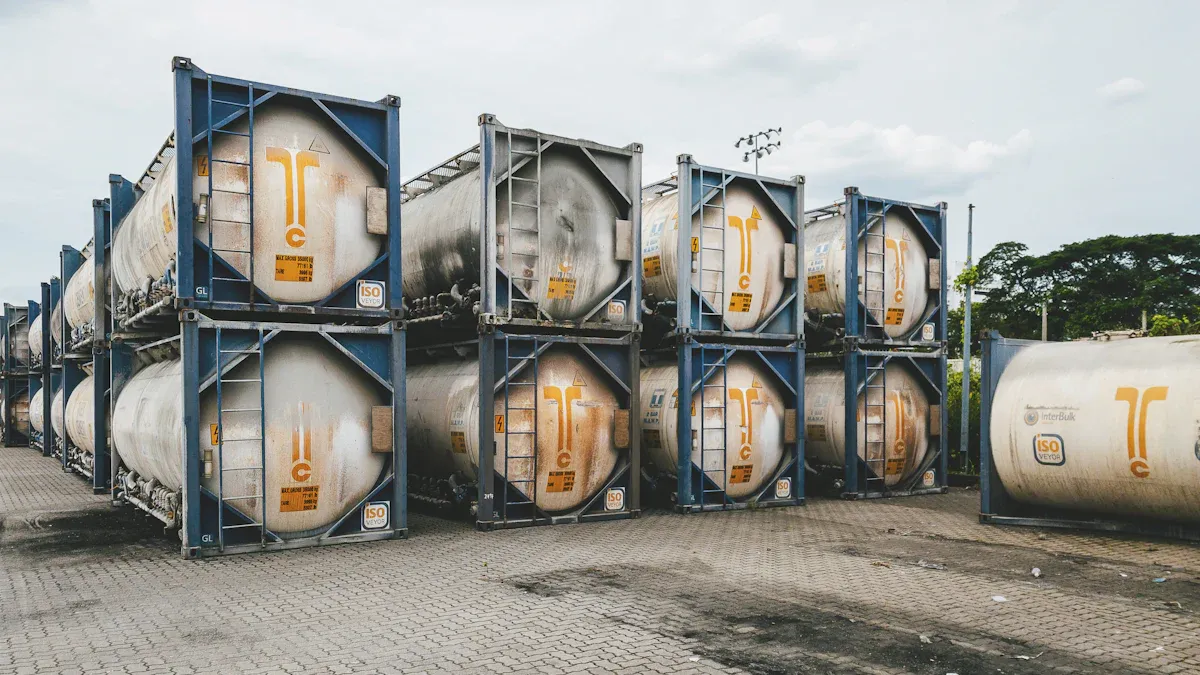
Companies move ibc totes in different ways. Trucks are used for short trips. Rail cars move many ibc totes far away. Ships carry ibc totes to other countries. Each way has its own good points.
Method | Description | Advantages | Disadvantages |
|---|---|---|---|
Truck | Used most for moving things nearby. Special tools for IBCs. | Fastest for short trips. | Can cost more money. |
Rail | Good for long trips. Special tools for IBCs. | Saves money for big loads. | Slower than trucks. |
Ocean Vessel | Best for sending things to other countries. Special tools for IBCs. | Cheapest for lots of totes. | Slowest way to move totes. |
Workers pick trucks when they need to bring totes right to a door. Rail cars are better for the earth and move totes far. Ships are best when sending many totes at once. IBC totes can be stacked, so loading and unloading is easy. Forklifts and pallet jacks help workers move totes safely.
Tip: Stackable ibc totes use less space in trucks and warehouses. This makes moving them easier and faster.
Tank Mobility
How easy it is to move tanks is important for companies. IBC totes have a shape that lets workers stack them. This means more totes fit in small places. It helps companies keep things neat and move things quickly. IBC totes work with trucks, trains, and ships. This gives businesses choices for moving their goods.
Benefit | Description |
|---|---|
Efficient Storage | IBC tanks save space because you can stack them. They fit in many places. |
Versatile Transportation | You can move them by truck, train, or ship. This helps with shipping. |
Industry Applications | Many businesses use them for chemicals, food, farms, and medicine. They are flexible. |
Lots of businesses use ibc totes because they cost less and work well. You can use them again, so companies save money. The stackable shape lets workers store more in small spaces. IBC totes are used in chemical plants, food factories, farms, and medicine places. The strong frame and easy way to move them make ibc totes a smart pick for many companies.
Versatility and Applications
Uses for IBC Totes
Many businesses use ibc totes to store liquids safely. These containers help move and keep large amounts of liquids, powders, or solids. Their strong build and stackable shape make them popular in factories. Workers can move them with forklifts. Some ibc totes have special parts like temperature control or mixing tools. These help with materials that need extra care.
The table below shows how different businesses use ibc totes:
Industry | Description |
|---|---|
Chemical Industry | Uses ibc totes for acids, solvents, and coatings because they are tough. |
Oil Industry | Moves lubricants and fuels in ibc totes. Stacking helps save space. |
Cleaning Industry | Uses totes for detergents and disinfectants. This makes moving lots of cleaner safe. |
Food Industry | Stores syrups and oils in ibc totes. Clean totes keep food safe. |
Food companies use ibc totes to keep ingredients safe and clean. Chemical plants trust these containers to stop leaks. Oil companies move fuels and oils easily. Cleaning companies deliver big amounts of cleaners without spills. Ibc totes can do many jobs. They mix wine in stainless steel tanks. They store large amounts of liquid on farms.
Tip: Stackable ibc totes save space and make work easier in busy places.
Tank Applications
IBC tanks are the main part inside the tote. Makers build these tanks to hold liquids, powders, or grains safely. Stainless steel tanks are good for food, wine, and medicine. They do not rust and keep things pure. Plastic tanks are light and work well for chemicals and cleaners.
Winemakers use stainless steel tanks to make and store wine. Chemical factories pick tanks that follow safety rules for dangerous stuff. Farms keep fertilizers and bug sprays in tanks that stop leaks. Medicine companies use tanks that stay very clean. Each tank type fits what the business needs. This keeps things safe and easy to move.
Note: Picking the right tank material helps companies follow safety rules and keep products safe.
Reusability and Longevity
Tote Lifespan
IBC totes last a long time in many jobs. If you take care of them, they can last for years. The material of the tote matters a lot. Most IBC totes use HDPE. HDPE is tough and does not get ruined by chemicals. HDPE totes usually last 5 to 10 years. Stainless steel totes last even longer.
Many things change how long a tote lasts. Here are some important things:
Factor | Description |
|---|---|
Geographic location and UV intensity | Strong sunlight can make totes wear out faster. |
Orientation | Totes that face south get more sun and break down sooner. |
Quality of manufacturing | Better-made totes stay strong for more years. |
Presence of UV stabilizers | UV stabilizers help totes last longer outside. |
Contents stored | Some liquids or chemicals can make totes wear out faster. |
Maintenance practices | Cleaning and checking totes helps them last longer. |
Tip: Cleaning and checking totes often helps them last more years.
How you move and use totes also matters. If you handle them roughly, they can break. Filling and emptying them the right way helps stop damage. Very hot or wet places can make the material weak. Checking and cleaning totes often helps find problems early.
Tank Longevity
IBC tanks made from stainless steel last a long time. Stainless steel does not rust or get ruined by chemicals. These tanks last much longer than plastic ones. In tough places, HDPE tanks last 5 to 7 years. Stainless steel tanks last even more years.
Type of IBC | Material | Longevity in Harsh Environments |
|---|---|---|
IBC Tote | High-Density Polyethylene (HDPE) | 5-7 years |
IBC Tote | Stainless Steel | Several years longer than HDPE |
Stainless steel tanks stay strong and keep their shape. They do not break when used with tough chemicals or bad weather. Companies pick stainless steel tanks for hard jobs and long use. HDPE tanks work well for many jobs, but stainless steel lasts the longest.
Note: Picking the right material and taking care of tanks helps companies save money and make less waste.
Cost and Value
Tote Cost Factors
IBC totes have many good points, but their price depends on different things. Makers use strong materials like HDPE and stainless steel. These materials do not get damaged by chemicals and last for years. Making totes needs special molding and welding. Skilled workers and new machines help make each tote strong. Totes have tough frames and do not leak. These things make them harder to build and cost more.
Rules are important too. Companies must test each tote to meet world safety standards. Testing keeps people safe but costs more money. Shipping and storing totes also change the price. IBC totes are big and heavy. Moving them from the factory to buyers costs extra. If lots of companies want totes, prices can go up. Problems in the supply chain can also make costs higher.
Even though the first price is high, IBC totes last a long time. They are strong and can be used again. This helps companies save money over time.
Cost Factor | Description |
|---|---|
Material Costs | HDPE and stainless steel are strong and last long. |
Manufacturing Processes | Special molding and welding need skilled workers and good machines. |
Design and Features | Tough frames and no leaks make totes better but cost more. |
Regulations and Certifications | Safety tests and rules add to the price. |
Transportation and Logistics Costs | Big size means shipping and storing costs more. |
Market Demand and Supply Chain Factors | Prices go up when more people want totes or there are supply problems. |
Durability and Lifespan | Totes last long and can be used again, saving money later. |
Tip: Many companies pick IBC totes because they save money in the long run and work well.
Tank Value
IBC tanks give value in different ways. Tanks come in many sizes for many jobs. Some tanks are easy to move. Others stay in one spot for a long time. Businesses use tanks to store lots of stuff or for special needs.
IBC totes are made for moving and easy handling. Their shape makes them simple to stack and carry. Tanks are good for storage and processing. How long a tank lasts depends on what it is made of. Tanks made from stainless steel last many years.
The table below shows how IBC totes and tanks are different in value:
Feature | IBC Totes | IBC Tanks |
|---|---|---|
Capacity | Good for moving things | Many sizes for different uses |
Portability | Easy to carry and stack | Some tanks move, some stay put |
Versatility | Best for moving and storing | Works for many jobs |
Material Durability | Can be used again and cleaned easily | Strong, depends on what it is made of |
IBC tanks and totes help companies handle liquids and solids. The best choice depends on the job, what is stored, and how long the container will be used.
Choosing Between IBC Totes and Tanks
Decision Guide
Picking between ibc totes and tanks depends on a few things. First, companies should think about what they want to store or move. IBC totes are good for liquids that need to be moved a lot. They are easy to stack and handle. If the stuff inside is sensitive or needs to stay at a certain temperature, jacketed options help keep it safe. Stainless steel models are great for food, wine, and medicine because they do not rust and are simple to clean.
When picking containers for food, businesses need to check for safety and cleanliness. The table below lists important things to look for:
Criteria | Description |
|---|---|
Material Certification | Find totes with FDA or EFSA approval to make sure they are safe. |
Labeling and Markings | Look for marks like “Food Grade,” “FDA Approved,” or “NSF Certified.” |
Cleanliness and Hygiene | Make sure the tote is clean and easy to wash. |
Previous Use | Do not use containers that held chemicals before. |
Seal Integrity | Check that seals and gaskets are not broken to stop leaks. |
Tip: Always check containers before using them to make sure they are safe and clean.
Best Fit for Your Needs
Every business has different needs for storage and moving things. Farms and chemical companies might like ibc totes because they stack and save space. Food and drink makers often pick stainless steel tanks because they are clean and last a long time. Jacketed ibc totes help keep things at the right temperature, which is good for wine or milk.
A tote is best if you need to move and stack things often. A tank is better for keeping things in one place or for processing. Companies should pick the container that fits their work and keeps things safe.
Note: Stackable and jacketed containers are made for special jobs. They are a smart pick for businesses with special storage needs.
IBC totes have a frame and pallet. IBC tanks are just the inside container. Stainless steel is very strong and does not rust. It lasts longer than HDPE. The table below shows how different materials change how long they last and how tough they are:
Material Type | Durability | Corrosion Resistance | Lifespan |
|---|---|---|---|
High-Density Polyethylene (HDPE) | Lasts 5-7 years | Does not rust much | Lasts 5-7 years |
Stainless Steel | Very strong | Does not rust at all | Lasts longer than HDPE |
Composite Materials | Changes by type | Does not rust easily | Lasts different times |
When picking between totes and tanks, buyers should think about:
How much they need to hold
If the liquid works with the container
How easy it is to move and carry
How much it costs
Choosing the right one helps companies keep liquids safe and move them easily.