

If you want to improve your winemaking, wine tanks stainless steel offer many advantages.
- You get an airtight environment that keeps your wine fresh and prevents oxidation.
- These tanks do not add flavors, so you taste only the grape.
- Cleaning is simple because stainless steel is non-porous and resists bacteria.
- You can control temperature easily during fermentation.
Manufacturers like Chenma use certified systems to ensure quality and safety for every tank.
Wine Tanks Stainless Steel for Home Winemaking
Why Choose Stainless Steel?
You want your wine to taste exactly as it should. Stainless steel tanks help you achieve this goal. These tanks do not add any flavors, so you experience the true taste of your grapes. Many home winemakers choose stainless steel because it offers several important benefits:
- Neutrality in Flavor: Stainless steel tanks keep the natural flavors of your wine. You do not get extra tastes from the tank itself.
- Cost-Effectiveness: You save money over time. Oak barrels need replacing often, but stainless steel tanks last for decades.
- Ease of Maintenance: Cleaning is simple. The smooth surface of stainless steel does not trap bacteria or residue.
- Temperature Control: You can control the temperature during fermentation. This helps you make wine with better flavor and aroma.
Tip: Using stainless steel tanks makes it easier to keep your wine safe from contamination. You can clean them quickly and thoroughly after each use.
Here is a table that shows how stainless steel tanks compare to oak barrels:
| Feature | Stainless Steel Tanks | Oak Barrels |
|---|---|---|
| Longevity | 20+ years, corrosion-resistant | 5-7 years, prone to microbial issues |
| Maintenance | Easy with CIP systems | Labor-intensive |
| Cost | High upfront, low lifetime cost | Lower upfront, recurring cost |
When you invest in stainless steel tanks, you get a product that lasts for many years. You do not have to worry about flavor carryover. Each batch of wine keeps its unique taste.
Common Myths
Some people think stainless steel tanks are new in winemaking. This is not true. Winemakers have used stainless steel since the early 1960s. The value of these tanks in winemaking has been clear for decades.
Another myth is that stainless steel tanks make wine taste flat or dull. In reality, these tanks help preserve the crispness and freshness of your wine, especially for white wines. Stainless steel tanks do not add any flavors, so you get the pure essence of your grape varietal.
You might also hear that stainless steel tanks are hard to clean or maintain. The opposite is true. The smooth, non-porous surface makes cleaning easy. You can use these tanks for many applications in winemaking, from fermentation to storage.
If you want to enjoy the best results in your home winemaking, using stainless steel is a smart choice. These tanks offer reliable performance and help you create wine that reflects your hard work and passion.
What Are Stainless Steel Wine Fermentation Tanks?

Tank Types
When you start making wine at home, you will find several types of stainless steel wine fermentation tanks. Each type serves a different purpose and fits different winemaking needs. Here is a table to help you understand the main options:
| TANK TYPE | DESCRIPTION | IDEAL FOR |
|---|---|---|
| Cylindrical fermentation tanks | Mix grape juice and yeast evenly | Medium and large wineries |
| Oval fermentation tank | Flat bottom reduces sediment impact | Sediment control |
| Temperature-controlled tank | Cooling and heating jackets for temperature control | High-temperature control |
| Multi-functional fermentation tank | Stirring and self-cleaning features | High hygiene, frequent stirring |
| Flat-Bottom Tanks | Basic design for many styles | Versatile use |
| Jacketed Tanks | Double wall for temperature control | Red wine fermentation |
| Conical Bottom Tanks | Cone shape helps sediment settle | Red wine fermentation |
| Variable Capacity Tanks | Adjusts to batch size | Small-batch winemaking |
| Pressure Tanks | Handles higher pressure for sparkling wines | Sparkling wine production |
Tip: If you want flexibility, variable capacity tanks let you make both small and large batches without wasting space.
Key Features
High-quality stainless steel wine fermentation tanks offer many features that help you make better wine. You can choose tanks with different capacities, from 250 liters to over 10,000 liters. Some tanks stand upright, while others sit horizontally to fit your space.
Here are some important features to look for:
- Conical Design: This shape helps yeast and sediment settle at the bottom, making it easier to separate clear wine.
- Durability: Tanks made from 304 stainless steel resist rust and last for years.
- Hygiene: The smooth surface makes cleaning easy, so you keep your wine safe from bacteria.
- Temperature Control: Some tanks have jackets for heating or cooling, which helps you manage fermentation.
- Customization Options: You can add adjustable lids, built-in mixers, or extra valves for sampling.
- Valves & Ports: Quality tanks include strong stainless ball valves for easy draining and sampling.
- Scalability: You can start with a small tank and add more as your winemaking grows.
Many tanks meet strict standards like ASME and API, so you know they are safe and reliable. Some tanks also have pressure-relief valves and CIP (clean-in-place) arms for better sanitation.
Note: Stainless steel wine fermentation tanks work for other drinks too, such as beer or kombucha. You get more value from your investment.
Benefits of Stainless Steel Tanks
Airtight and Inert
You want your wine to stay fresh and pure. Stainless steel wine fermentation tanks create an airtight environment. This means air cannot get in and spoil your wine. The tanks do not react with the wine or add any flavors. You taste only what you put in. This helps you achieve better wine quality every time.
Stainless steel tanks are inert. They do not change the taste or aroma of your wine. You can use these tanks for many applications in winemaking, such as fermentation and storage. The airtight seal protects your wine from oxidation. You get consistent results with every batch.
Tip: Airtight tanks help you avoid spoilage and keep your wine safe during fermentation.
Temperature Control
Controlling temperature is important for making great wine. Stainless steel wine fermentation tanks give you precise control over temperature. You can add cooling or heating systems directly to the tanks. This lets you keep consistent temperatures throughout fermentation.
- Stainless steel tanks provide excellent temperature control, allowing for precise regulation of fermentation temperatures.
- You can integrate cooling or heating systems directly into the tank, ensuring consistent conditions.
- Concrete tanks maintain consistent temperatures through natural regulation.
- Wooden tanks offer moderate control and can add extra flavors.
- Plastic tanks have limited temperature control capabilities.
When you use stainless steel wine fermentation tanks, you can adjust the temperature to match your recipe. This helps you make wine with the flavors and aromas you want. You get better wine quality because you control every step.
Easy Cleaning
Cleaning your equipment is important in winemaking. Stainless steel tanks make this job easy. The smooth surface does not trap dirt or bacteria. You can clean the tanks quickly and thoroughly.
Stainless steel requires less frequent cleaning than many other materials. This can save you time and money. The cleaning process can be simple or more aggressive, depending on how dirty the tank is. Proper maintenance keeps your tanks working well for years.
| Cleaning Method | Description |
|---|---|
| Spray Head Cleaning | Tanks are rinsed, filled with water, and cleaned using caustic solutions circulated through a spray head for effective cleaning. |
| Hand Cleaning | Manual scrubbing with brushes and cleaning agents, requiring safety precautions for confined spaces. |
| Hoses and Fittings | Hoses are flushed and cleaned with caustic and citric solutions, ensuring thorough sanitation. |
Stainless steel wine fermentation tanks do not hold onto residues from fermentation. The smooth finish prevents deposits from sticking. You get a clean tank every time, which helps you make better wine.
Note: Stainless steel is favored in the wine industry for its hygienic properties and ease of cleaning. You can use these tanks for many applications, and they help you achieve better wine quality.
Stainless Steel vs. Other Tanks
Plastic vs. Stainless Steel
When you compare plastic and stainless steel tanks, you notice big differences. Stainless steel tanks last much longer. Plastic tanks can wear out or crack over time. Cleaning stainless steel is much easier. You can keep your equipment free from bacteria and spoilage. Plastic tanks may hold onto smells or even change the taste of your wine. Stainless steel keeps your wine pure and fresh.
- Stainless steel tanks are highly resistant to corrosion and wear.
- Stainless steel offers better hygiene and is easier to clean.
- Stainless steel does not add unexpected flavors, so your wine keeps its original taste.
Tip: If you want to make wine that tastes just like the grapes you use, stainless steel tanks are the best choice.
Glass vs. Stainless Steel
Glass and stainless steel both keep your wine’s flavor true. However, glass tanks break easily and need careful handling. Stainless steel tanks are strong and resist damage. Cleaning glass can be tricky, while stainless steel has a smooth surface that makes cleaning simple.
| Feature | Glass Tanks | Stainless Steel Tanks |
|---|---|---|
| Durability | Fragile, requires careful handling | Highly durable, resistant to corrosion |
| Maintenance | More difficult to clean, fragile | Easy to clean, non-porous surface |
| Flavor Neutrality | Inert, preserves wine characteristics | Does not interact with wine flavors |
You can trust stainless steel tanks to last for many years, even with regular use.
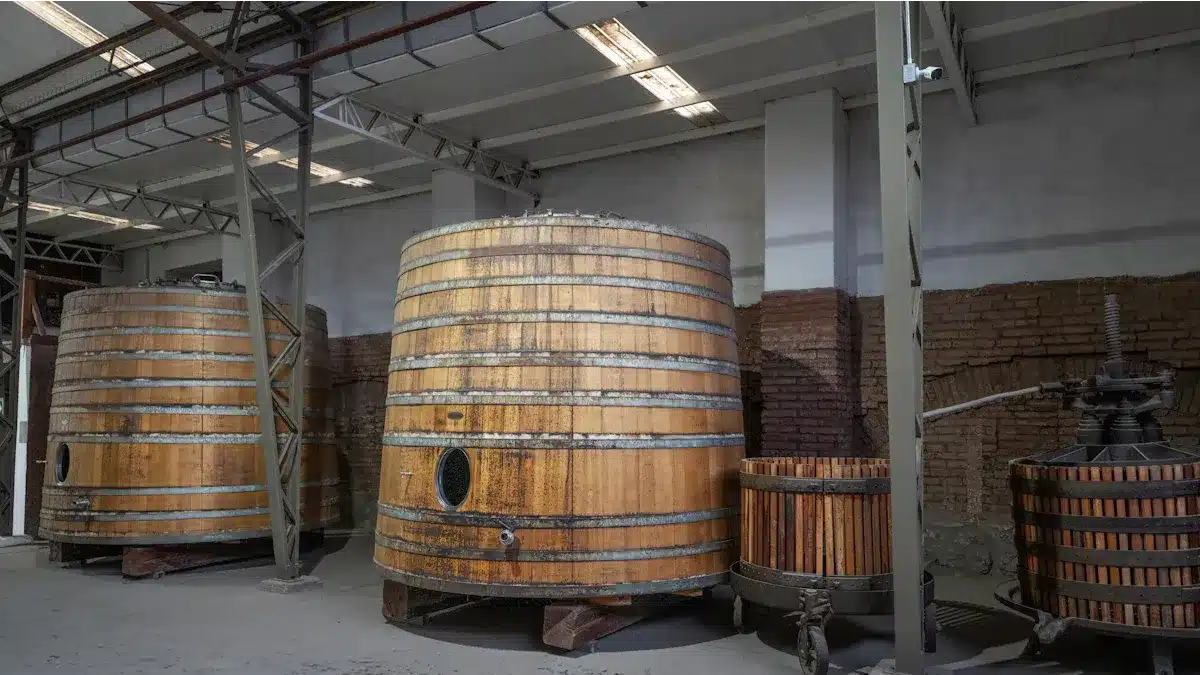
Oak vs. Stainless Steel
Oak and stainless steel tanks each offer something different for home winemakers. Oak tanks add flavors like vanilla and spice to your wine. Stainless steel tanks keep the wine’s natural taste. Oak allows some air in, which can help with aging. Stainless steel limits air, so your wine stays crisp and fresh.
| Feature | Oak Tanks | Stainless Steel Tanks |
|---|---|---|
| Flavor Addition | Adds complexity and flavors (vanilla, spice) | No flavor addition, preserves grape characteristics |
| Oxygen Exposure | Allows for some oxygenation | Limited oxygen exposure |
| Maintenance Cost | Higher, requires replacement | Lower, easy to clean and maintain |
| Aging Potential | Enhances aging potential | Limited aging potential due to lack of oxygen |
| Ideal for | Red wines, some whites (e.g., Chardonnay) | Crisp white wines, fruit-forward styles |
Note: Stainless steel tanks make it easy to control temperature and keep your wine clean. Oak tanks need more care and cost more to maintain.
Choosing the Right Tank
Sizing for Home Winemaking
Choosing the right size for your tank is important for successful winemaking. You need to think about how much wine you want to make each year. Measure your space at home to make sure the tank fits. Plan where you will place the tank so you have enough room to move and clean around it. Some tanks offer special designs, like variable capacity or different bottom shapes, to fit your needs.
Here is a table to help you decide what to consider:
| Factor | Description |
|---|---|
| Capacity | Think about your yearly wine production and batch size. |
| Space restrictions | Measure your available space and headroom for easy access. |
| Design and layout | Plan the number of tanks and their placement for a smooth workflow. |
| Customization options | Look for features like jackets, bottom design, variable capacity, and port configuration. |
Tip: Start with a smaller tank if you are new to winemaking. You can always add more tanks as you gain experience.
Essential Features
When you choose a tank, look for features to help you make better wine. Experts recommend several features to look for in a high-quality stainless wine tank. These features make your work easier and help you get great results.
| Feature | Description |
|---|---|
| Versatility | Use the tank for fermentation, aging, and storage. |
| Variable Volume Tanks | Floating lids create an airtight seal and prevent air exposure. |
| Sample Valves | Take small samples to check your wine without opening the whole tank. |
| Temperature Control | Built-in thermometers help you keep the right temperature. |
| Smaller Tanks | Good for beginners who want to experiment with small batches. |
| Reputable Manufacturer | Choose a trusted company for durable and reliable tanks. |
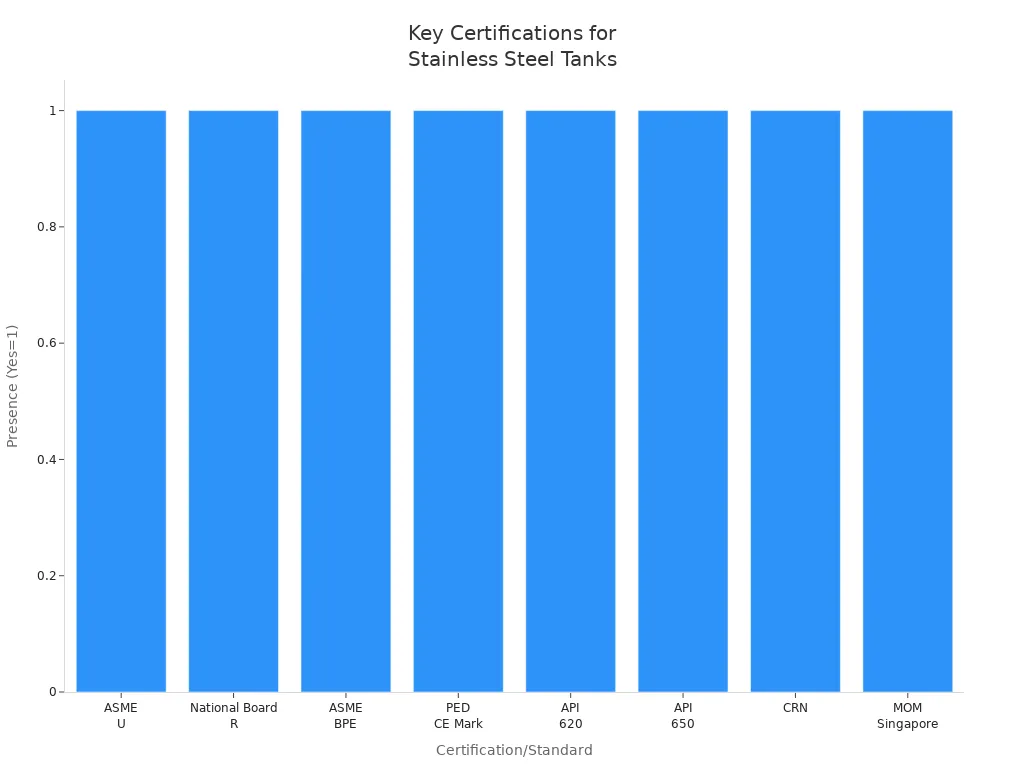
You should also check for certifications and quality standards. Chenma offers both catalog and custom tanks, made in a modern factory with strict quality control. Their tanks meet international standards, such as ISO9001, ISO14001, OHSAS18001, and CE certification. These certifications show that the tanks are safe and reliable.
Checklist for beginners:
- Decide on your batch size and available space.
- Look for features to look for in a high-quality stainless wine tank, such as sample valves and temperature control.
- Check for certifications and quality standards.
- Choose a reputable manufacturer like Chenma for peace of mind.
Setting Up Your Tank
Initial Cleaning
Before you use your new stainless steel wine tank, you need to clean it well. This first cleaning step is very important. New tanks often have residues from the factory. These can include machine oils, welding marks, and even protective compounds used during shipping. If you skip this step, these residues can affect your wine.
Here is a simple cleaning process you should follow:
- Remove any visible dirt or marks from the inside and outside of the tank.
- Wash the tank with an alkaline solution. This helps break down oils and grease left from manufacturing.
- Rinse the tank with clean water to remove the alkaline cleaner.
- Use an acid wash next. This step removes any remaining residues and prepares the surface for winemaking.
- Rinse again with clean water to make sure no cleaning agents remain.
Tip: Always wear gloves and safety glasses when handling cleaning solutions. Good safety habits protect you and your wine.
A thorough initial cleaning gives you a fresh start. Your wine will taste better, and your tank will last longer.
Placement Tips
Where you put your tank matters. The right spot helps you work more easily and keeps your wine safe. Experts suggest a few key tips for placing your stainless steel wine tank:
- Choose a flat, stable surface. This keeps the tank steady and prevents spills.
- If you use open-top tanks, place them where you can watch them closely. Open tops let more air in, which can boost aroma but also needs careful monitoring to avoid contamination.
- For tanks with jackets, pick a spot near a power source. Jacketed tanks help you control temperature, which is important for good fermentation.
- When you are not using your tank, drain and dry it completely. Store it in a clean, dry area. You can also apply a thin layer of food-grade oil to protect the surface.
Note: Good placement and storage keep your tank in top shape and make your winemaking process smoother.
With the right setup, you make your winemaking easier and more successful.
Using Stainless Steel Tanks in Winemaking
Filling and Fermenting
You want to start your winemaking journey with clean equipment. Always sanitize your tanks before you begin. This step keeps your wine safe from unwanted bacteria. Use peracetic acid and let it sit in the tank for at least ten minutes. After cleaning, you can fill the tank with your grape must. Make sure the juice is at the right temperature. For aromatic white wine, cool the juice to about 14 °C. For robust red wine, aim for 26 °C.
Once you have the must in the tank, add your yeast. This starts the fermentation process. Keep a close eye on your wine during this stage. Check the sugar level, or °Brix, twice each day. Use the cooling jacket on your tank to control the temperature. This helps you keep the wine at the best conditions for fermenting in tanks. When primary fermentation ends, move the wine to a clean tank or barrel. Keep the temperature steady at 18 °C for secondary fermentation.
Tip: Careful temperature control during fermentation helps you create wine with better flavor and aroma.
Monitoring Wine
You need to monitor your wine to make sure the process goes smoothly. Modern tools help you track important details inside your tanks. Here is a table that shows some helpful monitoring techniques:
| Monitoring Technique | Description |
|---|---|
| E-nose | Monitors CO, CO2, and alcohol gas levels inside the tank. It also checks lid air temperature and yeast temperature with a stainless steel probe. |
| E-tongue | Measures temperature and pressure in the air gap, specific gravity of fermenting wine, pH, and captures the color of red wines using RGB sensors. |
These tools help you keep your wine safe and high in quality. You can spot problems early and adjust your process if needed. Using stainless steel makes it easier to use these modern monitoring systems.
Maintenance Tips
Routine Cleaning
You want your stainless steel tanks to last and keep your wine safe. Good maintenance starts with regular cleaning. Follow these steps for best results:
- Pre-rinse the tank with clean water to remove loose debris.
- Drain any leftover wine and rinse again with warm water.
- Apply a food-grade alkaline cleaner and let it soak for 15 to 30 minutes. This breaks down any stubborn residue.
- Scrub the tank walls with a soft brush or use a high-pressure water gun.
- Rinse with water to remove the cleaner.
- Use an acidic detergent, like citric or phosphoric acid, to remove mineral deposits.
- Rinse thoroughly with clean water.
- Disinfect the tank with a food-grade disinfectant, such as peracetic acid or ozone water.
- For extra protection, rinse with hot water above 80°C to kill any remaining microorganisms.
Tip: Routine cleaning after each batch makes future maintenance easier and helps you avoid problems with your wine.
Preventing Issues
You can prevent most problems with a few simple habits. Clean your tanks thoroughly after every use. Always use food-grade cleaning agents that are safe for stainless steel. Keep dedicated tools for each tank to avoid cross-contamination. Inspect seals, valves, and welds often for signs of wear or damage. Watch for corrosion during your regular checks.
Store your tanks in a clean, dry place. Use protective covers to keep out dust and scratches. Keep a cleaning log to track your maintenance activities. Stable temperature and humidity in your storage area help protect your tanks and your wine.
Note: Regular maintenance and careful storage keep your tanks in top shape and make your winemaking process smoother.
Troubleshooting Tanks
Leaks and Seals
You may notice leaks in your wine tanks if you see drips or wet spots around the fittings. Leaks can happen for several reasons. Here are the most common causes:
- Corrosion can weaken the tank walls and create cracks. Using harsh chemicals or skipping regular cleaning increases this risk.
- Welding defects sometimes leave weak spots. Poor welding or shallow welds may cause cracks that let liquid escape.
- Gasket failure often leads to leaks at connection points. Faulty gaskets or incorrect installation make the problem worse.
- Mechanical damage, such as bumps or dents, can open up small holes in the tank.
- Overpressure or vacuum conditions may deform the tank and cause leaks.
You should also watch for misalignment, incorrect torque, and poor handling. These issues can damage seals and make leaks more likely. Regular inspections help you catch problems early. Replace worn gaskets and check welds for cracks. Handle your tanks carefully during installation and cleaning.
Tip: Always use the right cleaning products and follow maintenance routines. This keeps your tanks strong and leak-free.
Fermentation Problems
Fermentation in stainless steel tanks sometimes faces challenges. You can solve most problems by following simple steps. Here is a table that shows common issues and solutions:
| Problem | Solution |
|---|---|
| Temperature Control Issues | Check your temperature systems often. Use automated monitors for steady control. |
| Inadequate Cleaning and Sanitation | Clean tanks with CIP systems and strong sanitizers. |
| Pressure Control and Venting Issues | Install pressure-relief valves and monitor gas buildup. |
| Leakage and Faulty Seals | Inspect seals and gaskets. Replace any that look worn or damaged. |
| Agitation and Mixing Problems | Use mixers or CO2 injection to keep yeast moving and prevent settling. |
| Inconsistent Oxygen Exposure | Use tanks with oxygen control features. Monitor oxygen levels to avoid oxidation. |
You can prevent most fermentation problems by keeping your equipment clean and checking it often. Good temperature control and proper mixing help your wine develop the right flavors. Reliable seals and gaskets keep your wine safe during fermentation.
Choosing wine tanks stainless steel for your home winemaking brings lasting value. You enjoy airtight seals, easy cleaning, and true wine flavors. See how these tanks compare:
| Benefit | Description |
|---|---|
| Airtight Seals | Preserve freshness and purity of your wine |
| No Absorption | Showcase the vineyard’s true character |
| Reduced Contamination | Smooth surfaces prevent spoilage and support quality |
| Preservation of Freshness | Maintain vibrant flavors and natural acidity |
You can trust manufacturers like Chenma, Cedarstone Industry, and Letina for quality tanks. Start your journey with wine tanks stainless steel and create wine you feel proud to share.
FAQ
How do you clean a stainless steel wine tank?
You should rinse the tank with warm water. Use a food-safe cleaner and a soft brush. Rinse again with clean water. Dry the tank completely before use. This process keeps your tank safe and ready for winemaking.
Can you use stainless steel tanks for both red and white wine?
Yes, you can use the same stainless steel tank for red and white wine. Clean the tank well between batches. Stainless steel does not hold flavors or odors, so your wine stays pure.
What size tank should you choose for home winemaking?
Choose a tank based on your batch size. For beginners, a 50-100 liter tank works well. If you plan to make more wine, select a larger tank. Always measure your space before buying.
Do stainless steel tanks affect the taste of wine?
No, stainless steel tanks do not add flavors to your wine. You taste only the grapes and yeast you use. This helps you make wine with a clean and fresh taste.
How long do stainless steel wine tanks last?
Stainless steel wine tanks can last for decades. They resist rust and damage. With proper cleaning and care, your tank will serve you for many years.


