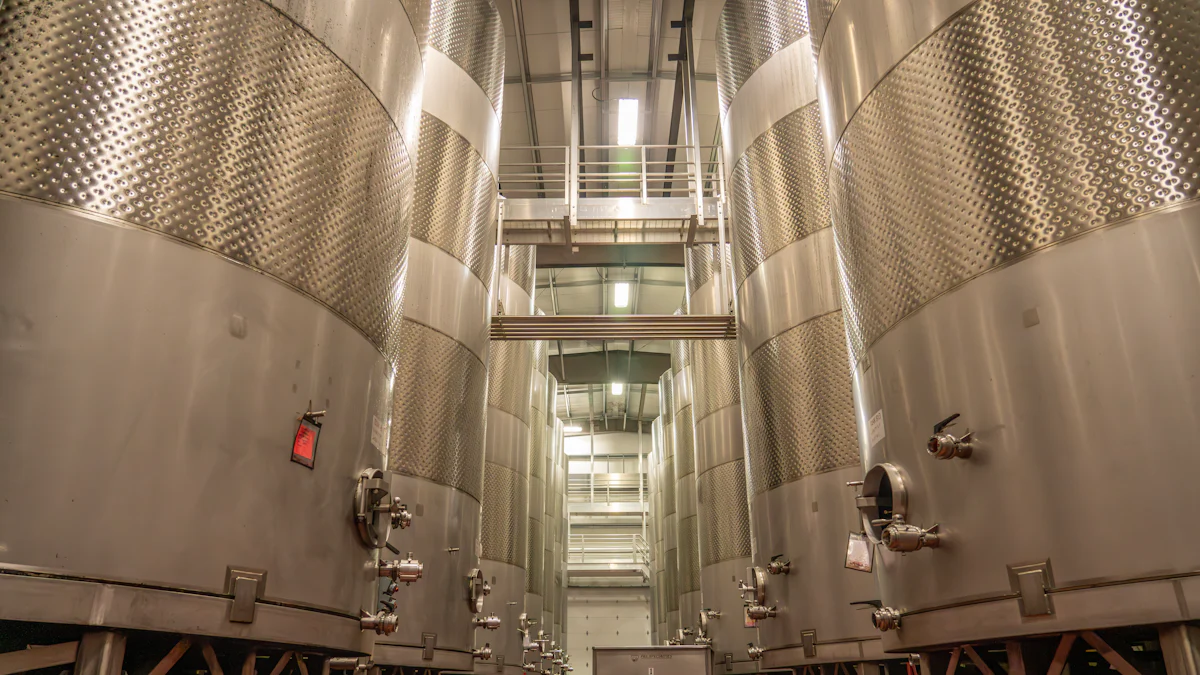

Under normal proper use and regular cleaning, milk does not corrode food-grade stainless steel. This is why stainless steel is the global standard material for dairy storage tanks, processing equipment and milk transportation containers. It meets strict international food safety regulations, resists bacterial growth, and maintains milk purity and flavor throughout storage.
CHENMA stainless steel milk tanks are manufactured from food-grade stainless steel with polished interior surfaces, fully compliant with global dairy hygiene standards to ensure safe, long-term milk storage.
Key Takeaways
- Normal milk storage does not cause corrosion to food-grade stainless steel; issues only arise from long-term residue buildup and improper cleaning
- The passive chromium oxide layer on stainless steel creates a self-healing barrier against the mild acidity of fresh milk
- 304 stainless steel is the industry standard for dairy storage, while 316L is preferred for harsher, high-chloride cleaning environments
- Chloride-based cleaners like bleach are the top corrosion risk for stainless steel milk tanks, not milk itself
- Regular cleaning and routine inspection keep stainless steel milk tanks corrosion-free for 30+ years
Why Stainless Steel Is the Global Standard for Milk Storage

Natural Corrosion Resistance
Stainless steel forms an ultra-thin, self-healing chromium oxide layer on its surface when exposed to oxygen. This passive barrier blocks corrosive substances from reaching the underlying metal. Fresh milk has only very mild acidity, which is not strong enough to break down this protective layer under normal storage conditions.
Superior Hygiene Performance
Food-grade stainless steel has a smooth, non-porous surface that prevents milk residue, bacteria and biofilm from adhering. This makes thorough cleaning easy and reduces the risk of milk spoilage. Unlike concrete or plastic storage, stainless steel leaches no chemicals, off-flavors or color into milk, preserving product quality completely.
Compliance with International Food Safety Standards
Stainless steel milk storage equipment must meet strict global regulatory requirements for food contact safety:
| Standard System | Regulation | Core Requirement |
|---|---|---|
| Global (ISO) | ISO 4551:2022 | Sets corrosion resistance and hygiene requirements for stainless steel food equipment |
| European Union | Regulation (EC) No. 1935/2004 | Mandates that food contact materials must not release harmful substances into food |
| United States | FDA 21 CFR Part 175.300 | Certifies food-grade stainless steel as safe for direct contact with dairy products |
When Can Milk-Related Corrosion Occur?
Milk itself does not cause immediate corrosion. Damage only develops under long-term improper use and poor maintenance, not from normal short-term or even overnight cold storage. Three main conditions can increase corrosion risk:
1. Prolonged Milk Residue Buildup
When milk is left in tanks for extended periods without cleaning, it spoils and becomes more acidic. Over time, accumulated milk proteins and fat residue can trap moisture and acids against the tank surface, gradually wearing down the protective oxide layer. This is a preventable maintenance issue, not an inherent reaction between milk and stainless steel.
2. Chloride-Based Cleaning Chemicals
Chlorides (such as bleach and chlorine-based sanitizers) are the single biggest corrosion risk for stainless steel milk tanks. They break down the chromium oxide passivation layer quickly, leading to pitting corrosion over time. 304 stainless steel is more sensitive to chloride exposure, while 316L offers better resistance thanks to its molybdenum content.
3. High-Temperature, Uncleaned Storage
Warm milk spoils much faster, producing higher acidity that accelerates surface degradation if cleaning is delayed. Cold refrigerated storage slows spoilage and keeps corrosion risk negligible, as long as regular cleaning is followed.
How to Prevent Corrosion in Stainless Steel Milk Tanks

Follow Proper Cleaning Protocols
Clean tanks immediately after each use to remove all milk residue. Use food-grade, non-chlorinated cleaners formulated for stainless steel, and rinse thoroughly with clean water after sanitization. Automated CIP (Clean-in-Place) systems are recommended for consistent, residue-free cleaning results.
Avoid Chloride Contamination
Never use bleach, salt-based cleaners or highly chlorinated water to clean stainless steel milk tanks. If chlorine sanitizers are required for specific food safety protocols, dilute them strictly to recommended concentrations and rinse the tank thoroughly immediately after use.
Perform Routine Maintenance
Inspect tank interiors, seals and welds on a regular schedule. Address any minor discoloration or surface spots early before they develop into deeper corrosion. Regular passivation treatment can also restore the protective oxide layer and extend tank service life.
Conclusion
Milk itself does not corrode food-grade stainless steel under normal operating conditions. Corrosion risks in dairy storage are almost always tied to improper cleaning, harsh chemicals and neglected maintenance — not to the milk itself. With the right material grade, regular cleaning and basic maintenance, stainless steel milk tanks deliver decades of safe, reliable service.
If you need food-grade stainless steel milk storage tanks compliant with international food safety standards, CHENMA offers a full range of sanitary storage solutions for dairy farms, processing plants and food production facilities. Contact our team to discuss your custom storage requirements.
FAQ
Can milk stay in a stainless steel tank overnight?
Yes. When kept at proper refrigerated temperatures, milk can be safely stored in stainless steel tanks overnight with no corrosion risk. Always clean the tank thoroughly after emptying to prevent residue buildup.
Does stainless steel change the taste of milk?
No. Food-grade stainless steel is non-reactive and does not transfer any flavor or odor to milk. This is one of the primary reasons it is the preferred material for commercial dairy processing.
How often should stainless steel milk tanks be cleaned?
Tanks should be fully cleaned and sanitized after every use. Removing milk residue promptly is the most effective way to prevent both bacterial growth and long-term surface corrosion.
Is 304 or 316L better for milk storage?
304 stainless steel meets the needs of most standard dairy storage applications and offers excellent value. 316L is a better choice for facilities that use harsher sanitizers, operate in coastal areas, or require extended service life in demanding conditions.
Can bleach be used to clean stainless steel milk tanks?
It is not recommended. Bleach and other chlorine-based products damage the protective oxide layer on stainless steel and can lead to pitting corrosion over time. Use stainless steel-specific food-grade cleaners instead.