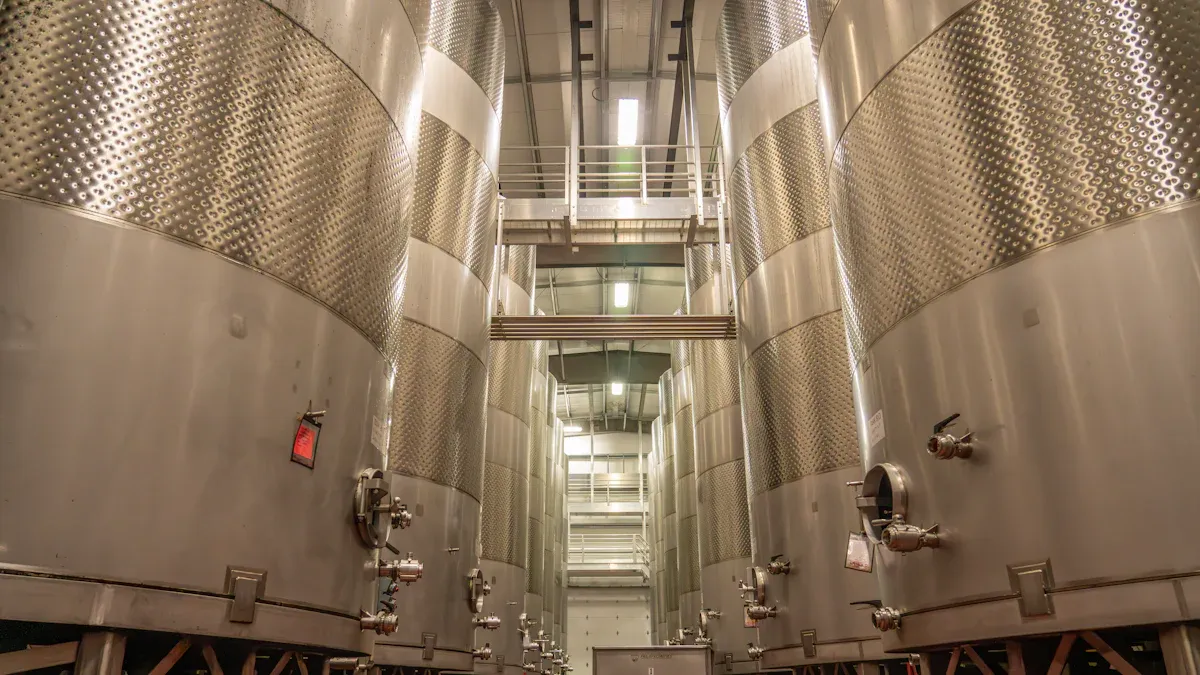

For most residential, commercial, and industrial water storage needs, stainless steel water tanks are an excellent, high-quality choice. They are prized for exceptional durability, hygienic storage performance, and a long service life that far outperforms plastic and concrete alternatives. Grades like 304 and 316 stainless steel resist bacterial growth, prevent chemical leaching, and stand up to harsh outdoor conditions. While they have a higher upfront cost and require careful installation, they deliver strong long-term value for users prioritizing safety and longevity.
Key Takeaways
- Stainless steel water tanks have a service life of 30–50 years, far outlasting plastic and concrete alternatives
- Food-grade stainless steel resists bacteria and algae growth, and leaches no chemicals into stored water
- Upfront costs are higher than other materials, but lower replacement needs deliver better total lifetime value
- Tanks are heavy and require a reinforced foundation; proper planning prevents leaks and structural issues
- Stainless steel is fully recyclable, making it a more sustainable long-term storage option
Core Advantages of Stainless Steel Water Tanks

Exceptional Durability & Long Lifespan
Built from corrosion-resistant stainless steel grades 304 and 316, these tanks withstand consistent water pressure, strong winds, seismic activity, and extreme temperature swings without cracking, bulging, or degrading. Unlike plastic tanks that can crack under UV exposure or cold, and concrete tanks that develop cracks and leaks as they age, stainless steel retains its structural integrity for decades.
| Tank Material | Average Service Life |
|---|---|
| Plastic | 8–12 years |
| Concrete | 15–20 years |
| Stainless Steel | 30–50+ years |
CHENMA tanks use precision welding and seamless interior finishing to eliminate weak points, ensuring the tank maintains its shape and structural reliability for years of continuous use.
Superior Hygiene & Water Quality
Stainless steel has a non-porous, smooth surface that does not absorb water, trap residue, or support bacteria and algae growth. The material leaches no chemicals or off-flavors into stored water, keeping drinking water clean and safe for consumption.
By comparison, concrete tanks can harbor microbes, leach lime, and alter water taste, while plastic tanks may release trace additives over time. CHENMA stainless steel storage tanks are built to strict sanitary standards, with smooth interiors and carefully welded seams that prevent buildup. They are certified for potable water, dairy, wine, and edible oil storage, with credentials including:
- ISO 9001: Quality management system certification
- NSF/ANSI 61: Compliance for safe drinking water contact
- AWWA D103: Industry standard for factory-built steel storage tanks
Long-Term Value & Sustainability
While stainless steel tanks cost more upfront, their extremely long service life means fewer replacements and lower long-term costs. At the end of their usable life, stainless steel is 100% recyclable and can be repurposed into new materials, reducing waste and supporting environmental sustainability.
Potential Drawbacks of Steel Water Tanks
Higher Upfront Cost
Stainless steel tanks have a higher initial purchase price than basic plastic or concrete options, driven by material quality and manufacturing precision. General price ranges include:
- Small residential tanks (100–500 gallons): $1,000 – $3,000
- Mid-size commercial tanks: $3,000 – $10,000
- Large industrial custom tanks: $5,000+
For most users, the decades of reliable service and low maintenance needs offset the higher initial investment.
Heavy Weight & Strict Installation Requirements
Stainless steel tanks are significantly heavier than plastic alternatives, and require a solid, reinforced foundation to support their full weight when filled. Installation often requires lifting equipment and professional setup. Underground installations need properly excavated and stabilized pits, and tanks in high-wind or seismic zones require additional anchoring. Poor installation can lead to leaks or structural shifting, so pre-installation planning is critical.
Corrosion Risk
While stainless steel is highly corrosion-resistant, it is not entirely immune. Highly saline environments, harsh chemical exposure, or surface damage can cause corrosion over time. Choosing the right material grade for your use case eliminates most risk:
| Material Grade | Corrosion Resistance | Best Use Case |
|---|---|---|
| 304 Stainless Steel | High | Drinking water, food storage, general residential/commercial use |
| 316 Stainless Steel | Very high | Coastal areas, chemical storage, industrial and marine applications |
Regular cleaning and annual inspections further prevent corrosion and extend tank life.
How to Choose the Right Stainless Steel Water Tank

For Residential Use
For home water storage, prioritize food-grade 304 stainless steel and select a size matched to your household’s daily water use (typically 80–100 gallons per person), plus extra capacity for emergency backup. Consider climate needs: add insulation for freezing climates, and select a UV-stable exterior for full sun exposure.
For Commercial & Industrial Use
Food and beverage, pharmaceutical, and municipal water applications require tanks with official food-safe and sanitary certifications. For industrial or chemical storage, select 316 stainless steel for enhanced corrosion resistance. Larger industrial installations should also account for foundation load capacity and custom plumbing connections.
For Custom Requirements
Specialized use cases — such as wastewater treatment, agricultural storage, oil and gas, or chemical processing — often need custom tank sizes, shapes, ports, and linings. Working with an experienced manufacturer ensures the tank is built to match your exact operational needs. CHENMA offers fully custom stainless steel tank solutions, including compatibility with existing facility systems and retrofitting for older setups.
Conclusion
Stainless steel water tanks are an excellent choice for anyone prioritizing clean, safe, long-lasting water storage. Their unmatched durability, hygienic performance, and sustainable design make them a strong investment for residential, commercial, and industrial use, despite the higher upfront cost.
Whether you need a standard residential storage tank or a custom industrial solution, CHENMA’s certified stainless steel tanks deliver reliable performance and long-term value. Contact our team today to discuss your storage needs and find the right tank for your application.
FAQ
What makes stainless steel tanks safer for drinking water?
Food-grade stainless steel has a non-porous surface that resists bacteria, mold, and algae growth. It leaches no chemicals or off-flavors into water, and certified models meet strict NSF/ANSI 61 standards for safe drinking water contact.
How long does a steel water tank usually last?
With proper installation and regular maintenance, stainless steel water tanks last 30 to 50 years. Annual cleaning and periodic inspections help extend lifespan even further.
Can steel water tanks be used outdoors?
Yes, stainless steel tanks perform very well outdoors. The material resists UV damage, temperature swings, and harsh weather. For extreme climates, add insulation for freeze protection or structural anchoring for high-wind areas.
Are steel water tanks easy to clean?
Yes. The smooth, welded interior surface resists buildup and is easy to rinse clean. Most users only need to flush and inspect the tank once per year, making maintenance very low-effort compared to concrete or plastic.
Is it possible to recycle a steel water tank?
Yes, stainless steel is 100% recyclable. At the end of its service life, the tank material can be melted down and reused for new products, reducing waste and environmental impact.