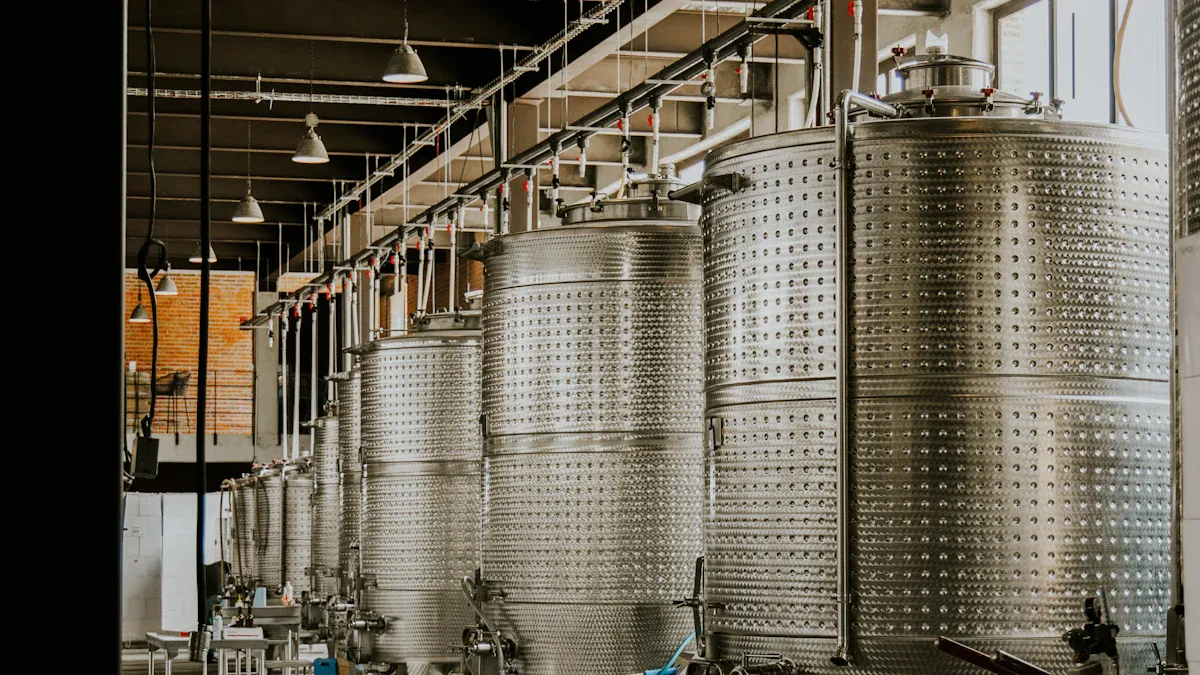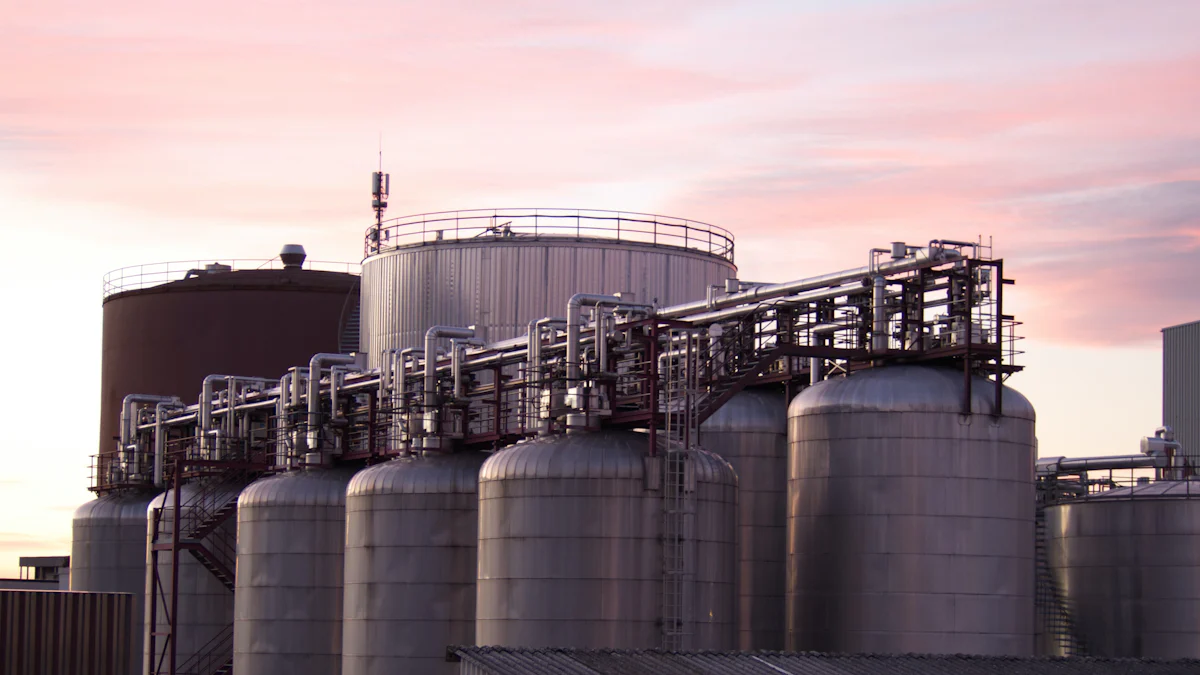
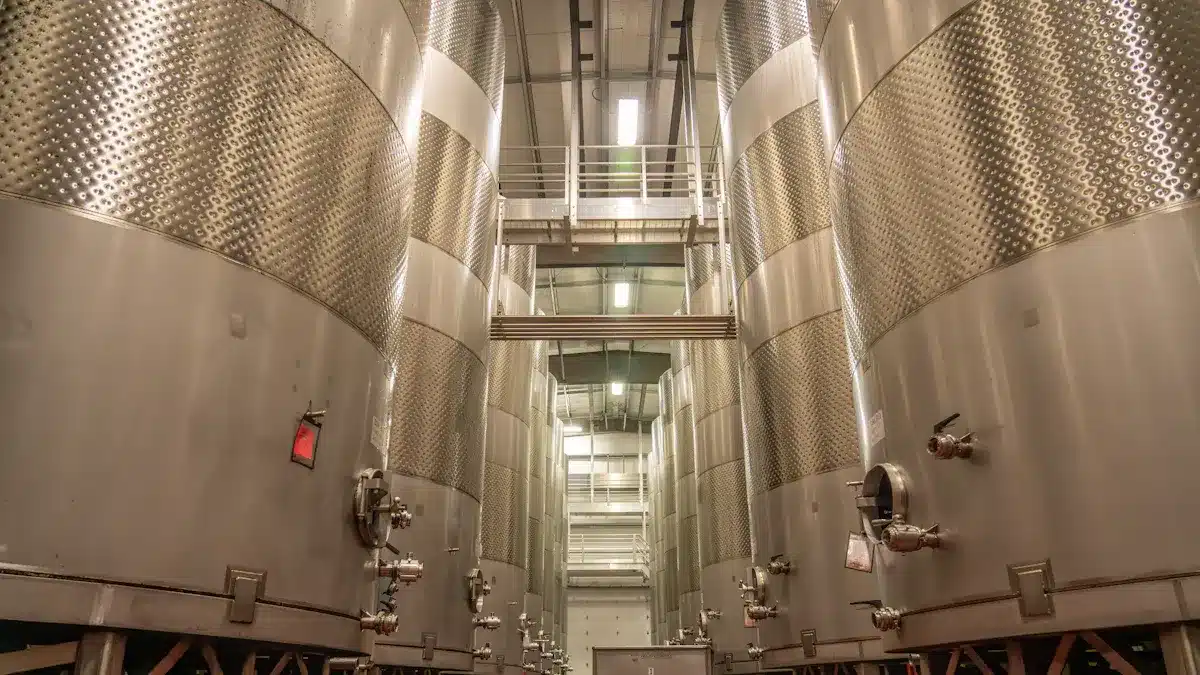
The design of a stainless steel wine fermentation tank is highly functional. Each component serves a specific purpose during the wine fermentation process. Understanding the anatomy of these types of stainless steel wine fermentation tanks reveals how they provide winemakers with superior control. The thoughtful engineering of a Stainless Steel Wine Tank Manufacturers ensures a smooth and efficient fermentation.
The process of fermenting wine in stainless steel protects the pure flavor of the wine. This control during fermentation is vital. A stainless steel tank allows for a clean fermentation, preserving the final wine’s character.
Precise Temperature Control
Temperature control is one of the most critical factors in the wine fermentation process. A stainless steel tank offers excellent temperature control ability. This control allows winemakers to guide the fermentation and protect the final quality of the wine. The temperature control features of a modern stainless steel tank are essential for producing consistent, high-quality wine.
Glycol Cooling Jackets
Modern stainless steel tanks use glycol cooling jackets for precise temperature management. These jackets are channels on the exterior of the tank. A cooling fluid, typically a glycol solution, circulates through them. This system can cool or gently heat the contents of the tank. Glycol systems often operate at pressures between 125 and 250 PSI to ensure efficient circulation. This powerful feature gives winemakers direct command over the fermentation process, maintaining the ideal environment inside the stainless steel vessel.
Preventing Off-Flavors
The fermentation process creates heat. Uncontrolled temperatures can stress the yeast, leading to the development of off-flavors in the wine. Proper temperature management during fermentation is vital for preserving the wine’s desired aromatic profile. Each wine style has an optimal fermentation temperature range. The ability to control this is a key benefit of fermenting wine in stainless steel.
- Red Wines: Fermentation should occur between 70°F and 85°F (21°C–29°C). This range helps extract the right amount of color and tannins.
- White Wines: Fermentation needs cooler temperatures, typically from 45°F to 60°F (7°C–15°C). This slower fermentation preserves delicate fruit and floral aromas.
Managing Fermentation Speed
Temperature also dictates the speed of the fermentation process. Warmer temperatures accelerate fermentation, while cooler temperatures slow it down. A winemaker uses the stainless steel tank’s cooling system to manage this pace. A slow, cool fermentation for a white wine helps retain its fresh, vibrant character. A warmer, faster fermentation is often necessary for red wine to develop its structure and complexity. This level of control over the fermentation process ensures the final wine meets the winemaker’s exact specifications.
Anatomy of a Stainless Steel Wine Fermentation Tank

The design of a stainless steel wine fermentation tank is highly functional. Each component serves a specific purpose during the wine fermentation process. Understanding the anatomy of these types of stainless steel wine fermentation tanks reveals how they provide winemakers with superior control. The thoughtful engineering of a stainless steel tank ensures a smooth and efficient fermentation.
Conical Bottoms for Sediment
Many stainless steel fermentation tanks feature a conical bottom. This design uses a natural gravity guidance mechanism. During fermentation, yeast and other solid particles, known as lees, settle out of the wine. The sloped sides of the cone guide these solids to the bottom of the tank. This makes it easy to separate the clear wine from the sediment. The cone angle is typically between 60° and 75° for optimal performance.
| Fermentation Tank Capacity | Recommended Cone Angle |
|---|---|
| 500L–1000L | 60° |
| 1000L–3000L | 60°–70° |
| 5000L or more | 70° or above |
Racking Ports and Sample Valves
A stainless steel tank includes several important ports and valves. A racking port, located just above the conical section, allows winemakers to transfer the wine to another vessel, leaving the sediment behind. A sample valve lets the winemaker take small amounts of wine for testing without disturbing the fermentation. These fittings are crucial for monitoring the wine’s progress.
Note: Common sanitary fitting types for these ports include:
Top and Side Manways
Manways are the access doors on a stainless steel tank. They allow for cleaning, inspection, and adding ingredients. The choice between a top or side manway depends on the winery’s needs.
| Feature | Top Manway | Side Manway |
|---|---|---|
| Location | On the top dome of the tank. | On the cylindrical sidewall. |
| Advantages | Provides a better seal to maintain pressure. | Offers easier access for cleaning and removing solids. |
| Disadvantages | Access can be difficult, often requiring a ladder. | Seals require more maintenance to prevent leaks. |
Floating Lid Variable Capacity Tanks
Floating lid tanks are one of the most versatile types of stainless steel wine fermentation tanks. These tanks feature a lid that floats on the surface of the wine. An inflatable gasket seals the lid against the tank walls. This design eliminates headspace, which protects the wine from oxidation. It is ideal for small-batch winemaking or when fermentation volumes change.
Preserving Wine Purity and Flavor
The primary goal of fermenting wine in stainless steel is to protect the grape’s natural character. The unique features of a stainless steel tank work together to preserve the pure flavors and aromas of the wine. This control ensures the final product is clean, fresh, and true to its varietal origins.
The Inert Material Advantage
Stainless steel is an inert material. This means the tank itself imparts no flavor or aroma to the wine during the fermentation process. This neutrality allows the grape’s true personality to shine. The choice of fermentation vessel significantly impacts the final taste.
| Aspect | Oak Barrel Fermentation | Stainless Steel Fermentation |
|---|---|---|
| Flavor & Aroma | Adds vanilla, cedar, and spice notes | Preserves fresh, primary fruit flavors |
This inert quality is why winemakers often choose stainless steel for crisp, aromatic white wines like St. Pepin, where preserving the bright, natural fruit character is essential.
Airtight Environment for Freshness
A stainless steel wine fermentation tank provides a perfectly sealed, airtight environment. This protection is critical for preserving the delicate aromatic compounds that define a wine’s bouquet. During the fermentation process, volatile compounds known as thiols are responsible for many of the desirable fruity and tropical notes in white wines. An airtight stainless steel tank prevents these sensitive compounds from escaping or degrading, locking in the wine’s freshness.
Preventing Oxidation
Oxygen is an enemy of fresh wine. Unwanted exposure to air causes oxidation, which damages the wine’s color and flavor. Signs of oxidation include:
- A brownish tint in white wines.
- Dull, faded colors in red wines.
- Aromas of bruised apple or nuts instead of fresh fruit.
The airtight seal of a stainless steel tank protects the wine from oxygen throughout the fermentation process. This prevention is key to producing a vibrant, stable, and high-quality wine.
Superior Ease of Cleaning
One of the greatest advantages of stainless steel wine fermentation tanks is that they are incredibly easy to clean. The stainless steel surface is non-porous, meaning there are no microscopic crevices where bacteria or old wine residue can hide. This makes the cleaning process simple and effective, preventing cross-contamination between batches. Wineries often use a Clean-In-Place (CIP) system to ensure every tank is perfectly clean. A standard procedure includes:
- Pre-rinse with water to remove solids.
- Caustic wash to dissolve organic matter.
- Intermediate rinse to remove the cleaning agent.
- Final rinse to leave the tank pristine for the next fermentation.
This superior ease of cleaning guarantees a sanitary environment for every batch.
Durability and Long-Term Value
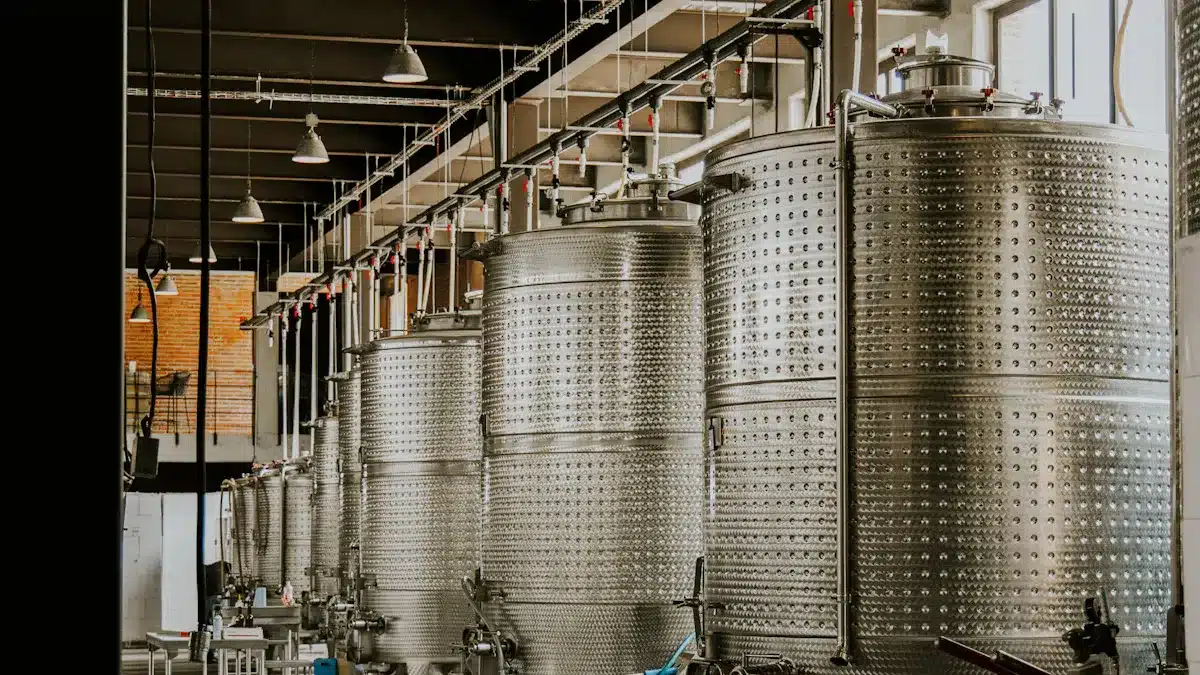
Investing in a stainless steel wine fermentation tank provides significant long-term benefits. The material’s inherent strength and resistance to wear make it a cornerstone of a modern winery’s operations. This durability ensures a long service life and a strong return on investment for any wine production facility.
Corrosion-Resistant Material
Stainless steel offers excellent corrosion resistance. While grade 304 stainless steel is common, grade 316 steel provides superior protection. The addition of molybdenum in 316 stainless steel makes it highly resistant to chlorides. This is a key advantage, as 304 steel can show corrosion with chloride levels as low as 100 parts per million. Grade 316 steel, however, can withstand much higher concentrations, ensuring the tank remains pristine during the wine fermentation process. This quality protects the wine from any metallic contamination.
Structural Longevity
A stainless steel tank is built to last for decades. Unlike wooden barrels that require frequent replacement or concrete tanks that can crack, a stainless steel vessel maintains its structural integrity. This unparalleled longevity makes it a cost-effective choice for any winery. The robust construction of a stainless steel tank ensures it can handle the pressures of fermentation and cleaning year after year. This durability is one of the key advantages and disadvantages of stainless steel wine fermentation tanks, with the primary advantage being its long life.
Low Maintenance Needs
Stainless steel requires minimal upkeep beyond routine cleaning. A critical step for a new tank is passivation. This process uses a citric acid solution to remove iron particles from the surface and create a protective chromium oxide layer. This enhances the steel’s natural corrosion resistance.
This simple treatment prepares the tank for years of reliable fermentation service. After this initial step, the main requirement is standard cleaning between each wine fermentation, ensuring a sanitary environment for every batch.
Return on Investment
A stainless steel fermentation tank represents a wise financial decision. Its long lifespan and low maintenance needs reduce ongoing costs significantly.
- The initial investment pays off over many years of consistent performance.
- These tanks also hold their value well, offering good resale potential.
- The reliability of a stainless steel fermentation tank helps wineries produce high-quality wine consistently, which is the ultimate return.
Customization and Quality Standards
Modern stainless steel tanks are more than just containers; they are precision tools for wine production. Reputable manufacturers offer extensive customization and adhere to strict quality standards. This ensures every tank perfectly fits a winery’s unique fermentation process and safety requirements.
Custom Tank Engineering
Every winery has different needs. Custom tank engineering allows a winery to get a stainless steel tank built to its exact specifications. Before designing, engineers need answers to key questions.
What size tank will we need and where will it be placed?
Based on the answers, a manufacturer can tailor the equipment. Talented engineers, like those at Chenma, adapt tanks daily. They consider several factors for the ideal fermentation vessel:
- Capacity: The production scale determines the necessary tank volume.
- Space: The available floor area in the winery influences the tank’s shape and dimensions.
- Design: Wineries can choose specific components, such as conical bottoms for sediment or special manways for access.
Turnkey System Solutions
Some manufacturers provide complete turnkey systems for the entire fermentation process. This solution integrates all necessary equipment for a seamless workflow. A winery receives a full setup ready for fermenting wine in stainless steel. These systems often include:
- Pumps: Transfer pumps and screw pumps move the wine and raw materials.
- Hoses: Sanitary hoses connect the different parts of the system.
- Temperature Controllers: Advanced controls manage the glycol cooling jackets, using PT100 sensors to maintain the perfect fermentation temperature for the wine.
This integrated approach simplifies setup and guarantees all components work together efficiently.
Certified Quality and Safety
Safety and quality are essential in making wine. Leading stainless steel tank manufacturers demonstrate their commitment to high standards through official certifications. These certifications confirm that the equipment is safe and reliable for the fermentation process.
- ISO 9001: This certification guarantees the stainless steel tank is made under a strict quality management system.
- CE Marking: This mark shows the tank meets the European Union’s health, safety, and environmental standards.
Choosing a tank from a certified manufacturer like Chenma ensures the final wine is protected by superior quality and safety.
A stainless steel wine fermentation tank integrates key features for total control over the fermentation. This stainless steel tank is a precision instrument for quality wine production, improving the entire wine production process.
The stainless steel material supports a clean fermentation. Choosing a certified stainless steel tank is a foundational investment for fermenting wine in stainless steel.
This ensures a successful fermentation, yielding a clean, quality wine. The final clean wine reflects a superior fermentation process.
FAQ
Why is temperature control vital for wine fermentation?
Temperature control guides the fermentation. It prevents yeast stress, which can create bad flavors. Proper temperature management during fermentation ensures the desired wine style and quality. This is a key part of the process.
Can winemakers age wine in stainless steel?
Yes, winemakers can age wine in stainless steel. This method is ideal for preserving the fresh, fruity character of a wine. The tank protects the product from oxygen without adding any flavors during the post-fermentation period.
What is the purpose of a conical bottom in fermentation?
A conical bottom helps during the fermentation process. It uses gravity to collect sediment at the bottom of the tank. This design simplifies the separation of clear liquid from the solids after fermentation is complete.
How does stainless steel preserve flavor?
Stainless steel is inert, adding no flavor. Its airtight design prevents oxidation during fermentation. This protects the grape’s natural aromas and flavors. The entire fermentation happens in a neutral environment, ensuring a pure final wine.