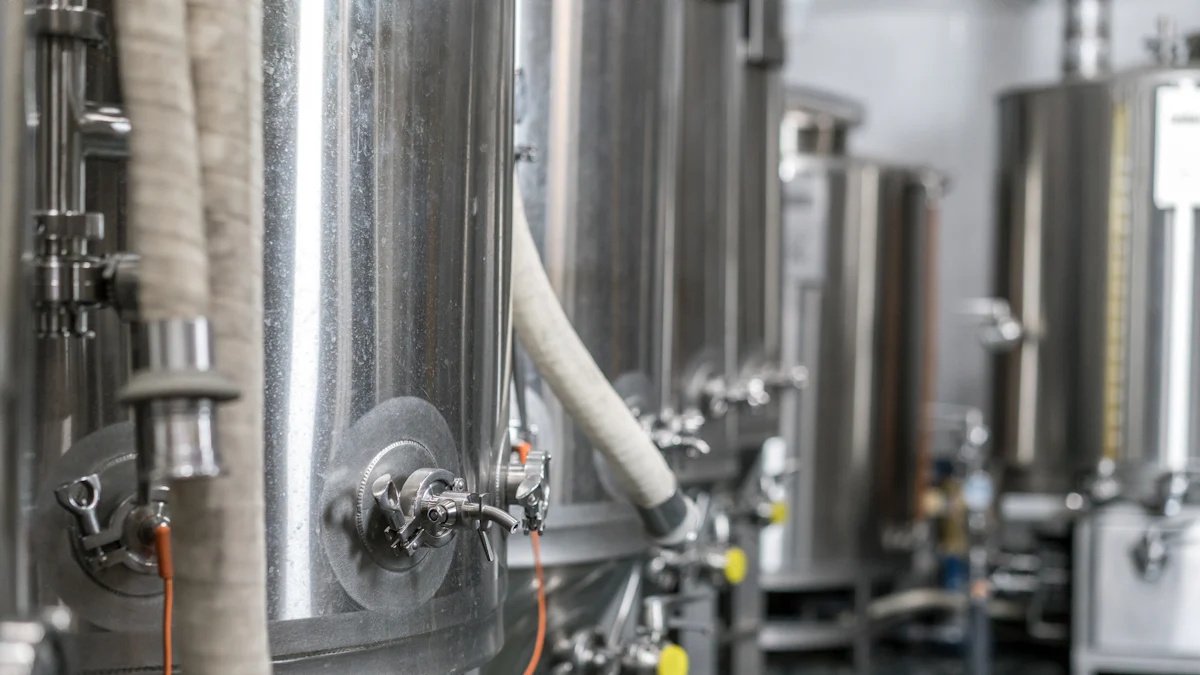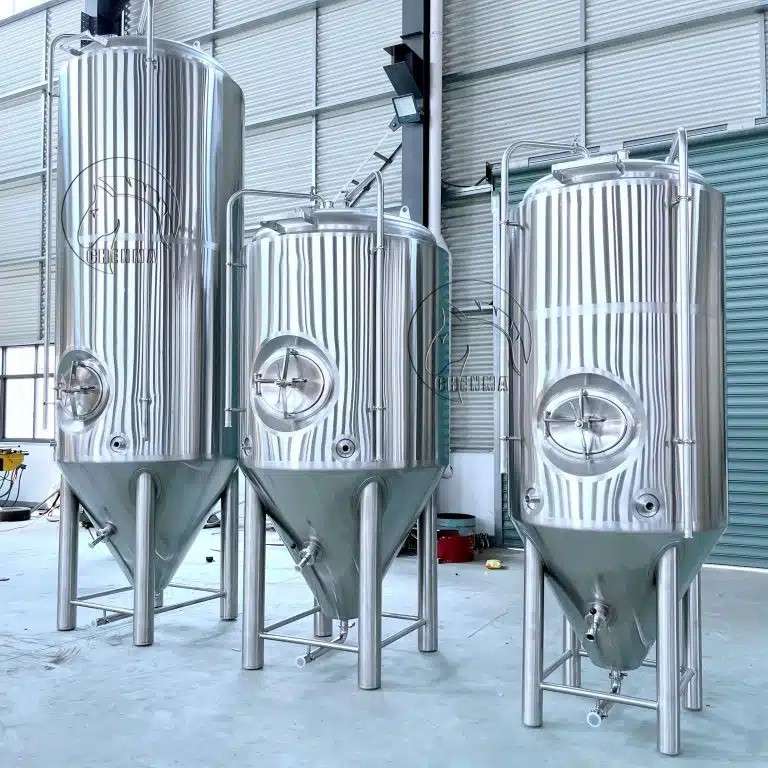
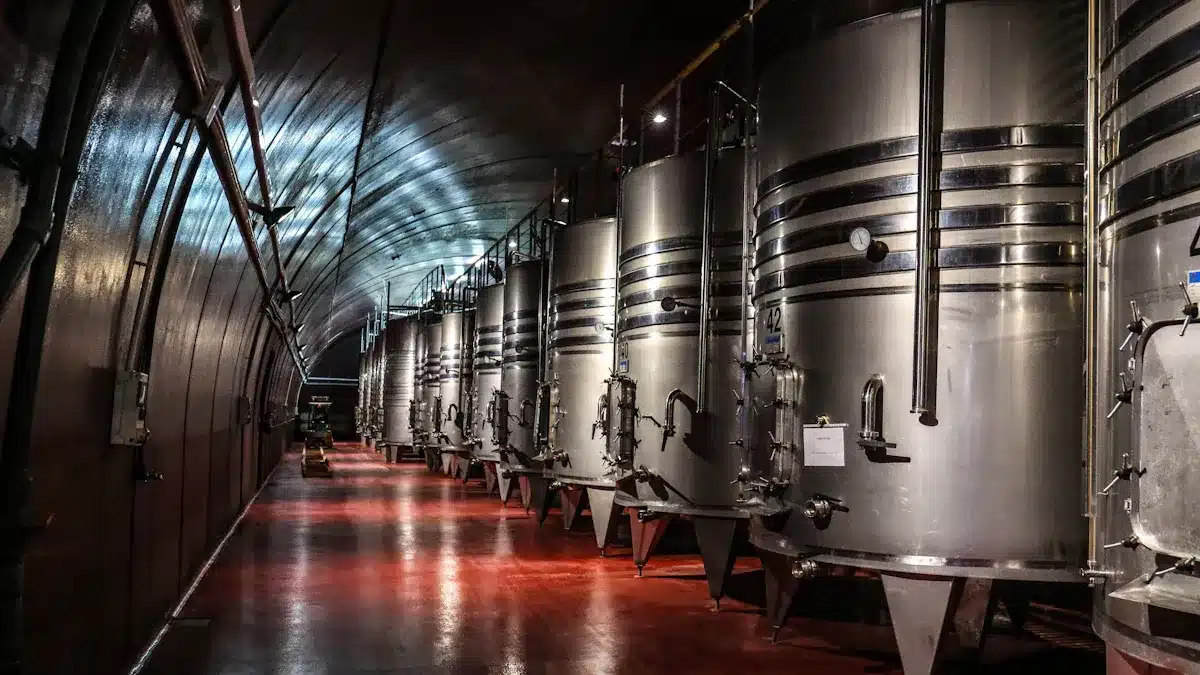
When you choose fermenting wine in stainless steel, you get a lot of practical advantages. Stainless steel wine tanks stand out because they help keep your wine pure and fresh. You can count on these tanks for their durability and easy cleaning. Here are some benefits of stainless steel tanks you might notice:
- The non-porous surface helps prevent contamination and makes cleaning simple.
- Excellent thermal conductivity lets you control fermentation temperatures with ease.
- The airtight design keeps your wine’s flavor true and fresh.
Stainless steel fermentation tanks really make your winemaking process smooth and dependable.
Key Takeaways
- Stainless steel tanks provide excellent temperature control, ensuring consistent fermentation for better wine flavor.
- The non-porous surface of stainless steel makes cleaning easy, reducing the risk of contamination and spoilage.
- These tanks are durable and corrosion-resistant, lasting over 30 years and saving you money on repairs.
- Stainless steel does not alter the taste of your wine, allowing the true flavors of the grapes to shine through.
- You can choose from various tank sizes and custom options to fit your winemaking needs.
Temperature Control in Stainless Steel Wine Tanks
Consistent Fermentation Temperatures
When you use stainless steel wine tanks, you get steady and reliable temperature control. This is important because the right temperature helps your wine develop the best flavors. Here’s why these tanks stand out:
- Stainless steel wine tanks let you control the temperature with precision.
- They have advanced systems that keep the inside cool or warm as needed.
- You avoid sudden changes in temperature, which can hurt your wine.
- Oak barrels do not have this level of control, so your wine might not turn out the same every time.
With these tanks, you can trust that your wine will ferment at the perfect temperature every batch.
Integrated Cooling and Heating Systems
You might wonder how these tanks keep things just right. Stainless steel wine tanks come with several built-in features:
- Cooling jackets wrap around the tank and help keep things cool.
- Some tanks use glycol cooling systems, which move cold water through coils.
- Insulation keeps the temperature steady, even if the room gets hot or cold.
- Some winemakers use refrigerated rooms for even more control.
- Heating systems can gently warm the tank if needed.
- Digital sensors and controllers make it easy to set and check the temperature.
- For small batches, you can even use simple methods like ice packs.
These options give you ideal chilling capabilities and help you manage every step of the process.
Impact on Wine Quality
Precise temperature control does more than just keep things steady. It also makes a big difference in how your wine tastes and ages. Take a look at this table to see how these features help:
| Feature | Impact on Wine Quality and Fermentation Outcomes |
|---|---|
| Temperature stability within 5 °C | Ensures balanced flavors and aromas in wine development. |
| Built-in cooling jackets and insulation | Maintains optimal yeast activity, preserving wine quality. |
| Airtight environment reduces oxidation | Keeps natural acidity and flavor, showing the true grape taste. |
With these benefits, you can create wines that are fresh, flavorful, and ready for wine aging.
Durability and Longevity of Stainless Steel Wine Tanks
Corrosion Resistance
You want your wine tanks to last for years. Stainless steel gives you that peace of mind. The material stands up to moisture, acids, and cleaning agents. You don’t have to worry about rust or stains. Take a look at how stainless steel compares to other tank materials:
| Material | Corrosion Resistance | Durability |
|---|---|---|
| Stainless Steel | High | High |
| Wood | Low | Moderate |
| Plastic | Moderate | Low |
Stainless steel tanks keep their shine and strength, even after years of use. You can rely on them to protect your wine from unwanted flavors or spoilage.
Structural Strength
Stainless steel tanks are built tough. You get a solid vessel that holds up under pressure and weight. The design uses thick plates and sturdy supports. Here’s a quick look at the main parts:
| Component | Material | Thickness | Primary Function |
|---|---|---|---|
| Head Plate | SS304 Stainless Steel | 3mm | Top closure and pressure containment |
| Body Shell | SS304 Stainless Steel | 3mm | Main containment vessel |
| Bottom Section | SS304 Stainless Steel | 3-4mm | Sediment collection and drainage |
| Support Structure | SS304 Stainless Steel | Variable | Weight distribution and stability |
You can trust these tanks to stay strong, batch after batch. They don’t crack or warp, even with heavy use.
Low Maintenance Requirements
Stainless steel tanks make your job easier. You spend less time cleaning and more time making great wine. Here’s what you can expect:
- Daily cleaning with warm water and food-safe cleaners keeps tanks fresh.
- Deep cleaning uses high-temperature rinses and special acids for tough spots.
- No need for fumigation or humidity control like with oak barrels.
- You don’t have to check for cracks or special conditions like concrete tanks.
You save time and effort every day. Stainless steel tanks stay in top shape with simple care.
Did you know? Stainless steel wine tanks can last over 30 years. That’s much longer than mild steel or poly tanks.
| Tank Material | Average Lifespan | Notes |
|---|---|---|
| Stainless Steel | 30+ years | Corrosion resistant, easy to clean, long-lasting |
| Mild Steel | 7 years | Prone to corrosion, shorter lifespan |
| Poly Tanks | 3-5 years | Material breaks down faster |
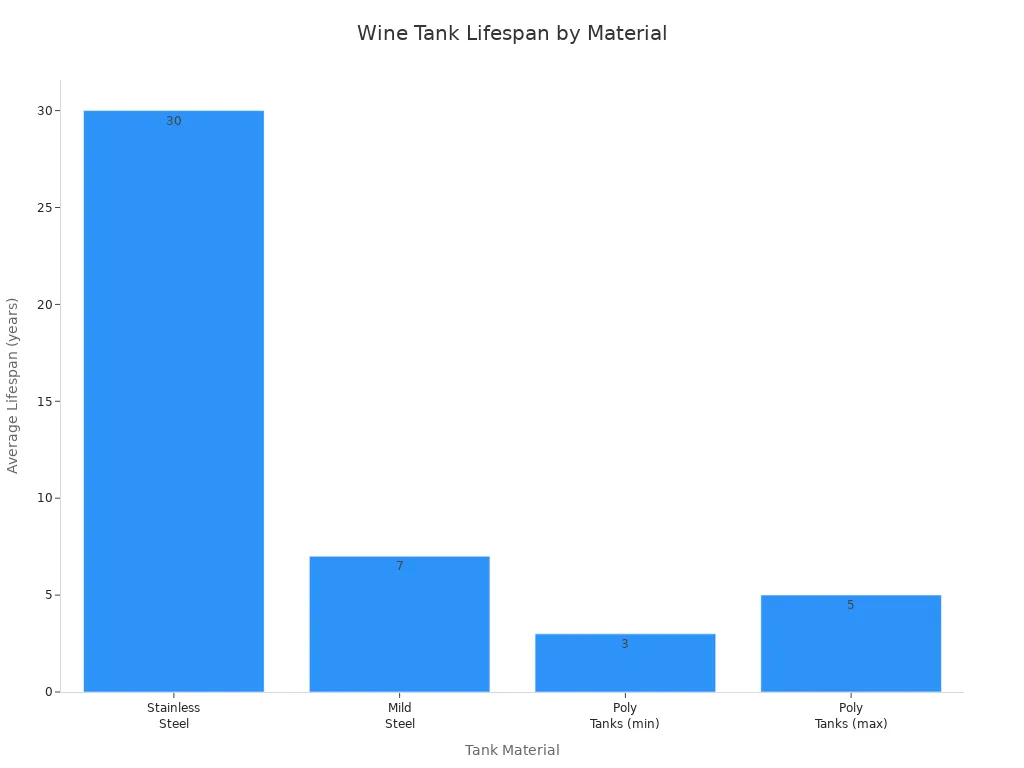
You get a tank that stands the test of time. Stainless steel keeps your wine safe and your process smooth for decades.
Flavor Neutrality When Fermenting Wine in Stainless Steel
Preserving Natural Wine Characteristics
You want your wine to taste just like the grapes you picked. Stainless steel wine tanks help you do that. These tanks don’t add any flavors or smells to your wine. You get the pure taste of your grapes every time. Here’s how these tanks keep your wine true to its roots:
- Stainless steel is inert, so it never changes the taste or aroma of your wine.
- The smooth, non-porous surface keeps out unwanted microbes. Your wine stays clean and fresh.
- Airtight seals stop oxygen from sneaking in. This keeps your wine’s fruit flavors bright and lively.
- You can control the temperature closely, so delicate floral and fruity notes stay strong.
Tip: If you want to show off the natural flavors of your grapes, stainless steel is the way to go.
No Influence from Tank Material
You might wonder if the tank changes your wine’s taste. With stainless steel, you don’t have to worry. These tanks never add anything extra. Your wine tastes just like it should. Here are some reasons why:
- Stainless steel tanks do not impart any flavors to your wine.
- You get the true expression of your grape variety, with no surprises.
- Unlike oak barrels, stainless steel keeps your wine crisp and clean.
- The tanks are airtight, so your wine keeps its natural acidity and freshness.
If you want your wine to taste exactly how you planned, stainless steel gives you control.
Flexibility for Different Wine Styles
You can make many types of wine in stainless steel tanks. These tanks work well for crisp whites, fruity reds, and even sparkling wines. The flavor neutrality lets you highlight the grape and terroir. For example, Sauvignon Blanc and Riesling keep their bright, aromatic notes. Lighter reds like Beaujolais stay fresh and juicy. What you put in is what you get out. There’s no hidden flavor from the tank. This makes stainless steel perfect for winemakers who want to experiment or create classic styles.
Stainless steel wine tanks let you explore new wine styles without changing the taste. You get flexibility and consistency in every batch.
Ease of Cleaning and Sanitation in Stainless Steel Wine Tanks
Smooth Surfaces for Hygiene
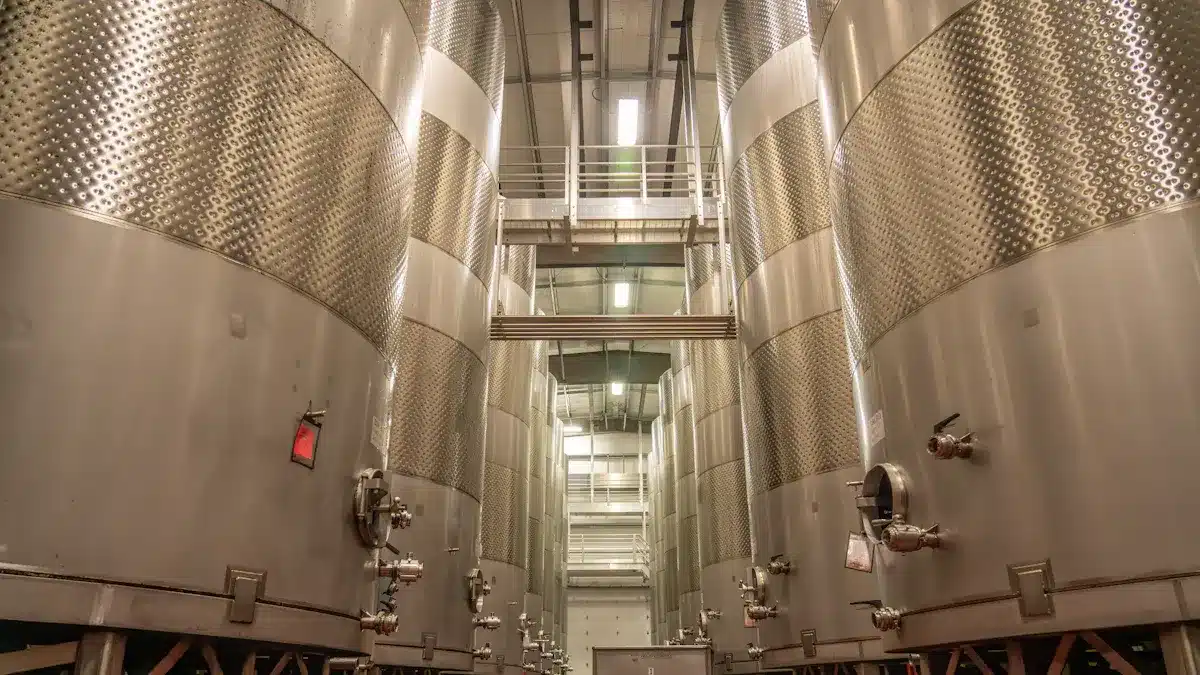
When you look inside stainless steel wine tanks, you notice the smooth, shiny walls. These surfaces don’t have cracks or pores, so dirt and germs can’t hide. You get a tank that’s easy to clean every time. The non-porous design means you can rinse away sticky wine residues and tartrate deposits without much effort. This helps keep your wine pure and safe. The smooth surface also stops bacteria from building up, which is important for making high-quality wine.
Tip: Tanks with smooth surfaces help you avoid unwanted flavors and spoilage. You spend less time scrubbing and more time making great wine.
Simple Cleaning Procedures
You don’t need fancy tools or harsh chemicals to keep your tanks spotless. Cleaning in a winery is a big part of the job, but stainless steel wine tanks make it easy to clean. Here’s a step-by-step guide you can follow:
- Remove all solid particles from the tank’s interior.
- Dissolve large tartrate deposits with hot water.
- Use a high pH cleaner to scrub the stainless steel surface.
- Rinse with a light citric acid solution to neutralize the cleaner.
- Run a sanitizer through the tank before filling it with wine.
You can clean the outside of the tank with warm water and a mild cleaner. Regular cleaning keeps insects and microbes away. Safety matters, so always wear gloves and goggles when handling cleaning products.
Reduced Risk of Contamination
You want your wine to stay fresh and uncontaminated. Stainless steel wine tanks help you do that. The smooth, easy to clean surfaces stop germs and mold from sticking around. You lower the risk of spoilage and keep your wine tasting just how you want. Cleaning and sanitizing the tanks before each batch reduces the number of microbes. You also protect your wine from outside pests by keeping the exterior clean.
| Cleaning Step | Benefit |
|---|---|
| Hot water rinse | Removes tartrate deposits |
| High pH cleaner | Kills spoilage microorganisms |
| Citric acid rinse | Neutralizes cleaner |
| Sanitizer application | Minimizes microbial presence |
With these steps, you keep your tanks easy to clean and your wine safe from contamination.
Oxidation Management in Stainless Steel Wine Tanks
Airtight Seals
You want your wine to stay fresh during fermentation. Airtight seals in stainless steel wine tanks help you do just that. These seals keep air out, so oxygen cannot sneak in and spoil your wine. When oxygen gets inside, it can change the color, aroma, and taste of your wine. Tannins and anthocyanins break down, making your wine look dull and taste flat. You can also use inert gases like nitrogen or carbon dioxide to create a protective layer over the wine. This extra step keeps your wine safe from unwanted oxidation.
- Airtight seals prevent air from entering the tank, minimizing oxygen exposure.
- Excess oxygen can lead to oxidation, which negatively affects aroma, color, and taste.
- Oxidation can decompose tannins and anthocyanins, altering the wine’s appearance.
- Using inert gases like nitrogen or carbon dioxide can create a protective layer over the wine.
- Stainless steel tanks do not react with the wine, ensuring the original flavors are preserved.
- The airtight environment created by these tanks protects the wine from oxidation.
- Consistent results are achieved with every batch due to the controlled fermentation environment.
Controlled Oxygen Exposure
You have more control over oxygen when you use stainless steel wine tanks. Winemakers use different methods to manage oxygen levels. Sometimes, you want a tiny bit of oxygen to help the wine develop. Micro-oxygenation lets you add small amounts of oxygen in a controlled way. This process uses a dosing chamber to regulate the flow, so you never add too much. Inert gas purging is another method. It replaces oxygen in the tank with gases like nitrogen, argon, or CO2. This keeps your wine safe from negative reactions.
| Method | Description |
|---|---|
| Inert Gas Purging | Replaces oxygen in the headspace with inert gases like Nitrogen, Argon, or CO2 to prevent negative reactions with wine. |
| Micro-oxygenation | Controlled introduction of small amounts of oxygen to enhance wine characteristics without causing oxidation. |
Reductive winemaking also helps minimize oxygen exposure. You use stainless steel tanks and inert gas technology to protect your wine during fermentation.
Enhanced Wine Stability
You want your wine to stay stable as it ages. Stainless steel wine tanks resist corrosion, so they work well in acidic environments. Their strong design prevents leaks or damage, keeping your wine safe. Integrated systems let you control fermentation conditions, like temperature and oxygen levels. This keeps yeast activity steady and stops overheating or undercooling. Stainless steel does not absorb odors or flavors, so your wine keeps its true character. Unlike other aging methods, stainless steel preserves the essence of the grape varietal. You get reliable results and better wine aging every time.
Practical Considerations for Fermenting Wine in Stainless Steel
Tank Sizes and Capacities
When you pick a stainless steel wine tank, you have lots of choices. Tanks come in many sizes, so you can find one that fits your batch—big or small. Some winemakers use tanks as small as 100 gallons, while others need tanks that hold up to 10,000 gallons or more. If you want something special, you can even order a custom size.
| Size (Gallons) | Capacity (Liters) |
|---|---|
| 100 | 378.5 |
| 500 | 1892.7 |
| 1000 | 3785.4 |
| 2500 | 9463.5 |
| 5000 | 18927.1 |
| 10000 | 37854.2 |
| Custom Sizes | Available upon request |
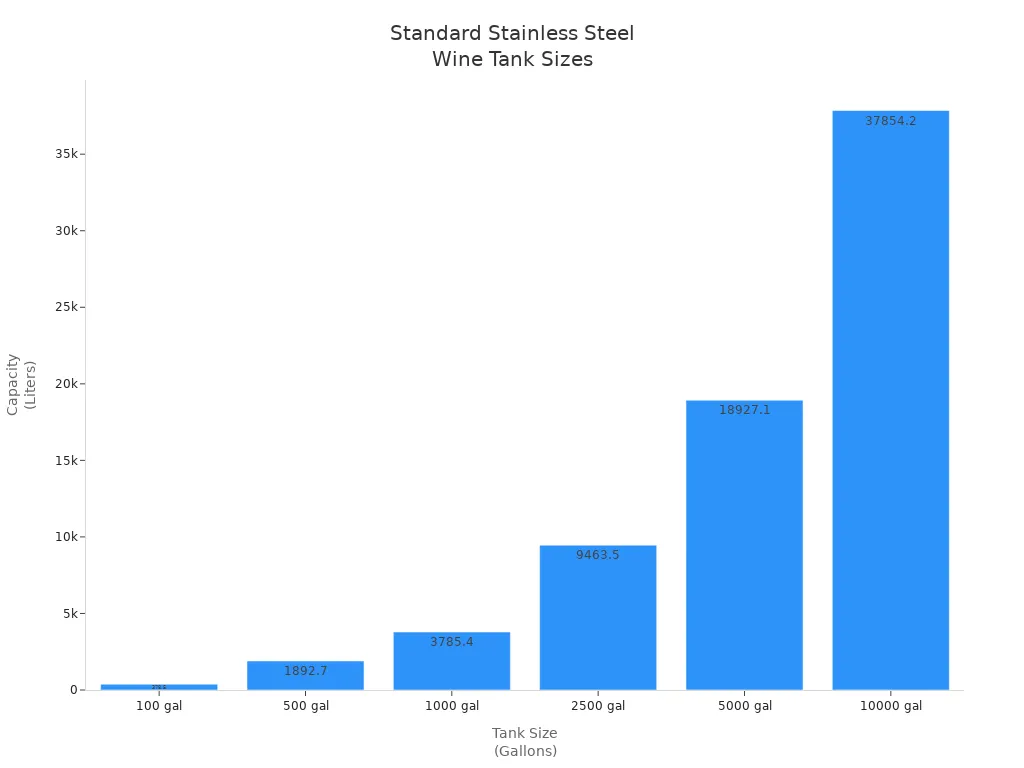
You can see from the chart that there’s a tank for every need, whether you’re making a small batch or running a large winery.
Cost Factors
Stainless steel tanks might cost more at first, but they last a long time and save you money on repairs. Here’s how the prices stack up:
| Material | Price Range (USD) |
|---|---|
| Stainless Steel | $1,000 – $20,000 |
| Oak | $600 – $1,500/barrel |
| Concrete | $3,000 – $15,000 |
| Plastic | $50 – $500 |
You pay more for stainless steel up front, but you get a tank that’s easy to clean and lasts for decades. That means fewer headaches down the road.
Additional Options and Accessories (including SDCHENMA products)
You can make your tank work even better with the right accessories. SDCHENMA offers a range of options to help you get the most out of your equipment.
| Accessory/Option | Description |
|---|---|
| Legs | Support the tank and keep it stable. |
| Dust Cover | Shields your wine from dust and debris. |
| Floating Lid Assembly | Helps seal the tank and control oxygen exposure. |
| Spigot | Makes it easy to pour wine from the tank. |
| Complete Drainage Bottom | Lets you drain every last drop of wine. |
| Tri-Clamp Valve Ferrules | Connects to different valves and fittings for easy use. |
| Rubber Lid Gaskets | Gives a tight seal to keep air out. |
Tip: Custom tanks and accessories from SDCHENMA can match your unique winemaking needs. Just ask about special features or sizes!
When you choose fermenting wine in stainless steel, you get reliable temperature control, easy cleaning, and strong durability. These tanks help you keep wine aging smooth and safe. You can trust the flavor neutrality, which means your wine tastes just like you want. Take a look at this quick table:
| Feature | Why It Matters for You |
|---|---|
| Fermenting wine in stainless steel | Keeps wine aging consistent |
| Smooth, non-porous surface | Makes cleaning simple |
| Built-in temperature control | Protects wine quality |
Think about your production size, budget, and options like SDCHENMA tanks. Fermenting wine in stainless steel gives you a practical way to manage wine aging and create great results every time.
FAQ
What makes stainless steel tanks better for wine fermentation?
You get precise temperature control, easy cleaning, and no extra flavors from the tank. Stainless steel tanks last a long time and help you make wine that tastes just like the grapes you use.
Can I use stainless steel tanks for both red and white wines?
Yes! You can ferment both red and white wines in stainless steel tanks. These tanks work well for many wine styles. You can even use them for sparkling wines.
How do I clean a stainless steel wine tank?
You rinse the tank with hot water, use a food-safe cleaner, and finish with a sanitizer. The smooth surface makes cleaning quick and easy. You spend less time scrubbing and more time making wine.
Are custom sizes available for stainless steel wine tanks?
Absolutely. You can order tanks in many sizes. Some companies, like SDCHENMA, even design custom tanks to fit your space and production needs.