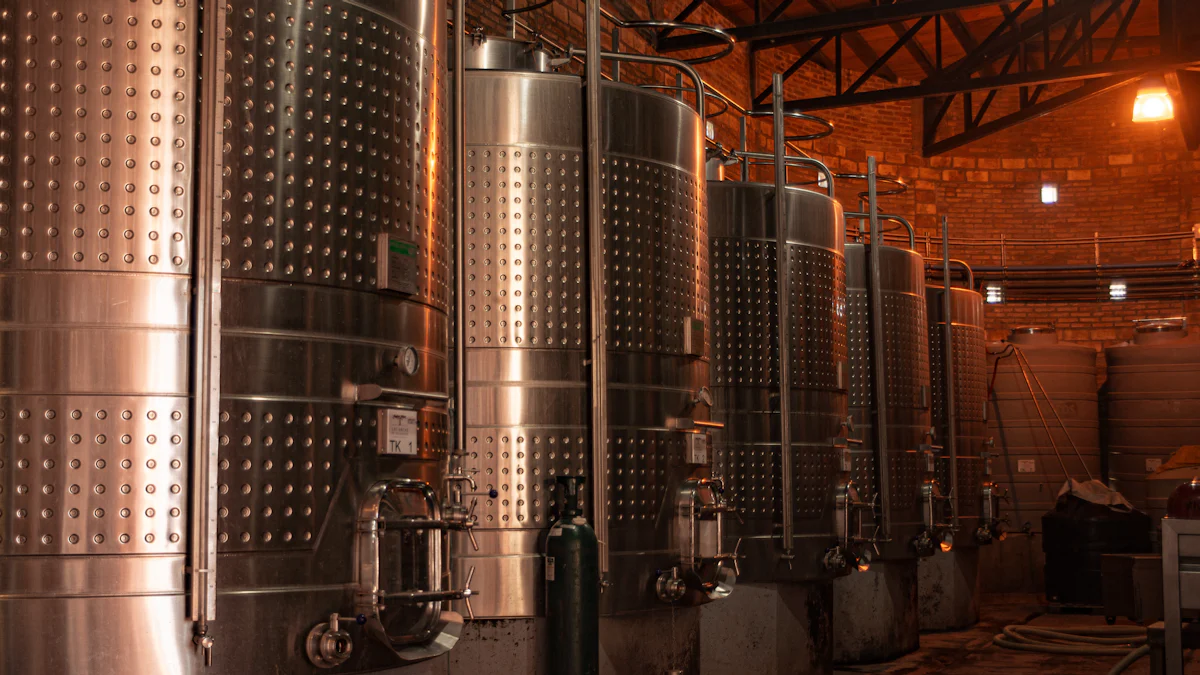
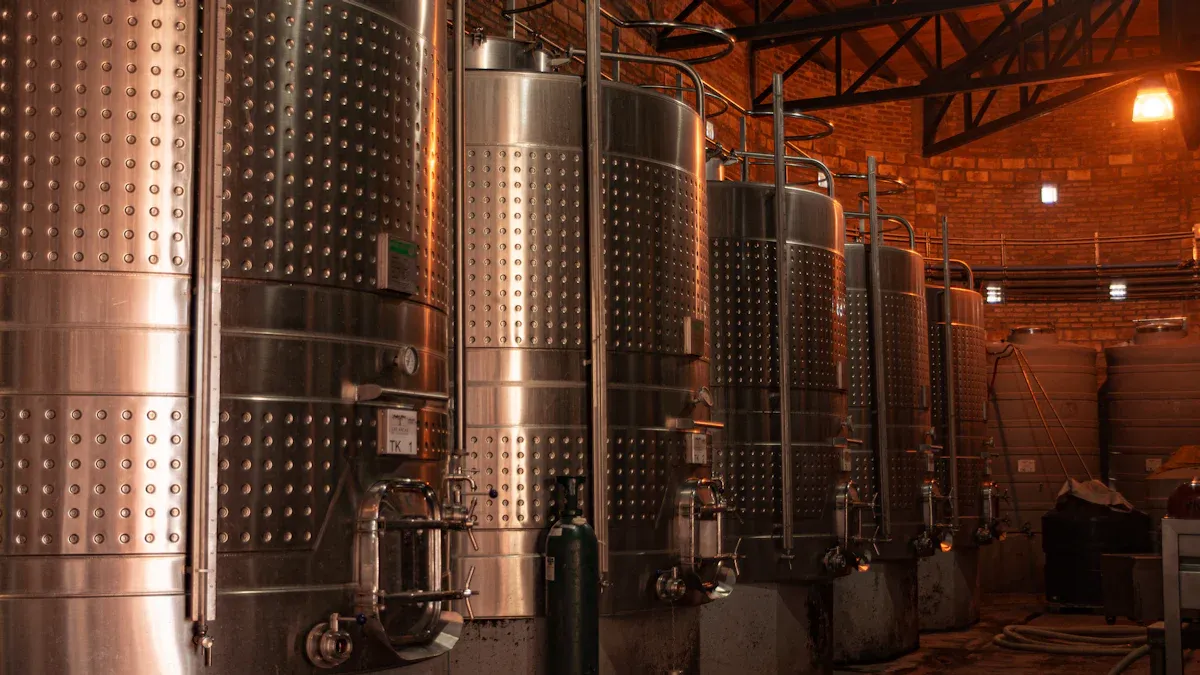
Stainless steel wine tank have revolutionized how wineries produce wine. These tanks also play a crucial role in storing wine. Chenma’s wine tanks utilize advanced technology, enabling winemakers to maintain precise temperature control. This control is vital during the process of fermenting wine in stainless steel, as it preserves the pure and fresh flavors of the grapes. The neutral environment provided by stainless steel ensures that the wine’s taste remains unchanged. Many experts agree that stainless steel wine vats is highly effective, as they help showcase the true character of each grape variety.
Key Takeaways
Stainless steel wine tanks keep the temperature steady. This helps the wine taste fresh and like the grapes. These tanks are simple to clean. They do not need much care. This stops bacteria from growing. It keeps the wine safe to drink. Stainless steel aging keeps the fruit taste strong. This is good for crisp white wines and light red wines. Using both stainless steel and oak barrels makes wine more interesting. Winemakers can mix freshness with new flavors. Picking the right tank depends on the wine type. Stainless steel works best for bright, fruity wines. Oak barrels make wine richer and more complex.
Stainless Steel Tanks for Wine
Modern Winemaking Equipment
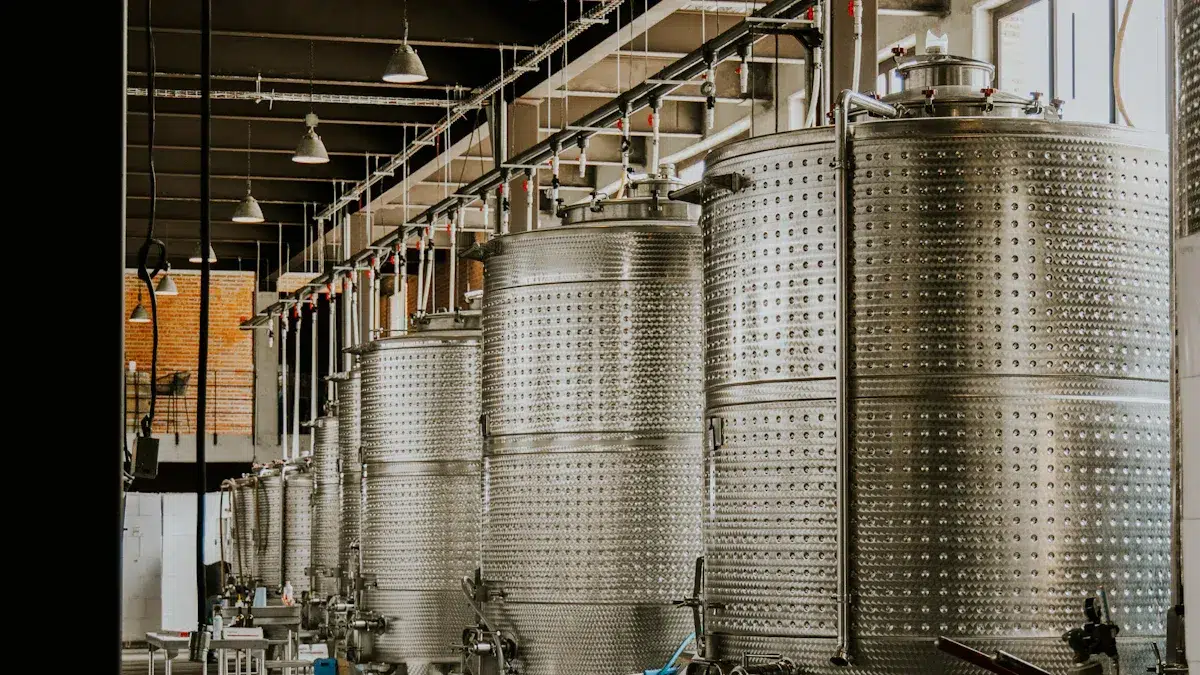
Chenma’s stainless steel tanks are now very important in wineries. The tanks are made from strong AISI 304 and 316 stainless steel. This makes them last longer than wood or plastic tanks. The steel also stops rust from forming. Chenma makes each tank to fit what each winery needs. Their team helps with planning, setting up, and teaching how to use the tanks. This makes things simple for winemakers. The tanks also follow rules like ISO9001 and CE.
Note: New stainless steel tanks help winemakers make clean wine every time.
Here is a table that shows how Chenma’s tanks compare to traditional tanks:
Feature | Chenma Tanks | Traditional Tanks |
|---|---|---|
Customization Options | Tailored to specific winemaking needs | Limited customization |
Compliance with Standards | ISO, CE, and other certifications | Varies |
Turnkey Solutions | Design, installation, and training included | Equipment only |
Airtightness and Freshness
Stainless steel tanks keep air out when wine is made and stored. This seal keeps oxygen away, so the wine does not spoil. The tanks do not take in smells or tastes. This helps the wine stay fresh and fruity. Winemakers know each batch will taste just like the grape.
Stainless steel tanks have smooth surfaces that are not porous.
These surfaces are easy to clean and stop bacteria from growing.
The tanks do not change the taste of the wine.
Temperature Control
Controlling temperature is very important when making wine. Chenma’s tanks let winemakers change and check the temperature. This keeps the process steady and stops problems. Good temperature control helps the wine get the right flavors and smells. Stainless steel tanks give winemakers what they need to make great wine every time.
Advantages of Stainless Steel Wine Tanks
Easy Cleaning and Low Maintenance
Stainless steel tanks have smooth surfaces that are not porous. These surfaces stop bacteria from growing and make cleaning easy. Winemakers do not have to worry about grape pieces or germs sticking inside. Cleaning a wine tank usually has many steps:
Take out all the wine and leftover bits.
Wash the tank with hot water to get rid of dirt.
Use a gentle cleaner to remove grease.
Scrub hard spots with a soft brush.
Wash again with hot water.
Clean with a safe sanitizer for food.
Rinse one more time if needed.
Let the tank dry in the air.
Winemakers use special cleaners for grape leftovers and other cleaners to balance the tank. Hot water and strong sprays help clean well. These steps make it easy to keep tanks clean and safe, so the wine stays good. Chenma helps wineries pick the best ways to clean and care for their tanks for many years.
Tip: Cleaning and checking the tank often keeps both the tank and wine safe.
Preserving Grape Flavors
Stainless steel tanks help keep the real taste of grapes. The tanks keep air out, so oxygen cannot get in. This keeps the wine fresh and full of fruit flavor. The tanks do not add any new smells or tastes. This means the wine stays pure and clean. Winemakers who want to show off grape taste like using stainless steel tanks.
Feature | Stainless Steel Tanks for Wine | Oak Barrels |
|---|---|---|
Oxygen Exposure | Minimal | Moderate |
Flavor Influence | Neutral | Adds oak notes |
Fruit Flavor Preservation | Excellent | Can mask with oak flavors |
Aroma Retention | High | Oak aromas present |
Chenma’s tanks let winemakers close the wine tightly. This helps keep the wine’s sharpness and fresh taste. This is why many people use stainless steel tanks for wines that need to taste bright.
Stable Fermentation Temperatures
Keeping the right temperature is important when making wine. Stainless steel tanks let winemakers control the temperature exactly. Many tanks have cooling jackets to help change the temperature. The tanks do not change with the weather outside, so the wine stays steady. The tanks move heat well, so winemakers can control the process. This helps make wine taste the same every time.
Stainless steel tanks keep the temperature steady during fermentation.
Special systems help keep the tank at the right temperature.
Weather outside does not change the tank’s temperature.
Chenma gives wineries special help with design and engineering. Their team gives advice and support for as long as the tank is used. This makes sure each tank works well and helps make great wine every year.
Stainless Steel Aging vs Oak Barrel Aging
Flavor and Aroma Differences
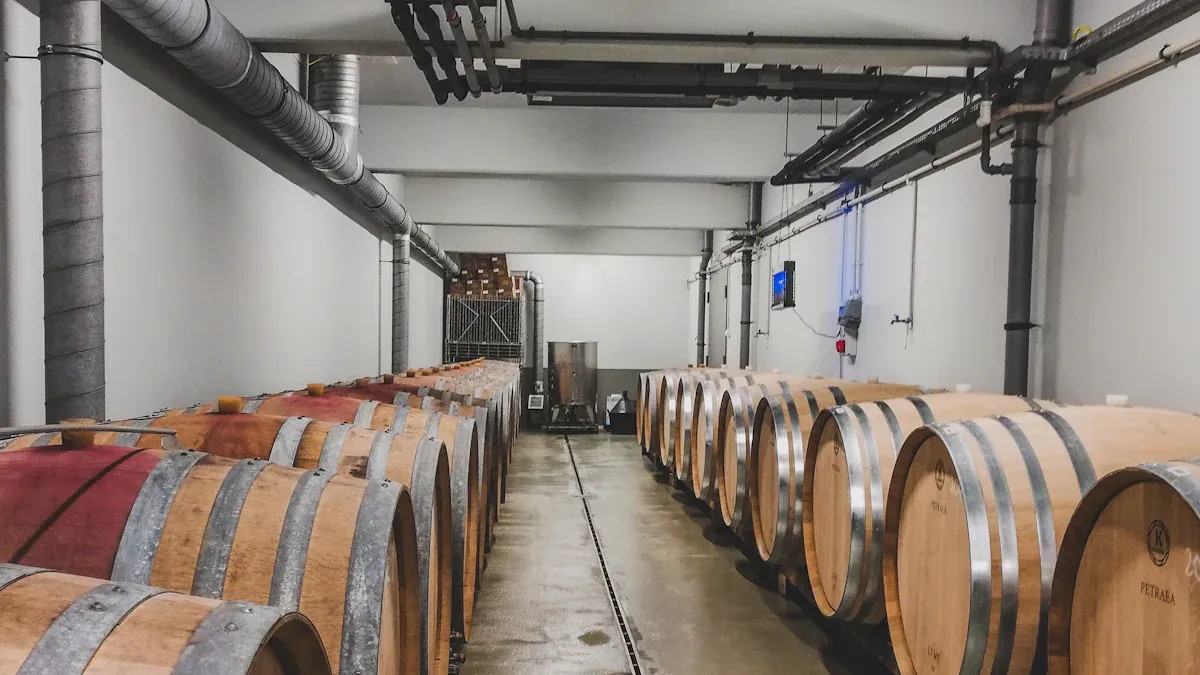
Wineries use different ways to age wine. The two main ways are stainless steel aging and oak barrel aging. Each way changes how the wine tastes and smells. Stainless steel tanks keep the wine’s taste clean. The wine stays fresh and bright. You can really taste the fruit and flowers. Oak barrels give the wine new flavors. These flavors can be vanilla, spice, caramel, or coffee. Oak barrels also make the wine softer and the color darker.
Here is a table that shows the main differences:
Aging Method | Flavor and Aroma Characteristics |
|---|---|
Oak Barrels | Adds hints of vanilla, spice, caramel, and coffee; softens tannins and deepens color through oxygenation. |
Stainless Steel | Preserves pure fruit character; keeps wine fresh, crisp, and bright; highlights fruity and floral notes. |
Tip: People who like clean and fruity wines often pick stainless steel aging. People who want more complex and spicy flavors may like oak barrel aging.
Impact on Wine Texture
How a wine feels in your mouth is called texture. Stainless steel aging keeps the wine’s real flavors. This makes the wine fresh and crisp. The wine feels lively and bright. Oak barrel aging changes the texture. The wine gets smoother and richer. Oak barrels add tannins, which give the wine more body and shape.
Stainless steel aging makes wines that are bright and clean.
Oak barrel aging gives wines more layers and a smooth feel.
Wines aged in stainless steel are fresh and taste like fruit.
Wines aged in oak barrels are spicier and feel creamy.
Winemakers pick the aging way based on the style they want. Some wines taste best when they are crisp and fresh. Other wines need a fuller and richer body.
Suitability for Different Wine Styles
Not all wines do well with the same aging way. Some white wines taste best when aged in stainless steel. These wines keep their natural acid and fruit taste. Examples are Sauvignon Blanc, Riesling, and Pinot Blanc. Oak barrel aging works well for some red wines and some white wines. Red wines like Cabernet Franc, Merlot, and Bordeaux blends get more flavor and a richer body from oak barrels. Chardonnay is a white wine that often does well with oak barrel aging. It gets a creamy feel and spice notes.
Here is a table with examples:
Wine Type | Aging Method | Characteristics Imparted |
|---|---|---|
Red Wines | Oak Barrel | Richer body, layered flavors, complexity |
Examples: Cabernet Franc, Merlot, Bordeaux blends | ||
White Wines | Oak Barrel | Creamy texture, nuanced spice notes |
Example: Chardonnay | ||
White Wines | Stainless Steel | Freshness, fruit-forward character, natural acidity |
Examples: Sauvignon Blanc, Riesling, Pinot Blanc |
A stainless steel wine tank helps winemakers make bright and lively wines. Oak barrels help make wines with more layers and a smooth finish. The choice depends on the wine style and what flavors the winemaker wants to show.
Drawbacks of Stainless Steel Aging
Lack of Oak Complexity
Stainless steel aging keeps wine tasting fresh and clean. But it does not add extra flavors to the wine. Many people like the taste that comes from oak barrels. Oak barrels can give wine flavors like vanilla, spice, or caramel. These flavors make wine taste richer and more interesting. Some people think wines without oak taste simple or not as special. Many people believe oak flavors mean better or fancier wine. The table below shows how different amounts of oak change what people think about wine:
Oak Influence | Preference in Market | Perception of Quality |
|---|---|---|
High Oak | Favored among some audiences for luxury and full-bodied wines | Assumed to be superior |
Low to Moderate Oak | Preferred by those seeking balance and subtlety | Considered high-quality but less overtly luxurious |
No Oak | Sought after by consumers desiring pure fruit expression | Often perceived as everyday or entry-level wines |
Limited Aging Potential
Wines aged in stainless steel tanks are best when young. These wines keep their bright fruit taste and crisp feel. But they do not get new flavors as they get older like wines in oak barrels. Oak barrel aging helps wine change and get richer over time. Stainless steel aging does not let wine grow deeper or more complex with age. Many winemakers use stainless steel for wines that should be enjoyed soon after they are bottled.
Not Ideal for All Wines
Not every wine style is good for stainless steel aging. Some red wines need the structure and tannins from oak barrels. Big reds like Cabernet Sauvignon or Syrah get extra flavors and texture from oak. Stainless steel tanks can heat up or cool down fast. This makes them sensitive to temperature changes. Small wineries may have trouble keeping the right storage temperature. They might also pay more to take care of these tanks.
Stainless steel tanks can change temperature quickly.
Good storage is important, especially for small wineries.
Winemakers need to think about the kind of wine they want before picking how to age it.
Types of Wine Best for Stainless Steel Tanks
Crisp White Wines
Winemakers often use stainless steel tanks for crisp white wines. These wines taste bright and have high acidity. Stainless steel keeps these flavors strong. The tanks do not add new tastes. This lets the grape flavor stand out. Winemakers can set the temperature exactly. This helps keep the wine fresh.
Stainless steel tanks let winemakers control temperature well. This keeps crisp white wines fresh and fruity.
The tanks do not change the wine’s taste or smell. This shows the real grape flavor.
Less oxygen gets in, so the wine keeps its acid and fruit taste.
Sauvignon Blanc, Pinot Grigio, and Riesling taste best in stainless steel tanks.
Tip: If you like lively white wines, you may enjoy those made in stainless steel.
Rosé and Sparkling Wines
Rosé and sparkling wines also do well in stainless steel tanks. These wines need to stay fresh and bright. Stainless steel gives a safe place for these wines.
Benefit | Explanation |
|---|---|
Preservation of Freshness | Stainless steel tanks protect wine from changes. This keeps the wine crisp and fresh. |
Superior Barrier Against Oxygen | Stainless steel does not let oxygen in. This stops the wine from going bad. |
Highlighting Natural Fruit Flavors | Stainless steel helps winemakers show the grape’s real taste. The wine stays bright and fruity. |
Winemakers use these tanks to keep rosé and sparkling wines lively. The wines keep their color and bubbles longer.
Select Red Wines
Some red wines also work well in stainless steel tanks. These reds are lighter and taste fresh. Stainless steel keeps their fruity and flowery flavors strong.
Aging Vessel | Aroma Profile Characteristics |
|---|---|
Stainless Steel Tank | Wines taste fresher and lighter. They do not taste like wood. |
Excellence Barrels (Medium Toast) | Wines have some fruit smells and fewer strong flavors. |
Excellence Barrels (Medium Plus Toast) | Wines get more smells and some new flavors. |
Excellence Barrels (Medium Long Toast) | Wines taste spicy and smoky with strong wood flavors. |
Premium Barrels (Medium Toast) | Wines taste smoky, woody, and spicy with strong flavors. |
Gamay, Lambrusco, and some Pinot Noir are often aged in stainless steel. These wines taste bright and are easy to drink. Stainless steel tanks help winemakers make reds that are fresh and ready to enjoy soon.
Hybrid Approaches and Alternatives
Combining Stainless Steel and Oak
Many winemakers use both stainless steel and oak. This helps them make special wines. They might start by fermenting wine in stainless steel tanks. This keeps the fruit flavors bright and fresh. After that, they move the wine into oak barrels to age. The wine gets more flavors and becomes smoother. Some winemakers mix wines from both tanks and barrels. This lets them control how the wine will taste in the end.
Winemakers can also put oak chips or staves in stainless steel tanks. These pieces give the wine some oak flavor without using barrels. This way saves time and money for winemakers. It also helps them change the flavors more easily.
Tip: Using both stainless steel and oak helps winemakers make wine that is both fresh and complex.
Other Modern Wine Tanks
Some wineries use concrete tanks instead of just stainless steel. Concrete tanks are popular because they have special features. They let a little oxygen reach the wine slowly. This makes the wine feel smoother when you drink it. Concrete tanks also keep the temperature steady during fermentation. This stops sudden changes that could hurt the wine.
Here is a table that compares concrete tanks and stainless steel tanks:
Feature | Concrete Tanks | Stainless Steel Tanks |
|---|---|---|
Micro-Oxygenation | Lets a little oxygen in, makes wine smoother | No oxygen gets in, keeps wine fresh |
Temperature Regulation | Keeps temperature steady during fermentation | Good control, but not as much insulation |
Flavor Contribution | Does not add flavors to the wine | Does not add flavors to the wine |
Both types of tanks do not change the wine’s flavor. Stainless steel tanks keep wine crisp and fresh. Concrete tanks can make wine feel rounder and softer. Winemakers pick the tank that works best for their wine style.
Note: Many modern wineries try different tanks to make new kinds of wine.
Wine Tank Selection and Cost Factors
Production Volume Considerations
Wineries need to know how much wine they will make. Big wineries often pick stainless steel tanks for storing lots of wine. These tanks come in many sizes. Small wineries can find tanks that fit small batches. Small tanks are easy to move. Medium wineries may buy bigger tanks if they want to grow. Big wineries also think about the types of wine they make. Sometimes, using many small tanks is better than one big tank. This helps them make different wines and keep the quality good.
Budget and Design Preferences
The price of a wine tank depends on many things. Here is a table that shows what changes the cost:
Factor | Description |
|---|---|
Material Quality | Better materials cost more because they need careful welding and polishing. |
Tank Capacity | Bigger tanks use more materials, so they cost more. |
Additional Features | Things like temperature control and cleaning systems make tanks more expensive. |
Transportation and Installation | Moving and setting up tanks can cost a lot, especially if they are big or far away. |
Brand Influence | Famous brands may charge more but give better quality and help after you buy. |
Wineries want tanks with special designs. Some want tight seals to keep wine fresh. Others need tanks with cooling jackets or sample valves. Stainless steel tanks work for many kinds of wine. For wines like whites or rosés, tight seals keep flavors bright. Sparkling wines need tanks that can hold pressure. Wineries should not buy tanks that are too big. They can ask experts for help before choosing a tank.
Consulting and Support Services
Picking the right tank is not always easy. Many companies help wineries with this. They offer:
Help before you buy
Help while you buy
Help after you buy
Some companies give full service. They help plan, set up, and fix problems. Long-term help lets wineries solve any issues when making wine. Good help makes sure tanks last and work well for years.
Stainless steel wine tanks are helpful for winemakers. They keep the wine fresh and pure. These tanks stop bad flavors from getting in. They also help the wine taste fruity and bright. Winemakers pick stainless steel or oak tanks for different reasons. It depends on the kind of wine they want to make. The table below shows which wines work best with each tank:
Aging Method | Best For |
|---|---|
Stainless Steel Tanks | Crisp whites, lighter reds |
Oak Barrels | Full-bodied reds, creamy whites |
People can try wines made in stainless steel tanks. They can also ask experts like Chenma for help.
FAQ
What makes stainless steel tanks popular in winemaking?
Stainless steel tanks last a long time. They resist rust and keep wine safe from bacteria. Winemakers like them because they are easy to clean and help control temperature. These tanks also keep the wine’s true flavors.
Can stainless steel tanks affect the taste of wine?
Stainless steel tanks do not add flavors to wine. They keep the wine’s taste pure and fresh. This helps winemakers show the real character of the grapes.
How do winemakers clean stainless steel wine tanks?
Winemakers follow these steps:
Remove leftover wine and solids.
Wash with hot water.
Use a food-safe cleaner.
Rinse and let the tank dry.
Regular cleaning keeps wine safe and tanks in good shape.
Which wines taste best when aged in stainless steel tanks?
Wines that taste bright and fruity do well in stainless steel tanks. Examples include Sauvignon Blanc, Riesling, Pinot Grigio, rosé, and some light red wines.
Wine Type | Stainless Steel Aging Benefit |
|---|---|
Sauvignon Blanc | Keeps flavors crisp |
Rosé | Preserves freshness |
Pinot Noir | Highlights fruit notes |