

Olive oil sticks to stainless steel surfaces. Many cooks notice this when they fry eggs or cook vegetables in pans. Workers in factories also see it when they clean stainless steel oil tank or work with olive oil storage tanks. People use stainless steel olive oil storage tanks to keep the oil fresh and safe. Everyone wants to know how oil acts on these surfaces.
Key Takeaways
Olive oil makes a thin layer on stainless steel. This layer helps stop food from sticking. But it can leave a greasy feel. Preheat stainless steel pans before adding olive oil. This helps the oil spread out and stops food from sticking. Use oils with higher smoke points for high heat. Refined avocado oil or canola oil are good choices. These oils do not burn or stick as much. Clean pans often with warm soapy water. Sometimes use baking soda or vinegar to clean them. This keeps stainless steel pans working well. Stainless steel tanks are great for storing olive oil. They stop the oil from going bad and keep it fresh.
Does Olive Oil Stick To Stainless Steel?
Quick Answer
Olive oil does stick to stainless steel. When someone pours olive oil onto stainless steel pans, a thin layer forms on the surface. This layer does not disappear until someone washes it away. In factories, olive oil leaves a film inside stainless steel tanks. The oil does not bond permanently, but it does not slide off easily. People notice this when they clean cookware or storage tanks.
Scientists have measured how olive oil interacts with stainless steel. They used contact angle tests to compare olive oil and rapeseed oil on different surfaces. The results show that extra-virgin olive oil changes its contact angle depending on temperature and the surface. This means olive oil can stick more or less to stainless steel, depending on how hot the pan is or how smooth the tank feels.
What “Stick” Means For Cookware And Tanks
The word “stick” can mean different things in the kitchen and in factories. In cooking, olive oil sticks to stainless steel pans as a thin layer. This layer helps prevent food from sticking, but sometimes it leaves a greasy residue. When someone fries eggs or vegetables, the oil coats the pan. If the pan gets too hot, the oil can burn and leave brown marks.
In storage tanks, olive oil sticks as a film. Workers see this film when they empty or clean the tanks. The oil does not glue itself to the metal, but it does not wash away with just water. People need soap or special cleaners to remove the oily layer. The film protects the oil from air and helps keep it fresh, but it can also attract dust or dirt if left uncleaned.
Here is a simple table to show the difference:
Situation | How Olive Oil Sticks | What Happens Next |
|---|---|---|
Cooking in stainless steel pans | Forms a thin layer on the pan | Helps prevent food sticking, leaves residue |
Storing in tanks | Leaves a film on tank walls | Protects oil, needs cleaning |
People who use stainless steel pans should know that olive oil will always leave some residue. This is normal and helps with cooking. Workers who use stainless steel tanks must clean the film to keep the oil pure and the tank hygienic.
Why Olive Oil Sticks
Olive Oil Properties
Olive oil has many natural parts. These include fatty acids, antioxidants, and a little water. The oil feels slippery and makes a thin layer on things. Olive oil does not mix with water. When you pour it on stainless steel, it spreads out. The oil’s molecules have parts that like water and parts that do not. This helps the oil stick to metal. Olive oil changes when it gets hot. When it is warmer, the oil gets thinner and spreads more. When it is cold, the oil gets thicker and can even turn solid. This change decides how much oil stays on the surface.
Stainless Steel Surface
Stainless steel looks smooth, but it has tiny bumps and holes you cannot see. These small spots help catch oil and make it stick. The finish of the stainless steel matters too. Some surfaces are shiny and smooth, but others are rough. If the surface is rough, more oil can get into the little spaces. Scientists have checked how roughness and special treatments change how oil sticks. The table below shows some important facts:
Aspect | Description |
|---|---|
Surface Roughness | The nanoporous oxide structure increases surface roughness, enhancing wettability to water. |
Hydrophobizing Effect | The hydrophobizing process increases the static contact angle from 11.3° to 141.1°, indicating a transition to a more hydrophobic surface. |
Impact on Olive Oil | A more hydrophobic surface can better repel water and potentially reduce residue formation from olive oil. |
A hydrophobic surface, which means it pushes away water, can help stop olive oil from sticking as much. This means tanks or pans with special finishes can be easier to keep clean.
Oil And Metal Interaction
When olive oil touches stainless steel, it spreads out and makes a thin film. The oil’s molecules touch the metal’s surface. Temperature and humidity are important in this process. Stainless steel tanks keep olive oil at the right temperature, usually between 13 and 25°C. This keeps the oil from breaking down or getting too thick. If it gets too hot, the oil can go bad and leave more residue. If it gets too cold, the oil can turn solid and stick even more. Humidity matters too. High humidity can make water form on the metal. This can cause problems or spoil the oil. Keeping the air and temperature steady helps keep the oil good and stops it from sticking.
Olive Oil In Cooking
How To Use Olive Oil On Stainless Steel Pans
Many home cooks and chefs use olive oil when cooking with stainless steel pans. They follow best practices to get the best results and avoid sticky residues. Here are some steps to help:
Preheat your pan before adding any oil. This step helps the oil spread evenly and prevents food from sticking.
Add oil after preheating. This method is called “hot pan, cold fat.” The oil heats up quickly and forms a thin layer.
Wait for the oil to shimmer and thin out. This sign shows the oil is ready for cooking.
Place the food in the pan and let it cook. Use a spatula to test if the food releases easily before flipping.
Clean the pan well after each use. This habit keeps the surface smooth and reduces sticky residue.
Professional chefs often choose refined or light olive oil for stainless steel pans. These oils handle medium to high heat better than extra-virgin olive oil. Extra-virgin olive oil works best for lower heat cooking, such as sautéing vegetables or delicate fish.
Tips To Prevent Food Sticking
Cooking with stainless steel can lead to sticky residues if not done right. Here are some tips:
Always dry food before placing it in the pan. Moisture can cause sticking.
Do not overcrowd the pan. Give each piece of food space to cook.
Use moderate heat. Olive oil works well for sautéing and gentle frying.
Choose oils based on their smoke points. This choice prevents burnt flavors and sticky residues.
Tip: Let the food cook until it naturally releases from the pan. Forcing it can cause tearing and more sticking.
Cleaning Olive Oil Residue
Stainless steel pans often collect sticky residue after cooking. Cleaning them well keeps them looking new and working well. Try these methods:
Wash with warm water and a little soap using a soft cloth. This step removes most grease and dirt.
For tough stains, sprinkle baking soda on the area and let it sit for a few minutes before scrubbing.
Use vinegar to remove water spots and grime. Many cleaning experts recommend this for shiny results.
Regular cleaning stops sticky residues from building up and keeps stainless steel pans in top shape.
Cooking Oil Smoke Point
Olive Oil Smoke Point
The cooking oil smoke point tells cooks when an oil starts to burn and break down. Olive oil has a smoke point that depends on its type. Regular olive oil reaches its smoke point at about 221˚C (430˚F). This temperature makes it good for frying, roasting, and grilling. Extra virgin olive oil has a lower smoke point, so it works best for gentle cooking. Many chefs choose oils with high smoke points for tasks like searing meat or stir-frying vegetables.
Here is a quick look at how olive oil compares to other common oils:
Regular olive oil: Smoke point around 221˚C (430˚F)
Extra virgin olive oil: Smoke point lower than regular olive oil
Canola oil: Smoke point about 204˚C (400˚F)
Sunflower oil: Smoke point about 232˚C (450˚F)
Avocado oil: Smoke point about 271˚C (520˚F)
Choosing the right oil helps cooks avoid burning and keeps food tasting fresh.
Why Smoke Point Matters For Stainless Steel
Stainless steel pans and tanks handle heat well, but the cooking oil smoke point still matters. When cooks heat olive oil past its smoke point, the oil changes. It can form unwanted chemicals and leave sticky residues on the pan. These changes make cleaning harder and can affect the taste of food.
The table below shows what happens when olive oil gets too hot:
Effect of Overheating Olive Oil | Description |
|---|---|
Formation of degradation products | Oil breaks down and forms new compounds |
Creation of toxic by-products | Chemicals like aldehydes and lipid peroxides appear |
Production of acrolein | This substance can cause inflammation and health problems |
Heating oil beyond its cooking oil smoke point can lead to health risks. Acrolein, for example, links to diseases such as cancer and Alzheimer’s. Cooks should watch the temperature and use oils with high smoke points for high-heat cooking. This practice keeps food safe and pans clean.
Best Oils For Stainless Steel Cooking
Top Choices For Non-Stick Results
Many cooking experts suggest using certain oils with stainless steel pans. These oils help food not stick and make cooking easier. The best oils for stainless steel cooking depend on how hot they can get, their taste, and how you can use them. Chefs pick oils that work well at high heat and do not leave much behind. Here is a table with some popular choices:
Cooking Oil | Smoke Point | Flavor Profile | Best Uses |
|---|---|---|---|
Refined Avocado Oil | High | Neutral | Searing, frying, sautéing |
Grapeseed Oil | Moderately High | Mild | Everyday cooking |
Refined Olive Oil | Medium to High | Subtle, pleasant | Various cooking methods |
Refined avocado oil is good because it can get very hot and does not taste strong. Grapeseed oil has a light taste and works for most meals. Refined olive oil tastes nice and can be used in many ways. These oils are called the best oils for stainless steel cooking since they stop food from sticking and let cooks use more heat.
People say nonstick pans are easy to clean and need less oil. Stainless steel pans last longer and cook food better. Many people use the best oils for stainless steel cooking to get great results with their pans.
When To Use Olive Oil
Olive oil is still very popular in kitchens. People like it for its taste and how many ways it can be used. The best oils for stainless steel cooking include olive oil for a few reasons:
Olive oil is good for medium heat, like sautéing meat or roasting veggies.
It gives food flavor, not just a slippery surface.
Stainless steel pans work well for high heat, which helps brown meat and caramelize veggies.
Olive oil can handle these temperatures, so it is great for searing and browning.
Stainless steel pans often work better than nonstick pans. Nonstick pans cannot get as hot and you cannot use all tools with them. Stainless steel lets cooks use the best oils for stainless steel cooking, like olive oil, for more recipes.
Chefs and home cooks pick the best oils for stainless steel cooking based on what they are making, the taste they want, and how they cook. Olive oil works for many dishes and is a favorite for people who care about flavor and good results.
Worst Oils For Stainless Steel Cooking
Oils To Avoid
Many cooks want to know which oils work poorly with stainless steel pans. The worst oils for stainless steel cooking often have a low smoke point. These oils burn quickly and leave sticky residues on the pan. Butter, unrefined coconut oil, and flaxseed oil are common examples. When heated, they break down and form brown spots or sticky layers. This makes cleaning harder and can change the taste of food.
Here is a simple list of oils to avoid:
Butter
Unrefined coconut oil
Flaxseed oil
Unrefined sesame oil
These oils do not handle high heat well. They start to smoke and burn at lower temperatures. Many chefs recommend using oils with higher smoke points for stainless steel pans. The worst oils for stainless steel cooking can also create unwanted flavors and odors.
Note: Low smoke point oils may work for salad dressings or gentle sautéing, but they do not suit frying or searing in stainless steel cookware.
Why Some Oils Stick More
Some oils stick more because of their chemical makeup and smoke point. Low smoke point oils contain more impurities and delicate compounds. When heated, these compounds break down and form sticky residues. Stainless steel pans get very hot, so oils with low smoke points burn faster.
The table below shows how smoke point affects sticking:
Oil Type | Smoke Point | Tendency to Stick |
|---|---|---|
Butter | Low | High |
Flaxseed Oil | Low | High |
Unrefined Coconut Oil | Low | High |
Refined Avocado Oil | High | Low |
The worst oils for stainless steel cooking often leave a film that is hard to remove. Low smoke point oils also produce more smoke and can make the kitchen smell bad. Choosing oils with higher smoke points helps prevent sticking and keeps pans clean.
Stainless Steel Oil Tank Storage

Benefits For Olive Oil And Other Edible Oils
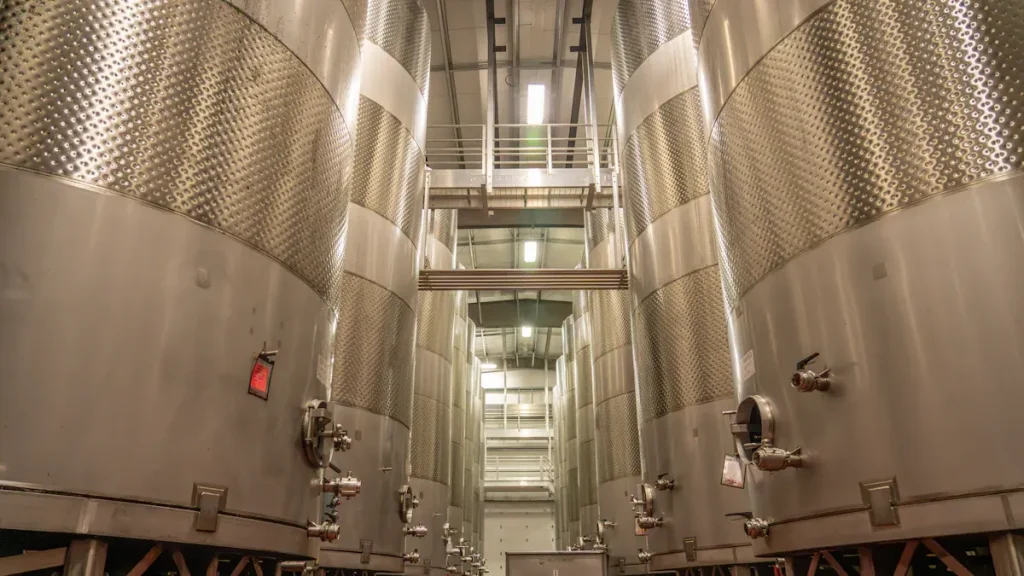
A stainless steel oil tank has many good points for storing olive oil and other edible oils. These tanks are made to keep oils safe and fresh. Stainless steel does not rust or fall apart when it gets wet. This stops the oil from going bad and keeps it pure. The smooth surface keeps out dirt, mold, and bacteria. This means oils stay clean and do not get contaminated.
Tanks keep oils away from light and air. Tight seals stop too much air from getting in and help keep the oil’s taste and smell. Stainless steel does not react with oil, so the flavor stays the same. Cleaning is simple because the smooth surface does not hold onto oil. Many factories use tanks with cone-shaped bottoms. This shape lets all the oil drain out and stops oil from building up. It also helps any bits in the oil settle fast and makes cleaning quicker.
Here is a table showing key benefits:
Benefit | Description |
|---|---|
Corrosion Resistance | Prevents rust and spoilage |
Non-Porous Surface | Blocks dirt, mold, and bacteria |
Light and Air Protection | Reduces oxidation and keeps oil fresh |
Non-Reactive Material | Maintains original flavor and aroma |
Easy to Clean | Simplifies maintenance and hygiene |
Features Of Quality Oil Tanks
A good stainless steel oil tank has some important parts. Food-grade stainless steel keeps the oil pure and safe. Most tanks use SUS304 stainless steel, which does not rust and lasts a long time. Shandong Chenma Machinery Co., Ltd. makes tanks with ISO9001 and EU CE certifications. These show the tanks are safe and high quality.
Custom tanks let people pick what works best for them. Some tanks have ways to control temperature, like jackets and insulation, to keep oil good. Tight seals and special gas fittings stop air from getting in and keep the oil’s taste. Cone-shaped bottoms and shiny surfaces make cleaning easier and keep things clean. Inspection ports let workers check inside the tank to make sure it is clean.
Below is a table listing important features:
Feature | Description |
|---|---|
Custom Designs | Tailored solutions for different production needs |
Temperature Control | Maintains oil quality with jackets and insulation |
Additional Functional Features | Inert gas fittings, conical bottoms, and control systems |
Material Quality | Food-grade stainless steel for purity |
Proper Sealing | Airtightness to prevent oxidation and preserve flavor |
Tip: Picking a stainless steel oil tank with a cone-shaped bottom and shiny finish helps stop oil from sticking and makes cleaning easier.
Shandong Chenma Machinery Co., Ltd. makes tanks that meet these rules. Their stainless steel oil tank is good for storing oil for a long time, easy to clean, and keeps oil pure.
Alternatives And Solutions
Nonstick Techniques
Cooks often look for ways to stop olive oil from sticking to stainless steel pans. They use several simple techniques to make cooking easier and cleaning faster. Many experts suggest using oils with higher smoke points. Algae cooking oil works well because it stays stable at high temperatures. It contains omega-9 fats and has a smooth texture. The flavor is neutral, so it does not change the taste of food. Canola oil also helps because it can handle high heat and suits many recipes.
People can follow these steps to get better results:
Preheat the pan on medium-high heat until it feels hot.
Choose an oil with a high smoke point, such as canola or vegetable oil.
Wait for the oil to shimmer before adding food.
These steps help create a thin, even layer of oil. Food releases more easily, and less residue stays on the pan. Many chefs use these methods every day.
Tip: Dry food before cooking. Moisture causes sticking and makes cleaning harder.
Seasoning Stainless Steel
Seasoning stainless steel pans gives them a natural nonstick surface. This process works by building a thin layer of oil that bonds to the metal. The layer fills tiny gaps and creates a smooth finish. People often use vegetable oil or canola oil for seasoning because they work well at high temperatures.
Here is a simple guide to seasoning:
Step | Action |
|---|---|
1 | Wash and dry the pan |
2 | Spread a thin layer of oil |
3 | Heat the pan until oil smokes |
4 | Let the pan cool |
5 | Wipe off extra oil |
Seasoned pans resist sticking and clean up easily. Many home cooks repeat this process every few months. Seasoning helps stainless steel pans last longer and perform better.
Olive oil forms a thin layer on stainless steel surfaces. This helps with cooking but leaves residue. Many cooks use these tips to reduce sticking:
Apply fresh lemon juice to greasy spots, scrub, and rinse.
Use non-stick cooking spray or a small amount of oil.
Measure oil carefully for each recipe.
Keep pans at moderate heat to prevent burning.
Olive oil works well for medium-heat cooking. Other oils suit high-heat tasks. Stainless steel tanks protect oil quality. People should try different methods and choose what fits their needs.


