
CIP (Cleaning-In-Place) is an automated cleaning method that sanitizes the interior surfaces of tanks, pipes, filters, and processing equipment without disassembling the system. By circulating water, targeted chemicals, and controlled heat through enclosed equipment, it removes soil, debris, and microbes in a repeatable, closed-loop cycle.
Key Takeaways
- CIP cleaning automatically cleans internal equipment surfaces without requiring disassembly or manual scrubbing.
- It follows a controlled, repeatable cycle of rinse, caustic wash, acid wash, and sanitization for uniform results every time.
- CIP reduces labor costs, cuts production downtime, and limits worker contact with harsh cleaning chemicals.
- It enables regulated industries to meet strict food safety and pharmaceutical hygiene and sterility standards.
- Systems are fully customizable to handle different residue types, from dairy proteins to mineral scale and bioburden.
What Is CIP Cleaning?

Cleaning-in-place means exactly what it sounds like: the system cleans equipment right where it sits, with no teardown required. The process uses water, chemical agents, and heat to remove dirt, product residue, and microorganisms from all product-contact surfaces.
Effective CIP follows the TACT principle:
- Time: Duration of each cleaning step
- Action: Turbulent flow and mechanical spray action
- Chemical: Type and concentration of cleaning agent
- Temperature: Heat level to boost cleaning efficiency
All four factors work together. For example, a cold ice cream production line may need longer cycle time to reach target temperature, while a high-heat dairy line can use shorter times with stronger chemical concentrations.
Primary Industries That Use CIP
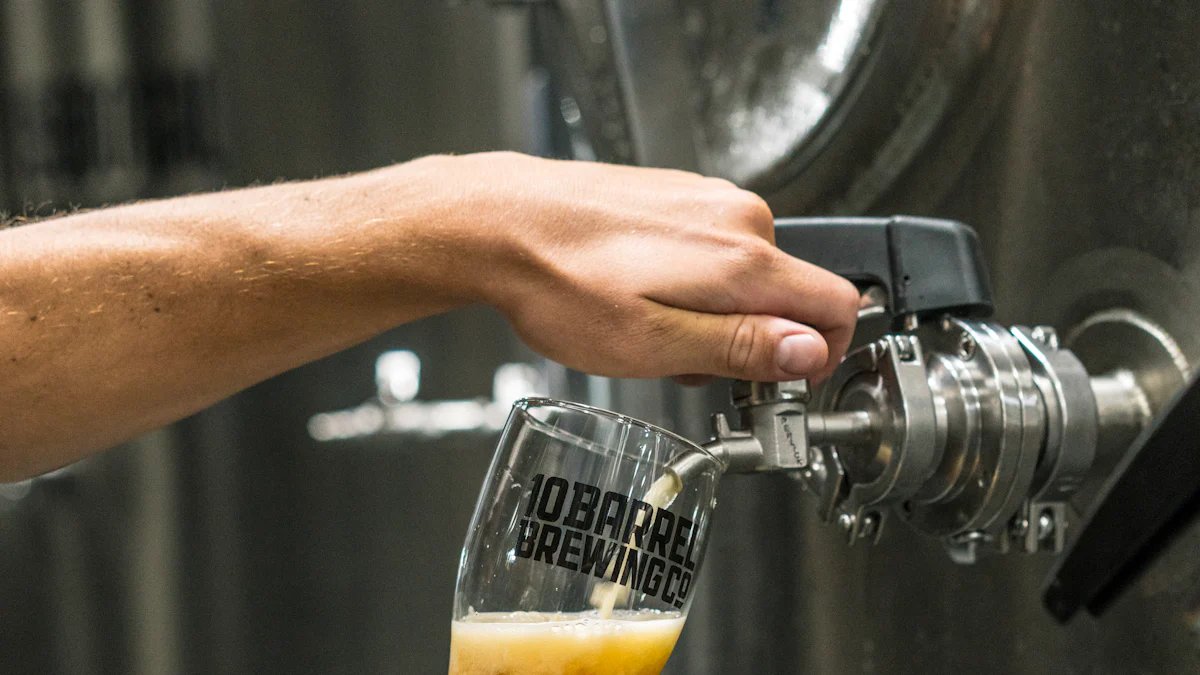
- Food & beverage: Dairies, breweries, wineries, and soft drink plants use CIP daily to remove proteins, fats, and mineral scale.
- Pharmaceutical & biotech: CIP removes residual product and bioburden, lowering endotoxin levels for sterile processing.
- Powder processing: Cleans conveyors, mixers, hoppers, and storage tanks of powder deposits.
CIP vs. Manual Cleaning
| Factor | CIP Cleaning | Manual Cleaning |
|---|---|---|
| Disassembly required | No — fully enclosed process | Yes — full teardown of equipment |
| Consistency | Highly repeatable, controlled cycle | Variable, dependent on worker technique |
| Labor requirement | Low — automated operation | High — hands-on scrubbing by staff |
| Downtime | Minimal — fast cycle between production runs | Long — hours of disassembly and cleaning |
| Worker chemical exposure | Low — closed system contains chemicals | High — direct contact with cleaners |
| Water/chemical use | Lower — solutions recirculated | Higher — single-use rinse water |
How Does CIP Cleaning Work?

A typical CIP cycle uses a series of controlled cleaning and rinsing steps to remove product residues, mineral deposits, and microorganisms from equipment without dismantling it. The exact sequence and operating parameters vary by equipment, process, and soil type.
1. Pre-Rinse
Fresh water is circulated through the system to flush out the bulk of loose, water-soluble product residues before chemical cleaning begins. The rinse temperature and duration are determined by the physical characteristics of the residue (e.g., using warm water for melting fats).
2. Caustic Wash (Alkaline Cleaning)
An alkaline cleaning solution, typically based on sodium hydroxide (NaOH), is circulated to thoroughly decompose and strip away organic soils such as fats, proteins, and carbohydrates. During this stage, the chemical concentration, temperature, cleaning time, and circulation flow rate (to ensure turbulent flow inside the piping) must be strictly controlled.
3. Intermediate Rinse
Fresh water is used to flush out the remaining caustic solution and the loosened organic soils. In modern production lines, inline conductivity monitoring is commonly used to accurately determine when the alkaline solution has been completely removed.
4. Acid Wash
An acidic cleaning solution is circulated primarily to dissolve and eliminate inorganic mineral deposits, scale, or metal oxides left behind after the caustic wash. The frequency and parameters of the acid wash depend heavily on local water hardness, process characteristics, and the accumulation rate of minerals.
5. Final Rinse
The equipment receives a final rinse with high-quality water to clear out all remaining cleaning chemicals. In highly regulated sectors like the pharmaceutical industry, the quality of the final rinse water is strictly mandated. For instance, WHO guidelines specify that WFI (Water for Injection) must be used for the final rinse of equipment manufacturing certain injectable products.
6. Sanitization / Sterilization
Once cleaning is complete, the system undergoes chemical or thermal treatment to achieve inline sanitization or sterilization, ensuring strict control over microbiological indicators. This is done using chemical sanitizers (e.g., peracetic acid, sodium hypochlorite) or thermal methods (e.g., pure steam, superheated water). The media concentration, temperature, and contact time for this step must be rigorously validated for the specific system.
Core Benefits of CIP Cleaning
Consistent, Repeatable Hygiene
A CIP system runs the exact same cycle every time, with controlled temperature, chemical concentration, and timing. This delivers uniform results batch after batch, which is critical for passing regulatory inspections.
For example, one dairy plant with 42 CIP circuits across three lines maintained a 94% ATP pass rate. When one circuit dropped to 88%, technicians cleaned heat exchanger plates to restore return temperature to 73°C — raising the pass rate to 97% the following month.
Reduced Labor & Downtime
Manual cleaning pulls workers away from production for hours of disassembly, scrubbing, and reassembly. CIP runs automatically, cutting downtime significantly and reducing labor costs. Production can resume faster between batches.
Improved Worker Safety
The closed-loop system contains harsh chemicals like sodium hydroxide and nitric acid inside the piping. Workers avoid direct skin, eye, and lung exposure to corrosive and irritating materials.
Lower Resource Use
CIP systems recirculate cleaning solutions instead of dumping them after a single use. This cuts water and chemical consumption significantly compared to manual washing.
FAQ
What does CIP stand for?
CIP stands for Cleaning In Place. It is an automated method of cleaning the inside of tanks, pipes, and processing equipment without disassembly, using circulating water, chemicals, and heat to remove soil and microbes.
Which industries use CIP cleaning?
Food and beverage plants (dairies, breweries, wineries, soft drink facilities) use CIP daily. Pharmaceutical and biotech manufacturers rely on it for sterile processing, and powder processing plants use it for conveyors, mixers, and storage tanks.
What is the TACT principle in CIP cleaning?
TACT stands for Time, Action, Chemical, and Temperature. These four factors work together to determine cleaning effectiveness. Changing any one factor impacts the others — for example, a colder product line may need longer cycle time to compensate.
How long does a typical CIP cycle take?
Cycle length depends on soil type and equipment geometry. A caustic wash alone runs 15–60 minutes. The full sequence — pre-rinse, caustic wash, middle rinse, acid wash, final rinse, and sanitizer — takes longer, with exact timing set by validated procedures.
Can CIP systems handle different types of soil?
Yes. CIP systems are tailored to handle specific residues including dairy proteins, beer stone, milk stone, powder deposits, and bioburden. Engineers adjust chemical strength, temperature, and cycle time to match each soil type.