

To make hard cider, you first get fresh apple cider. You pour it into a clean Cider Fermenter. Next, you add yeast. Then you let it sit and ferment. After that, you bottle the finished drink. Good equipment helps your recipe work well. It also keeps everything clean during the steps.
Key Takeaways
- Begin with fresh apple cider and a clean cider fermenter. This helps make sure the fermentation goes well.
- Clean all your equipment very well to stop germs from getting in. This also helps the yeast do its job right.
- Watch the fermentation by looking for bubbles. Use a hydrometer to check sugar levels.
- Keep the temperature steady during fermentation. This keeps the yeast healthy and gives you the flavor you want.
- Taste the cider before you bottle it. This makes sure it is good and stops problems like too much fizz or germs.
Ingredients & Cider Fermenter
Essential Ingredients
Every cider recipe needs the right things. Fresh apple juice is the main part. Many people mix apple juices for better taste. The table below shows how apples change flavor:
| Apple Variety | Ratio Recommendation | Flavor Contribution |
|---|---|---|
| Granny Smith | Dominant | Tartness |
| Crab Apple | Occasional | Experimental flavor depth |
| Foraged Apples | Variable | Unique, diverse flavors |
Choosing a Cider Fermenter
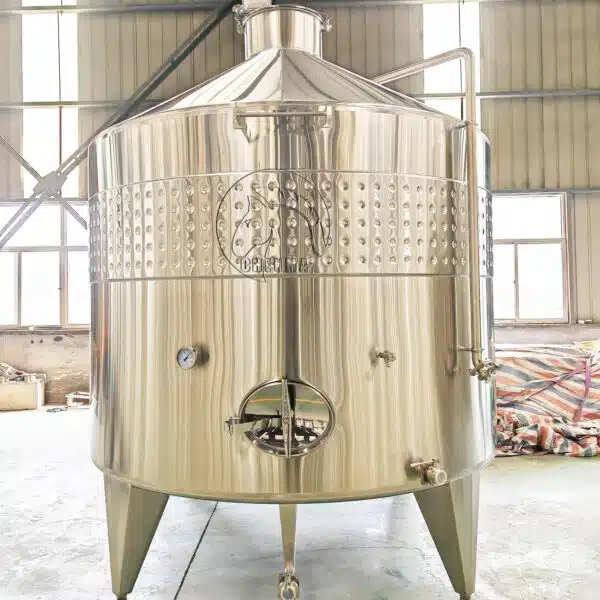
A cider fermenter is important for safe and tasty hard cider. CHENMA’s cider fermenter uses food-grade stainless steel. This material helps in many ways:
- Stainless steel controls temperature well. This helps yeast work at the right speed.
- The smooth surface keeps germs away and holds apple juice flavor.
- Cleaning is simple. The cider fermenter stays safe for each batch.
- Stainless steel lasts a long time. Homebrewers use it for many recipes.
Homebrew fans like CHENMA’s cider fermenter. It has a rubber stopper, sample valves, and temperature controls. These features keep apple juice clean and let users check cider as it ferments.
Optional Additions
Some homebrewers add extra flavors to apple juice. The table below lists popular cider styles and what makes them special:
| Cider Style | Description |
|---|---|
| Traditional | Made from apples and/or pears without any other fruits or adjuncts that impart color, flavor, or aroma. |
| Adjunct | Hard ciders made with anything not an apple or a pear that impart color, aroma, or flavor. |
| Dessert | Hard ciders made with a high level of alcohol, often considered fruit wines. |
Homebrewers sometimes add spices, honey, or other fruits. These additions change taste and smell. Some use a rubber stopper with an airlock to let gas out during fermentation. This keeps cider safe and tasty.
Preparation & Sanitation

Preparing the Cider
The first step for winemakers is to examine the apple juice. They look for a clear, transparent juice without any visible particles. Some may filter the juice for a smoother texture. They might add sugar to the juice before fermentation. This step increases alcohol and sweetness. However, too much sugar can make the cider overly sweet or slow down fermentation. The right amount of sugar helps the yeast function properly, resulting in a delicious cider. Many winemakers use a hydrometer to measure the sugar content. If necessary, they will adjust the juice ratio. If the juice is too strong or too weak, it can be adjusted with water. The winemaker pours the juice into the fermentation tank, ensuring it just fills the tank completely but doesn’t overflow.
Sanitizing Equipment
Hygiene measures protect cider from harmful bacteria and wild yeasts. All tools and surfaces must be kept clean. CHENMA’s stainless steel cider fermentations are antibacterial and easy to clean. These tanks are equipped with a CIP system that sprays disinfectant into the tank. This system saves time and keeps the tanks looking new. Cider producers use various disinfectant products to clean their equipment. Here are some commonly used options:
- Star San: Mix 1 tablespoon in 10 liters of cold water. Apply with a cloth, sponge, vaporizer, or by immersion. Leave for 1 to 2 minutes. Let air dry. No rinsing needed.
- Io Star (iodophor): Mix 1 tablespoon in 10 liters of cold water. Apply with a cloth, sponge, vaporizer, or by immersion. Leave for 1 to 2 minutes. Let air dry. No rinsing needed.
- Oxy-San: Mix 1 tablespoon in 1 gallon of hot water. Soak equipment for 2 minutes. Remove and let air dry. No rinsing needed.
- Bleach: Mix 1 tablespoon in 10 liters of cold water. Soak for 5 minutes. Rinse with hot water three times. Let air dry. Not ideal for plastic and must be rinsed well.
Disinfectants are needed before and after each cider brewing process. Stainless steel tanks facilitate sterilization, ensuring the safety of the cider. Good hygiene prevents contamination and helps the yeast function effectively.
Hard Cider Fermentation Process
Using the Cider Fermenter
The brewer first pours apple juice into a suitable cider fermenter. They fill the tank completely, leaving space at the top. This space prevents overflow when bubbles form. After pouring in the juice, they seal the fermentation tank with a rubber stopper. Then, they install an airlock on top. The airlock allows carbon dioxide to escape while preventing outside air from entering.
CHENMA’s cider fermenter allows users to easily observe the fermentation process. A sampling valve allows users to take small samples for testing. The conical bottom collects sediment, making it easy to remove particles. A manhole allows users to easily view the inside of the tank and clean it.
Tip: Check the airlock every 12 hours. Bubbling means the cider is fermenting. If there is no bubbling after one day, make sure the lid is tight. Gently swirl the tank if needed.
Cider makers look for signs that fermentation is happening:
- Bubbling in the airlock
- Cloudy liquid or foam on top
- Sediment at the bottom
They use a hydrometer to check the cider’s gravity. This tool shows how much sugar is left. Cider makers check gravity before and after fermenting. Comparing these numbers tells them when the cider is ready. It also shows how much alcohol is in the cider.
Adding Yeast & Nutrients
Yeast turns apple juice into hard cider. Cider makers pick a yeast strain for the flavor and alcohol level they want. The table below lists popular yeast strains and their usual alcohol yields:
| Yeast Strain | Typical Alcohol Yield (ABV) |
|---|---|
| Mangrove Jack’s Cider Yeast M02 | N/A |
| Safcider from Fermentis | 11% |
| WLP775 English Cider Yeast from White Labs | 12% |
| Wyeast 4766 Cider | 12% |
They sprinkle yeast into the fermenter or mix it with water first. Some recipes use yeast nutrients. These nutrients help yeast stay healthy and active. Cider makers add nutrients at the start. Sometimes they add more after a few days.
If fermentation stops early, they check the temperature. They swirl the tank to wake up the yeast. They also make sure the fermenter is sealed well.
Temperature Control
Temperature is crucial for cider fermentation. CHENMA’s fermenters use cooling jackets or insulation layers to maintain a stable temperature. The cooling jacket circulates cool liquid within the tank, preventing the cider from overheating and ensuring the yeast ferments at the appropriate rate.
Here are reasons why temperature control matters:
- It keeps yeast healthy and active.
- It stops bad flavors from forming.
- It helps cider finish fermenting at the right time.
Cider makers use the thermometer on the fermenter to check temperature. Most yeast strains work best above 60°F. If the temperature is too low, fermentation slows or stops. If it is too high, the cider can taste strange.
Note: Fermentation time depends on temperature:
- At 70-80°F, cider finishes in about 3 weeks.
- At 62-64°F, it takes a little over 5 weeks.
- At 55-60°F, it takes about a month or more.
- At 40°F, fermentation can last several months.
Cider makers keep the temperature steady for the best results. They check the fermenter often. They adjust the cooling jacket if needed. Careful control helps make clean, tasty hard cider.
Hard Cider Bottling and Tasting
When to Bottle
Winemakers know that bottling can begin once fermentation has stopped. They use a hydrometer to test the cider. The hydrometer reading should remain constant for three consecutive days. This means the yeast has completed the process of converting sugar into alcohol. If bottled too early, residual sugar can cause excessive pressure inside the bottle, potentially leading to an explosion or off-flavors. Most winemakers wait two to three weeks after fermentation begins. They also observe whether the cider is clear and transparent, with no bubbles rising.
Tip: Always taste the cider before bottling. If it tastes sour or strange, check for signs of infection.
Bottling Steps
Cider makers follow careful steps to keep the drink safe and tasty:
- Clean and sanitize all bottles, caps, and tools.
- Boil dry sugar with water to sanitize it. Add this to the cider for carbonation if desired.
- Add potassium sorbate and sulfite to stabilize the cider and stop wild yeast.
- Siphon the cider off the sediment into a bottling bucket. This keeps the flavor clean.
- Add priming sugar for sparkling cider. Mix well.
- Fill bottles, leaving some space at the top.
- Cap the bottles tightly.
They store bottles at room temperature for one to two weeks if they want bubbles. After that, they move the bottles to a cool, dark place. This helps the cider mature and keeps the alcohol stable. Glass bottles give a longer shelf life than cans because they protect against oxidation and bacteria.
Enjoying Your Cider
Serving temperature changes the taste and smell of cider. The table below shows the best temperatures for different types:
| Type | Temperature (°F) |
|---|---|
| Sparkling Cider | 35-40 |
| Still Cider | 63-68 |
| Medium/Sweet Cider | 55-63 |
| Acidic Cider | 40-45 |
| Aromatic Cider | 63-66 |
People can pour cider into a clean glass to enjoy the color and aroma. They can pair it with cheese, fruit, or light meals. Each recipe gives a unique flavor. Sharing cider with friends makes the experience special.
FAQ
How long does fermentation usually take?
Fermentation time changes with temperature and yeast. Most batches finish in two to five weeks. Warm temperatures make fermentation go faster. Cold temperatures make it slower. Cider makers use a hydrometer to check when it is done.
Can someone use store-bought apple juice for cider?
Yes, store-bought juice works for cider. The juice must not have preservatives like potassium sorbate. Preservatives stop yeast from working. Clear and fresh juice gives the best results.
What equipment does a beginner need?
A beginner needs a cider fermenter, airlock, hydrometer, bottles, and sanitizer. These tools help keep the cider safe and clean. Good equipment makes the process easier and improves the drink.
How does someone know if fermentation is complete?
They check the gravity with a hydrometer. If the reading stays the same for three days, fermentation is done. No bubbles in the airlock and clear cider also show it is finished.
Is it possible to make sparkling cider at home?
Yes, sparkling cider can be made at home. Adding priming sugar before bottling creates bubbles. Bottles must stay sealed for one to two weeks at room temperature. This step gives the cider fizz.


