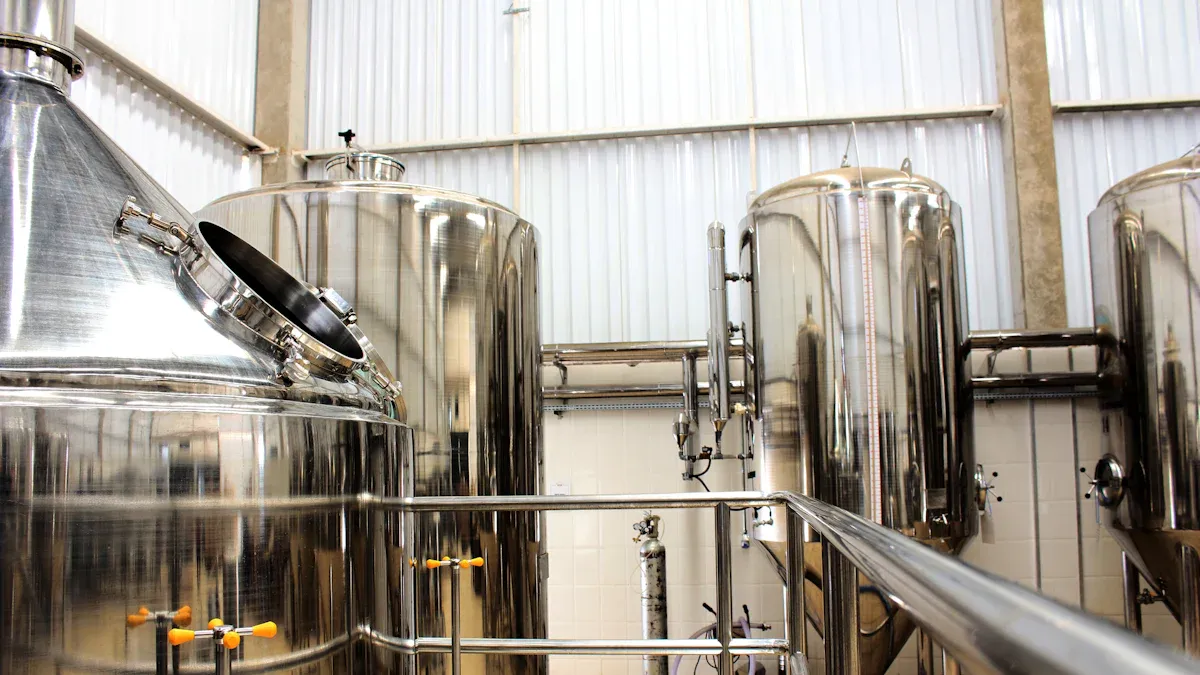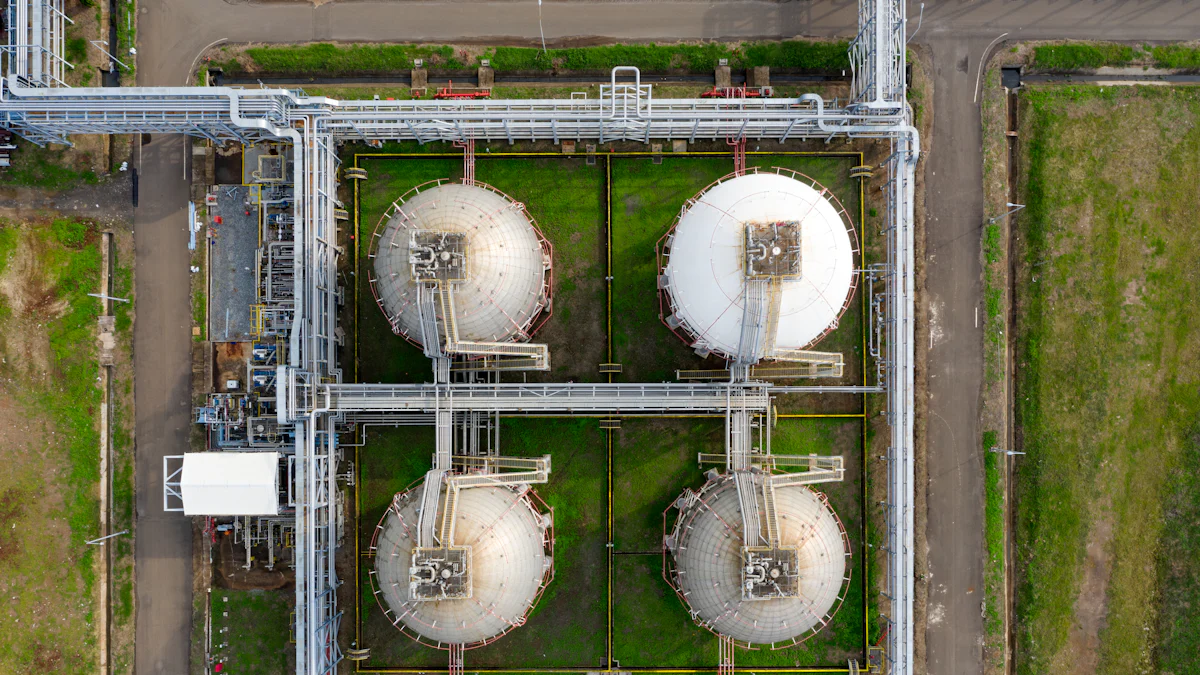

The best type of water tank depends on your available space, water usage, ease of maintenance, and storage needs. Both horizontal and vertical stainless steel tanks are strong, corrosion-resistant options widely used in residential, commercial, and industrial settings. Choosing the right shape can improve installation efficiency, water quality, and long-term costs.
Key Takeaways
- Choose vertical tanks if you have limited floor space. They take up less ground area and are often easier to clean in tight locations.
- Choose horizontal tanks if you have more room. They generally offer easier access for maintenance and can hold larger volumes.
- Stainless steel tanks are durable and safe for drinking water. They resist rust and comply with major safety standards.
- Consider your specific needs — space, capacity, and maintenance frequency — before deciding. The right choice improves efficiency and reduces long-term costs.
- Regular cleaning prevents sediment buildup, algae growth, and other issues that can affect water quality.
Horizontal vs Vertical Water Tanks: Core Differences

Space & Installation
The shape of a water tank directly affects how much floor space it requires. Horizontal tanks are wide and low, taking up more ground area. Vertical tanks are tall and narrow, using height instead of width, which makes them suitable for small yards, balconies, or indoor spaces with limited floor space.
| Feature | Horizontal Tanks | Vertical Tanks |
|---|---|---|
| Shape and Design | Wider, shorter | Taller, narrower |
| Installation Space | Requires more floor area | Ideal for tight or small spaces |
| Stability | Low center of gravity, more stable | Needs proper anchoring |
| Capacity Range | 180 – 3,500 gallons | 140 – 2,150 gallons |
Installation methods also differ. Vertical tanks are taller and often require cranes and permits. Horizontal tanks are easier to transport and position, which can reduce installation time and cost.
Tip: Choose a vertical tank when space is limited. Go for a horizontal tank when you need higher capacity and have sufficient ground area.
Maintenance & Durability
Maintenance accessibility is an important factor. Horizontal tanks generally offer better access because their manways are positioned at ground level. Vertical tanks usually have a sump at the bottom, which helps with sediment removal but can be harder to clean manually.
| Tank Type | Maintenance Needs | Advantages |
|---|---|---|
| Vertical | Easier sediment removal via central sump | Efficient flushing of dirt and sand |
| Horizontal | Better access for manual inspection | Easier cleaning at ground level |
Both tank types are made from stainless steel, which provides excellent corrosion resistance and long service life. However, horizontal tanks are generally easier and less expensive to maintain over time.
Note: Regular cleaning is essential to prevent sediment, algae, and other contaminants from accumulating.
Water Quality & Safety
Tank design influences water quality. Horizontal tanks have a wider base that promotes better water circulation and reduces sediment settling. Vertical tanks are more space-efficient but may require additional features for optimal sediment control.
High-quality stainless steel tanks from reputable manufacturers meet strict safety standards, including:
- NSF/ANSI 61 (potable water)
- AWWA D103 / D100
- NFPA 22 / NFPA 1142 (fire protection)
- UL-142 / UL-2085
- API 650 / 12F
These certifications ensure the tank is suitable for drinking water and other critical applications.
Safety Tip: Stainless steel tanks help maintain water purity when properly maintained.
Cost Comparison
Vertical tanks are generally more cost-effective to manufacture because their design allows for thinner walls while maintaining structural strength. Horizontal tanks require thicker walls and additional support, making them 15–25% more expensive on average.
If floor space is limited, vertical tanks are usually the more economical choice. For large-capacity needs where space is not an issue, horizontal tanks may be worth the higher investment.
Which Type of Water Tank Should You Choose?

Best for Residential Use
Most homeowners prefer vertical tanks because they fit better in small spaces such as basements, garages, or narrow yards. They are easier to access for cleaning in confined areas and are usually more affordable for smaller capacities.
| Factor | Vertical Tanks | Horizontal Tanks |
|---|---|---|
| Space Efficiency | Excellent for small areas | Requires more floor space |
| Maintenance Access | Easier in tight locations | Needs more clearance |
| Stability | Good stability | More stable on flat ground |
| Volume Capacity | Better for smaller needs | Suitable for larger household storage |
| Cost | Generally lower for small capacities | Higher due to size |
Tip: Prepare a level base and keep the tank away from fuel sources. Consider insulation in cold climates.
Best for Commercial & Industrial Use
Vertical tanks are often preferred in commercial and industrial settings because they store more water while occupying less floor space. They handle internal pressure well and can use gravity to reduce pumping costs. Common applications include water treatment plants, food processing, and chemical storage.
Best for Agricultural & Emergency Storage
Horizontal tanks are popular in agriculture and emergency situations because they are easier to transport and install quickly. They work well when large volumes of water are needed in remote or temporary locations.
Tip: Always select the tank size and orientation based on your available space, water demand, and maintenance capabilities.
Conclusion
Choosing between a horizontal and vertical water tank depends on your space constraints, capacity requirements, and maintenance preferences. Vertical tanks are ideal for small areas, while horizontal tanks offer easier access and higher capacity.
Stainless steel construction ensures durability and water safety in both designs. Selecting the right tank based on your specific needs will deliver better performance and lower long-term costs.
Key Points to Consider:
- Vertical tanks suit small or confined spaces.
- Horizontal tanks work better when space is abundant and easy maintenance is a priority.
- Stainless steel provides long-term corrosion resistance and safety.
- Proper installation and regular cleaning are essential for both types.
FAQ
What is the main difference between horizontal and vertical water tanks?
Horizontal tanks are short and wide, while vertical tanks are tall and narrow. The choice mainly depends on available space and required capacity.
Are stainless steel tanks safe for drinking water?
Yes. When certified to standards such as NSF/ANSI 61, stainless steel tanks are safe and commonly used for potable water storage.
How long do stainless steel water tanks last?
Well-maintained stainless steel tanks can last 20 years or more due to their strong corrosion resistance.
Which Tank Is Easier to Clean?
Horizontal tanks are generally easier to clean due to their lower profile and more accessible interior. Vertical tanks may require additional equipment or procedures for deep cleaning, particularly in large-capacity installations.
Can These Tanks Be Customized?
Yes. Most manufacturers provide customization options, including tank dimensions, manway sizes, insulation, level indicators, overflow systems, and inlet/outlet configurations to suit different applications and installation requirements.