
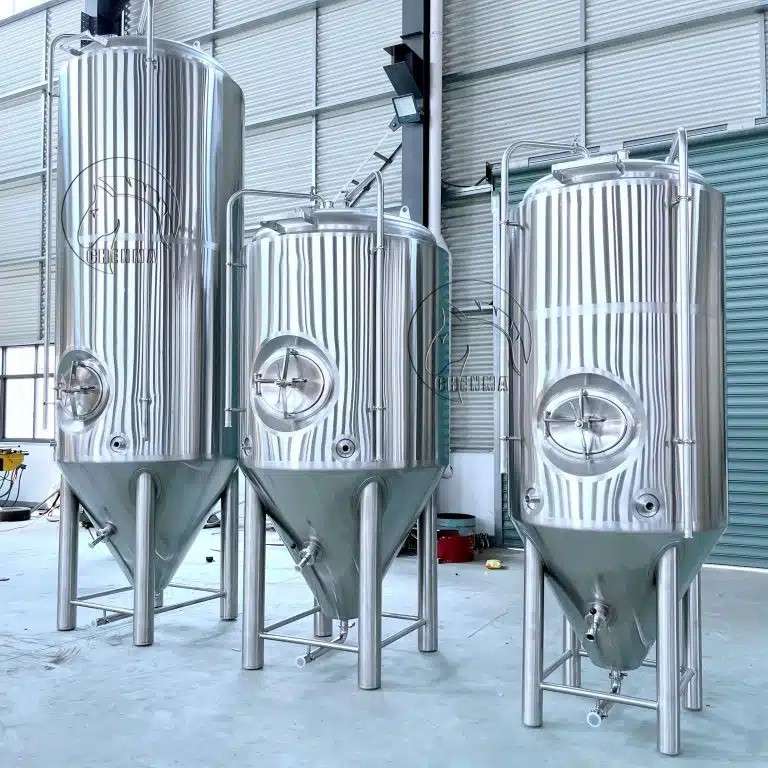
Temperature control is one of the most critical tools in winemaking. Fermentation naturally generates heat, and every stage of production requires specific temperature ranges to regulate yeast activity, preserve delicate aromas, manage extraction, and maintain wine stability. For wineries using stainless steel tanks, integrated cooling jackets and monitoring systems deliver consistent, repeatable batch conditions that are impossible to reliably achieve with ambient-only temperature management.
Key Takeaways
- It regulates yeast activity and fermentation speed, preventing stuck fermentation from heat-induced yeast stress.
- Controlled temperatures preserve delicate fruity and floral aromas, especially for white and rosé wine styles.
- For red wines, it allows winemakers to dial in precise color and tannin extraction from grape skins.
- It reduces off-flavors, spoilage risk, and unwanted microbial growth during fermentation.
- Post-fermentation cooling enables cold stabilization and supports consistent long-term wine storage.
How Temperature Control Shapes Fermentation

Regulates Yeast Activity & Fermentation Speed
Yeast converts sugar to alcohol during fermentation, and the process naturally releases heat. Without control, temperature inside the fermentation tank can rise as fermentation accelerates, placing stress on yeast and disrupting normal metabolic function.
Cooler conditions slow fermentation; warmer conditions speed it up. Maintaining a targeted temperature range gives winemakers precise control over fermentation pace, and supports healthy, consistent yeast performance throughout the cycle.
Prevents Stuck Fermentation
Excessive heat is a top cause of stuck fermentation, where yeast becomes stressed and stops converting sugar before fermentation is complete. Keeping temperatures within the ideal range supports continuous yeast activity and reduces the risk of mid-cycle fermentation failure. This is particularly critical for commercial wineries, where unplanned fermentation disruptions can derail production schedules and alter final wine characteristics.
How Temperature Control Preserves Wine Quality
Preserves Flavor & Aroma
Temperature directly impacts the retention of volatile aroma compounds that give wine its characteristic scent and taste. Excessively warm fermentation causes delicate fruity and floral notes to dissipate, reducing the fresh, vibrant character of the finished wine.
Controlled fermentation temperatures protect the intended aromatic profile, which is especially important for white and rosé wines, where bright fruit and floral notes define the style. Temperature control lets winemakers preserve the sensory qualities derived directly from the grapes, rather than losing them to heat.
Controls Color & Tannin Extraction
For red wines, temperature dictates how much color, tannins, and other phenolic compounds extract from grape skins. Warmer fermentation promotes deeper extraction; cooler temperatures produce a lighter extraction profile.
This makes temperature control more than just a safeguard against overheating — it is an active stylistic tool. By adjusting tank temperature, winemakers can tune extraction to match the desired wine style.
How Temperature Control Prevents Wine Defects
Reduces Off-Flavors
Stressed yeast from unsuitable temperatures produces undesirable fermentation byproducts that contribute off-aromas and off-flavors to the finished wine. Maintaining stable, optimal temperatures creates a controlled fermentation environment that minimizes these stress-related defects, supporting more consistent wine quality across batches.
Limits Unwanted Microbial Growth
Temperature also impacts the activity of spoilage microorganisms that can be present during winemaking. Maintaining controlled, appropriate temperatures limits conditions favorable to unwanted microbial growth. It works alongside proper sanitation and process management to support a more stable, low-risk production environment.
Why Temperature Control Matters After Fermentation
Cold Stabilization Before Bottling
After fermentation completes, controlled cooling supports cold stabilization: wine is chilled to a low temperature to encourage excess tartrate crystals to precipitate out of the liquid. Removing these compounds before bottling improves wine stability and reduces the risk of crystal formation later in the bottle.
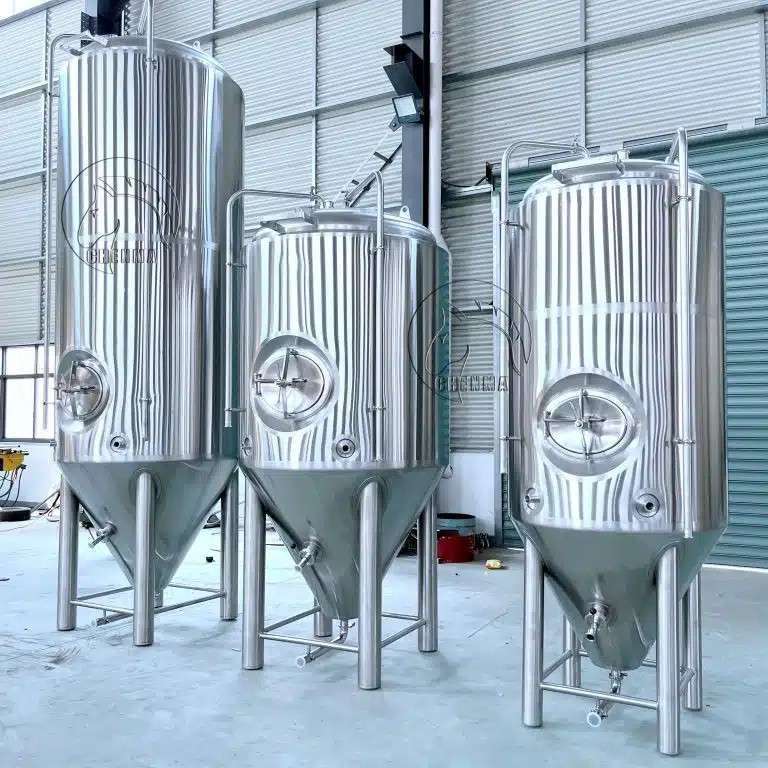
Stainless steel wine tanks with integrated cooling systems deliver uniform, scalable cooling for this process, making cold stabilization practical and consistent at commercial production volumes.
Stable Long-Term Storage
Wine continues to evolve during storage, and large temperature fluctuations accelerate unwanted chemical changes and create additional stress on the wine. Maintaining consistent, cool storage temperatures preserves the wine’s intended characteristics until it is ready for further processing or bottling.
FAQ
How do wineries control the temperature of a fermentation tank?
Wineries commonly use cooling jackets connected to a glycol cooling system or other temperature-control equipment. Temperature sensors monitor the tank, while the cooling system adjusts heat removal to keep the wine within the selected range.
Can wine tanks be heated as well as cooled?
Yes. Some wine tanks can be equipped with both cooling and heating systems. Heating may be useful when fermentation temperatures need to be increased during colder conditions or when a specific process requires controlled warming.
Does tank size affect temperature control?
Yes. Larger tanks contain more wine and generate more fermentation heat, so they may require greater cooling capacity and effective temperature distribution. Tank size should therefore be considered together with cooling-jacket design and the winery’s production volume.
Why are cooling jackets used on stainless steel wine tanks?
Cooling jackets allow temperature to be controlled directly through the tank wall without placing cooling equipment in contact with the wine. They provide a practical way to manage fermentation, cold stabilization, and other temperature-sensitive processes in commercial wineries.
What happens if wine temperature changes too quickly?
Rapid temperature changes can disrupt fermentation and make process control more difficult. Gradual, controlled temperature changes allow winemakers to manage fermentation and post-fermentation processes more consistently.


