

You want the best quality for your fresh extra virgin olive oil. A stainless steel oil tank provides superior oil storage. These tanks help protect the oil from the four enemies of olive oil, ensuring top performance. The quality of stainless steel olive oil tanks makes them the definitive solution.
Safety and Hygiene: The material’s excellent corrosion resistance prevents corrosion. This guarantees total safety. The non-porous surface also promotes hygiene. This focus on safety and preventing corrosion ensures the safety of your extra virgin olive oil.
Key Takeaways
- Stainless steel tanks protect olive oil from light, air, and temperature changes. These things can make olive oil go bad.
- These tanks keep olive oil fresh and tasty. They also help it keep its healthy benefits.
- Stainless steel does not react with olive oil. This means no bad chemicals get into the oil.
- Other containers like plastic or clear glass do not protect olive oil well. They can even add bad chemicals to the oil.
- Choosing the right size tank and good seals helps keep your olive oil safe. This makes stainless steel tanks a smart choice for storing olive oil.
How Stainless Steel Tanks Preserve Olive Oil
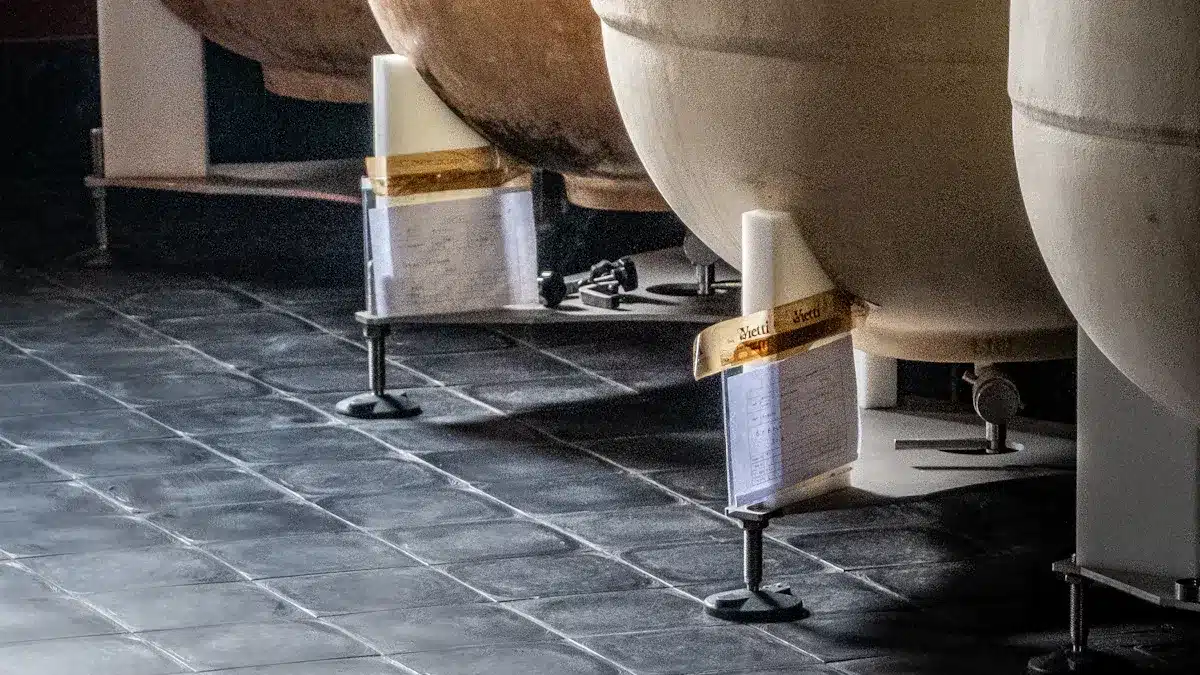
You invest in high-quality extra virgin olive oil for its incredible flavor and health benefits. A stainless steel oil tank is the best tool for proper oil storage. It provides a complete defense against the four enemies of olive oil. This protection ensures the oil maintains its peak quality and performance. Let’s explore how these tanks achieve this.
Total Protection from Light
Light is one of the fastest ways to ruin olive oil. Exposure to both natural and artificial light triggers a process called photo-oxidation. This chemical reaction degrades the oil’s quality. A stainless steel oil tank offers an opaque barrier, completely blocking all light from reaching the oil inside. This total darkness is crucial for safety and preservation.
When UV radiation hits olive oil, it causes significant damage:
- It breaks down healthy phenols and fatty acids.
- It causes chlorophylls to degrade, which is the first step toward spoilage.
- It dramatically increases unwanted volatile compounds, creating off-flavors.
Did You Know? Photo-oxidation can degrade olive oil up to 30,000 times faster than oxidation that occurs without light. This makes complete light protection essential for any serious oil storage solution.
An Airtight Barrier Against Oxygen
Oxygen is another major threat to your oil’s freshness. When olive oil interacts with oxygen, it begins to oxidize. This process breaks down the beneficial compounds and creates unpleasant flavors. You might notice tastes described as stale, metallic, or even like crayons. A quality stainless steel oil tank features airtight seals. These seals prevent oxygen from entering the container, stopping oxidation before it starts. This preserves the fresh, fruity characteristics of your extra virgin olive oil. This focus on safety from oxidation is key. The material’s excellent corrosion resistance also prevents any metallic leaching, further ensuring the oil’s purity and safety. Without this protection, the oil’s hygiene and flavor are at risk.
Superior Temperature Stability
Temperature fluctuations can quickly spoil olive oil. Heat accelerates oxidation and the breakdown of flavors. Cold temperatures can cause the oil to solidify, which can affect its texture. The ideal oil storage temperature is between 55 and 60 degrees Fahrenheit (about 13-15°C). Storing oil at high temperatures, such as 26°C (79°F), speeds up degradation and leads to rancid flavors.
Stainless steel olive oil tanks excel at maintaining a stable internal temperature. The material’s properties help insulate the contents from short-term changes in the surrounding air temperature. This stability is vital for long-term storage. It slows down degradation, preserves the oil’s positive attributes, and prevents spoilage. The material’s inherent corrosion resistance adds another layer of safety, ensuring no container degradation from temperature swings. This resistance to corrosion is a fundamental benefit. You can trust that the tank itself will not break down or introduce impurities, protecting the oil from both external temperature changes and internal corrosion.
An Inert and Non-Porous Surface
The material you use for oil storage directly impacts your oil’s taste and safety. A stainless steel oil tank provides a surface that is both inert and non-porous. This means the container itself will not react with or absorb your extra virgin olive oil. This feature is fundamental to preserving the oil’s intended flavor profile and ensuring its purity.
Stainless steel is an iron alloy containing chromium. When chromium meets oxygen, it forms a thin, passive layer on the surface. This microscopic film is incredibly stable and non-reactive. It acts as a perfect shield, providing exceptional corrosion resistance and preventing any metallic elements from leaching into the oil. This guarantees the safety of the product. Food-grade stainless steel is regulated by authorities like the FDA to ensure it meets strict standards for food contact. This focus on preventing corrosion is key to long-term oil storage.
The non-porous surface also offers a major advantage for hygiene. Unlike porous materials, stainless steel does not have tiny cracks or holes. It cannot absorb old oil or harbor bacteria. You can clean it completely, ensuring that each new batch of extra virgin olive oil tastes fresh and pure. This contributes to the tank’s overall quality and performance.
Other materials simply cannot offer this level of protection. Their surfaces often compromise the quality and safety of your oil.
- Plastics can leach harmful chemicals, such as microplastics and PFAS, directly into the oil. This risk increases with exposure to heat or light.
- Plastic is also porous. It allows oxygen to seep through, which accelerates oxidation and degrades the oil’s health benefits.
- Studies show that oil in plastic containers loses antioxidants much faster, diminishing its nutritional value.
- Traditional ceramic jars can have glazes that contain lead, posing a serious safety risk. They can also chip or crack, creating spaces for bacteria to grow.
Choosing the right container is a critical decision for proper oil storage. The superior corrosion resistance of a stainless steel oil tank protects against material breakdown. This ensures the ultimate safety and quality for your investment.
Why Other Containers Can’t Compete
You see many types of containers on store shelves. While some look appealing, they fail to provide the protection your extra virgin olive oil needs. Stainless steel stands apart because it solves the problems that other common materials create for proper oil storage. Let’s look at why other options fall short.
Clear Glass and Plastic
You might see olive oil sold in clear glass or plastic bottles. These are the worst choices for preserving quality. Light is a major enemy of olive oil, and these containers offer almost no defense.
- Light Damage: Light starts a chemical reaction called photo-oxidation. Studies show this process can ruin oil in just a few weeks. It breaks down healthy compounds and creates rancid flavors.
- Chemical Leaching: Plastic containers pose an additional risk to safety. They can leach harmful chemicals, like BPA or other compounds, directly into the oil. This problem gets worse with heat and time. This compromises the oil’s purity and your safety.
Dark Glass Bottles
Dark glass bottles are a step up from clear ones, but they are not a perfect solution. While they block some light, they are not completely opaque.
How Much Light Gets Through?
Even the darkest glass allows some damaging light to pass through. Amber glass, one of the best options, can still transmit up to 10% of the light spectrum that harms oil.
Furthermore, the closures on these bottles are often a weak point. Corks and screw caps do not always create a perfect seal. This allows small amounts of oxygen to enter, slowly degrading the oil over time. While glass itself resists corrosion, the incomplete protection from light and air limits its effectiveness for long-term oil storage.
Traditional Ceramic Jars
Ceramic jars may have a traditional appeal, but they can hide serious dangers. The biggest issue is the glaze used to coat the pottery. This glaze can break down, which is a form of corrosion that can contaminate the oil.
This creates a significant safety issue. Research shows that some ceramic glazes can leach heavy metals like lead into food.
- Acidic foods can pull these toxins from the glaze.
- This contamination poses a serious health hazard.
- The risk increases with the duration of contact.
This potential for chemical corrosion makes ceramic a risky choice. You cannot be sure of the material’s safety or its impact on the oil’s quality.
The Benefits of a Quality Stainless Steel Oil Tank
When you choose a quality stainless steel oil tank, you are investing in the longevity of your oil. This superior method of oil storage directly translates into better flavor, more health benefits, and guaranteed safety from spoilage. The tank’s excellent corrosion resistance ensures its long-term performance and protects your product.
Preserving Peak Flavor and Aroma
You want your extra virgin olive oil to taste as fresh as the day it was pressed. A stainless steel oil tank makes this possible. It shields the oil from light and oxygen, the two main culprits that create off-flavors. Studies show that while storage time affects all oils, materials like steel provide better qualitative levels than glass. This protection preserves the delicate, fruity, and peppery notes that define a high-quality oil. Your investment in premium oil deserves a storage solution that maintains its peak flavor profile.
Maximizing Health Benefits
The powerful health benefits of extra virgin olive oil come from its rich polyphenol content. These compounds, including oleocanthal, are fragile. They degrade quickly when exposed to light and oxygen. Research shows significant losses of these beneficial compounds in just a few months under poor storage conditions. A stainless steel oil tank provides the complete protection needed to preserve these vital nutrients, ensuring maximum safety and health benefits.
The polyphenols you protect offer incredible advantages:
- They act as powerful antioxidants, protecting your cells from damage.
- They help lower blood pressure and reduce bad cholesterol.
- They possess strong anti-inflammatory properties.
- They support brain health and cognitive function.
This focus on proper oil storage ensures you receive the full nutritional value. The material’s corrosion resistance provides an additional layer of safety against contamination.
Preventing Rancidity and Spoilage
Rancidity is the end result of oxidation, and it completely ruins your oil. You can measure this decay with a Peroxide Value (PV), which indicates how much the oil has oxidized. A high PV means poor quality and spoilage. Loosely sealed bottles can become rancid in just a month. A stainless steel oil tank creates an airtight and lightproof environment, stopping oxidation before it starts. This commitment to hygiene and safety prevents the chemical reactions that lead to corrosion and decay. You can trust that the tank’s superior corrosion resistance will prevent any material breakdown, ensuring the ultimate safety and purity of your oil.
Choosing Your Stainless Steel Olive Oil Tanks
Selecting the right stainless steel oil tank ensures you get the best protection for your investment. You should consider several factors to guarantee long-term quality and safety. Making an informed choice protects your oil from degradation and corrosion.
Match the Tank Size to Your Needs
You need a tank that fits your production volume. A tank that is too large increases the oil’s exposure to air, which can speed up spoilage. For small-scale producers, farms, or restaurants, movable stainless steel olive oil tanks from 26 to 528 gallons (100L to 2000L) are a practical solution. These smaller sizes offer the same durability and protection against corrosion while being easier to manage. Choosing the correct size is the first step toward maintaining the quality of your oil.
Inspect for Quality Seals and Fittings
The seals and fittings on your stainless steel oil tank are critical for its performance. A poor seal allows oxygen to enter, defeating the purpose of the tank. You must ensure all gaskets are made from food-grade materials to guarantee safety. These materials resist breakdown from oils and prevent any chemical corrosion.
Food-Safe Seal Materials
Look for tanks that use certified materials for any parts that contact the oil. Common options include:
Why SDCHENMA is a Trusted Choice
You should partner with a manufacturer that prioritizes excellence. SDCHENMA is a scientific and technological enterprise specializing in manufacturing stainless steel tanks. With a focus on the food and beverage industries, they adapt products to meet customer needs. Their talented engineers can even create completely custom stainless steel olive oil tanks.
A trusted manufacturer demonstrates a commitment to quality control and safety. Certifications like ISO 9001 show a company has defined processes for ensuring high standards. SDCHENMA’s expertise in process design and equipment manufacturing provides confidence. Their focus on superior corrosion resistance and hygiene ensures the ultimate safety and protection against material corrosion for your product.
You now know the secret to proper oil storage. A stainless steel oil tank offers the best protection for your extra virgin olive oil. Its ability to block light and air prevents corrosion and decay. This ensures the highest quality and safety. The material’s superior corrosion resistance guarantees long-term performance.
For unparalleled freshness, you must protect your extra virgin olive oil. Choosing the right oil storage is critical for safety and preventing corrosion. A quality stainless steel oil tank from a trusted manufacturer like SDCHENMA protects your investment from corrosion and preserves its quality. These stainless steel olive oil tanks provide total safety.
FAQ
How do you clean a stainless steel olive oil tank?
You can easily clean your tank with warm water and a mild, food-safe detergent. The non-porous surface prevents residue buildup. You should rinse it thoroughly and ensure it is completely dry before refilling. This simple process guarantees hygiene for your next batch of oil.
What makes food-grade stainless steel safe for olive oil?
Food-grade stainless steel contains chromium. This element forms a protective, non-reactive layer on the surface. This shield provides excellent corrosion resistance. It prevents any metal from leaching into your oil, ensuring the product’s purity and your safety.
Is a stainless steel tank a good long-term investment?
Yes, it is an excellent investment. Stainless steel is incredibly durable and resists corrosion. A quality tank protects your oil from spoilage for years. This preserves the oil’s value and saves you money over time by preventing waste.
Can you store different types of oil in the same tank?
You can use the same tank for different oils. You must clean the tank thoroughly between uses. This prevents any flavors from transferring from one batch to the next. Proper cleaning ensures each oil maintains its unique taste and aroma.


