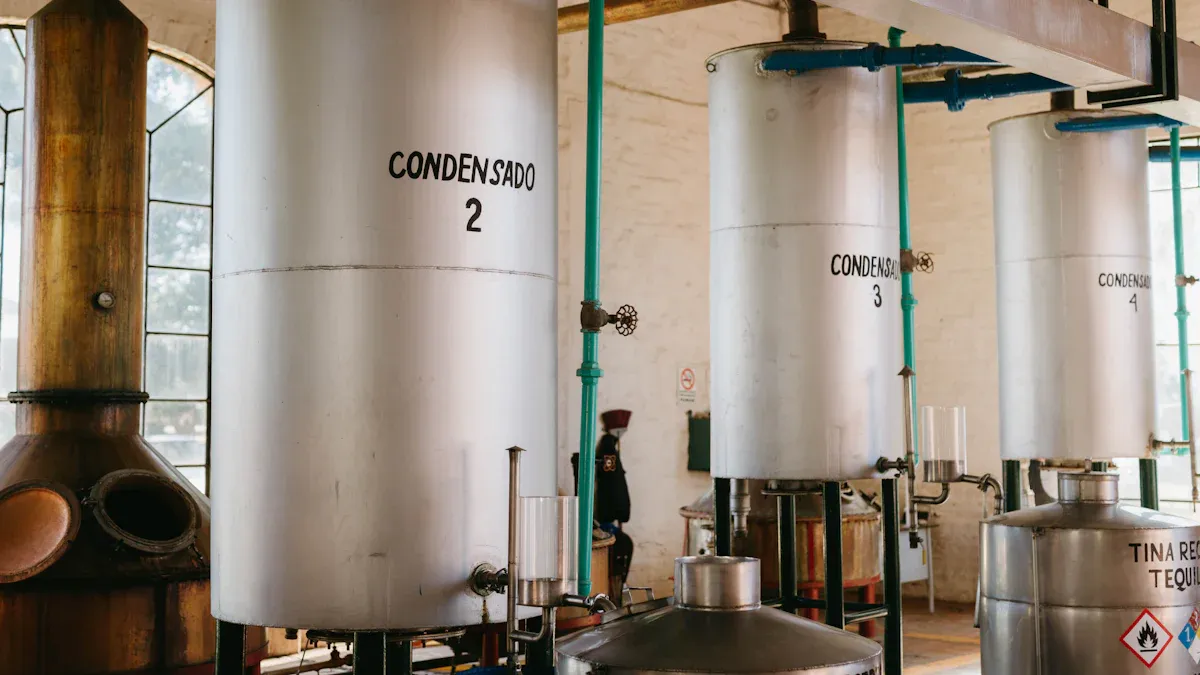
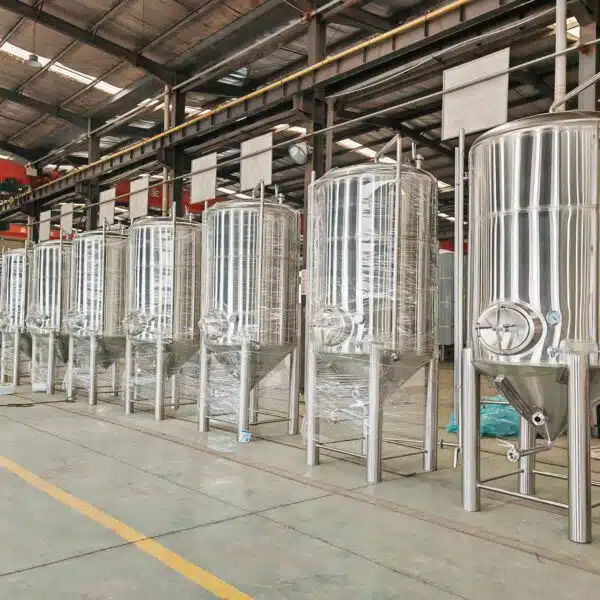
Stainless steel oil tanks are a good choice for many jobs. People pick them because they last long, stay clean, and do not break easily. Some people say they cost more and need special ways to put them in. The best tank depends on how you use it, Many experts use these tanks because they give:
- Great strength and work well in hard places
- They do not rust much, even near the sea
- They can take very hot or cold weather and lots of pressure
- They keep fuel safe from chemicals that could harm it
Key Takeaways
- Stainless steel fuel tanks are strong and last longer than most other materials. This makes them a good choice for many uses. These tanks do not rust or corrode easily, even in tough places. This helps keep fuels and chemicals safe.
- Stainless steel tanks are also very clean. Their smooth surfaces are simple to wash and meet high safety rules.
- You can also change these tanks to fit special needs. This makes them great for food, cars, and boats.
- They may cost more at first and be heavier. But they are strong and need little care, so they are worth it in the long run.
Benefits of stainless steel fuel tanks
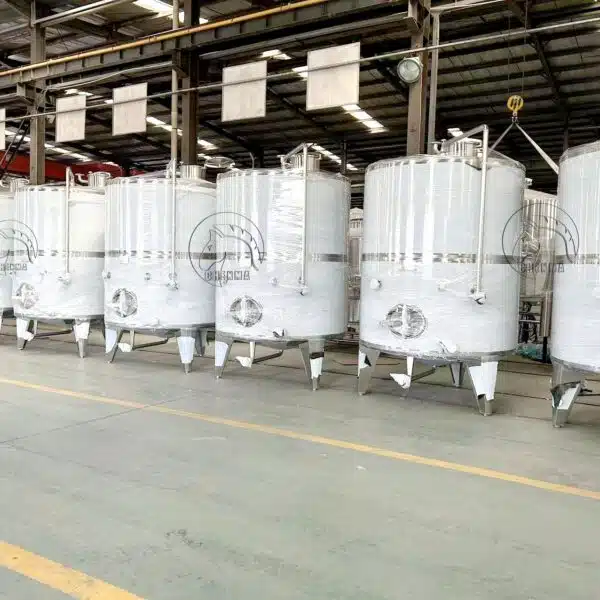
Durability and Strength
Stainless steel fuel tanks are known for their exceptional strength. They are capable of withstanding harsh operating environments without compromising their structural integrity. Many businesses opt for stainless steel tanks precisely because their service life typically exceeds that of storage tanks made from other materials. For instance, with proper maintenance, an aluminum tank can last between 25 and 30 years; similarly, if manufactured with expert craftsmanship, a plastic tank may last even longer. However, among all types of storage tanks, stainless steel tanks generally boast the longest service life. They possess superior resistance to denting and cracking. Test results demonstrate that even when subjected to impact or compression, these tanks retain their inherent robustness.
It is precisely because of this exceptional strength that stainless steel fuel tanks have become the ideal choice for various harsh industrial applications.
Corrosion Resistance
Many people choose stainless steel storage tanks due to their exceptional rust-resistant properties. These tanks are well-suited for environments involving contact with water, chemicals, or salts. The surface of stainless steel features a protective layer that effectively prevents rusting.
Furthermore, from a long-term perspective, stainless steel tanks exhibit a significantly lower susceptibility to rusting compared to aluminum tanks. Although aluminum tanks can withstand certain chemicals, their resistance capabilities fall far short of those of stainless steel. Consequently, for applications requiring long-term use, stainless steel tanks represent the more ideal choice.
Hygiene and Safety
Hygiene and safety are paramount, particularly in the food and beverage sector. Stainless steel containers play a vital role in maintaining a clean and safe environment. Their smooth surfaces effectively inhibit bacterial growth and are remarkably easy to clean; they require only regular washing, with no need for repainting. Furthermore, they comply with rigorous food safety standards.
| Feature | Benefit |
|---|---|
| Hygienic Surface | Smooth finish keeps out germs and is easy to clean. |
| Low Maintenance | Needs only simple cleaning and checking; no painting needed. |
| Regulatory Compliance | Follows FDA, USDA, NSF, and 3A rules for food and safety. |
Many stainless storage tanks, like those from Shandong Chenma Machinery Co., Ltd., have important certificates. These include ISO9001 and EU CE. Some tanks also meet NSF, FDA, 3-A, ASME, and UL 142 rules. These certificates show the tanks are safe for food, oil, and other sensitive things.
Easy to customize
Stainless steel tanks can be made to fit many needs. Makers can add special parts to match different uses. Custom choices include different metals, insulation, manhole spots, and pipe connections. The table below lists some common options:
| Feature | Description |
|---|---|
| Material | 304/316 stainless steel, 9 gauge (0.15625″)/4mm thick, food-grade finish |
| Insulation | Polyurethane, at least 3″ thick |
| Manhole Options | Manholes can go on the side or top |
| Connections | Sanitary clamp connections for pipes |
| Bottom Options | Disc or sloped bottom choices |
| Additional Features | Mixing, jackets for heat or cold, and other ports |
Other popular custom features are:
- Custom pipe ports
- Nozzles and mixers
- Anti-rust coatings
- Manways and inspection holes
- Removable parts for easy cleaning
Being able to change the design helps different businesses. Food companies may want tanks with special coatings or heat controls. Car and factory users may want extra safety parts. Custom tanks make sure each job is done safely and well.
Drawbacks of Stainless Steel Fuel Tanks
Higher Cost
Stainless steel fuel tanks cost more than tanks made from other materials. Many people choose plastic tanks because they are cheaper. Aluminum tanks also cost less than stainless steel tanks in some cases. The table below shows the price range for different tank materials:
| Material | Cost Range |
|---|---|
| Plastic (Polyethylene) | $100–$300 |
| Steel Tanks | $300–$700 |
| Aluminum Tanks | $500–$1,200 |
Stainless steel fuel tanks have a higher price because they last longer and resist corrosion better. Plastic tanks are the least expensive, but they do not offer the same durability. Aluminum tanks can cost 20–40% more than steel tanks. People must think about their budget before choosing stainless steel tanks for their fuel tanks.
Weight Issues
Stainless steel fuel tanks are heavier than their aluminum or plastic counterparts. This additional weight can pose problems in certain situations; for instance, a heavier tank may reduce a vessel’s speed and increase fuel consumption. Consequently, many people opt for aluminum tanks when a lighter-weight solution is required. While stainless steel tanks offer superior strength and impact resistance, their weight makes them more difficult to handle and install.
- Aluminum tanks are lighter than stainless steel tanks, which helps with performance and fuel efficiency.
- Stainless steel tanks are heavier, but they last longer and resist corrosion better.
- The added weight of stainless steel tanks can affect how well a boat moves and how much fuel it uses.
People must decide whether to opt for a lightweight fuel tank or a sturdy one. The weight of a stainless steel fuel tank can be a significant factor for automobiles, vessels, and other machinery.
Welds and Installation Risks
The welding and installation of stainless steel fuel tanks must be carried out with extreme care. If the welding process is inadequate, it may lead to leaks or even structural rupture of the tank. In harsh environments—such as those involving saltwater—weld seams are susceptible to weakened strength, which can subsequently trigger corrosion issues. Storage tanks characterized by poor welding quality rarely achieve a long service life. Many reputable brands strictly adhere to industry standards—such as API 650 and UL 142—to ensure that their storage tank products maintain a high level of safety and reliability.
Tip: Choosing tanks from reputable brands helps lower the risk of weld and installation problems. These brands use quality control and certifications like ISO9001-2005 and ISO14001-2015. Regular maintenance also helps tanks last longer and keeps them safe from corrosion.
People should always check that tanks are installed by experts. Good installation and regular care protect tanks from corrosion and other damage. Tanks in tough places need extra attention to welds and fittings.
Applicability of stainless steel fuel tanks
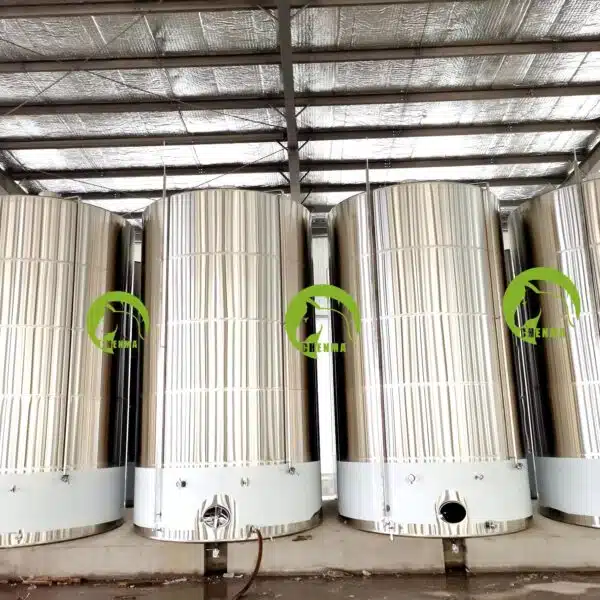
Automotive and Transportation
Many people use stainless steel fuel tanks in cars, trucks, and buses. These tanks are strong and do not rust easily. They keep fuel safe from leaks and dirt. Stainless steel tanks do not need much care, so they save money over time.
Custom stainless steel tanks fit many kinds of vehicles. They are good choices for diesel fuel tanks in trucks and buses.
Marine Environment
Boats and ships face tough weather and salty water. Stainless steel tanks do not rust from saltwater as much as aluminum or plastic tanks. They last longer and keep fuel clean during long trips. Tanks stay strong when boats move or face pressure changes. Many boat owners pick custom stainless steel tanks because they are strong and do not leak.
- Tanks do not get pitting or galvanic corrosion from chloride.
- Tanks last longer in marine places.
- Tanks keep fuel clean and stay strong.
Industrial and Petroleum Storage
Factories and refineries need safe places to store fuels and chemicals. Stainless steel tanks are strong and do not rust. They do not take in smells or tastes, so fuel stays clean. Tanks last longer than plastic tanks. They are safe and need less care. Many companies use these tanks for storing chemicals and petroleum.
Agricultural Equipment
Farmers use tanks to store fuels, oils, and water. Stainless steel tanks do not rust or break from hits or rough ground. Tanks keep things safe and clean. The table below shows how tanks help farmers:
| Benefit | Description |
|---|---|
| Durability | Tanks do not crack or break easily. |
| Corrosion Resistance | Tanks do not rust, so products stay safe. |
| Hygiene | Tanks stop germs and keep things clean. |
| Thermal Stability | Tanks hold hot liquids without bending or letting out toxins. |
Tanks help farmers spend less on care and make storage safer.
Specialized Applications
Some jobs need tanks for special storage. Stainless steel tanks hold light fuel oil, diesel, gasoline, and jet fuel. Hospitals, data centers, and transport hubs use tanks for important storage. Tanks stop rust and germs, which can cause problems in other tanks. Shandong Chenma Machinery Co., Ltd. makes custom stainless steel tanks with certificates and expert help for these jobs.
Tip: Custom tanks, certificates, and expert help make it easier to pick the right tank for each job.
Picking a good brand and installing tanks the right way makes them last longer and keeps them safe. Checking tanks often and following safety rules helps them work well. Each company needs to pick what works best for them.
FAQ
What makes stainless steel tanks better than plastic tanks?
Stainless steel tanks are strong and resist damage. They do not rust easily. They last longer than plastic tanks. They keep fuel and chemicals safe. Many companies use them for food and drinks. Stainless steel tanks do not take in smells or tastes.
Can stainless steel tanks store chemicals safely?
Yes. Stainless steel tanks are tough against many chemicals. They do not react with most fuels or oils. This makes them a good choice for storing chemicals in factories and food plants.
How do stainless steel tanks help with hygiene?
Stainless steel tanks have smooth surfaces. These surfaces stop germs from growing. Cleaning is simple. Many companies use these tanks to keep food and drinks safe.
Are stainless steel tanks easy to customize?
Yes. Makers can build stainless steel tanks in many shapes and sizes. They can add mixers or jackets. This helps meet different needs in chemical, food, and drink businesses.
Do stainless steel tanks need much maintenance?
No. Stainless steel tanks need little care. They resist rust and chemicals. Regular checks help them last longer. Many people pick them because they are easy to take care of.