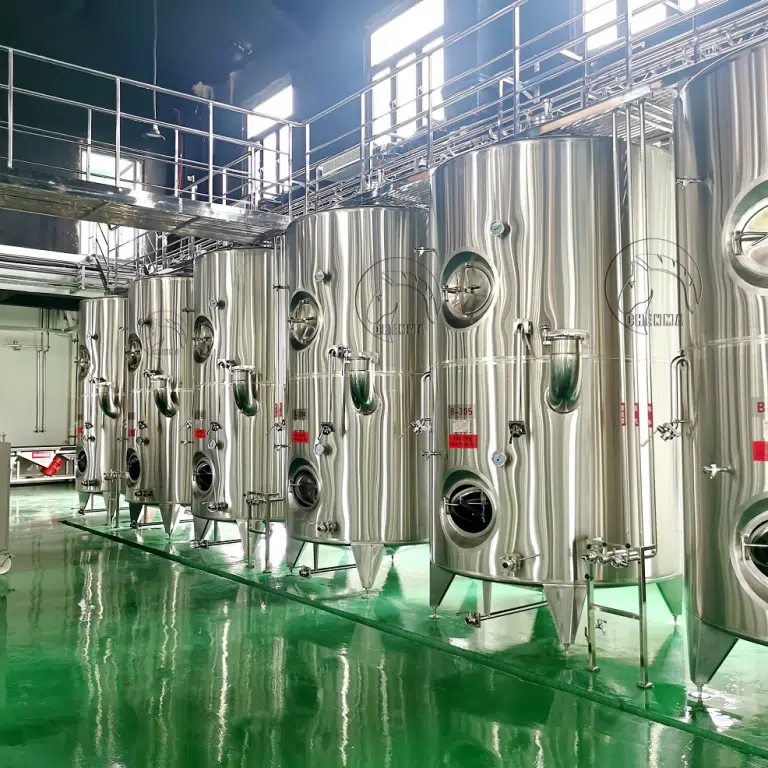
Cider fermentation tanks works best in darkness. Light, especially sunlight, can alter the quality of cider by producing off-flavors or causing temperature fluctuations. While some studies suggest that ultraviolet light contributes to food safety and extends shelf life, most winemakers still store cider jars in a cool, dark place to preserve their flavor. This simple step helps ensure the final drink tastes fresh and delicious.
Key Takeaways
- Ferment cider in darkness. This helps protect its flavor and quality. Light can cause off-flavors and ruin the cider.
- Choose a cool, dark place for fermentation. A basement or closet are good choices. This maintains a stable temperature, which is beneficial for yeast activity.
- Use coverings or dark cloths to block out light. These simple measures prevent changes in the flavor and aroma of the cider.
- Choose stainless steel fermentation tanks. They completely block out light. They also prevent oxygen from entering, thus maintaining the freshness of the cider.
- Observe the fermentation process in darkness. Winemakers can check the progress of fermentation without allowing light that could damage the cider.
Light and Fermenting Cider
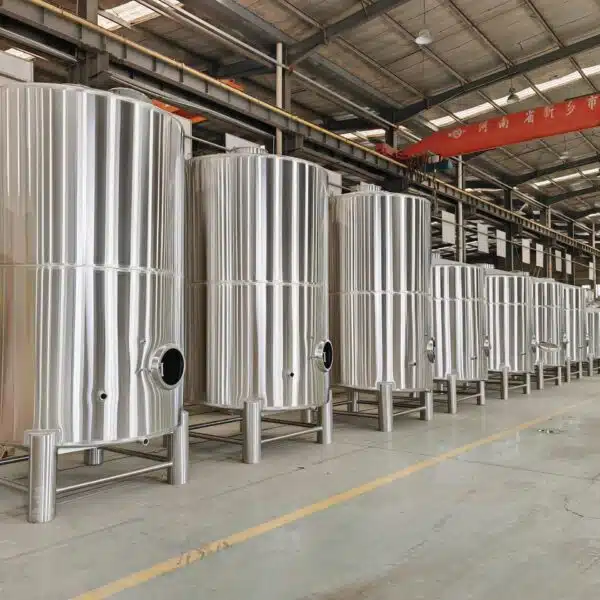
How Light Affects cider Fermentation
The impact of light on cider is far greater than people imagine. If cider is placed in bright light, it can undergo changes that are imperceptible to the naked eye. Scientists point out that ultraviolet (UV) radiation from sunlight and certain types of artificial light can damage fermenting cider.
UV radiation can cause the production of harmful substances in cider. Fluorescent lamps also emit UV radiation, which can affect the quality of the cider.
Even ordinary indoor lighting can sometimes cause problems. The optimal state for cider fermentation is to avoid direct sunlight. Placing cider in a dark environment helps prevent changes that can negatively affect its taste or aroma.
Risks of Sunlight Exposure
Sunlight does much more than just light up a room. It also causes the cider to heat up rapidly. This makes maintaining the appropriate fermentation temperature difficult. Yeast thrives between 59 and 77 degrees Fahrenheit. If the temperature exceeds 86 degrees Fahrenheit, the yeast may be stimulated or even die. This can cause the cider to develop an off-putting taste or stop fermentation before it is complete.
Sunlight also causes chemical changes in cider.
Sunlight produces new chemicals in cider. These changes are due to photosensitive compounds and accelerated aging. Light alters riboflavin and other sensitive components, worsening the cider’s aroma and color.
Therefore, cider left in the sun may look or smell strange. These changes can make the cider taste bland or odd, which is not a good thing.
Yeast and Flavor Impact for cider
Yeast does not need a dark environment, but darkness helps maintain the good taste of cider. Some people think that light is irrelevant during fermentation. This is incorrect. Light can ruin the smooth flavor of cider, just like it does with beer after it has been “sun-exposed.”
- Some people think that light does not harm cider. But light will ruin the flavor of cider, just like beer.
- Some people think that bottle color is just for aesthetics. But color helps protect cider from light. Amber glass bottles offer the best light-blocking effect.
- People may think that only beer is affected by light. But other beverages, such as wine and kombucha, will also lose flavor due to light exposure.
Storing cider in the dark helps maintain its fresh flavor and aroma. This applies to both home brewers and large breweries. Keeping cider away from light allows the best apple flavors to be fully preserved in your glass.
Benefits of Darkness for Cider
Cider Consistent Temperature
Darkness helps maintain a stable temperature for cider. When stored in the dark, cider is protected from sudden exposure to sunlight. This stable environment is conducive to optimal yeast activity. If the temperature fluctuates, yeast activity will decrease or even stop. A cool, dark environment helps the fermentation process proceed smoothly. This is why many home brewers choose basements or closets to store their cider. Commercial cider producers typically use dedicated rooms or tanks to maintain a cool and dark environment.
Tip: Stable temperatures mean fewer spoilage problems and better-tasting cider.
Preventing Cider Off-Flavors
Light can cause off-flavors in cider. Excessive light exposure can produce off-flavors that mask the flavors of fresh apples. These off-flavors originate from chemical changes during fermentation. A dark environment protects cider from these changes, preserving its crisp, pure taste. Winemakers want to avoid any off-flavors that aren’t part of the cider’s natural character. By fermenting cider in the dark, they can ensure the final product tastes just right.
- Light can give cider a skunky or bland flavor.
- A dark environment helps retain the richness of cider’s natural flavors.
- Whether home brewing or commercial brewing, reducing light exposure offers benefits.
Monitoring Cider Fermentation
A dark environment also facilitates observation of the fermentation process. In a cool, dark environment, cider fermentation is slower and the changes are more predictable. Winemakers can confidently check the cider without worrying about light causing problems. They can observe bubbles, smell the cider, and take samples to observe the fermentation process. This helps them detect any problems early. Both small and large cider producers use these methods to ensure the production of high-quality cider every time.
Note: A dark environment helps both beginners and experts better control the fermentation of cider.
Practical Tips for Fermenting Cider
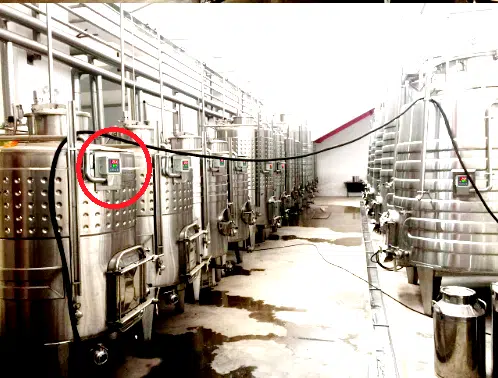
Choosing a Cider Fermentation Location
Finding a suitable location for cider fermentation is crucial. Many home winemakers look for cool, dark places. Some of the best locations include:
- Basements, which are generally temperature-stable and dimly lit.
- Closets, especially those away from windows.
- Any cool area that avoids direct sunlight.
A stable location helps protect the cider from sudden temperature changes. Placing the fermentation tanks in a dark place helps maintain the fresh taste of the cider. Direct sunlight can rapidly alter the quality of cider, making proper location crucial.
Shading
Even in ideal locations, some light may still seep in. Winemakers typically use covers or towels to block excess light. Wrapping the fermentation tanks in dark cloth or placing them in boxes also helps. Some people use cardboard or thick blankets. These simple techniques protect the cider from light, preventing off-flavors. Light protection helps maintain the cider’s crisp, pure taste.
Choosing the Right Fermentation Tank
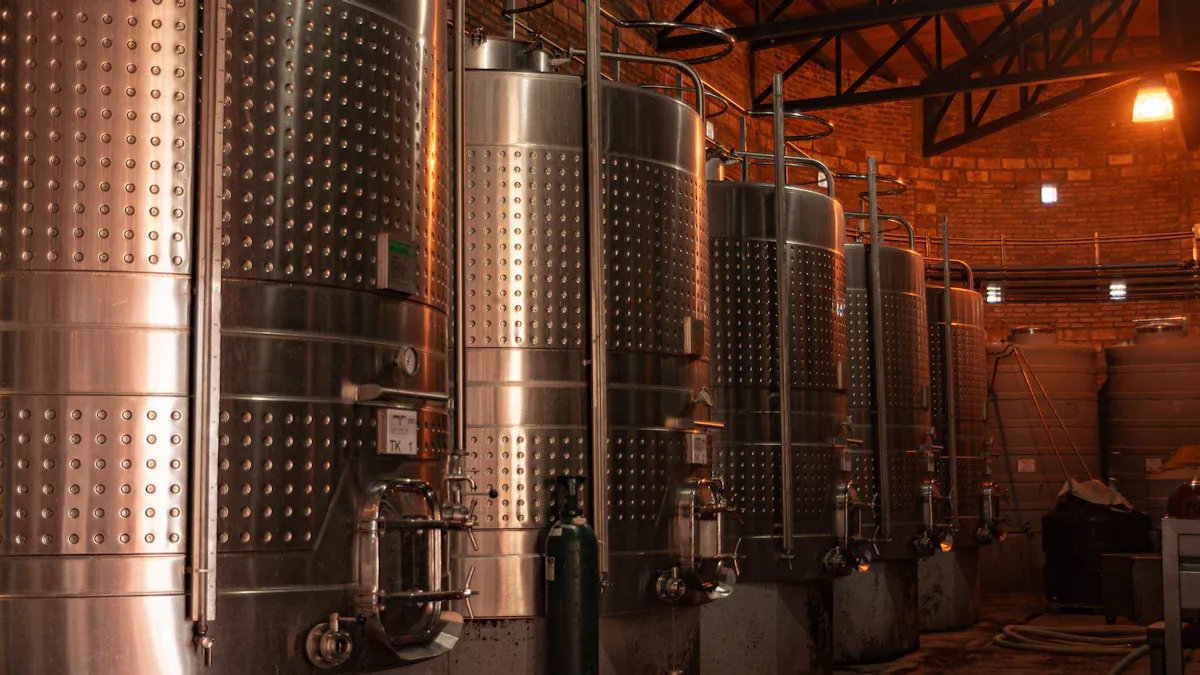
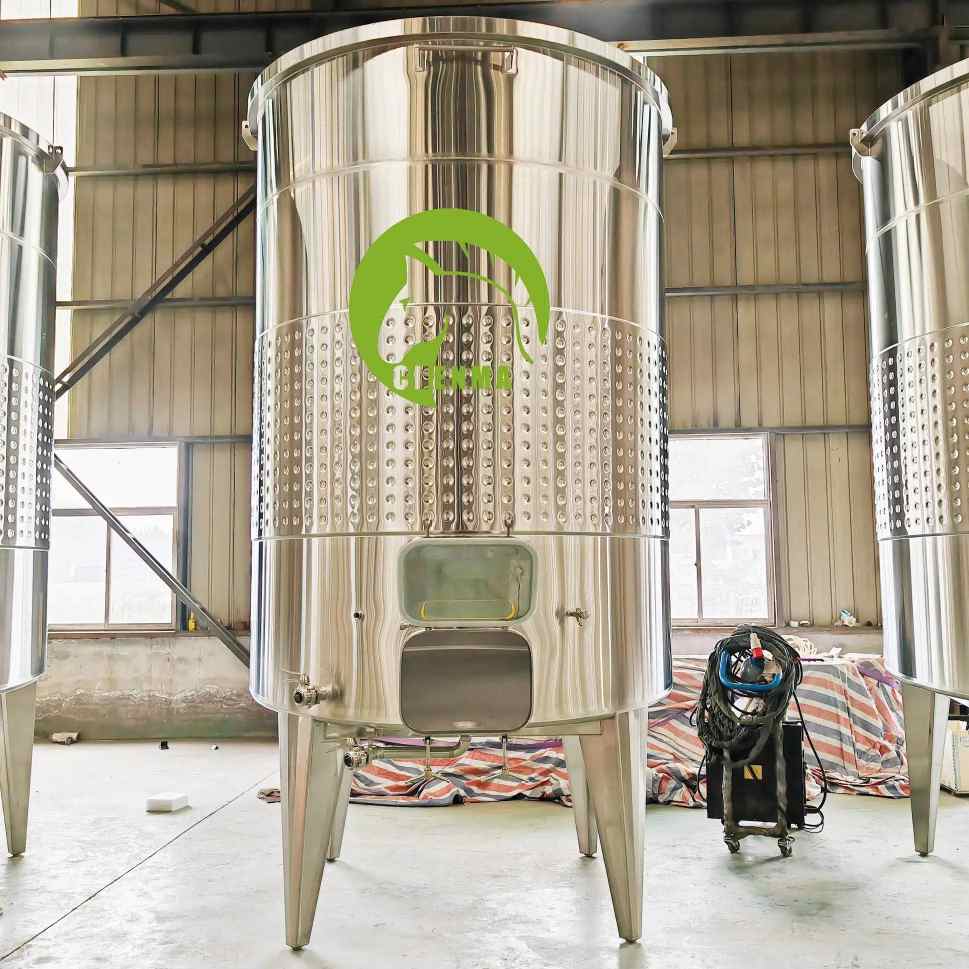
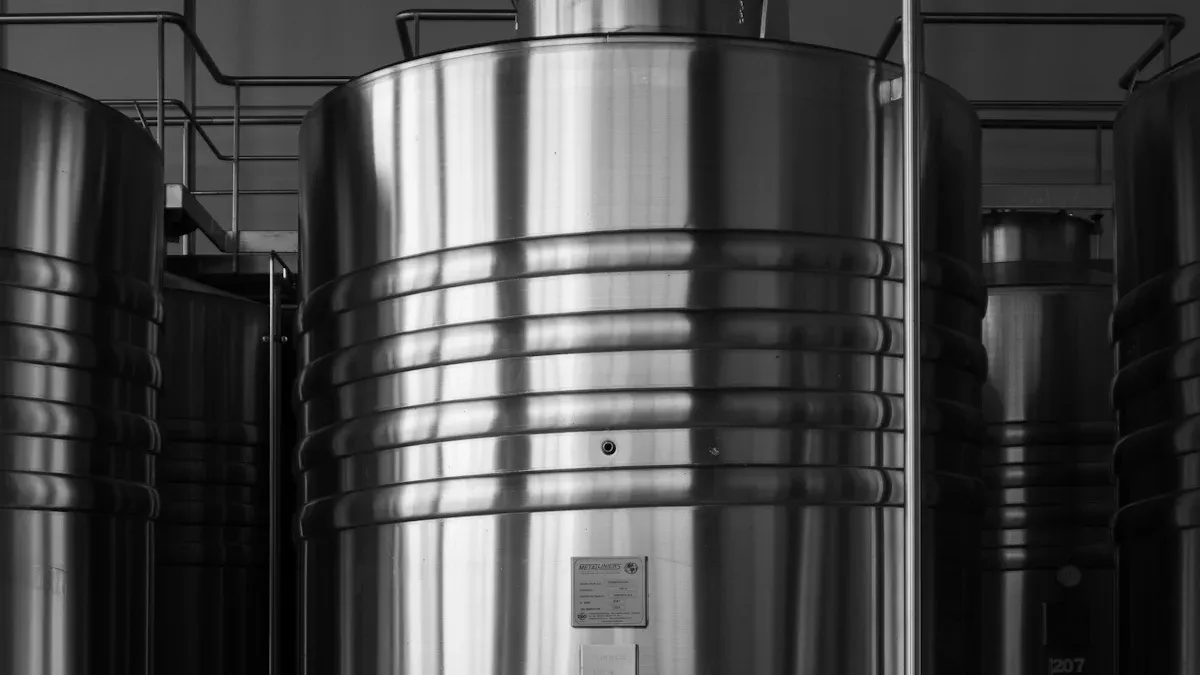
The type of tank used for fermenting cider also plays a vital role. Stainless steel tanks completely block light, protecting the cider from harmful rays. While opaque tanks offer some protection, stainless steel tanks have a longer lifespan and effectively block oxygen. This maintains the cider’s fresh taste and prevents unwanted changes in color or aroma. Stainless steel tanks also facilitate control of the fermentation process.
Shandong Chenma Machinery Co., Ltd. provides wine fermentation tanks suitable for small and large cider producers. Their fermentation tanks come in various sizes and are made of durable, sanitary-grade stainless steel. They also provide installation and technical support. Commercial winemakers can customize designs to suit their space and needs. With the right fermentation tanks and technical support, anyone can make quality cider every time.
When Complete Darkness Isn’t Possible
Cider Minimizing Light Exposure
Not everyone has a perfectly dark space for fermenting cider. Many people use kitchens, garages, or spare rooms. These places usually have windows or lights. Winemakers can still protect their cider with a few simple steps. They can move the fermentation tanks away from windows. Simple coverings, such as towels or cardboard boxes, can effectively block most light. Some people use wardrobes or cabinets for extra protection. Even a dark corner works better than direct sunlight.
Tip: Always keep the fermentation tanks away from direct sunlight. Sunlight is the biggest enemy of cider fermentation.
A little effort can yield great benefits. Using coverings or choosing a shady spot helps winemakers maintain the fresh taste of their cider. These tips apply to both home and commercial settings.
Cider Acceptable Light Levels
Some light in a room won’t ruin cider. Ambient light from lamps or ceiling lights is usually not a problem. The real danger comes from strong sunlight or ultraviolet radiation. Fermentation can proceed safely if cider is kept away from these sources. Winemakers don’t need to worry about occasional light penetrations during routine checks.
Fermentation is a relatively forgiving process. Many home winemakers make delicious cider even in less-than-ideal conditions. They focus on keeping the cider cool and avoiding direct sunlight. This method preserves the cider’s pure flavor and ensures a stable fermentation process. This flexibility allows everyone to enjoy making cider, no matter where they are.
Note: While maximum darkness yields the best results, it doesn’t mean that making quality cider requires complete darkness.
Fermenting cider in darkness helps maintain its rich flavor and excellent quality. Winemakers can follow these simple steps for best results:
- Maintain a stable temperature between 55°F and 72°F.
- Use clean equipment each time.
- Choose the right yeast and add nutrients.
- Closely observe any changes during fermentation.
Using stainless steel tanks makes the process easier. Whether you’re a home brewer or a commercial brewer, you can use these techniques to make delicious cider.
FAQ
How dark should the fermentation space be?
Winemakers should keep the fermentation space as dark as possible. Direct sunlight will cause problems. Ambient light is generally fine. Blocking most of the light helps maintain the fresh taste of the cider.
Can cider be fermented in clear glass containers?
Yes, but the containers should be covered with a towel or placed in a dark place. This protects the cider from light and helps prevent off-flavors.
Is temperature as important as light?
Temperature is very important. Yeast is most active at stable temperatures. Sudden temperature changes can slow fermentation or cause spoilage. Darkness helps maintain a stable temperature.
What happens if cider is briefly exposed to light?
Short exposure to light usually won’t ruin the batch of cider. Winemakers should move the containers back to a dark place as soon as possible. Most problems stem from prolonged exposure to light.
Are stainless steel tanks better than plastic tanks for fermenting cider?
Stainless steel tanks provide complete darkness and have a longer lifespan. They help protect the cider from light and oxygen. Many commercial brewers choose stainless steel containers for these very reasons.