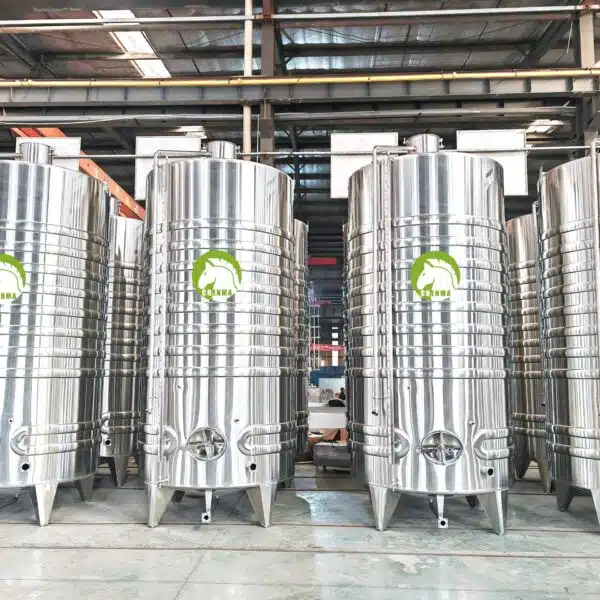
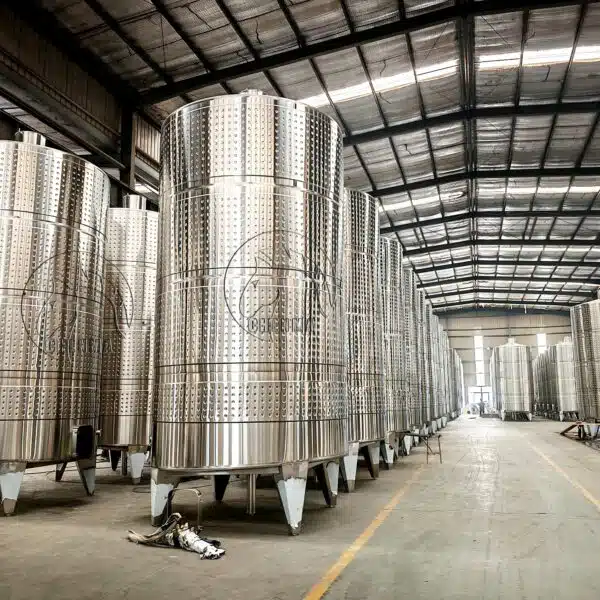
Winemakers use stainless steel wine tanks, glass carboys, and food-grade plastic fermenters to store wine during fermentation. Good storage needs a steady temperature, strong insulation, and regular checks. These things help yeast work well and keep the flavor safe. Chenma’s wine tank solutions help winemakers keep fermentation stable, so the wine stays good and the same every time.
Key Takeaways
- Stainless steel wine tanks help keep the temperature steady. They also keep the flavor safe. These tanks last a long time. They are simple to clean.
- Glass carboys work well for small batches. You must handle them with care. You can watch the fermentation happen.
- Plastic fermenters are light and cheap. You need to replace them often. Make sure they are food-grade. Check that they do not have scratches.
- Keep the temperature and humidity steady. This helps fermentation work best. Do not let them change quickly. Sudden changes can spoil the wine.
- Keep wine safe from light by using colored glass or stainless steel. This keeps the wine tasting good. It also keeps the quality high.
Wine Tank Options
Stainless Steel Wine Tank
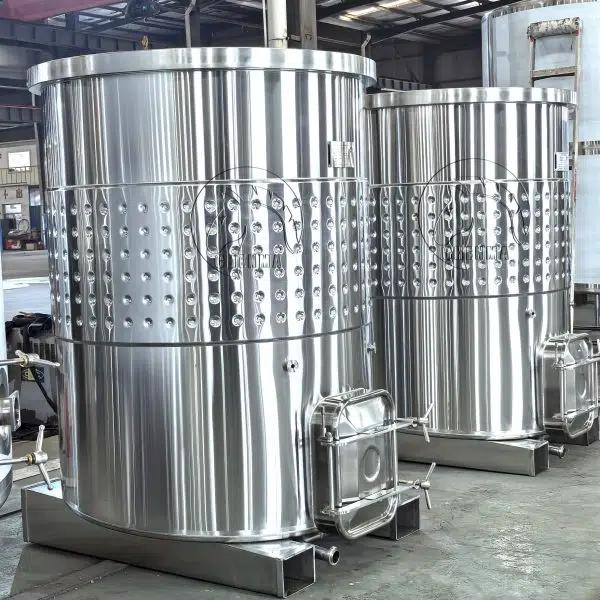
Many winemakers pick stainless steel wine tanks first. Shandong Chenma Machinery Co., Ltd. makes wine tank solutions that help control temperature and keep things clean. These tanks are made from sanitary stainless steel. This metal does not rust and lasts a very long time. The company can make tanks in different shapes and sizes. Some tanks can be stacked, and some have insulation or cooling jackets. Winemakers can choose a suitable tank manufacturer based on their site space and brewing needs.
Tip: Stainless steel wine tanks let you control temperature exactly. This helps yeast do its job and keeps the wine flavor the same.
The table below lists the main good things about stainless steel wine tanks compared to other containers:
| Advantage | Description |
|---|---|
| Consistency | Stainless steel tanks let you set the temperature just right. This keeps each batch the same. |
| Flavor Preservation | They do not add taste, so the grape’s real flavor stays. |
| Scalability and Efficiency | These tanks are strong and last long, so you save money. They work well for making lots of wine. |
| Easy Maintenance | The smooth surface stops bacteria and mold. Cleaning is easy and there is less risk of germs. |
| Cost-Effectiveness | They cost more at first, but last so long you save money later. |
| Control Over Oxidation | You can control how much air gets in, so the wine stays good. |
Shandong Chenma Machinery Co., Ltd. makes wine tanks with features that help winemakers at every step. These features are:
- Custom designs for size and shape
- Advanced systems to control temperature
- Choices for insulation and cooling jackets
- Good for small or big batches
A good stainless steel wine tank can last 30 to 50 years or even longer. This makes it a smart buy for wineries that want equipment they can trust.
Glass Carboy
Glass carboys are used a lot for making small amounts of wine. They are clear, so winemakers can see what is happening inside. Glass carboys have little empty space at the top, which helps stop too much air from getting in. Many winemakers use them to store and age wine for a long time.
The table below shows the good and bad things about glass carboys:
| Benefits | Drawbacks |
|---|---|
| Good for storing and aging wine | Changes in temperature can hurt the seal |
| Less empty space means less air gets in | Bad flavors can happen if not sealed right |
| Can use sulfites like with wine bottles | Need to seal carefully |
Glass carboys can break easily because they are fragile. You must handle them with care and seal them well to keep the wine safe. Glass carboys do not let you control temperature like stainless steel wine tanks do.
Plastic Fermenter
Plastic fermenters are light and simple to use. Many people who make wine at home like them because they are cheap and easy. Food-grade plastic fermenters must follow strict safety rules, like FDA 21 CFR and NSF/ANSI 2, to make sure the wine is safe.
| Certification/Standard | Description |
|---|---|
| FDA 21 CFR | Makes sure the plastic is safe for food and does not leak bad chemicals. |
| EU 10/2011 | Sets rules for plastics that touch food in Europe. |
| NSF/ANSI 2 | Checks that food equipment is safe and clean. |
| ISO 9001 | Makes sure the company has good quality controls. |
| REACH compliant | Makes sure chemicals are safe for people and the earth. |
When using plastic fermenters, winemakers should do these safety steps:
- Use only food-grade containers that are safe for alcohol.
- Check for scratches, cloudy spots, or cracks before using.
- Clean and sanitize very well before each batch.
- Do not use them for too long and replace them after a while.
- Keep them at the right temperature and away from heat.
Plastic fermenters do not last as long as stainless steel wine tanks. Scratches can let bacteria grow, so winemakers need to get new ones often. Plastic fermenters are not as strong and do not have as many features as stainless steel wine tanks.
Comparing Storage Containers
Cleaning and Maintenance
Winemakers have different cleaning problems based on the container they use. Stainless steel tanks need careful temperature control. If the temperature changes, yeast can get stressed. This can make fermentation worse. Glass and plastic containers can get dirty easily. They must be cleaned and sanitized well. Scratches in plastic can hide bacteria. Clay and ceramic containers crack easily. Their surfaces are porous, so cleaning is hard.
Winemakers keep flavors safe by staying clean. Cleaning often stops residue from building up. Watching pH and acidity helps control fermentation.
Monitoring Fermentation
Watching fermentation is important when storing wine in bulk. Stainless steel tanks use a thermowell to check temperature. This tool keeps yeast at the right temperature. Glass containers let winemakers see inside. This makes it easy to watch fermentation. Plastic containers are not as good for monitoring, especially for long times.
- Stainless steel tanks: Use thermowell to check temperature.
- Glass carboy: Let winemakers see fermentation inside.
- Plastic fermenters: Not as good for watching over time.
Flavor Impact
The container’s material changes wine flavor during fermentation. Stainless steel keeps real flavors and smells. It does not add extra things, so floral, fruity, and herbal smells stay strong. Clay amphorae make wine more complex and soften tannins. They let in a little oxygen, making special flavors. Concrete tanks mix features of oak and stainless steel. They let in gentle oxygen but do not add flavors. Plastic and glass containers change flavor only a little. Most people notice small differences, not always because of the container.
Winemakers use different yeasts, oak, and temperatures to control flavor. Gas chromatography and mass spectrometry help check wine for bad compounds.
Environmental Factors
Temperature Control
Temperature is very important for wine fermentation. Yeast works best when the temperature does not change. If the temperature goes up or down, yeast can slow down. It can also make strange flavors. Winemakers use different containers to help control heat. Thick clay tanks keep the temperature steady. Stainless steel tanks have cooling jackets for better control. The table below shows the best temperatures for different wines:
| Wine Type | Optimal Temperature (°C) | Optimal Temperature (°F) |
|---|---|---|
| White Wine | 18–20 | 64–68 |
| Red Wine | 20–30 | 68–86 |
Keeping the temperature steady helps yeast make good flavors. Sudden heat can cause bad smells or make the wine worse.
Tip: Keep the fermentation area away from heaters, windows, or drafts. This helps stop big changes in temperature.
Light Exposure
Light can hurt wine while it ferments. It can break down important parts and cause problems. Winemakers use colored glass or stainless steel to block light. Amber glass blocks almost all blue and ultraviolet rays.
Light can mess up a wine’s chemical compounds and cause faults. This is called light-struck. Light-struck wines smell like wet dog, rotten egg, or burnt match. These smells are very unpleasant.
Light can ruin the delicate smells in wine. This makes the wine taste flat or less lively. Keeping wine safe from light keeps its flavor and quality.
Winemakers use cartons or sleeves to protect wine from light. They keep the fermentation space dim or dark.
Airflow
Airflow helps control oxygen near fermenting wine. Too much oxygen can spoil the wine or make bad flavors. Winemakers use airlocks to let carbon dioxide out but keep oxygen away. This stops oxidation and keeps the wine safe.
- Too much oxygen can let bad microbes grow.
- Bad airflow or dirty tools can cause strange smells or tastes.
Good airflow and clean tools help winemakers make great wine.
Practical Storage Tips
Setting Up Fermentation Space
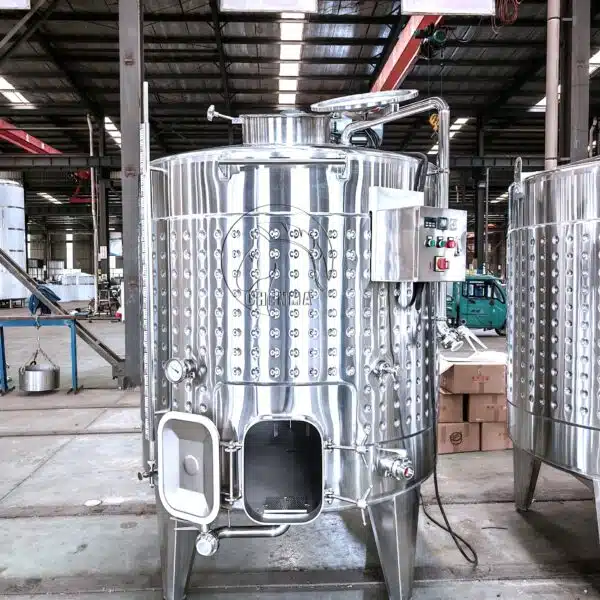
A good fermentation space helps winemakers make better wine. They pick a room with hot and cold water. This makes cleaning easier. The floor should be concrete, tile, vinyl, or linoleum. These floors do not soak up water and handle spills well. Walls should have enamel or tile that does not smell. This keeps the area clean. Winemakers choose places away from sunlight. Sunlight can spoil wine. Good ventilation helps control carbon dioxide during fermentation. The temperature should stay around 55 °F (13 °C). This helps yeast work and lets wine age well. Basements or rooms with air conditioning are good choices. They keep the temperature steady. Washable floors and water nearby make cleaning tools easy.
Winemakers need cleaning agents, soft brushes, pads that do not scratch, and wrenches. Safety gear is important. They use gas detectors, respirators, and safety goggles. These protect workers. Winemakers watch the temperature closely. High heat can ruin wine. Freezing can break seals.
Tip: Pick a space with steady temperature and surfaces that are easy to clean. This keeps fermentation safe and efficient.
Common Mistakes
Winemakers sometimes make mistakes that hurt wine quality. They must know how strong their containers are. Using the wrong container can be dangerous. Seals and closures are very important. Bad seals let in germs and stop gas from leaving. Changes in light and temperature can ruin wine. Winemakers use materials that block these things. Safety and rules matter. They pick packaging that follows food safety rules. They check suppliers to make sure everything is safe.
Bad storage causes problems. Changes in temperature can spoil wine or make it age too fast. Humidity must stay balanced. Low humidity dries corks and lets air in. This can oxidize wine. High humidity makes mold grow. Winemakers keep temperatures between 55°F and 58°F. Humidity should be between 50% and 70%.
Note: Watch temperature, humidity, and use the right containers. This keeps wine safe while it ferments.
Winemakers get better wine when they use stainless steel wine tanks. Keeping the fermentation area steady is important.
Chenma’s wine tanks can be made to fit what winemakers need. These tanks help control temperature and mix wine well. They also keep out too much oxygen. Winemakers get help with setup and training to make sure their wine stays good.
Picking the right container and keeping things steady helps winemakers keep flavor and freshness.
FAQ
What is the best container for fermenting wine?
Stainless steel tanks are tough and simple to clean. Glass carboys are good for making small amounts of wine. Food-grade plastic fermenters are best for people making wine at home. Chenma’s stainless steel tanks can be made to fit what wineries need.
How does temperature affect wine fermentation?
Temperature changes can make yeast work slower or cause bad flavors. Winemakers keep the fermentation area steady. Stainless steel tanks with cooling jackets help control heat.
Can light exposure spoil fermenting wine?
Light can break down wine and cause problems. Winemakers use stainless steel tanks or colored glass to block bad rays. They keep the fermentation space dim.
How often should winemakers clean fermentation containers?
Winemakers clean containers before every batch. Stainless steel tanks need regular sanitizing. Glass and plastic must be checked for cracks or leftover stuff.
Why do winemakers choose Chenma’s wine tanks?
Chenma’s tanks have custom designs, temperature control, and are easy to clean. Winemakers trust these tanks because they give steady results and last a long time.