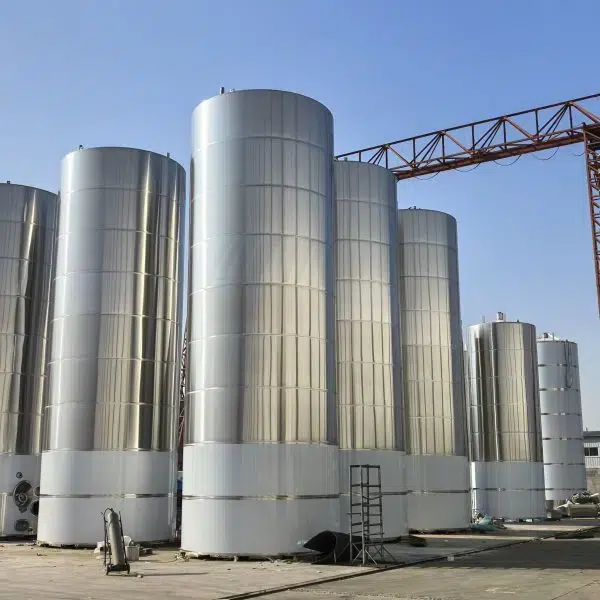

Yes, high-quality 304 or 316 stainless steel water tanks are considered one of the safest options for drinking water storage. They are non-toxic, corrosion-resistant, and do not leach harmful substances into the water, making them widely used in both residential and commercial applications.
Compared with plastic or other materials, stainless steel tanks offer excellent durability and can last 20–50 years with minimal maintenance, making them a reliable long-term water storage solution.
Key Takeaways
- High-grade 304 and 316 stainless steel tanks are safe for drinking water storage
- A natural chromium oxide layer protects stainless steel from rust and corrosion
- Smooth, non-porous surfaces help prevent bacterial buildup and simplify cleaning
- Stainless steel tanks typically last much longer than plastic alternatives and are fully recyclable
- Regular cleaning and maintenance are essential for long-term water safety and tank performance
- Certified food-grade stainless steel tanks help ensure compliance with global health and safety standards
Why Stainless Steel Water Tanks Are Safe

Corrosion Resistance and Rust Prevention
Stainless steel’s exceptional rust resistance comes from its unique chromium content (at least 10.5%). When exposed to oxygen, chromium forms a thin, invisible protective layer on the surface. If the tank gets scratched, this layer automatically repairs itself, preventing rust from spreading.
Additional alloying elements enhance protection:
- Nickel improves overall corrosion resistance
- Molybdenum provides extra protection against saltwater and acidic environments
| Steel Grade | Corrosion Resistance | Best For |
|---|---|---|
| 304 | Excellent | Most residential and commercial applications |
| 316L | Superior | Coastal areas, brackish water, and industrial use |
💡 Pro Tip: Always choose 316L stainless steel for tanks installed near the ocean or in areas with harsh water conditions.
Hygienic and Non-Toxic Surface
Stainless steel has a smooth, non-porous surface that leaves no place for bacteria, dirt, or algae to hide. Advanced orbital welding eliminates sharp corners and gaps, further reducing contamination risks.
Independent testing confirms minimal metal leaching, well below global safety limits:
- Iron: <40 parts per billion (ppb)
- Chromium: ~3.5 ppb (max 7.1 ppb)
- Nickel: Typically below detectable levels
CHENMA tanks use food-grade 304 or 316L stainless steel and precision welding techniques. They comply with NSF/ANSI 61 standards, ensuring no harmful substances enter drinking water.
Long Service Life and Structural Durability
Stainless steel tanks are built to last decades, even in harsh conditions:
| Tank Material | Average Service Life |
|---|---|
| Stainless Steel | 20 – 50 years |
| Concrete | 40 – 50 years |
| GRP (Fiberglass) | 25 – 40 years |
| Plastic | 10 – 15 years |
Key durability features:
- Resists cracks, leaks, and impact damage
- Withstands extreme temperatures and weather conditions
- Does not warp or degrade when storing hot water
- Requires minimal maintenance over its lifespan
CHENMA’s cylindrical tank design provides superior structural stability, reducing stress points and minimizing repair needs. All tanks undergo rigorous quality testing before delivery.
Potential Safety Risks to Avoid
Risks of Low-Quality Stainless Steel
Not all stainless steel tanks are created equal. Low-quality tanks made from inferior steel with insufficient chromium or nickel can:
- Rust and corrode prematurely
- Leach harmful levels of heavy metals into water
- Develop leaks and structural failures
⚠️ HEALTH WARNING: Low-grade stainless steel can release nickel, chromium, and lead into drinking water. Long-term exposure to these metals can cause kidney damage, skin irritation, and other serious health issues. Always verify the steel grade and certifications before purchasing.
Poor Maintenance and Water Contamination
Even the highest quality tank requires regular care. Without proper maintenance:
- Sediment and bacteria can build up inside the tank
- Algae growth may occur if the tank is exposed to sunlight
- The protective chromium layer can degrade over time
Schedule a full tank cleaning and inspection at least once a year. For tanks used in high-risk areas, test water quality every 6 months.
Preventing Corrosion and Metal Leaching
Follow these steps to protect your tank:
- Use only NSF 61 certified coatings for interior protection
- Clean the tank annually with a food-grade citric acid solution
- Rinse thoroughly and allow to air dry completely before refilling
- Inspect for signs of rust or damage during each cleaning
Stainless Steel vs. Other Water Tank Materials

Stainless Steel vs. Plastic Tanks
| Feature | Stainless Steel | Plastic |
|---|---|---|
| Chemical Leaching | None | May release BPA and other chemicals when heated |
| Bacterial Growth | Inhibited | Promoted by porous surfaces |
| Lifespan | 20–50 years | 10–15 years |
| Recyclability | 100% recyclable | Difficult to recycle |
| UV Resistance | Excellent | Poor (degrades in sunlight) |
Plastic tanks are cheaper upfront but need to be replaced much more often. They also pose a risk of chemical leaching, especially when exposed to direct sunlight or high temperatures.
Stainless Steel vs. Concrete Tanks
| Feature | Stainless Steel | Concrete |
|---|---|---|
| Water Taste | No change | May increase alkalinity and alter taste |
| Maintenance | Low | High (requires regular lining replacement) |
| Installation | Fast and easy | Time-consuming and expensive |
| Leak Resistance | Excellent | Prone to cracks and leaks |
Concrete tanks are durable but require frequent maintenance to prevent leaks and water contamination. They also tend to change the pH and taste of stored water.
How to Ensure Your Stainless Steel Tank Is Safe
Choose the Right Steel Grade
- 304 Stainless Steel: Ideal for most residential and commercial drinking water applications
- 316L Stainless Steel: Required for coastal areas, brackish water, or industrial use
✅ BUYER’S TIP: Always ask for a mill test report (MTR) to verify the steel grade. Reputable manufacturers like CHENMA will provide this documentation upon request.
Verify Certifications and Standards
Safe water tanks must meet strict international standards:
| Certification | Purpose |
|---|---|
| NSF/ANSI 61 | Ensures no harmful substances leach into drinking water |
| AWWA D100 | Defines design and construction standards for steel water tanks |
| NSF 372 | Confirms compliance with lead-free requirements |
| ISO 9001 | Ensures consistent quality management |
| ISO 14001 | Verifies environmental responsibility |
Proper Installation and Maintenance
Proper installation and regular maintenance help stainless steel water tanks remain hygienic, durable, and reliable for long-term use. Tanks should be installed on a flat, reinforced base with secure pipe connections and properly designed overflow and drainage systems. After installation, the tank should be inspected carefully for leaks, weld defects, or early signs of corrosion.
Routine maintenance is equally important for preserving water quality and extending tank lifespan. Recommended maintenance practices include:
- Inspecting the tank regularly for leaks, rust, or structural damage
- Cleaning interior surfaces using food-safe cleaning methods
- Testing stored water periodically to ensure cleanliness and safety
- Checking valves, fittings, and seals for wear or deterioration
CHENMA also provides installation guidance and long-term technical support to help customers maintain reliable water storage systems for residential, commercial, and industrial applications.
Conclusion
Stainless steel water tanks are the safest and most durable option for storing drinking water. They are non-toxic, corrosion-resistant, and easy to maintain. While they have a higher upfront cost, their long lifespan and low maintenance requirements make them the best value over time.
CHENMA is a leading manufacturer of high-quality stainless steel water tanks. We use only certified 304 and 316L stainless steel and follow strict international quality standards. Our tanks are designed to provide safe, clean drinking water for your home or business for decades.
FAQ
Are stainless steel water tanks safe for drinking water?
Yes. High-quality 304 or 316L stainless steel tanks are completely safe for drinking water. They do not react with water or leach harmful chemicals, making them the preferred choice of health authorities worldwide.
How often should I clean my stainless steel water tank?
You should clean and inspect your tank at least once a year. In areas with high sediment or harsh water conditions, clean every 6 months. Regular cleaning prevents bacterial growth and maintains water quality.
Can stainless steel tanks rust over time?
High-quality stainless steel is highly rust-resistant. The self-healing chromium layer prevents rust from forming, even if the surface is scratched. Proper maintenance and choosing the right steel grade for your environment will ensure your tank remains rust-free for decades.
Do stainless steel tanks change the taste of water?
No. Stainless steel is completely inert and does not alter the taste, smell, or color of water. This is one of the main reasons it is preferred over plastic or concrete tanks for drinking water storage.
Are stainless steel water tanks more expensive than plastic tanks?
Yes, stainless steel tanks have a higher upfront cost. However, they last 2–3 times longer than plastic tanks and require much less maintenance. Over a 20-year period, stainless steel tanks are actually more cost-effective than plastic tanks.