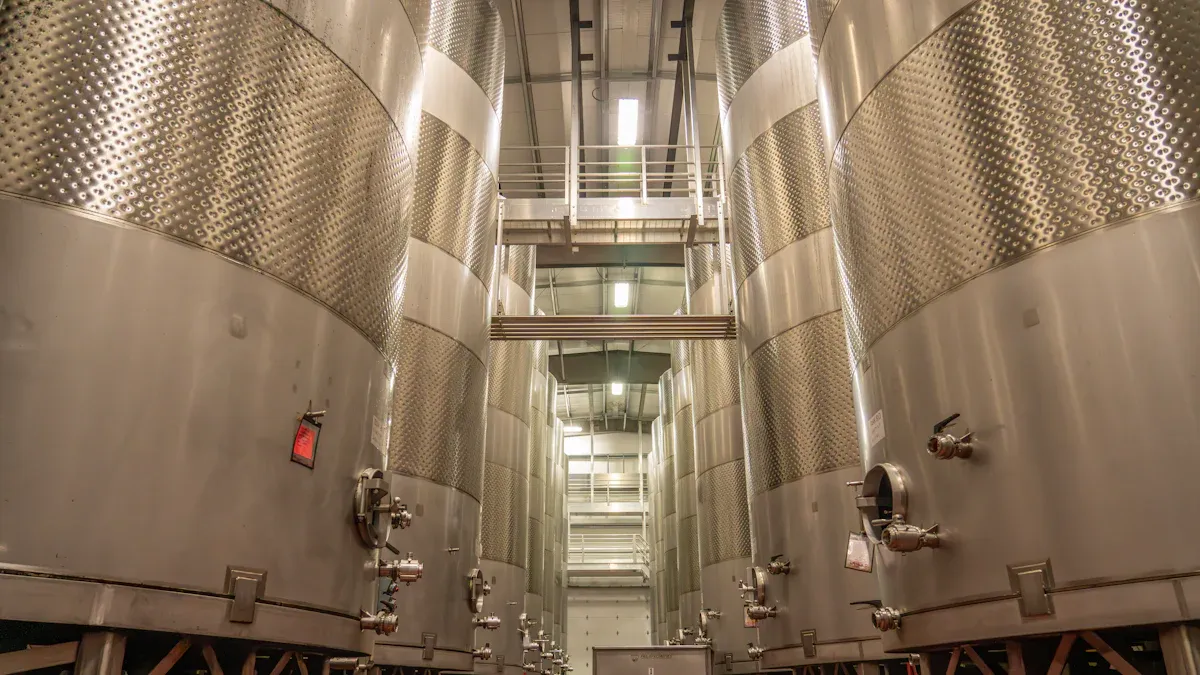

Stainless steel is widely considered the best material for milk storage because it is hygienic, durable, and non-reactive. It helps preserve milk freshness, flavor, and nutritional quality while meeting modern food safety standards.
Compared with aluminum, copper, and other metals, stainless steel offers better corrosion resistance, easier cleaning, and longer service life. Food-grade stainless steel milk tanks are commonly used in dairy farms, milk collection centers, and processing facilities for reliable long-term storage.
Key Takeaways
- Stainless steel is the best metal for milk storage due to its non-reactive, non-porous surface
- Food-grade 304 and 316 stainless steel prevent bacterial growth and preserve milk freshness
- Unlike aluminum or copper, stainless steel does not leach harmful chemicals into milk
- Regular cleaning after every use is essential to maintain hygiene and prevent corrosion
- Stainless steel tanks have a 20+ year lifespan, offering the lowest total cost of ownership
- CHENMA stainless steel milk tanks meet ISO and CE food safety standards
Why Stainless Steel Is Best for Milk Storage

Safety and Hygiene
Hygiene is the most important factor in milk storage, and stainless steel is widely preferred because of its smooth, non-porous surface. Unlike porous materials, it does not absorb liquids or develop tiny cracks where bacteria, mold, and other microorganisms can grow.
Food-grade 304 and 316 stainless steel are commonly used in milk tanks because they resist rust, corrosion, and chemical reactions with dairy products. A protective chromium oxide layer forms naturally on the surface, helping maintain cleanliness and preventing contamination. These properties make stainless steel tanks suitable for dairy farms, milk collection stations, and food-processing facilities.
| Feature | Benefit |
|---|---|
| Non-porous surface | Helps prevent bacteria and mold buildup |
| Smooth interior finish | Makes cleaning easier and reduces residue |
| Corrosion resistance | Prevents rust and metal contamination |
| Food-grade stainless steel | Safe for long-term milk contact |
Pro Tip: Clean milk tanks immediately after each use. Rinse with warm water and use a food-safe detergent to remove milk residue completely. Pay close attention to corners, valves, lids, and welded areas where buildup can occur.
Preserving Milk Quality
Stainless steel is completely inert and will not react with milk’s natural components. This preserves the original taste, aroma, and nutritional value of the milk. Unlike other metals, it will not impart any metallic flavors or odors.
Stainless steel tanks also support precise temperature control, which is essential for keeping milk fresh. Proper cooling at 4°C (39°F) slows bacterial growth and helps extend milk shelf life by slowing bacterial growth.
Durability and Low Maintenance
Stainless steel tanks are built to last. They resist dents, scratches, and impact damage, even in demanding industrial environments. With proper care, a high-quality stainless steel milk tank can last 20+ years.
Cleaning is fast and easy thanks to the smooth surface. This reduces downtime and maintenance costs for dairy operations.
Comparing Other Metals for Milk Storage
Aluminum Milk Cans
Aluminum cans are lightweight and inexpensive, making them popular with small-scale farmers. However, they have significant drawbacks:
| Advantages | Disadvantages |
|---|---|
| Lightweight and easy to carry | Aluminum leaching into acidic milk |
| Good thermal conductivity | Harder to clean thoroughly |
| Low initial cost | Prone to dents and scratches |
Food Safety Warning: Uncoated aluminum can react with milk’s lactic acid, causing aluminum ions to leach into the milk. Long-term exposure to high levels of aluminum has been linked to health concerns.
Copper Milk Cans
Copper is no longer recommended for milk storage. It reacts strongly with lactic acid, causing:
- Off-flavors and discoloration
- Copper leaching into the milk
- Rapid bacterial growth
Even small amounts of copper can accelerate milk spoilage and pose health risks.
Tin Milk Cans
Tin cans were once widely used for milk storage, but they have been largely replaced by stainless steel:
| Benefits | Drawbacks |
|---|---|
| Good barrier against oxygen | Prone to rust and corrosion |
| Preserves freshness | Most modern “tin” cans are actually tin-plated steel |
| Low cost | Short lifespan compared to stainless steel |
Stainless Steel vs. All Other Metals
| Metal | Safety | Durability | Ease of Cleaning | Taste Preservation | Overall Rating |
|---|---|---|---|---|---|
| Stainless Steel | Excellent | Excellent | Excellent | Excellent | ⭐⭐⭐⭐⭐ |
| Aluminum | Poor | Good | Fair | Poor | ⭐⭐ |
| Copper | Very Poor | Fair | Poor | Very Poor | ⭐ |
| Tin | Fair | Poor | Fair | Good | ⭐⭐ |
Stainless steel provides the best overall balance of hygiene, durability, and corrosion resistance for milk storage.
How to Choose the Right Stainless Steel Milk Tank

- Select the appropriate grade: 304 stainless steel is suitable for most applications. Choose 316 stainless steel for coastal areas or for storing fermented dairy products.
- Determine the right size: Match the tank capacity to your daily milk production.
- Check for food safety certifications: Look for ISO, CE, or 3-A Sanitary Standards certification.
- Consider additional features: Insulation, cooling systems, and level indicators can improve functionality.
- Evaluate vendor support: Choose a supplier that offers warranties, spare parts, and technical support.
CHENMA offers custom stainless steel milk tanks tailored to your specific needs. Our technical team can help you select the perfect size and features for your operation.
Practical Milk Storage and Cleaning Tips
Proper Cleaning Procedure
Keeping milk storage equipment clean is essential for preventing bacterial growth and preserving milk quality. Follow these basic cleaning steps after each use:
- Rinse the tank with warm water immediately after emptying
- Use a soft brush or cloth with a food-safe detergent to clean all interior surfaces
- Pay close attention to corners, valves, lids, and welded seams where residue may collect
- Rinse thoroughly with clean water to remove all detergent residue
- Allow the tank to air dry completely before storage or reuse
- Perform regular deep cleaning and sanitizing with approved food-grade cleaning agents
Milk Storage Best Practices
Proper storage conditions help maintain milk freshness, flavor, and safety:
- Store milk at 4°C (39°F) or below whenever possible
- Avoid leaving milk at room temperature for extended periods
- Clean and sanitize all containers and transfer equipment before use
- Keep the storage area clean, dry, and well ventilated
- Inspect tanks regularly for signs of corrosion, dents, damaged seals, or contamination
- Use food-grade stainless steel containers for long-term durability and hygiene
Conclusion
Stainless steel remains the preferred material for milk storage in modern dairy operations because of its hygiene, durability, and resistance to corrosion. Properly maintained stainless steel tanks can provide reliable long-term performance while helping preserve milk quality and food safety.
Whether you’re a small-scale farmer or a large dairy processor, investing in high-quality stainless steel milk tanks is essential for maintaining product quality and meeting food safety standards. CHENMA offers a full range of customizable stainless steel milk storage solutions designed to meet your specific needs. To learn more about CHENMA stainless steel milk tanks and request a free quote, contact our team today.
FAQ
Can stainless steel tanks affect the taste of milk?
No. Stainless steel is completely inert and does not react with milk. It preserves the original taste, aroma, and nutritional value of the milk.
How often should someone clean a stainless steel milk tank?
You should clean the tank thoroughly after every use. Perform a deep clean with a food-grade sanitizer at least once a week. Regular cleaning prevents bacterial growth and keeps milk safe.
What is the difference between 304 and 316 stainless steel?
304 stainless steel contains 18% chromium and 8% nickel, offering excellent corrosion resistance for most applications. 316 stainless steel adds 2-3% molybdenum, which provides enhanced protection against salt and acidic environments.
Are stainless steel milk tanks safe for long-term storage?
Yes, stainless steel tanks are safe for long-term milk storage when properly maintained. They resist rust and corrosion and do not leach harmful chemicals into the milk.
What features should buyers look for in a milk storage tank?
Buyers should check for food-grade material certification, seamless interior design, easy access for cleaning, and optional features like insulation and temperature control. CHENMA offers all these features and more in our customizable milk tanks.