Light exposure can negatively affect fermenting cider, even after just a few hours of direct sunlight. It may lead to off-flavors, color changes, and fermentation issues such as sluggish or stuck fermentation.
Using a proper fermentation vessel, like a stainless steel or opaque cider fermenter, and keeping it in a dark environment is one of the simplest and most effective ways to protect your cider’s flavor and stability.
Key Takeaways
- Keep fermenting cider completely dark to preserve its fresh apple flavor and aroma.
- UV light can trigger chemical reactions that cause off-flavors and browning.
- Use opaque fermenters or wrap glass vessels in thick dark towels to block all light.
- Maintain a stable, cool temperature (60–68°F / 15–20°C) for healthy yeast activity.
- Even small light leaks can affect flavor—check your storage area regularly.
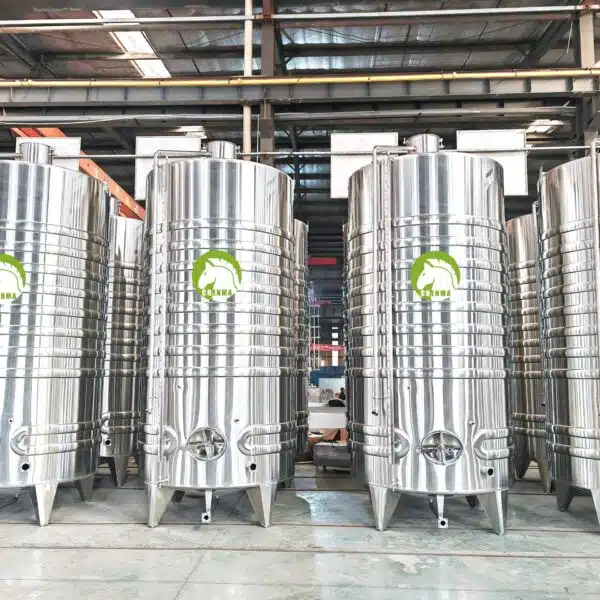
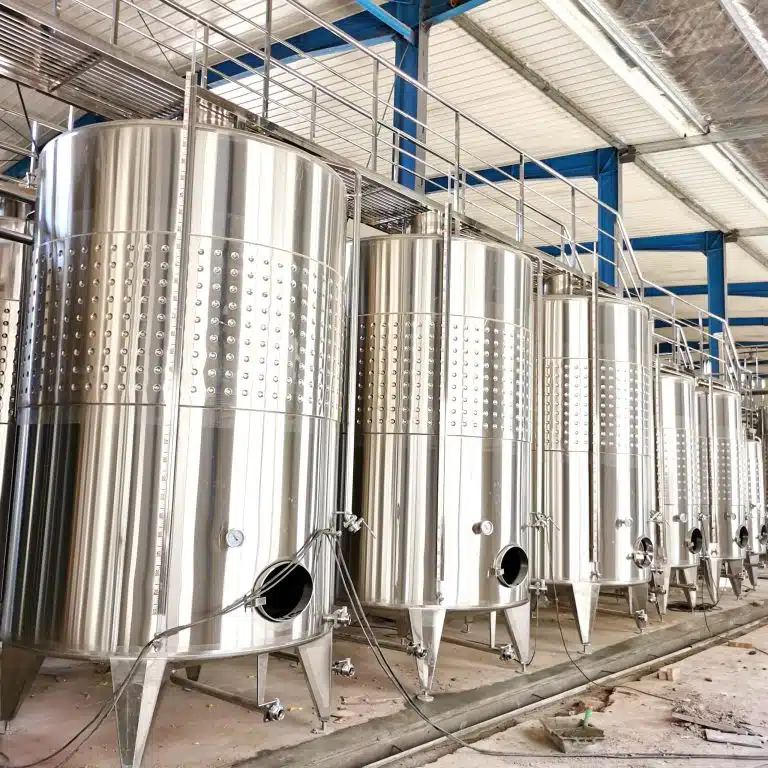
- CHENMA stainless steel fermentation tanks offer full light protection and precise temperature control.
Why Light Damages Fermenting Cider
UV Exposure and Chemical Reactions
Light, especially ultraviolet (UV) light from the sun, triggers three main harmful chemical reactions in cider:
| Reaction Type | What Happens | Scientific Source |
|---|---|---|
| Photo-oxidation of phenols | UV rays break down natural apple compounds called phenols, turning cider brown and giving it a bitter taste | Müller et al. (2014); Pala and Toklucu (2012) |
| Riboflavin-sensitized oxidation | Vitamin B2 (riboflavin) in apple juice reacts with light to create unpleasant sulfur and cardboard-like flavors | Fracassetti et al. (2019); Golombek et al. (2021) |
| Degradation of esters and alcohols | Light breaks down the fruity flavor compounds (esters) that give cider its characteristic taste | D’Auria et al. (2009); Kim et al. (2021) |
These reactions happen extremely quickly. Even indirect sunlight through a window can cause noticeable off-flavors in just 24 hours.
Effects on Yeast and Fermentation Stability
Light harms fermentation in two distinct ways:
- Direct yeast damage: UV light kills yeast cells or inhibits their activity, leading to stuck fermentation or incomplete sugar conversion
- Temperature fluctuations: Sunlight heats up the fermenter rapidly, causing temperature spikes that stress yeast and produce additional off-flavors
A dark, temperature-stable environment protects yeast cells and allows them to work efficiently throughout the 1–4 week fermentation process.
💡 Pro Tip: Light damage is cumulative. Even 10–15 minutes of daily exposure adds up over time and will permanently ruin the flavor of your cider.
What Happens If Cider Gets Exposed to Light?
Exposure to light during cider fermentation or storage causes a condition commonly known as “light strike”, which results in permanent changes to the cider’s appearance, aroma, and taste.
Common Signs of Light Strike
Check your batch for these clear indicators of light damage:
- Color shifts from bright golden yellow to dull brown, cloudy, or murky hues
- Loss of fresh apple aroma, replaced by musty, sulfur-like, or cooked apple notes
- Off-flavors including bitterness, wet cardboard, cooked vegetables, or stale bread
- A flat, lifeless finish with no crisp apple brightness
- Reduced carbonation or complete stalling of fermentation activity
- Visible haze, floating particles, or unusual sediment formation
Light also accelerates general oxidation, which further destroys fresh flavors and shortens the shelf life of your finished cider.
Can You Fix Light-Damaged Cider?
Light damage is mostly irreversible, especially once off-flavors have fully developed. However, depending on the severity, you may be able to reduce the impact:
- Mild exposure: Continued fermentation may slightly soften subtle off-flavors over time
- Moderate cases: Blend the affected cider with a fresh batch, or adjust flavor with fruit, honey, or spices to mask unwanted notes
- Severe damage: If strong sulfuric or rotten odors are present, the cider is not salvageable and should be discarded to avoid health risks
Preventing light exposure in the first place is far more effective than trying to fix damage after it occurs.
Best Practices for Light-Safe Fermentation
Choose a Completely Dark Storage Location
The only acceptable places to ferment cider are locations that block all natural and artificial bright light:
- Closed closets, pantries, or cabinets
- Basements or underground cellars
- Under sinks or desks
- Temperature-controlled wine fridges or dedicated fermentation chambers
⚠️ CRITICAL WARNING: Never place your fermenter near a window, skylight, or under bright overhead lights. Sunlight is 100 times more damaging than standard indoor artificial light.
Pick the Right Light-Blocking Fermentation Container
The container you use is the single most important factor in protecting your cider from light:
| Container Type | Light Protection Level | Notes |
|---|---|---|
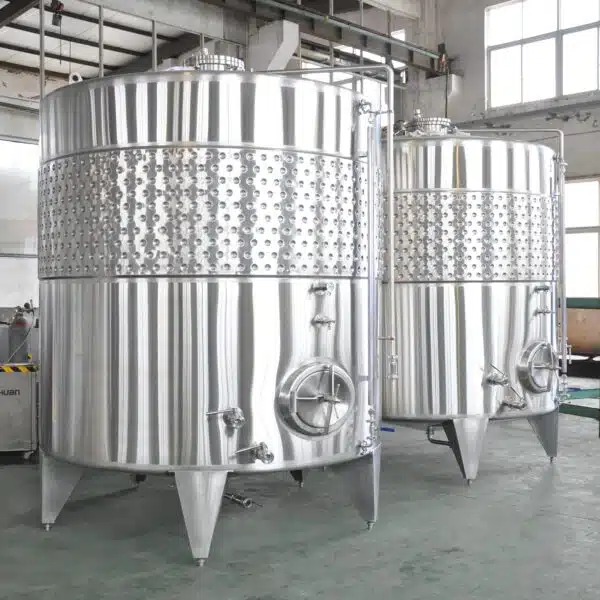
| Stainless Steel Tanks | 100% | Best overall option; also easy to clean, sanitize, and temperature-control |
| Opaque Plastic Fermenters | Excellent | Choose thick, black or dark-colored plastic only |
| Glass Carboys | Poor | Must be completely wrapped in thick black towels and placed inside a cardboard box |
| Clear Plastic Buckets | Very Poor | Not recommended for cider fermentation under any circumstances |
CHENMA stainless steel fermentation tanks are ideal for both home brewers and commercial producers. They block all light completely, feature precise digital temperature control, and are built to last for decades.
Pair Darkness with Steady Cool Temperatures
Temperature is just as critical as light for producing high-quality cider:
- Ideal fermentation range: 60–68°F (15–20°C) for clean, crisp, well-balanced cider
- Avoid fluctuations: Keep the fermenter away from heaters, air conditioners, and appliances that generate heat
- Monitor daily: Use a dedicated thermometer to ensure temperature stays within the optimal range
Combining complete darkness with a steady cool temperature is the golden rule for perfect cider fermentation.
Conclusion
Protecting cider from light during fermentation is essential for preserving flavor, aroma, and smooth fermentation. Even brief exposure can cause discoloration, off-flavors, and stalled fermentation.
Using a reliable solution makes all the difference. The CHENMA Cider Fermentation Vessel Solution provides full light protection, precise temperature control, and durable construction, ensuring consistent, high-quality cider every time. Trusted by both home brewers and commercial cideries, it’s the smart choice for producing fresh, flavorful cider batch after batch.
FAQ
How dark does the storage area need to be?
It should be completely dark when you close the door. If you can see your hand in front of your face, there is enough light to damage your cider. A closed closet or pantry works perfectly.
Can I use a glass carboy for fermentation?
Yes, but you must wrap it completely with thick black towels or place it inside a cardboard box. Light-colored towels do not block enough UV light to protect the cider.
What if my cider gets exposed to sunlight for a few hours?
Short exposure may not ruin the batch, but it will likely cause mild off-flavors. Move it to a dark place immediately and monitor the flavor as fermentation continues.
Are stainless steel tanks better than plastic for blocking light?
Yes. Stainless steel blocks 100% of all light, while even thick plastic can let some UV rays through. Stainless steel is also more durable, easier to clean, and does not retain odors.
Does temperature matter as much as light during fermentation?
Both are equally important. Yeast works best at steady cool temperatures, and light causes permanent chemical damage. For perfect cider, always keep it in a cool, dark place.

