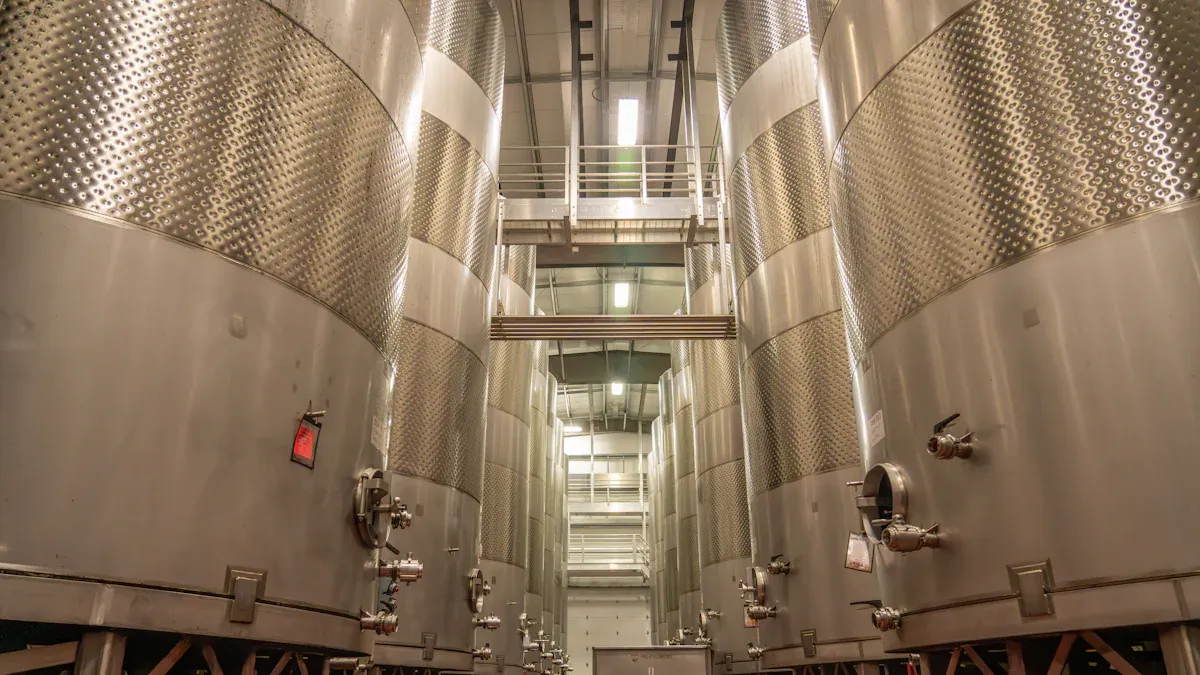
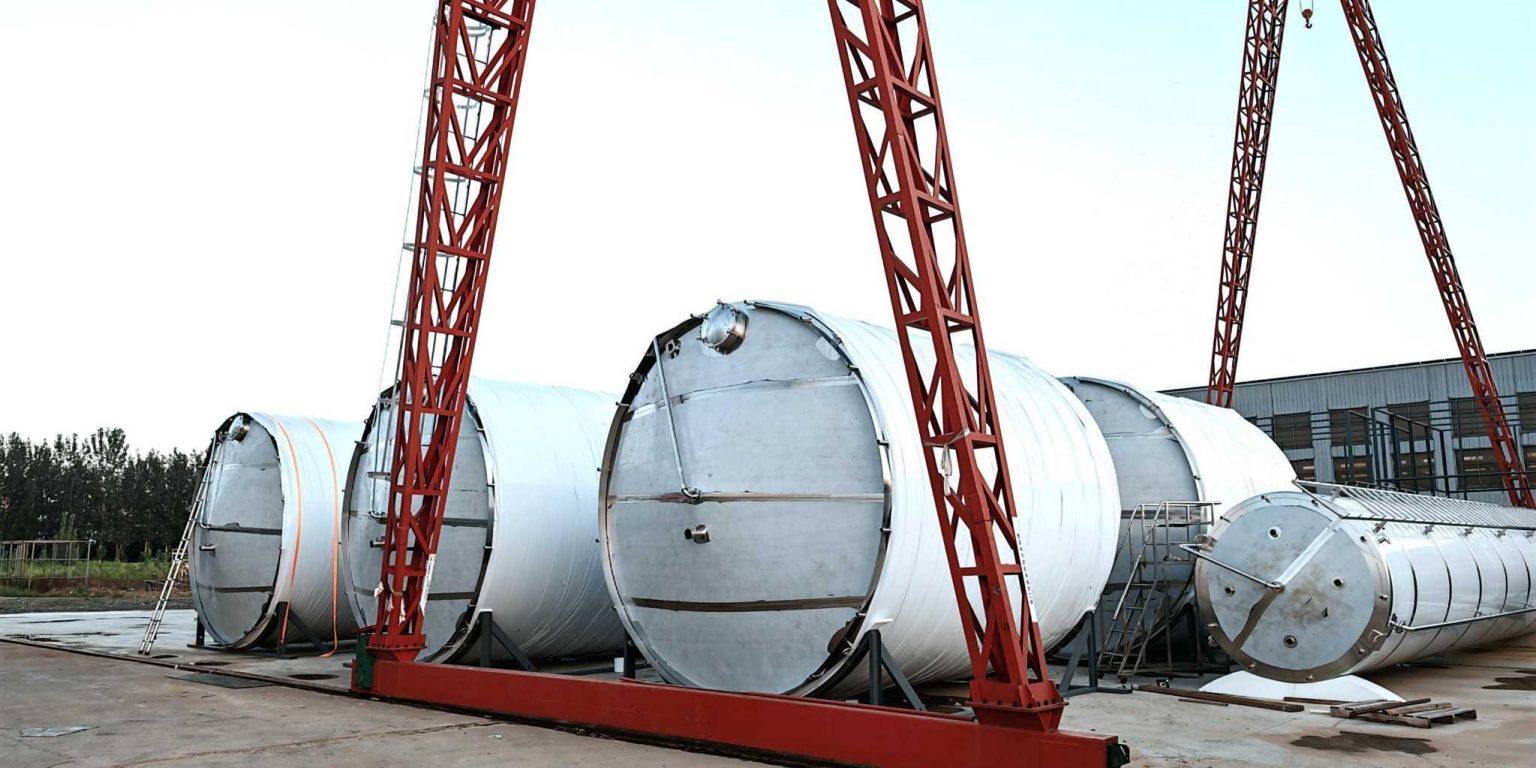
Stainless steel water tanks are the ideal choice for those who want durability and guaranteed water safety. Many people choose stainless steel water tanks because of their long lifespan, ability to withstand harsh weather conditions, and effective inhibition of bacteria and algae growth. Users don’t need to spend much effort on maintenance, and stainless steel tanks have a modern appearance suitable for various environments. Stainless steel is also environmentally friendly because it is recyclable. SD Chenma’s stainless steel water storage tanks are known for their high quality and cost-effectiveness, which is why many people choose them over plastic or concrete tanks.
Key Takeaways
- Stainless steel water tanks have a lifespan of over 30 years, eliminating the need for frequent replacements.
- Stainless steel water tanks maintain safe and clean water quality, effectively inhibiting the growth of bacteria and algae.
- Stainless steel is environmentally friendly, made from recycled materials, and can be recycled again.
- Cleaning stainless steel water tanks is very simple and easier to maintain than plastic or concrete tanks.
- Purchasing a stainless steel water tank can help you save money in the long run. They are durable and require less frequent maintenance.
Stainless Steel Water Tanks: Durability
Longevity and Weather Resistance
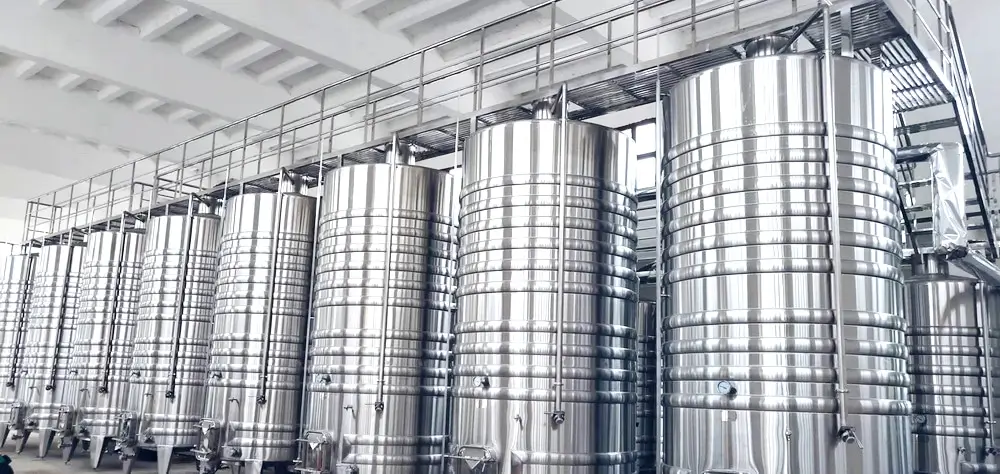
Stainless steel water tanks have a very long service life and can easily withstand harsh weather conditions. Many people buy these tanks hoping they will last for decades. With proper maintenance, they can last for 30 years or even longer. Some tanks can even last up to 100 years. This means you don’t need to replace them frequently, saving you a lot of hassle.
The table below shows the average lifespan of different water tank materials:
| Material | Average Lifespan |
|---|---|
| Stainless Steel | 30 years or more |
| Plastic | 10 to 20 years |
| Concrete | 20 to 50 years |
Stainless steel water tanks perform well in extremely hot or cold weather. They will not rust, crack, or melt. Research by CSIRO and Monash University shows that these tanks can withstand direct flame exposure for over 30 minutes with only minor damage, the water inside remains safe, and the tank maintains its shape. SD Chenma’s water tanks are made from robust materials such as 304 and 316 stainless steel. These types of steel are resistant to rust and are ideal for harsh environments.
Stainless Steel vs. Plastic and Concrete
Comparing stainless steel water tanks with plastic and concrete tanks reveals significant differences. Stainless steel tanks are very strong and can maintain water quality safely for a long time. Plastic tanks may crack or break if exposed to sunlight for extended periods or subjected to excessive pressure. Concrete tanks are prone to cracking and rusting internally.
The table below shows the differences between these water tanks:
| Feature | Stainless Steel Tanks | Plastic Tanks |
|---|---|---|
| Durability | Very strong, does not rust | Lower strength, prone to cracking |
| Temperature Resistance | Can withstand extreme hot and cold weather | Melts or cracks at high temperatures |
| Water Quality Maintenance | Can maintain clean water quality for a long time | May leak or contaminate water quality |
| Fire Resistance | Strong fire resistance, not easily damaged | Not fire-resistant, easily melts |
Water tanks can be damaged for various reasons:
| Tank Material | Common Causes of Failure |
|---|---|
| Concrete | Cracking, internal rusting, weathering damage |
| Caused by drying, excessive weight, water penetration, and harmful chemicals | |
| Plastic | Cracks, breaks, color fades |
| Caused by excessive weight, design flaws, and sunlight exposure. |
Shandong Chenma’s stainless steel water tanks feature intelligent design and high-quality materials. These tanks will not rust or be damaged by weather conditions. They can safely store water and other items even in harsh external environments. Customers who purchase stainless steel water tanks can have peace of mind knowing that the tanks will last for many years.
Water Safety and Hygiene
Preventing Contamination
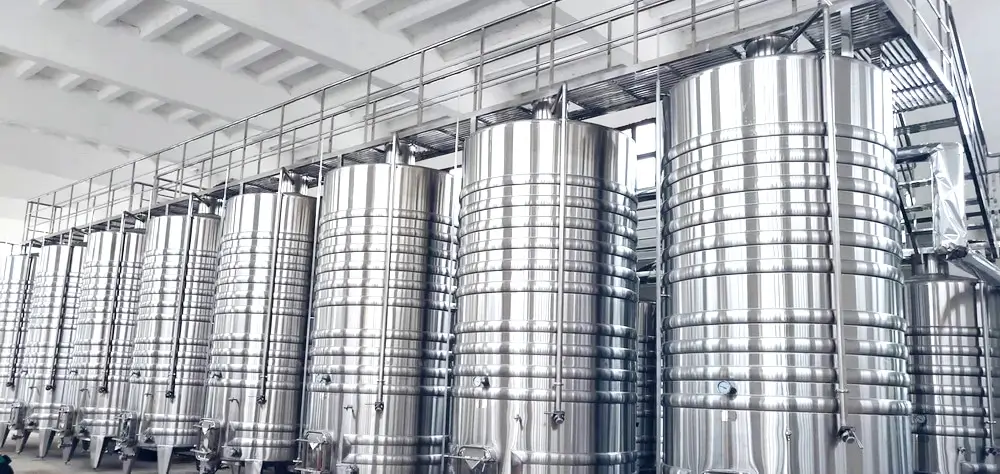
Stainless steel water tanks keep water safe and clean. Their smooth, non-porous surface prevents the growth of bacteria, algae, and mold. People choose these tanks because they want pure water for drinking, cooking, or other uses. Dirt or bacteria won’t accumulate inside the tank. Cleaning is also simple, allowing users to quickly remove any sediment or debris.
- The smooth surface makes it difficult for bacteria, algae, or fungi to grow.
- Users can easily clean the tank, which helps maintain fresh water quality.
- Stainless steel does not stain or retain odors, resulting in good-tasting water.
- The tank does not allow chemicals to mix with the water, so there is no risk of leaching.
The water tank also reflects light, which helps keep the water temperature low and prevents algae growth. These features make stainless steel water tanks a smart choice for homes, businesses, and anyone who values safe drinking water.
Tip: Regular cleaning helps maintain safer water quality and extends the lifespan of the water tank.
Hygiene Compared to Other Materials
Not all water tanks can maintain water quality as well as stainless steel tanks. Plastic and concrete tanks both have their own problems. Concrete tanks can crack or have rough surfaces. These cracks allow bacteria and dirt to enter. Plastic tanks heat up in the sun, which encourages bacterial growth. Some plastic tanks may also allow chemicals to leach into the water.
The table below shows the hygiene problems of different types of water tanks:
| Tank Type | Hygiene Issues |
|---|---|
| Concrete | Prone to cracking and fissures, leading to contamination; rough, porous surface promotes bacterial growth; difficult to clean thoroughly. |
| Plastic | Heats up, becoming a breeding ground for microorganisms; potential for chemical leaching; easier to clean than concrete, but not as hygienic as stainless steel. |
Stainless steel water tanks stand out because they don’t have these problems. They keep water safe, clean, and fresh for extended periods.
Stainless Steel Water Tanks Maintenance and Cleaning
Ease of Cleaning Stainless Steel
Stainless steel water tanks have a smooth surface. This makes cleaning quick and easy. Users don’t need special tools or harsh chemicals. Dirt and bacteria do not adhere to the surface. Regular cleaning keeps the water fresh and safe. Many people report that cleaning stainless steel water tanks is faster than cleaning concrete or plastic tanks. One factory previously cleaned its concrete water tanks every three months. After switching to stainless steel tanks, they only need to clean them twice a year. This saves time and effort for busy facilities.
Cleaning stainless steel water tanks is very simple. The surface is resistant to stains and odors. Users simply wipe away dirt and rinse with water. The tank will remain shiny and new for a long time. Regular cleaning prevents dirt buildup and keeps the water clear and fresh.
Tip: When cleaning, wipe in the direction of the polishing grain. This helps prevent scratches and maintains a smooth surface.
Maintenance Needs & Alternatives
Stainless steel water tanks require less maintenance than tanks made of other materials. Users don’t have to worry about cracking, rusting, or leaks. The tanks are resistant to weather and chemical corrosion. Cleaning a stainless steel water tank is simple:
- Use a soft cloth or plastic pad to wipe, protecting the surface.
- Clean along the direction of the polishing grain to prevent scratches.
- Choose a cleaning agent that does not contain chlorine or strong corrosive chemicals.
- Disinfect regularly to remove bacteria.
- Treat the water to reduce sediment in the tank.
- After using a chlorine-based cleaner, rinse and dry.
- Do not use hydrochloric acid, as it will damage the tank.
Plastic and concrete water tanks require more cleaning and maintenance. Concrete tanks are prone to cracking and bacterial growth. Plastic tanks may fade or discolor in sunlight. Stainless steel water tanks stay clean longer and require less maintenance. Users can save money and reduce maintenance hassles.
Stainless Steel Water Tanks Cost & Value
Upfront Cost & Long-Term Savings
Stainless steel water tanks have a higher initial cost. Some people might be concerned about the high price. However, these tanks have a much longer lifespan than tanks made of other materials. Users don’t need to replace the tanks frequently. They can also save on repair and cleaning costs.
The table below shows the cost differences:
| Material Type | Initial Investment | Long-term Maintenance Costs | Replacement Frequency |
|---|---|---|---|
| Stainless Steel | Higher | Lower | Rarely |
| Plastic/Concrete | Lower | Higher | Frequently |
In the long run, using stainless steel water tanks can save money. Users won’t receive unexpected repair bills. They won’t need to buy a new tank every few years. The tanks can remain in good working condition for a long time.
Note: A sturdy and durable tank means fewer replacements and less maintenance. Users can enjoy a good user experience year after year.
Long-Term Investment Value
Stainless steel water tanks are a wise investment. They protect water and other contents from rust and leaks. Users don’t have to worry about tank damage. They can reduce maintenance costs. Because the tanks are sturdy and durable, expensive components are also well protected.
Here’s why these tanks are worth the investment:
- Will not rust or leak
- Very low maintenance costs
- Protects expensive components
Purchasing stainless steel storage tanks can save you money over many years. These tanks can last for decades without needing frequent replacement. They also safely store water, wine, or other liquids. This provides peace of mind for both households and businesses and results in significant cost savings.
Tip: Choose high-quality storage tanks, such as those from SD Chenma, for the best value for your money.
Stainless Steel Water Tanks Environmental Impact
Sustainability of Stainless Steel
Stainless steel is an environmentally conscious choice. The company uses recycled metal to manufacture new water tanks. Most stainless steel water tanks contain approximately 70% recycled metal. This means we don’t need to use as much new material, and it also saves energy. People who choose stainless steel are contributing to protecting the environment. These tanks last for many years, so we generate less waste. Stainless steel does not release harmful chemicals. When the tanks reach the end of their lifespan, workers can recycle almost all of the materials. This helps reduce waste and makes the planet cleaner.
- Most stainless steel water tanks contain approximately 70% recycled metal.
- Stainless steel can be recycled multiple times and is durable.
- The tanks have a long lifespan, resulting in less waste.
Tip: Choosing stainless steel helps make the world greener.
Environmental Comparison with Other Tanks
Different types of storage tanks have different impacts on the planet. Stainless steel tanks are more environmentally friendly than plastic or concrete tanks. The table below lists the differences between various tank types:
| Material | Recycled Content | Lifespan | Disposal | Chemical Leaching | Environmental Impact |
|---|---|---|---|---|---|
| Stainless Steel | 60-70% | 30-100 years | Fully recyclable | None | Low |
| Plastic | Low | 10-20 years | Often landfilled | Possible | Moderate |
| Concrete | Minimal | 20-50 years | Difficult to recycle | Possible | High |
Plastic water tanks are typically buried in landfills. They decompose very slowly and release chemicals. Concrete water tanks require a lot of energy to manufacture. Recycling concrete is difficult and expensive. Stainless steel water tanks are made from recycled metal and have a longer lifespan. They do not harm the planet. Environmentally conscious people prefer stainless steel water tanks because they are better for the earth.
Tip:Stainless steel water tanks help people reduce waste and protect the planet.
Stainless Steel Water Tanks: Practicality and Aesthetics
Appearance and Customization
Stainless steel water tanks look modern and stylish. Their shiny finish makes any place look nice. Many people pick these tanks because they fit many building styles. The tanks do not lose their shine or get stained. They keep looking new for a long time.
You can customize stainless steel water tanks. You can choose the grade of stainless steel, such as 304 or 316. You can also choose the tank bottom, fittings, and connections. Some tanks have special coatings on the inside for better protection. Users can easily clean and maintain the tanks.
Popular customization options include:
- Select Material Grade
- Select Tank Bottom Type
- Select Fittings and Connections
- Add Internal Coating
- Designed for Easy Maintenance
Many tanks come with additional features such as vents, overflow valves, and insulation. These features help ensure water safety and temperature control.
Tip:Stainless steel tanks can be customized to suit almost any space or aesthetic requirement. Users can obtain tanks that offer superior performance and a beautiful appearance.
Versatility for Different Uses
SD Chenma’s water tanks are highly versatile. They can be used to store water, wine, olive oil, or chemicals. These tanks keep contents fresh and protected from light and air. Their robust construction prevents spoilage and maintains pure flavor.
| Feature | Description |
|---|---|
| Durability | The water tanks are durable and can last for many years, even in harsh environments. |
| Hygiene | The smooth surface prevents bacterial growth, maintaining cleanliness and hygiene. |
| Product Integrity | The water tanks prevent spoilage, keeping contents fresh and delicious. |
Users can use these water tanks at home, in factories, or on farms. The tanks have a modular design, allowing for expansion or reduction of capacity as needed. Composed of multiple components, the tanks are easy to transport, resulting in lower transportation costs. More panels can be added if a larger capacity is required.
Advantages of Modular Water Tanks:
- Suitable for confined spaces
- Easy to move and assemble
- Expandable capacity as needed
- Weather-resistant and environmentally friendly
- Easy to maintain and cost-effective
SD Chenma’s stainless steel water tanks offer users a variety of options. They can meet diverse needs and help users save time and money.
Studies show that stainless steel water tanks have a longer lifespan than tanks made of other materials. They are also better at ensuring water safety than plastic or concrete tanks. Many people choose stainless steel water tanks because they are strong, durable, and easy to clean.They also contribute to environmental protection. Here are some of the main reasons:
- The smooth surface prevents bacterial growth.
- The tanks are strong and durable, eliminating the need for frequent replacement.
- The tanks are recyclable, contributing to environmental protection.
- The tanks have a modern appearance and are suitable for various locations.
Tip:SD Chenma produces reliable water tanks. They have excellent certifications. Buyers should consider their needs, budget, and future plans before making a purchase.
FAQ
How long do stainless steel water tanks last?
Stainless steel water tanks can last for over 30 years. With proper maintenance, some tanks can even last up to 100 years. Because these tanks are corrosion-resistant, crack-resistant, and weather-resistant, users can use them with peace of mind.
Is it safe to store drinking water in stainless steel water tanks?
Yes, stainless steel water tanks keep water pure and safe. The smooth surface effectively prevents the growth of bacteria and algae. Stainless steel does not release harmful chemicals. Many families trust these tanks to provide clean drinking water every day.
Can stainless steel water tanks store liquids other than water?
Absolutely! SD Chenma’s tanks can store wine, olive oil, and chemicals. These tanks protect the flavor of the liquids and prevent spoilage. Users can use these tanks in various settings, such as homes, farms, and factories, to meet different needs.
Do stainless steel water tanks require a lot of maintenance?
No, stainless steel water tanks require very little maintenance. Users can easily clean them with a soft cloth and mild detergent. The tanks are stain-resistant and odorless. Regular cleaning will keep the tank looking brand new.
Why choose SD Chenma’s stainless steel water tanks?
SD Chenma offers high-quality water tanks made with premium materials and intelligent design. Users benefit from durability, hygiene, and customization options. These tanks offer long-term value and contribute to environmental protection.