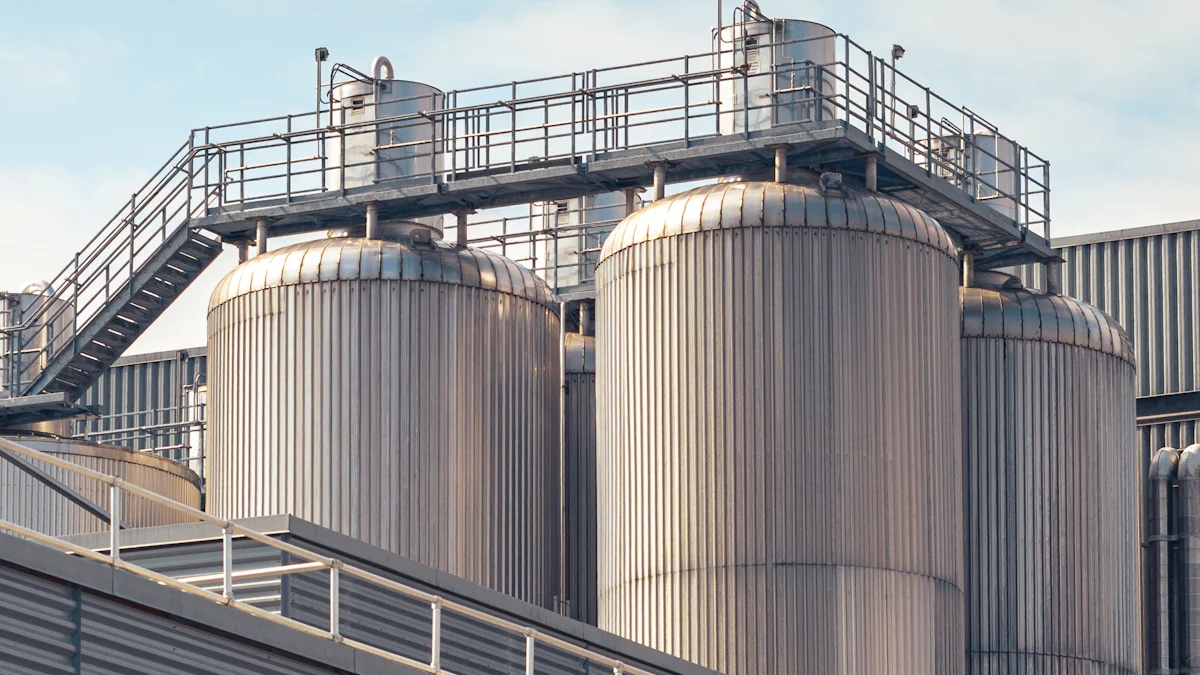

No, olive oil does not react with stainless steel. Stainless steel containers keep olive oil safe. They do not change the oil’s taste or quality. Many experts use olive oil tank stainless steel solutions for storage. These tanks are strong and clean. The table below shows how stainless steel protects olive oil well, keeping nutrients in olive oil fresh.A trusted China steel oil tanks manufacturer like Shandong Chenma Machinery Co., Ltd. produces stainless steel olive oil storage tanks specifically designed for the food industry.
Key Takeaways
Stainless steel does not mix with olive oil. It keeps the taste and nutrients safe. – Stainless steel containers stop light and air from getting in. This helps keep olive oil from going bad. – You must clean stainless steel tanks often. This keeps them clean and the oil good. – Picking the right stainless steel tank keeps olive oil fresh. It also stops it from getting dirty. – Stainless steel is strong and clean for storing olive oil. It works better than plastic and other materials.
Stainless steel: Non-reactive for olive oil

Why stainless steel is safe
Stainless steel containers are a good way to store olive oil. The metal does not mix with the oil. This keeps the oil’s taste and nutrients safe. Stainless steel has chromium and nickel in it. These make the metal strong and stop it from rusting. The table below shows how different stainless steel types protect olive oil.
Stainless Steel Type | Chromium Content | Nickel Content | Key Properties |
|---|---|---|---|
304 | 18% | 8% | Strong, does not rust, good for olive oil storage |
316 | 16% | 10% | Better at stopping damage from salt, good for tough places |
Stainless steel cookware uses these metals to stop rust and keep food safe. People pick stainless steel containers for olive oil because they do not soak up smells or tastes. This keeps the oil tasting like it should. Both cookware and containers made of stainless steel help keep food and oil safe from changes.
How stainless steel prevents contamination
Stainless steel containers keep olive oil fresh by blocking bad things. The metal stops light and air from getting in. Light and air can make the oil go bad or lose its healthy parts. Stainless steel containers also help keep antioxidants and the oil’s chemical parts safe. Many people like stainless steel more than plastic or other metals for storing oils.
Stainless steel containers block light and air, which helps keep olive oil good.
They protect the oil’s healthy parts and keep it safe for a long time.
Stainless steel is better than plastic for keeping olive oil fresh.
Stainless steel containers are simple to clean and do not keep germs. This makes them a great pick for kitchens and food factories. The smooth surface stops buildup and keeps olive oil safe for longer.
Benefits of stainless steel containers
Preserving olive oil quality
Stainless steel containers keep olive oil fresh and safe. They do not mix with the oil or change its taste. Many studies show these containers protect olive oil from sunlight. Sunlight can hurt the oil’s nutrients. Stainless steel also stops air from getting inside. This helps stop the oil from going bad. Some tanks, like those from Shandong Chenma Machinery Co., Ltd., use special gas fittings. These fittings add a layer of gas, like nitrogen, to block oxygen. This keeps the oil from spoiling and helps it last longer.
Stainless steel containers are strong and block sunlight.
Special gas fittings keep oxygen away from the oil.
Temperature control helps keep the oil at the best level.
Durability and hygiene
Stainless steel containers last a long time. They do not rust or break easily. The smooth surface is easy to clean. This helps stop germs from growing. Stainless steel cookware in kitchens shows how well this material works for food safety. Many people use stainless steel cookware because it does not keep smells or flavors. The same thing is true for containers that hold olive oil. Tanks with cone-shaped bottoms, like those from Shandong Chenma Machinery Co., Ltd., make it easy to get rid of sediment. This keeps the oil clean and safe to use.
Feature | Description |
|---|---|
Durability | Strong and protects against damage from light, humidity, and oxygen. |
Resistance to Corrosion | Does not rust, making it good for long-term use. |
Hygiene | Smooth and non-reactive, so it keeps oil tasting fresh. |
Sediment Removal | Conical bottoms help remove unwanted particles. |
Protection from light and air
Light and air can hurt olive oil. Stainless steel containers block both, so the oil stays safe. Research shows light can lower the healthy parts of olive oil by up to 40% if kept in clear containers. Air can also make the oil spoil faster. Stainless steel cookware and containers stop these problems. They keep the oil in a dark, closed space. This is why many experts pick stainless steel instead of iron or copper. Iron and copper can react with the oil and cause harm.
Tip: Always keep olive oil in stainless steel containers or dark glass bottles to keep it fresh and healthy.
Storage Material | Light & Oxygen Protection | Durability | Chemical Interaction | Cost |
|---|---|---|---|---|
Dark Glass | Excellent | Medium | None | Medium |
Stainless Steel | Excellent | Very High | None | Very High |
Plastic | Poor | Low | Significant | Low |
Iron/Copper | Poor | Low | High | Medium |
Olive oil tank stainless steel: Storage solutions

Types of stainless steel oil tanks
Olive oil makers use many tank types to keep oil safe. Each tank has a special job in the olive oil tank stainless steel group.
Single-walled tanks are simple and hold safe liquids.
Jacketed tanks help control the oil’s temperature.
Agitated tanks mix oil so it stays the same.
Conical bottom tanks are easy to clean and drain.
Tanks with slanted bottoms also help with cleaning and draining.
Small ‘fusti’ containers keep little oil away from light and air.
Custom tanks can be big or small for any producer.
Special projects let companies get tanks made just for them.
Tip: Conical bottom tanks stop stuff from building up, so olive oil stays good.
Choosing the right tank for storing olive oil
Picking the best olive oil tank stainless steel depends on a few things. Producers need tanks that do not rust or let germs in. Tanks that block light and air keep oil fresh. Food-safe tanks with smooth sides are easy to clean.
Good makers say to keep olive oil between 61°F and 64°F. They also say to keep oil away from light. Cleaning tanks often keeps oil safe from dirt and germs. Checking tanks for dirt or mold helps keep oil safe.
Price is important too. Stainless steel tanks cost more at first but last longer. Over many years, they cost less than carbon steel tanks because they do not break as much.
Storage Factor | Recommended Practice |
|---|---|
Temperature | 16°C-18°C (61°F-64°F) |
Light Exposure | Avoid all exposure to light |
Producers can talk to companies like Shandong Chenma Machinery Co., Ltd. for special tanks. These experts help pick the right tank for each business, so oil stays safe and fresh.
Storing olive oil: Best practices
Cleaning and maintenance tips
Cleaning and taking care of stainless steel tanks is important. This helps keep olive oil safe. Workers use soft tools so they do not scratch the tank. They clean along the lines on the tank’s surface. This stops scratches from happening. Using special cleaners without chlorine keeps the tank from rusting. Cleaning often removes dirt and germs. Rinsing and drying the tank well keeps it strong.
Rinse the tank with warm water to get rid of dirt.
Put on the cleaning liquid and wait a few minutes.
Use a tool to scrub off anything stuck.
Rinse again with hot, clean water.
Use a safe cleaner to kill germs.
Rinse one last time and dry the tank well.
Taking care of the tank helps it last longer. It also keeps olive oil tasting good. Good cleaning meets food safety rules. It saves money because it stops big problems.
Storage conditions for freshness
Keeping olive oil in the right place keeps it fresh. Hot places can hurt the oil. So, use tanks that keep things cool. Tanks that stay the same temperature are best. Water can also damage the oil. Stainless steel or other tanks that block water work well.
Condition | Recommended Solution |
|---|---|
High Temperature (>70°F) | Use insulated containers and store in a cool location |
Temperature Fluctuation | Opt for containers with steady thermal properties |
Moisture Exposure | Choose stainless steel or other moisture-resistant materials |
Stainless steel tanks stop light and air from getting in. This keeps olive oil from going bad. Even a little light or air can change how the oil tastes or smells. Tanks that close tight and block light keep the oil’s flavor and nutrients safe.
Tip: Always keep olive oil in a cool, dark spot so it stays fresh.
Common misconceptions and concerns
Some people think clear glass is fine for olive oil. But light can make the oil worse. Others think it is okay to keep olive oil near the stove. But heat makes the oil spoil faster. Moving olive oil to new bottles can let in air. This makes the oil go bad quicker.
Some people worry stainless steel changes the oil’s taste.
Experts say storing and packing olive oil the right way keeps it fresh.
Studies show glass, metals, and plastics all change olive oil in different ways.
Stainless steel tanks are still the best way to keep olive oil safe and fresh.
Olive oil is safe in stainless steel containers. Stainless steel does not change the oil. It keeps the flavor and nutrients fresh. Experts say food-grade stainless steel is best. It blocks light, air, and moisture.
Stainless steel tanks have tight seals and special gas fittings. These stop the oil from going bad.
The smooth surface is easy to clean. It helps stop germs from spreading.
Thick walls keep out harmful light.
Recommendation | Details |
|---|---|
Material Quality | Pick strong, rust-proof stainless steel. |
Temperature Control | Keep oil between 10°C and 18°C for best quality. |
Element Protection | Store oil away from light, air, and wet places. |
People should use these tips and ask trusted brands for good storage options.