
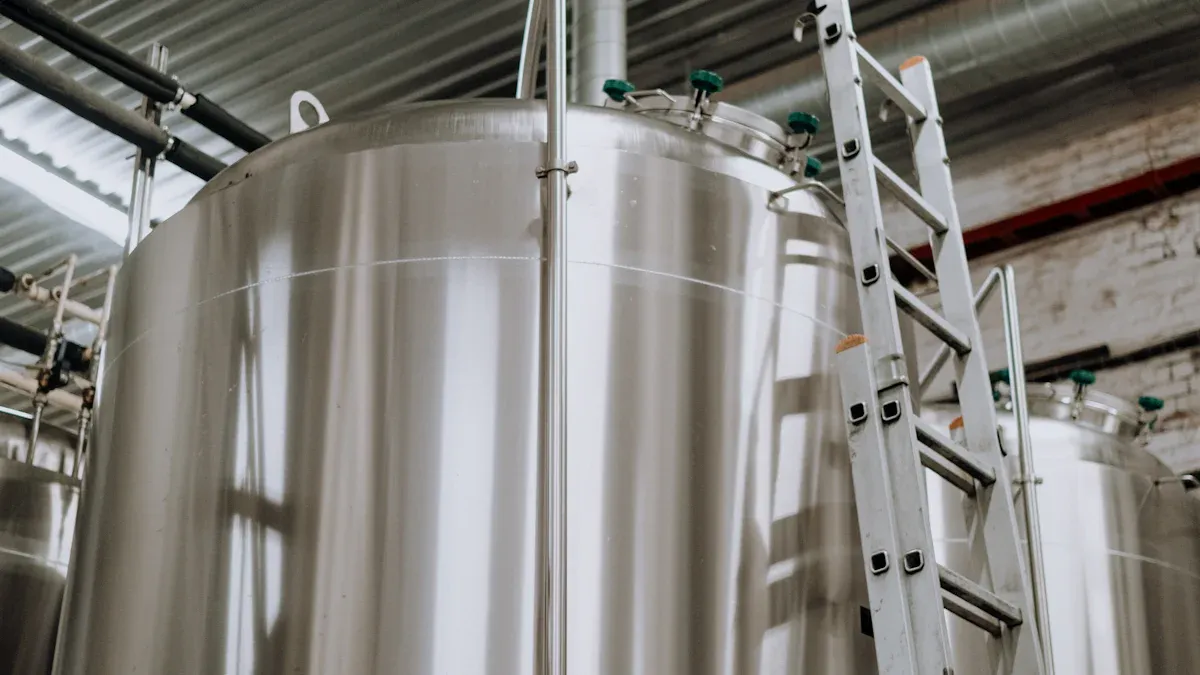
Stainless steel wine tanks are an excellent choice for storing food and beverages, especially in the wine industry. Many professionals prefer stainless steel wine fermentation tanks because they do not rust and are easy to keep clean. The best wine storage tank for your needs depends on the required strength and how simple it is to maintain. It’s important to consider what you plan to store in the tank. Common concerns include:
Whether the stainless steel wine tank can prevent rust, which is essential for wine storage
The amount of work and cost involved in maintaining the wine storage tank
Cleanliness, as stainless steel wine fermentation tanks inhibit the growth of germs
Whether the tank meets your specific requirements and complies with industry regulations
Key Takeaways
Stainless steel tanks do not rust and last longer than carbon steel tanks. This makes them good for storing food and drinks. Stainless steel tanks cost more at first, but they save money later. They need less fixing and last longer. Cleaning stainless steel tanks is simple. This helps stop germs and keeps food safe and good. Carbon steel tanks need more fixing and checking for rust. This can make them cost more in the end. You should pick a tank based on your budget, what you store, and how long you want it to last.
Corrosion Resistance & Durability
Stainless Steel Wine Tank Longevity
A stainless steel wine tank does not rust easily. This is because chromium makes a shield on the tank’s surface. The shield stops rust and keeps the tank strong. It works well in wet or chemical places. Many wineries use stainless steel wine tanks because they last a long time. These tanks keep their quality for many years.
Most stainless steel wine tanks last 20 to 30 years. They often last even longer because they are tough and do not rust. The table below shows how long stainless steel wine tanks and carbon steel tanks can last:
Tank Type | Average Lifespan (Years) | Potential Extended Lifespan (Years) |
|---|---|---|
Carbon Steel | 20 – 40 | Up to 50 or more |
Stainless Steel | 20 – 30 | Longer in practice due to durability |
Stainless steel wine tanks do not need to be cleaned often. Owners can open the drain valve to get rid of sediment. They can use gentle soap to clean the tank. These easy steps help the tank stay strong and last longer.
Carbon Steel Tank Issues
Carbon steel tanks do not resist rust as well as stainless steel wine tanks. If they get wet, carbon steel tanks can rust fast. Rust makes the tank weak and can cause leaks. It can also make the wine unsafe. Carbon steel tanks need to be checked and fixed often.
In places with lots of moisture or chemicals, carbon steel tanks have problems. They do not have the shield that stainless steel wine tanks have. This makes them less good for storing wine or other sensitive things. Owners must spend more time and money to fix and clean carbon steel tanks.
Long-Term Performance
How long a tank lasts depends on how well it resists rust and damage. Stainless steel wine tanks are strong because they do not rust or get damaged by chemicals. They last many years and do not need much care.
Here are some key facts about long-term performance:
Stainless steel wine tanks usually last 20-30 years.
They are tough and may last even longer than other tanks.
Carbon steel tanks can last up to 40 years if cared for well.
Stainless steel wine tanks keep wine safe and tasting good.
Stainless steel wine tanks are great at stopping rust. This makes them a smart pick for wineries and food makers. They can handle tough conditions and keep working well for a long time. This makes them better than carbon steel tanks.
Cost Comparison
Upfront Costs
Choosing between carbon steel and stainless steel tanks often starts with the price tag. Stainless steel tanks usually cost more to buy than carbon steel tanks. Manufacturers use more expensive materials and advanced processes to make stainless steel tanks. This raises the initial investment.
Stainless steels are generally a higher upfront cost outlay than carbon steels which are composed of more affordable iron and carbon elements.
Stainless steel is more expensive, making the manufacturing cost of stainless steel tanks significantly higher than carbon steel tanks.
A simple table shows the difference in upfront costs for tanks of similar size:
Tank Type | Typical Upfront Cost (per 1,000 liters) |
|---|---|
Carbon Steel | $1,000 – $2,500 |
Stainless Steel | $2,500 – $5,000 |
Many buyers choose carbon steel tanks when they want to save money at the start. Stainless steel tanks cost more, but they offer extra benefits that may save money over time.
Maintenance Expenses
Maintenance costs can change the total price of owning a tank. Carbon steel tanks need regular checks for rust and damage. Owners often paint or coat carbon steel tanks to protect them. These steps add to the cost each year.
Stainless steel tanks resist rust and stains. Owners clean them with simple tools and mild soap. Stainless steel tanks do not need special coatings or frequent repairs. This lowers the yearly maintenance cost.
A quick list shows the main maintenance tasks for each tank:
Carbon Steel Tanks
Inspect for rust
Apply protective coatings
Repair leaks or weak spots
Stainless Steel Tanks
Wash with soap and water
Remove sediment
Inspect fittings
Stainless steel tanks save time and money on maintenance. They stay strong and clean with less effort.
Lifecycle Value
The total value of a tank includes its lifespan and the costs to keep it working. Stainless steel tanks last many years with little care. Owners spend less on repairs and cleaning. These tanks keep their value and work well for a long time.
Carbon steel tanks may cost less at first, but they need more repairs. Owners may replace them sooner than stainless steel tanks. Over time, the extra maintenance and shorter lifespan can make carbon steel tanks more expensive.
A table compares the lifecycle value of both tanks:
Tank Type | Average Lifespan | Maintenance Cost (per year) | Total Cost Over 20 Years |
|---|---|---|---|
Carbon Steel | 20 – 40 years | $200 – $500 | $5,000 – $12,000 |
Stainless Steel | 20 – 30+ years | $50 – $200 | $3,500 – $6,000 |
Stainless steel tanks offer better value for buyers who want a long-lasting, low-maintenance solution. They cost more at first, but they save money and effort over time.
Maintenance & Hygiene
Cleaning Stainless Steel Storage Tanks
Stainless steel storage tanks are very clean and safe. Workers use different ways to clean these tanks. This keeps food and drinks safe inside. The most common cleaning methods are:
Cleaning Method | Description |
|---|---|
CIP System Overview | Cleans tanks without taking them apart. It uses machines to add chemicals, move them around, and rinse. |
Manual Washing | Workers scrub small tanks with strong pads or brushes. |
Foam or Gel Application | Chemicals in foam or gel clean tall sides and hidden places. |
High-Pressure Cleaning | Water jets blast away tough dirt. Workers are careful not to hurt the welds. |
Cleaning Cycle | Cleaning rules change by industry. Breweries clean after every batch. Water tanks get checked once or twice a year. |
Operators do these things to keep tanks clean:
Look often for scratches and rust.
Do not use strong cleaners like bleach. Use cleaners that are not too harsh.
Use soft brushes to avoid scratching the tank.
Add a new oxide layer with weak nitric or citric acid when needed.
Store tanks the right way between uses to keep them clean.
A normal cleaning cycle has brushing, using chemicals, removing mineral build-up, and killing germs with safe things like hydrogen peroxide or steam.
Contamination Risks
Stainless steel tanks lower the chance of contamination. Their smooth surface stops bacteria from hiding. Workers clean tanks often to get rid of leftover stuff and stop mold. Using the right cleaners and ways keeps tanks free from bad germs. Tanks with special shapes, like conical bottoms, make it easy to remove sediment. This helps stop contamination even more.
Regulatory Standards
Rules help make sure stainless steel tanks are safe for wine and drinks. These rules make sure tanks are clean and safe to use.
Regulatory Standard | Description |
|---|---|
FDA | Checks that tank materials are safe for food. |
3-A Sanitary Standards | Makes sure equipment is clean and built well for food and drinks. |
EU Directives | Sets rules for safe materials and clean design in Europe. |
Tank makers build tanks to follow these rules. Meeting these rules helps companies keep tanks clean and protect people’s health.
Industry Suitability
Food & Beverage Applications
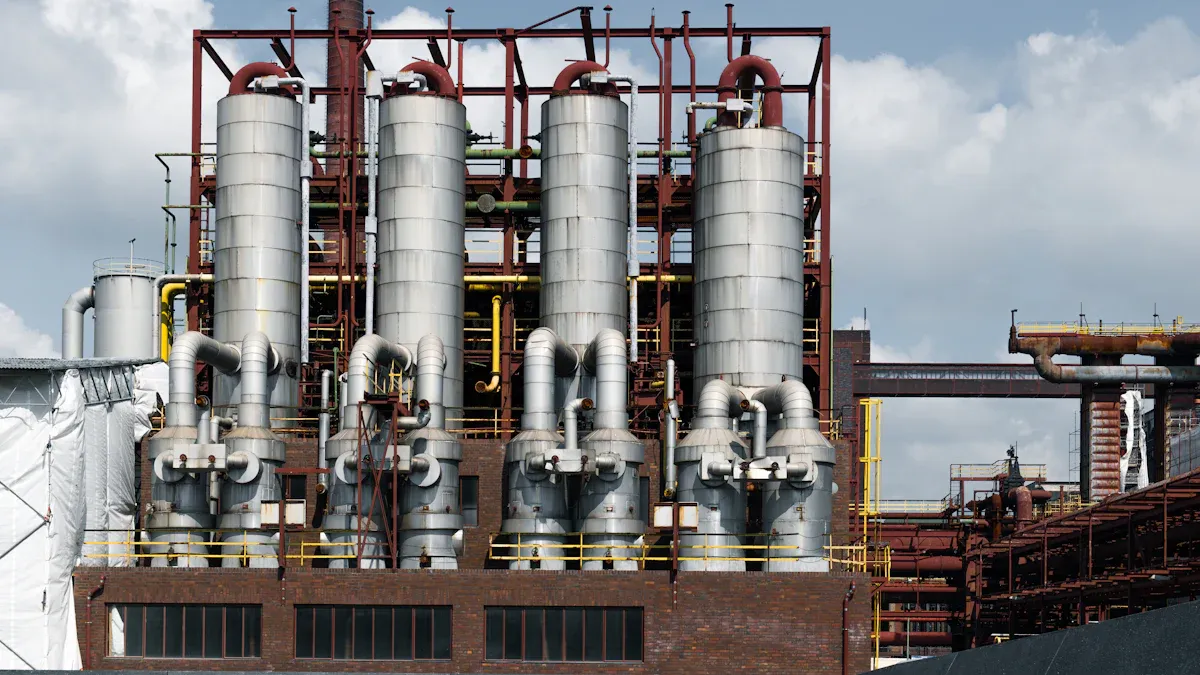
Many companies use stainless steel tanks to store food and drinks. These tanks hold milk, juice, oils, and alcohol. Stainless steel tanks stop germs and keep food fresh. They do not react with food or drinks. The smooth surface is easy to clean and keeps bacteria away.
Shandong Chenma Machinery Co., Ltd. makes stainless steel oil tanks that are very clean. Some tanks have one wall for simple storage. Others have jackets to control temperature. Agitated tanks mix things well. Conical bottom tanks help remove sediment fast. These features help keep food and drinks safe and high quality.
Tip: Stainless steel tanks work well for clean processing. They can hold both hot and cold liquids.
Stainless Steel Storage Tanks in Wine Industry
Wineries like stainless steel tanks for making and storing wine. These tanks protect wine from rust and bad tastes. The table below shows why wineries pick stainless steel tanks:
Advantage | Description |
|---|---|
Corrosion Resistance | Stainless steel does not rust from grape juice. It lasts a long time. |
Easy to Clean | The smooth surface stops germs and is easy to wash. |
Excellent Temperature Control | Cooling jackets help control the temperature during fermentation. |
Neutral Odor | Stainless steel does not change the taste of wine. |
Lower Maintenance Costs | These tanks need less care and last longer than oak. |
Stainless steel tanks help winemakers control temperature and keep wine pure. These tanks also cost less to care for and last many years.
Other Industrial Uses
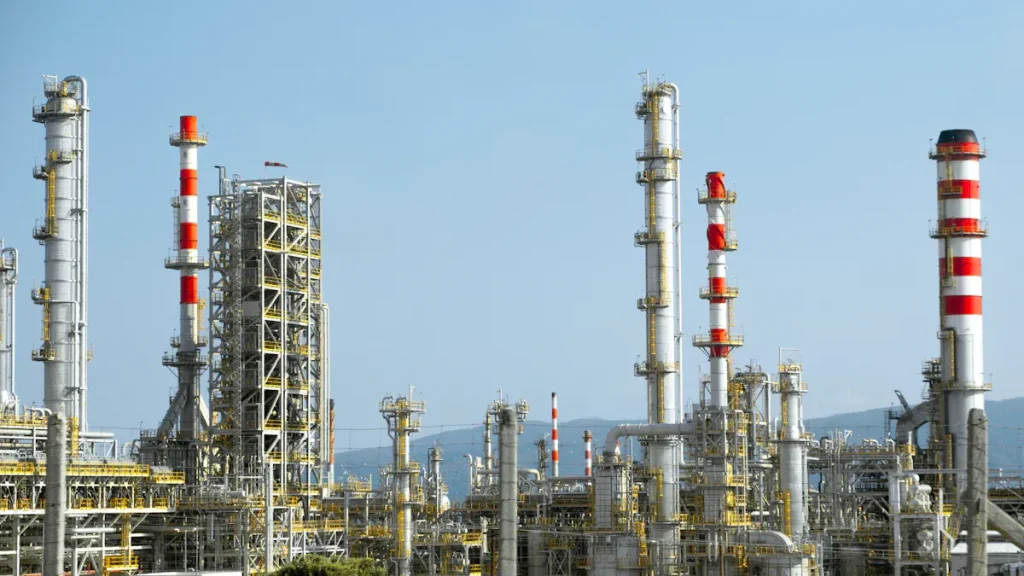
Stainless steel tanks are used in many other industries. Oil and gas companies store chemicals and fluids in them. Water plants use these tanks for clean and dirty water. Drug factories use them to keep things sterile. Chemical plants use stainless steel tanks for strong chemicals.
Special tanks fit different jobs. Jacketed tanks keep things at the right temperature. Agitated tanks mix and blend materials. Conical bottom tanks make it easy to empty and clean. These features make stainless steel tanks a good choice for many jobs.
Industries that use stainless steel tanks:
Oil & Gas
Food & Beverage
Water Treatment
Pharmaceutical & Biotech
Chemical Processing
Stainless steel tanks are strong, safe, and can be used in many ways.
Decision Factors
Budget & Service Life
Budget is important when picking a tank. Many new places look at price first. Carbon steel tanks cost less at the start. This helps companies with small budgets. Stainless steel tanks cost more to buy. But they last longer and need less fixing. The table below shows how cost and service life compare:
Tank Type | Cost | Durability | Maintenance Costs | Longevity |
|---|---|---|---|---|
Carbon Steel | More affordable | Moderate | Higher due to rust susceptibility | Shorter |
Stainless Steel | Higher upfront | High | Lower due to corrosion resistance | Longer |
Stainless steel tanks can last for many years. Some last more than fifty years with little care. Carbon steel tanks need new coatings and repairs often. This helps them last longer. Over time, stainless steel tanks save money. This is true in places with lots of chemicals or water.
Facility Image
How a facility looks is important. Stainless steel tanks look shiny and clean. They make food and drug plants look professional. Their smooth surface is easy to clean. This keeps tanks looking new. It shows that a company cares about safety and quality. Stainless steel tanks do not stain or scratch easily. They stay bright for many years. Carbon steel tanks can rust or look old. This can make a place look less clean.
Compliance Needs
Some industries have strict rules for tanks. Stainless steel tanks meet high safety standards. They have certificates for quality and the environment. Their smooth surface stops leaks and keeps things safe. This helps companies follow health laws. Carbon steel tanks have more problems with rules. They need extra coatings and checks to pass tests. The table below lists some common rule problems for carbon steel tanks:
Compliance Challenge | Description |
|---|---|
Regulatory Requirements | Tanks must be built, installed, and cared for by the rules. |
Permits and Registrations | Companies need permits and papers to use tanks. |
Spill Prevention Plans | The EPA’s SPCC Rule needs plans to stop spills and watch tanks. |
Increased Costs | Following these rules can cost more money, especially for dangerous stuff. |
Stainless steel tanks help companies avoid many problems. They last long and are easy to care for. This makes them a good pick for places that want to follow rules and save money. When planning, companies should think about service life, care, and rules for each tank. Tanks that last longer mean fewer replacements and less stopping work. This helps everything run smoothly.
Stainless steel tanks are known for being clean and strong. They do not rust easily. Experts say stainless steel is best for storing food, drinks, and wine. These tanks last longer than carbon steel tanks. They also need less fixing and cleaning. When picking a tank, companies should think about the total price, how long it will last, and help from the supplier. The table below shows what to look for in a supplier:
Consideration | Details |
|---|---|
Material Quality | Stainless steel tanks follow safety rules. |
Customization | Suppliers make tanks to fit your needs. |
Reputation | Good suppliers have a strong history. |
Support | Help and training are important. |
Certifications | ISO9001 and EU CE mean the tanks are tough. |
Shandong Chenma Machinery Co., Ltd. gives stainless steel tanks with expert setup and help. Their tanks help companies keep their money safe and meet high standards.
FAQ
What makes stainless steel storage tanks better for food safety?
Stainless steel storage tanks have smooth surfaces. Bacteria cannot grow easily on them. Workers clean these tanks fast. Many food companies use these tanks to keep products safe. These tanks help stop contamination. They also protect the taste of food and drinks.
How does carbon steel compare to stainless steel storage tanks in terms of rust?
Carbon steel rusts faster than stainless steel storage tanks. Moisture makes carbon steel break down. Stainless steel storage tanks have a protective layer. This layer helps them resist rust. Many industries pick stainless steel storage tanks for long-lasting use. They need fewer repairs.
Are stainless steel storage tanks more expensive than carbon steel tanks?
Stainless steel storage tanks cost more to buy. Carbon steel tanks have lower prices at first. Stainless steel storage tanks save money over time. They need less fixing. Many companies choose stainless steel storage tanks for long-term value. They are reliable.
Which industries use stainless steel storage tanks and carbon steel tanks?
Food, beverage, and wine industries use stainless steel storage tanks. Chemical plants and water treatment places use them too. Carbon steel tanks are found in oil and gas industries. Some factories use carbon steel tanks for things that are not food.
How do stainless steel storage tanks and carbon steel tanks affect cleaning routines?
Stainless steel storage tanks are easy to clean. Workers use mild soap and water. Carbon steel tanks need more care. Owners must check for rust and add coatings. Stainless steel storage tanks help companies save time. They keep products safe.


