
Cider brewers often wonder how long cider can be left in fermentation tanks. The answer depends on the fermentation stage. You can find recommended times in the table below:
| Phase | Duration |
|---|---|
| Primary Fermentation | 7-14 days |
| Secondary Conditioning | 2-4 weeks |
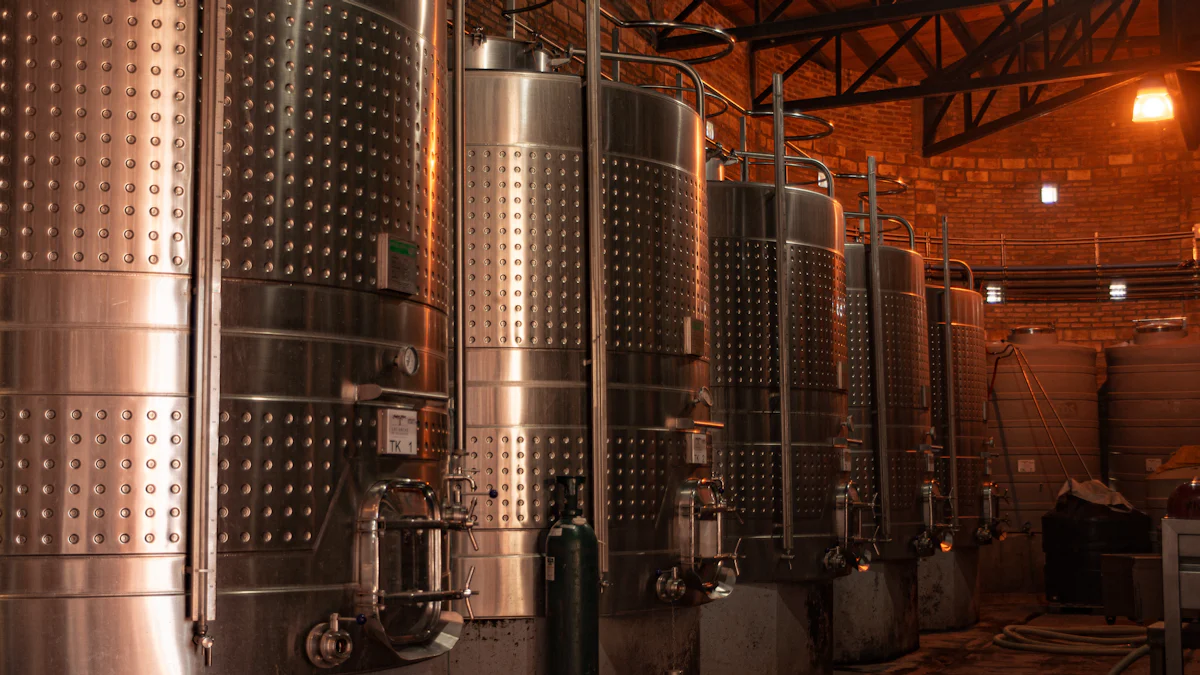
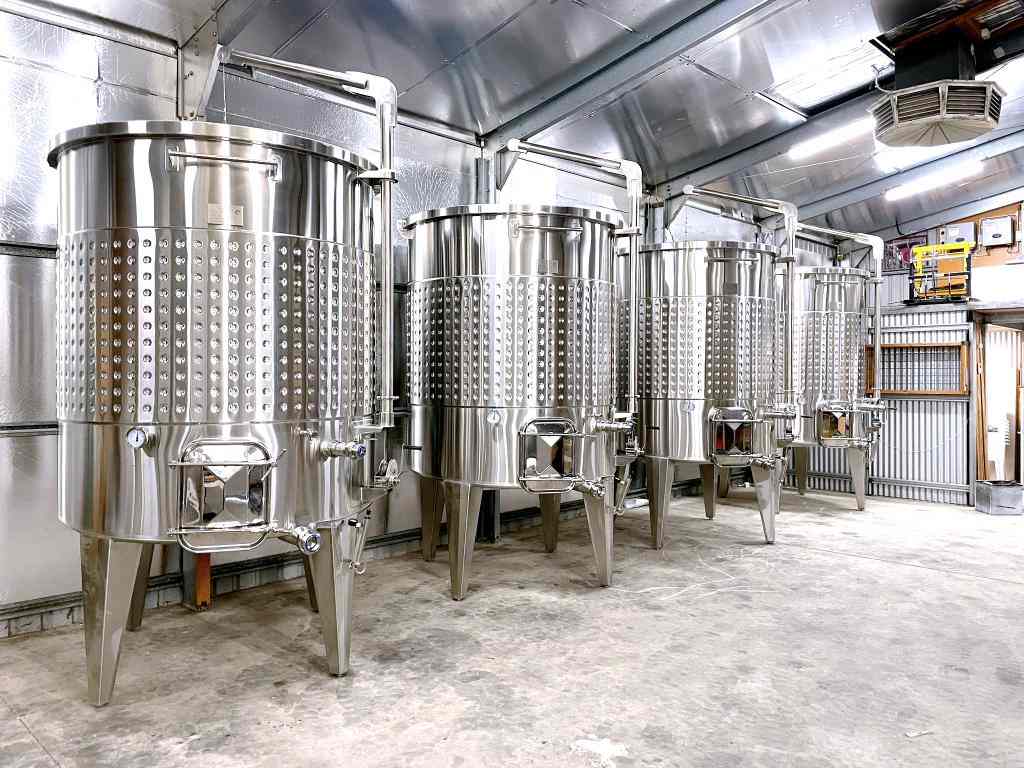
Time is crucial for making quality cider. Studies show that temperature during fermentation affects the aroma and taste of the cider. Higher temperatures can enhance the aroma but may also lead to undesirable flavors. Stainless steel fermentation tanks, like those manufactured by Shandong Chenma Machinery Co., Ltd., help control the fermentation process and achieve better results.
Key Takeaways
- Primary fermentation takes 7 to 14 days. Observe the bubbles and check the temperature. This ensures fermentation is proceeding properly.
- Secondary fermentation can last from 2 weeks to 6 months. Transferring the cider to a new container can make it clearer and improve its taste.
- Using cider fermenter helps maintain a stable temperature. This also prevents oxygen from entering, helping to keep the cider fresh and safe.
- Observe the clarity of the cider to determine if it is ready. Taste it to see if it’s dry. Use a hydrometer to measure the correct specific gravity.
- Record all fermentation details. This will help you identify problems and make a better cider next time.
Fermenting Cider: Timeline and Stages

Primary Fermentation Period
The winemaker first pours the apple juice into fermentation tanks. The first stage is called primary fermentation. Yeast converts the sugar into alcohol and carbon dioxide. You’ll see bubbles and foam appear on the surface. This stage takes about 1 to 2 weeks. Some cider can be made in 7 days, while others take up to 14 days. The temperature inside the fermentation tank is crucial. Higher temperatures speed up fermentation, while lower temperatures slow it down.
| Stage | Duration |
|---|---|
| Primary Fermentation | 7 to 14 days |
| Primary (Low, Slow) | 1 to 2 weeks |
Stainless steel tanks maintain a stable temperature and isolate oxygen, preventing the cider from spoiling. The smooth surface of the tanks makes them easy to clean and helps prevent bacterial growth.
Secondary Fermentation Duration
As the bubbles diminish, the cider enters the next stage. The winemaker transfers the cider to clean tanks. This step is called decanting. Secondary fermentation helps improve the cider’s flavor and can last for weeks or even months. Some winemakers age their cider for 2 months, while others wait up to 6 months for a smoother texture.
| Stage | Duration |
|---|---|
| Secondary Fermentation | 2 weeks to 2 months |
| Secondary (Extended) | Up to 6 months |
During this time, the winemaker checks for off-odors or odors. Stainless steel tanks effectively isolate the cider from air. This helps the cider retain its aroma and flavor. Many fermentation tanks are equipped with cooling systems to maintain a stable temperature, which is crucial for aging.
Tip: Transferring the cider to clean fermentation tanks after the first stage of fermentation helps remove off-odors and makes the cider appear clearer.
Factors Affecting Fermentation Time
Many factors affect the fermentation time of cider. The apple variety is important. Apples with higher acidity and phenolic content require longer fermentation times. The fermentation time for red-fleshed apples may differ from that of regular apples. The type of yeast is also important. Some yeasts ferment faster and produce different aromas and textures.
| Factor | Influence on Cider Fermentation |
|---|---|
| Apple Variety | Alters the quality and aroma of cider |
| Yeast Strain | Alters the flavor and volatile components of cider |
| Ripening Stage | Varies by apple variety; less affected for some varieties |
Temperature is another crucial factor. Yeast activity is slow at 18°C and accelerates at 30°C. Winemakers closely monitor temperature to avoid stressing the yeast. Stainless steel tanks help control temperature. Their smooth surfaces preserve the cider’s pure flavor and prevent off-flavors, ensuring each batch tastes fresh.
Making cider requires meticulous steps. Winemakers using high-quality fermentation tanks and strictly controlling the process are essential to producing clear, full-bodied cider. From the initial bubble formation to the final aging, the right tools are crucial.
Risks When You Leave Fermenting Cider Too Long
Off-Flavors and Spoilage
If cider is left in the fermentation tank for too long, adverse changes can occur. Yeast and other microorganisms can cause the cider to taste or smell off-putting. Winemakers often find off-flavors or strange tastes when cider comes into contact with lees (dead yeast cells). Some problems you might encounter include:
- Acetic acid smells like vinegar and can make cider sour.
- Ethyl acetate smells like nail polish remover.
- Sulfides smell like rotten eggs produced by stressed yeast.
- Mouse smells like wet newspaper and is difficult to detect.
- Acetaldehyde smells like new paint and tastes like chemicals.
- Trichloroacetic acid (TCA) smells like wet cardboard and tastes musty.
- Brett’s yeast produces a variety of odors and can sometimes cause problems.
Good tank design helps reduce these risks. Sealed stainless steel tanks isolate the cider from air and are easy to clean. Winemakers using these tanks have better control over the cider brewing process, ensuring its safety.
Oxidation Risks
Oxidation occurs when air enters the fermentation tank. This alters the taste and shelf life of the cider. The table below shows the effects of oxidation on cider:
| Finding | Description |
|---|---|
| Oxidation Effects | Oxidation alters the flavor of cider and reduces its important aromas. |
| Fermentation Methods | Different fermentation methods and yeast species affect the cider’s resistance to oxidation. |
| Volatile Compounds | Most aromas diminish during storage due to oxidation. |
Stainless steel tanks with airtight lids help prevent oxidation. Winemakers using these tanks are able to maintain the freshness and stability of their cider.
When Extended Aging Benefits Cider
Sometimes, extending the aging time of cider in fermentation tanks can improve its quality. Winemakers using flavorful apples may need to extend the aging time. Experts say that the longer cider and wine are aged, the more the fruit aromas will gradually diminish, but the flavors will become more complex. Controlling oxidation during aging can increase the depth of the wine. Oak barrels, especially French oak barrels, help balance acidity and increase the body of the wine. Winemakers typically age their cider for three months to a year, depending on their needs.
Tip: Extended aging is best suited for cider made from apples with high tannin content and moderate acidity. Winemakers should closely monitor the aging process of their cider to prevent spoilage.
Winemakers who use stainless steel tanks with high-quality lids and cooling systems can safely age their cider. These tanks help control temperature and isolate the cider from air, making them ideal for aging.
Fermenting Cider from Apples: Removing Too Soon

Incomplete Fermentation Issues
Some winemakers bottle their cider too early. This can cause several problems. Yeast needs time to complete fermentation. If the yeast stops fermenting prematurely, the cider will taste too sweet. Sometimes, it will have a buttery or caramel candy aroma. This aroma comes from diacetyl. Sometimes, it will have a nail polish remover-like aroma.
Off-Tastes and Unstable Cider
Prematurely removed cider will taste bad and may be unstable. Oxidation occurs when the apple juice comes into contact with air. This can cause the cider to taste like cardboard. Sometimes, the presence of trans-2-nonenal can make the cider taste stale. Wild yeasts and acetic acid bacteria can also proliferate. If sugar and air remain, these microorganisms can make the cider sour and taste like vinegar. The chemical composition will also change. If the yeast is unhealthy, diacetyl will transform into a more intense flavor.
Early Bottling Effects
Bottling cider prematurely can cause problems. The cider may continue to ferment in the bottle, causing it to burst or leak. The taste may become too sweet or off-putting. Winemakers should check that fermentation is complete before bottling. Here are some ways to check:
- Measure the specific gravity using a hydrometer. Take the measurement before fermentation begins.
- Observe the specific gravity for a few days. If the specific gravity remains constant, fermentation is complete.
- Observe for bubbles or foam. These bubbles or foam should disappear after fermentation is complete.
- Taste the cider. The finished cider should be dry, not sweet.
Tip: Waiting for these signs to appear before bottling ensures the cider is safe and tastes good.
How to Tell When Cider Fermentation Is Complete
Visual Signs
Winemakers typically observe the obvious signs of fermentation completion. As the yeast settles to the bottom of the tank, the liquid becomes clearer. Surface bubbles and foam decrease or disappear. The venting valve (used to release gas) also stops bubbling. These changes indicate that the yeast has completed the process of converting sugar into alcohol. Winemakers will also notice that the cider has a fresher aroma and a less pronounced yeasty smell. The finished cider has a bright appearance and a pleasant, refreshing aroma.
Hydrometer and Gravity Readings
A hydrometer is used to measure the remaining sugar in the cider. Winemakers use it to check if fermentation is complete. When fermentation appears to be finished, they measure the specific gravity. They measure it again the next day. If the two readings match, fermentation is likely complete. Winemakers will compare the first and last specific gravity readings. A hydrometer is a good indicator of when the cider is ready, but winemakers should still be aware of minor errors.
Tip: For best results, always clean the hydrometer before use and check the cider’s temperature.
Practical Tests for Readiness
Winemakers use several simple tests to determine the maturity of their cider. They taste the cider to see if it’s dry and not cloyingly sweet. A mature cider shouldn’t be sweet. Winemakers also smell the cider to check for off-odors or sourness. If the cider smells fresh and tastes good, it’s likely mature. Some winemakers use a flashlight to check the clarity of the cider. Others observe the bottom of the container for sediment. These practical tests help verify hydrometer readings.
| Test Type | What to Look For |
|---|---|
| Taste | Dry, clean flavor |
| Smell | Fresh, no sour odors |
| Clarity | Bright, little sediment |
Winemakers who use these methods and tools can be confident that their cider is ready for bottling or aging.
Best Practices to Leave Cider at the Right Time
Monitoring and Record Keeping
Winemakers need to monitor their cider daily. They frequently check specific gravity, temperature, and pH levels. Recording this data helps them observe changes. Winemakers use tables to compare different batches of cider, which helps them identify problems early.
| Best Practice | Description |
|---|---|
| Monitor Nutrient Levels | Adding nitrogen fertilizer helps yeast function better. Winemakers control nutrient composition by monitoring conductivity. |
| Track Fermentation Parameters | Winemakers record the specific gravity, temperature, and pH of each batch of cider. |
Good record-keeping helps winemakers do better each time and helps them follow the same steps. Winemakers can collaborate and adhere to the rules of cider making.
Deciding When to Rack or Bottle
Winemakers must decide when to transfer or bottle the cider. They will separate the cider from the coarse lees after one to two weeks to prevent the growth of harmful microorganisms. Before transferring, winemakers will observe whether the cider is cloudy and has sediment at the bottom. Some will separate the fine lees to prevent malolactic fermentation or changes in tannins.
Modern fermentation tanks, like those manufactured by Shandong Chenma Machinery Co., Ltd., make this process more convenient. These tanks allow winemakers to check the cider without opening the tanks. They can control the temperature and keep the tank clean. This helps them determine the optimal time for racking or bottling.
Avoiding Common Mistakes
Some winemakers leave their cider in the fermentation tank for too long or remove it too early. They should always clean new fermentation tanks before transferring cider. If fermentation stops, adjusting the temperature can help. Winemakers should keep the tanks sparsely aerated and prevent cider from splashing. This prevents oxidation. They need to check for sufficient bubbles in the yeast and sugar. Clarifying the cider in a secondary fermentation tank and using a clarifying agent can prevent sediment from forming in the bottle.
Tip: Use an airlock or degassing valve to control pressure. Observe changes in gravity and stop fermentation when the desired sweetness is reached.
These steps can help winemakers leave their cider in the fermentation tank for the right amount of time. They can then produce delicious cider.
Cider brewers should let the cider sit in the fermentation tank for 7 to 14 days during primary fermentation. For longer aging, it can be left to sit for up to 6 months. Time is crucial for making quality cider. Brewers need to closely monitor the fermentation process and use high-quality equipment. Specialized tools help with pressing the apples and controlling the temperature.
Several practical tests can help brewers determine when the cider is ready for bottling. These tests include examining the fermentation tank or fermentation vessel under a microscope, looking for yeast or bacteria, and ensuring there is no contamination.
| Test Type | Purpose |
|---|---|
| Microscopic Identification | Inspecting the condition of the fermentation tank or fermentation vessel |
| Yeast and Bacteria Cultures | Detecting live yeast or bacteria |
| Sterility Checks | Confirming no contamination |
Patience and following the correct steps are essential for making superior cider. Those brewers who allow the flavors to fully develop and create cider that people are happy to share are the ones who create truly delightful cider. 🍏
FAQ
How to determine if cider is ready to be bottled?
A hydrometer helps determine when fermentation has stopped. Winemakers will observe if the cider is clear and free of bubbles. They will check if the specific gravity reading remains constant. Tasting the cider helps ensure it tastes dry and fresh.
What happens if cider is stored in the fermentation tank for too long?
Cider may develop off-flavors such as vinegar or rotten eggs, or even spoil. Stainless steel tanks help isolate the cider from air and keep it clean.
Is it safe to use plastic fermentation tanks to make cider?
Plastic fermentation tanks are suitable for short-term use. Stainless steel tanks better protect cider from bacteria, are easier to clean, and help control temperature.
How to speed up cider fermentation?
Higher temperatures and stronger yeast can accelerate fermentation. Winemakers need to watch for off-flavors. Stainless steel tanks with cooling systems help control the fermentation process.