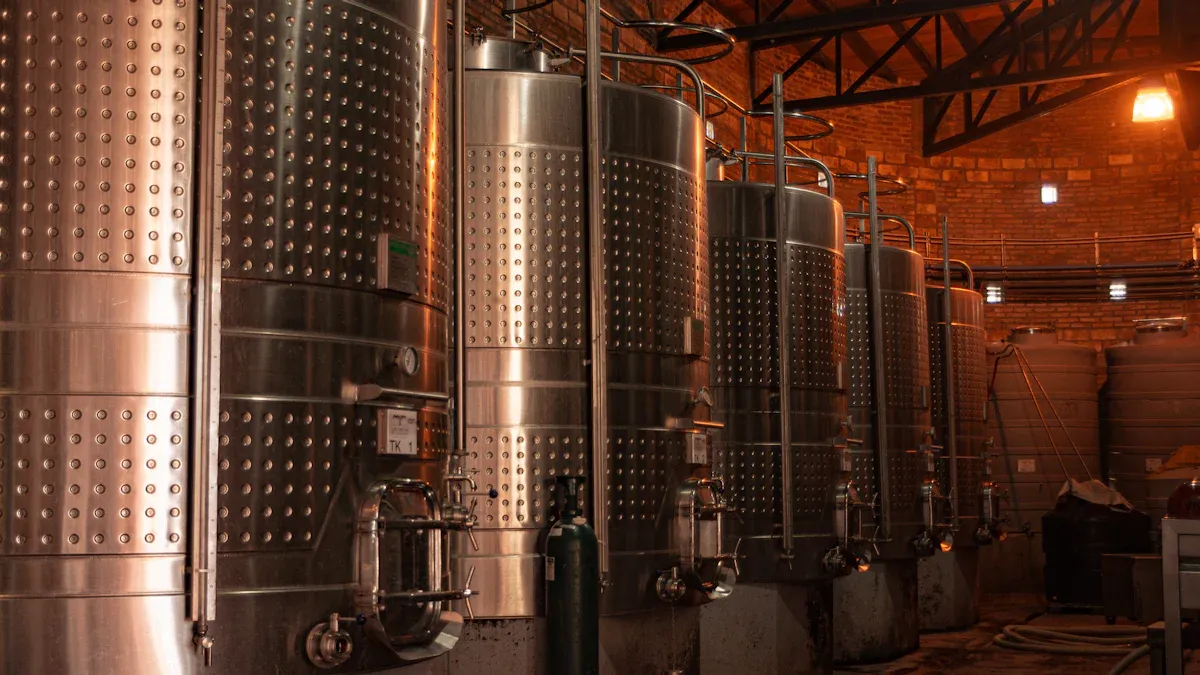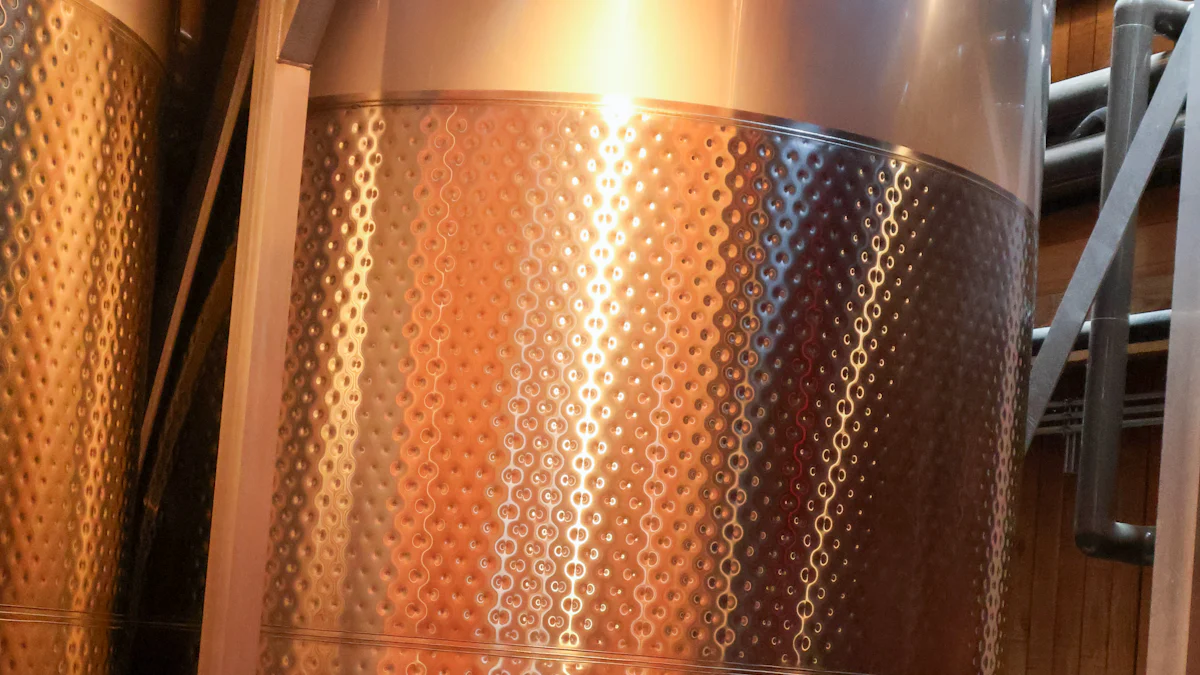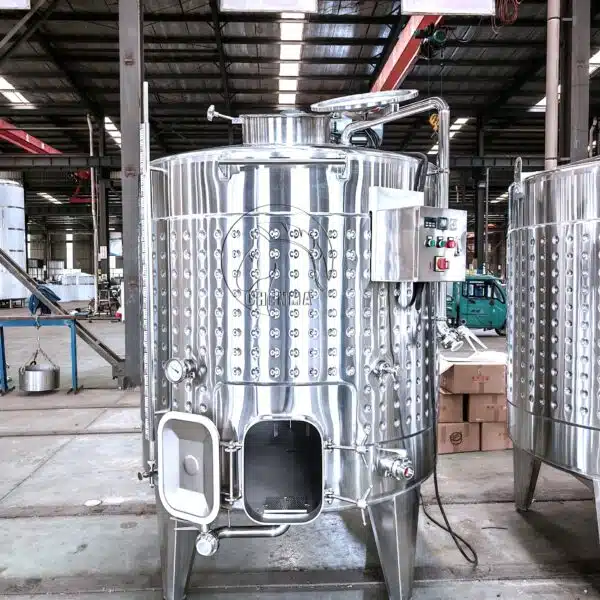

Most winemakers leave their wines in fermentation tanks for 3 to 14 days. The specific aging time depends on the recipe and fermentation rate. Factors such as the type of wine, temperature, and equipment used also affect fermentation time. Proper aging helps the wine develop better color, flavor, and aroma. Studies show that the length of time wine is left in the wine tank affects polyphenol content and antioxidant capacity, thus improving flavor and astringency. Typically, winemakers leave the wine in the tank until it can be transferred to oak barrels or other fermentation tanks to continue fermentation and remove excess sediment.
Key Takeaways
- Most wines require fermentation in tanks for 5 to 14 days. This time helps enhance the wine’s flavor and aroma.
- Temperature affects the fermentation rate. Higher temperatures result in faster fermentation; lower temperatures result in slower fermentation.
- Use a hydrometer to check the remaining sugar content. If the specific gravity remains unchanged for three consecutive days, fermentation is complete.
- Observe for bubbles in the airlock, but do not rely solely on bubbles. Visual inspection and a hydrometer provide a more accurate assessment.
- When fermentation slows down, transfer the wine to a new container. This prevents sediment from developing off-flavors.
How Long to Leave Wine in the Fermentation Bucket

Standard Timeframes
Winemakers often ask how long wine should stay in fermentation tanks. The answer varies depending on several factors, but there are some basic rules. Primary fermentation typically takes 5 to 14 days. During this time, yeast converts sugar into alcohol. Fermentation is very active at this stage. Many winemakers leave wine in fermentation tanks for 3 to 7 days for primary fermentation, especially when making grape wines. If the room temperature is low, fermentation may take longer, sometimes up to two weeks.
- Most home winemaking guides suggest these times:
- Primary Fermentation: 5 to 14 days
- In a cooler room: Up to two weeks or longer
Covering the fermentation tank with an airtight lid or a clean cloth prevents dust and insects from entering. An airlock allows gases to escape but blocks harmful bacteria. Winemakers should not open the fermentation tank frequently, otherwise oxygen may enter and spoil the wine. When fermentation slows down and no longer produces bubbles, the wine should be transferred to another container or barrel. This helps remove sediment, which can affect the wine’s taste and appearance.
Tip: Always use clean equipment when transferring wine to prevent bacterial growth and maintain its quality.
Recipe and Wine Type Variations
Different wine recipes and types require different fermentation times. Red and white wines also have different fermentation times. The table below shows the typical fermentation time differences for different wines:
| Wine Type | Fermentation Timing | Notes |
|---|---|---|
| Red Wine | Press when primary fermentation is complete (0° Brix) | Gets the most color and flavor without strong tannins. |
| White Wine | Ferments faster in barrel because it is warmer | May lose some fruit taste but gets a toasty smell. |
Fruit wines, such as those made from berries or apples, typically require longer fermentation times. Many recipes recommend fermenting fruit wines in barrels for about 4 weeks. For the first 7 days, the winemaker will open the barrel daily to press down the skins. Two weeks later, remove the skins to prevent undesirable flavors.
- Common fermentation times for different recipes:
- Grape wine: 3 to 7 days for the first fermentation
- Fruit wine: 4 weeks in barrels, covered with skins daily
- Mead: Similar to fruit wine, but fermentation time varies depending on sugar and yeast content.
Fermentation will slow down if the room temperature is low or yeast activity is poor. Winemakers should observe signs such as bubbles or foam to determine if fermentation is in progress. When these signs disappear, the wine should be moved to the next stage. Properly controlling fermentation time helps improve the wine’s flavor and prevents problems caused by sediment.
Fermentation Bucket Factors Affecting Fermentation
Temperature and Environment
Temperature is crucial for wine fermentation. Higher temperatures (around 28°C) accelerate fermentation. Higher yeast activity results in a different wine flavor. Lower temperatures slow fermentation. Winemakers need to check the temperature frequently.
- Higher temperatures accelerate fermentation.
- Fermentation is most effective under stable temperatures.
- Stirring wine helps transfer heat, but it also causes temperature fluctuations. This can damage the yeast and alter the wine’s flavor.
- Serious temperature changes slow down yeast activity and alter the levels of tannins and phenolic compounds.
Studies show that wines around 15°C release fruity aromas. At temperatures between 12°C and 20°C, the wine absorbs more esters and fatty acids. These substances contribute to enhancing the wine’s aroma and flavor. Winemakers use thermometers to monitor the temperature of the barrels. They store the wine in a temperature-controlled environment.
Yeast and Sugar Levels
Yeast and sugar content determine how long wine stays in the fermentation tank. Different types of yeast ferment at different rates. For example, Kveik yeast, like Voss, can complete fermentation in just a few days. One winemaker observed that fermentation begins within 2-3 hours and is completed in 7-10 days. Lager yeast, on the other hand, takes about 10 days. The choice of yeast affects the fermentation speed and taste of the wine.
Sugar provides the yeast with energy to produce alcohol. The more sugar, the longer the fermentation time; the less sugar, the faster the fermentation. Winemakers use hydrometers to measure the sugar content. They check the wine daily to see the remaining sugar. When the sugar content decreases, the fermentation slows down. At this point, the wine is ready to proceed to the next step.
| Yeast Type | Fermentation Time | Notes |
|---|---|---|
| Kveik (Voss) | 7-10 days | Fast, active fermentation |
| Lager yeast | ~10 days | Slower, steady fermentation |
Winemakers help the wine ferment fully by selecting the right yeast and controlling the sugar content. They observe the fermentation process of the wine and continuously adjust the winemaking techniques to achieve the best taste.
Wine Fermentation Signs In Fermentation Bucket

Bubbling and Airlock Activity
Winemakers observe bubbles in the barrels to determine if the wine is fermenting. Bubbles mean yeast is working and producing carbon dioxide. Many people use airlocks to observe bubbles. Some believe that bubbles in the airlock indicate vigorous fermentation, while others believe that the absence of bubbles means fermentation has stopped. Experts point out that bubbles in the airlock do not always reflect the true progress of fermentation. Sometimes, even if there are no bubbles in the airlock, the wine is still fermenting. The fermentation process can vary from batch to batch. In the first few days, yeast needs air to grow properly. Using airlocks too early may slow down yeast growth. Winemakers should not rely solely on bubbles in the airlock to judge the fermentation status.
- Bubbles in the airlock do not always indicate whether fermentation is in progress; even if there are no bubbles in the airlock, the wine may still be fermenting.
- To accurately determine the fermentation status, winemakers need to use a hydrometer, as the situation can vary from batch to batch.
- Airlock should be avoided for the first few days, as yeast needs air to grow properly.
Hydrometer and Visual Checks
A hydrometer helps winemakers determine when the wine is ready to proceed. This tool displays the remaining sugar in the wine. As yeast consumes the sugar, the hydrometer reading will decrease. Winemakers should check the hydrometer daily. If the reading remains constant for three consecutive days, fermentation is complete. The following table lists the main signs of fermentation completion:
Winemakers need enough wine for the hydrometer to float. Insufficient wine will result in inaccurate readings. The sugar must be thoroughly mixed in the tank. If the sugar is not mixed evenly, the hydrometer may show different readings at different locations. Sometimes, incorrect hydrometer setting can also lead to inaccurate readings. Winemakers should check the hydrometer before using it. They should also observe the wine. Clear, bubble-free wine indicates fermentation is nearing completion. Foamy and cloudy wine indicates the yeast is still active. Winemakers combine hydrometer readings with visual inspection to determine when to move the wine to the next stage.
- Insufficient wine sample size: The hydrometer must float to give an accurate reading. Insufficient wine sample size will lead to inaccurate results.
- Uneven sugar dissolution: If the sugar is not dissolved evenly, the hydrometer may show different readings at different locations.
- Incorrect hydrometer calibration: Sometimes, the hydrometer is set incorrectly, resulting in inaccurate readings.
Winemakers rely on hydrometers and visual inspection to determine when fermentation is complete. These checks help them avoid mistakes and produce better wines.
Risks of Leaving Wine Too Long or Not Enough In Fermentation Bucket
Off-Flavors and Spoilage
Winemakers encounter problems if wine is aged in barrels for too long or too short a time. One major problem is the development of off-flavors. If wine is soaked on sediment for an extended period, it can develop unpleasant tastes. These off-flavors come from the breakdown of bottom fruit or yeast. If wine is soaked on fruit for more than 6 or 7 days, the fruit may rot, causing the wine to taste bad.
- Off-flavors can develop if wine remains in contact with sediment for too long.
- Yeast will break down dead yeast cells (a process called autolysis), producing unpleasant tastes.
- Excessive oxygen or temperature fluctuations can also ruin wine.
- High temperatures can damage the color and aroma of wine.
If wine doesn’t ferment long enough, it may taste like beer because the bubbles remain in the wine for too long. Using a spinning top and extending the fermentation time can improve the taste. Transferring the wine to clean glass bottles also helps remove yeasty odors.
Note: Timely removal of sediment and monitoring of the fermentation process help maintain the good taste of the wine and prevent spoilage.
Oxidation and Sediment Issues
Oxidation can become another problem if winemakers don’t pay attention to the fermentation process. Oxygen is beneficial in the early stages of fermentation, but too much oxygen later on can damage the wine. Oxygen can enter the wine when it’s moved or when there are gaps in the container. This will slowly change the color and taste of the wine.
- Move the wine gently to avoid splashing and allowing too much oxygen to enter.
- Fill the container from the bottom to prevent air from entering.
- Store the wine in a cool, dark place to slow oxidation.
- Use substances such as sodium bisulfite and ascorbic acid to protect the wine.
Managing sediment is crucial for making quality wine. Allowing sediment to settle and moving the wine helps remove impurities that cause cloudiness. These steps can improve the appearance and taste of the wine. Post-fermentation adjustments can improve sweetness and astringency, allowing winemakers to achieve their desired flavor.
Tip: Winemakers should always check the fermentation process and move the wine at the appropriate time to avoid these problems.
Monitoring Fermentation Bucket and Next Steps
Daily Checks
Professional winemaking requires close monitoring of the fermentation process. Winemakers check the winemaking process daily. They measure Brix, temperature, and pH daily. This helps them detect changes and make adjustments as needed. Capping is performed two to three times daily. This keeps the pulp below the juice, contributing to a richer color, aroma, and body. Winemakers also monitor temperature daily. This helps protect the yeast and prevent slow fermentation. Acidity is checked less frequently, but it remains crucial to wine quality.
| Monitoring Practice | Frequency | Purpose |
|---|---|---|
| Brix, temperature, and pH | Daily | To show how fermentation is going and make changes. |
| Punch-downs | 2-3 times a day | To keep fruit solids under the juice for better color, smell, and body. |
| Acidity (titratable) | Less frequently | To check important things that affect wine quality. |
| Temperature control | Daily | To keep yeast safe from too much heat or cold. |
Winemakers use a hydrometer to measure the sugar content in the wine. Some winemakers check the wine’s sugar content once or twice a day until it reaches one-third of its maximum. After that, as fermentation slows, they reduce the frequency of checks. These daily checks help winemakers make the right choices and ensure the winemaking process proceeds smoothly.
When to Transfer Wine
Winemakers observe several signs before transferring the wine to the next fermentation tank. The wine’s specific gravity should be between 1.030 and 1.020. This usually occurs around the fifth day of fermentation. At this point, the winemaker transfers the wine to a new container. This step prevents the wine from mixing with sediment and prepares it for the next stage. It helps prevent the development of undesirable flavors and spoilage.
| Indicator | Value/Timing |
|---|---|
| Specific Gravity | 1.030 to 1.020 |
| Duration of Fermentation | Around the 5th day of fermentation |
After the first fermentation, winemakers choose to age the wine in oak barrels or glass bottles. Oak barrels allow a small amount of oxygen to enter, which helps the wine absorb more flavors. American oak barrels impart rich vanilla, coconut, and dill flavors to wines, while French oak barrels contribute lighter notes of clove, cinnamon, and cedar. Toasting oak barrels alters the wine’s flavor profile. Light toasting imparts sweet vanilla notes, while heavy toasting creates smoky or chocolate flavors. Oak barrels are easier to clean and less expensive than glass bottles. Glass bottles effectively isolate the wine from oxygen and allow winemakers to monitor fermentation. However, glass bottles are fragile and more difficult to clean.
Aging wine in oak barrels imparts oak flavors as well as other notes, such as dried fruit and leather. Winemakers choose appropriate oak barrels based on the desired style of wine. Careful observation and precise timing are crucial for winemakers to create high-quality wines and successfully complete the winemaking process.
Tip: To achieve optimal wine quality, winemakers should check the wine daily and transfer it to the next fermentation tank at the appropriate time.
Most experts believe that wine should age in fermentation tanks for 5 to 10 days. The following table lists general recommendations:
| Source | Duration for Primary Fermentation |
|---|---|
| WineXpert Batch #1 – VR Reisling | 10 days before racking |
| WineXpert Batch #1 – VR Reisling | 5 to 7 days before transferring |
Winemakers check the wine daily to control oxygen levels and prevent spoilage. They use tools such as hydrometers and refractometers to determine when to rack. The best method is to observe changes in the wine, measure its density, and rack at the appropriate time. After fermentation, winemakers choose suitable aging containers. Oak barrels impart flavors such as caramel and spices to the wine. Stainless steel tanks help maintain the wine’s freshness and purity. Timing and using the right tools are key to winemaking’s success in producing high-quality wines.
FAQ
How to determine if fermentation in a wine barrel is complete?
A hydrometer can indicate when fermentation has ended. If the specific gravity remains constant for three consecutive days, fermentation is complete. A clear, transparent wine without bubbles also indicates that fermentation has stopped.
What happens if the wine remains in the fermentation barrel for too long?
Prolonged contact with sediment can produce off-flavors and may even lead to spoilage. Winemakers should transfer the wine to other containers after fermentation has slowed and sediment has settled.
Can winemakers use any container for fermentation?
Food-grade plastic containers are the best choice. The container must be clean and free of scratches. Non-food containers may introduce unwanted flavors or chemicals.
What are the benefits of using wine barrels after fermentation?
Wine barrels, such as oak or stainless steel barrels, help develop the flavors and aromas of the wine. Oak barrels impart flavors such as vanilla or spices. Stainless steel barrels help maintain the freshness of the wine and are easy to manage.