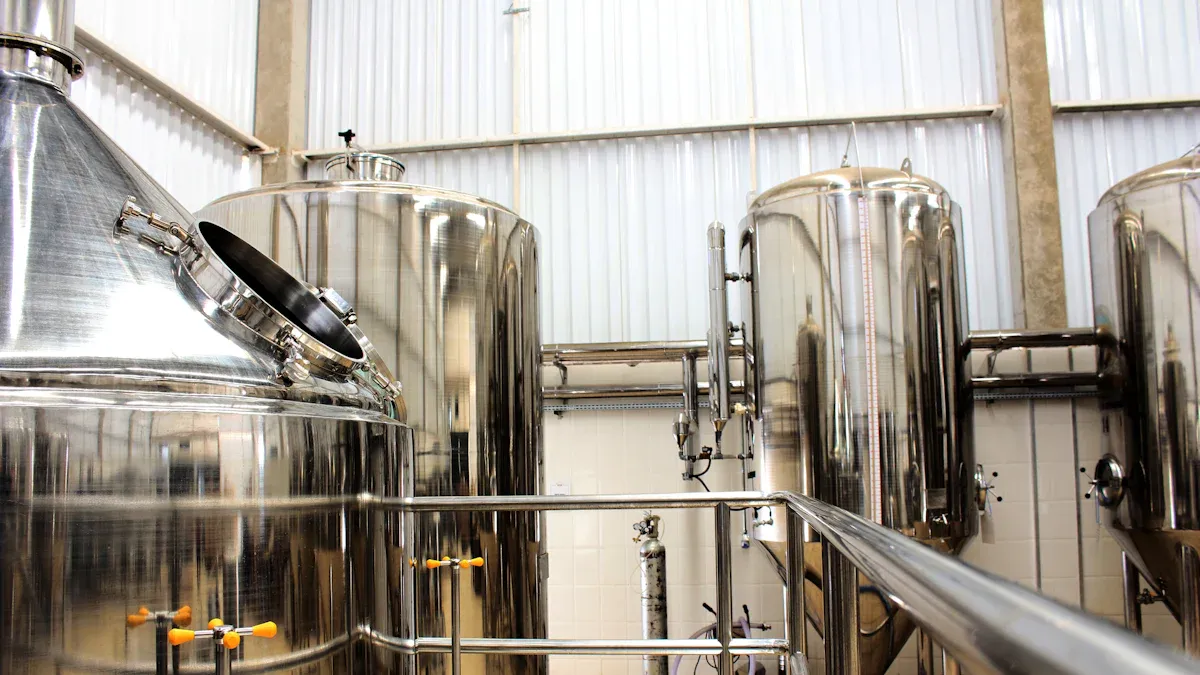

Yes, wine can be stored in stainless steel tanks. Many winemakers choose this method because stainless steel is robust and durable, able to withstand harsh storage conditions. These wine tanks are easy to clean and maintain, helping to prevent bacterial growth. Winemakers appreciate that stainless steel tanks can maintain the wine at the ideal temperature and facilitate temperature control. These tanks have excellent seals, ensuring that fruit aromas and acidity remain fresh. Furthermore, stainless steel does not affect the taste of the wine, allowing the grapes’ own flavors to fully develop.
The global stainless steel tank market is projected to reach $9.4 billion by 2032. This indicates a significant increase in demand for beer and wine storage.
Key Takeaways
- Stainless steel tanks are robust and durable, with a lifespan of 30 to 50 years, making them an ideal investment for wineries. These tanks maintain the freshness of wine by isolating it from air and light, thus preserving the natural flavors of the grapes. The tanks do not add any extra flavors to the wine. Stainless steel tanks are also very easy to clean, helping to keep the tanks clean and ensuring the wine always maintains its optimal quality. Winemakers can precisely control the temperature inside the tanks, thereby promoting fermentation and ensuring the stability of the wine’s flavor. Unlike wine barrels, stainless steel tanks do not add complexity to the wine’s flavor. However, they are ideal for producing wines with a crisp and clean taste.
Why Store Wine in Stainless Steel Tanks
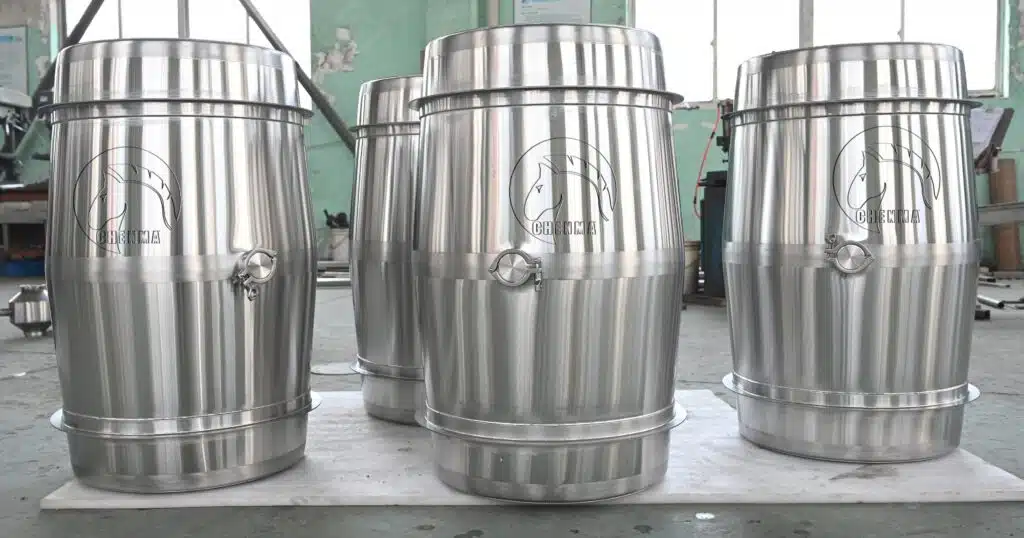
Stainless Steel Tanks Non-Reactive and Airtight
Stainless steel tanks play a vital role in winemaking today. They do not alter the taste or aroma of the wine. Scientists have studied the effects of these tanks on wine. Their research shows that stainless steel helps maintain the freshness and stability of wine. The table below lists the reasons winemakers love stainless steel tanks:
| Evidence Point | Description |
|---|---|
| Non-reactive surface | Stainless steel does not absorb odors or emit unpleasant flavors. |
| Neutral environment | It creates a clean space, allowing the wine to retain its original taste and aroma. |
| Corrosion resistance | The surface will not rust, keeping the wine clean. |
| Easy cleaning | It is very easy to clean, so older wines will not contaminate newer wines. |
| Oxygen exclusion | The tank isolates the wine from air, keeping it fresh. |
| Slows chemical changes | Studies have shown that stainless steel slows down chemical changes in wine, thus preserving its fruitiness. |
Winemakers use stainless steel tanks to make and store wine. These airtight tanks effectively isolate the wine from air, preventing it from contacting the air environment. Air can alter the taste and color of wine. By blocking air, stainless steel tanks help wine retain its fruitiness and natural acidity. Furthermore, this airtight seal prevents external flavors from seeping in, allowing the natural grape flavors to shine through.
- Stainless steel tanks are airtight, so very little air gets in.
- This seal helps the wine retain its freshness and fruitiness.
- Natural acidity is preserved because air cannot contact the wine.
- External flavors cannot penetrate, thus highlighting the natural flavors of the grapes.
Stainless Steel Tanks Light-Proof and Durable
Light can trigger chemical changes in wine, damaging it. Stainless steel tanks completely block light, ensuring the wine’s color and taste remain undisturbed. In addition, stainless steel is extremely robust and durable, with a lifespan of 30 to 50 years. They will not rust even in the acidic environment of grape juice. Due to the long lifespan of stainless steel tanks, wineries do not need to replace them frequently. In contrast, oak barrels require more frequent replacements. Stainless steel tanks are not only cost-effective but also incredibly durable.
Stainless Steel Tanks Hygiene and Easy Maintenance
Clean tanks are crucial for winemaking. Stainless steel tanks are easy to clean, and their smooth interiors do not easily trap dirt and grime. Wineries employ rigorous cleaning procedures to ensure the tanks are safe for the wine. The most common cleaning steps include:
- Pressure rinsing with cold water.
- Using a strong detergent to remove dirt and food residue.
- Rinse again with pressure rinsing with cold water.
- Using hot water or steam to kill bacteria.
- Rinse with clean water to remove any residual quaternary ammonium detergent.
- Finally, rinse with hot water, preferably sterilized hot water.
- Sometimes ozone treatment is used.
These steps effectively inhibit bacterial growth and maintain the purity of the wine. Stainless steel tanks are easy to inspect, allowing winemakers to quickly identify problems. Good cleaning helps ensure consistent taste with every wine.
Stainless steel tanks are widely used in winemaking and storage. Their non-reactive, airtight, and light-blocking properties help maintain the wine’s good taste and safety.
Benefits of Wine Stainless Steel Tanks
Stainless Steel Tanks Preserves Wine Flavor
Stainless steel wine tanks help preserve the freshness and flavor of wine. They do not add extra flavor to the wine. Wine remains crisp and pure in these tanks. Many winemakers use them to make white and rosé wines. These wines need to maintain a bright and fruity flavor. Stainless steel tanks isolate the wine from air and light, thus preventing changes in the wine’s taste or color.
The table below compares stainless steel wine tanks and oak barrels:
| Feature | Stainless Steel Tanks | Oak Barrels |
|---|---|---|
| Flavor Influence | Keeps grape flavors fresh and crisp | Adds vanilla, spice, and tannins |
| Texture | Clean and vibrant, keeps wine pure | Creamier feel from tannins and air |
| Oxygen Exposure | Very little, keeps wine from spoiling | Some air gets in, softens tannins |
| Temperature Control | Great control, keeps wine safe | Not as good, depends on outside temperature |
| Best Wine Styles | Best for white wines and rosés | Good for full-bodied reds and some whites |
Winemakers choose stainless steel tanks to preserve the pure flavor of their wines. This is ideal for wines that require maintaining freshness.
Consistent Quality
Stainless steel wine tanks help ensure consistent taste across batches. These tanks allow winemakers to control the temperature, maintaining the wine at low or high temperatures as needed. The tanks do not retain aging flavors; each batch starts fresh.
| Feature | Description |
|---|---|
| Precise Temperature Control | Tanks have systems to control fermentation temperature. |
| Neutral Flavor Profile | Stainless steel does not add flavors, so wine tastes pure. |
| Non-Porous Surface | Tanks do not soak up old smells or flavors. |
- Stainless steel tanks are easy to clean and sterilize.
- The smooth surface prevents the growth of bacteria and yeast.
- The tanks allow winemakers to control the temperature for optimal fermentation.
- They are equipped with cooling jackets and valves for more precise control.
- The smooth surface makes cleaning easier and ensures the safety of the wine.
Shandong Chenma Machinery Co., Ltd. manufactures wine tanks with multiple temperature control and cleaning methods, helping winemakers produce high-quality wines every time.
Stainless Steel Tanks Flexible for Different Scales
Stainless steel wine tanks come in a variety of sizes. Small wineries can use 100-liter tanks, while large wineries can use 30,000-liter tanks. This helps all wineries find the right tank.
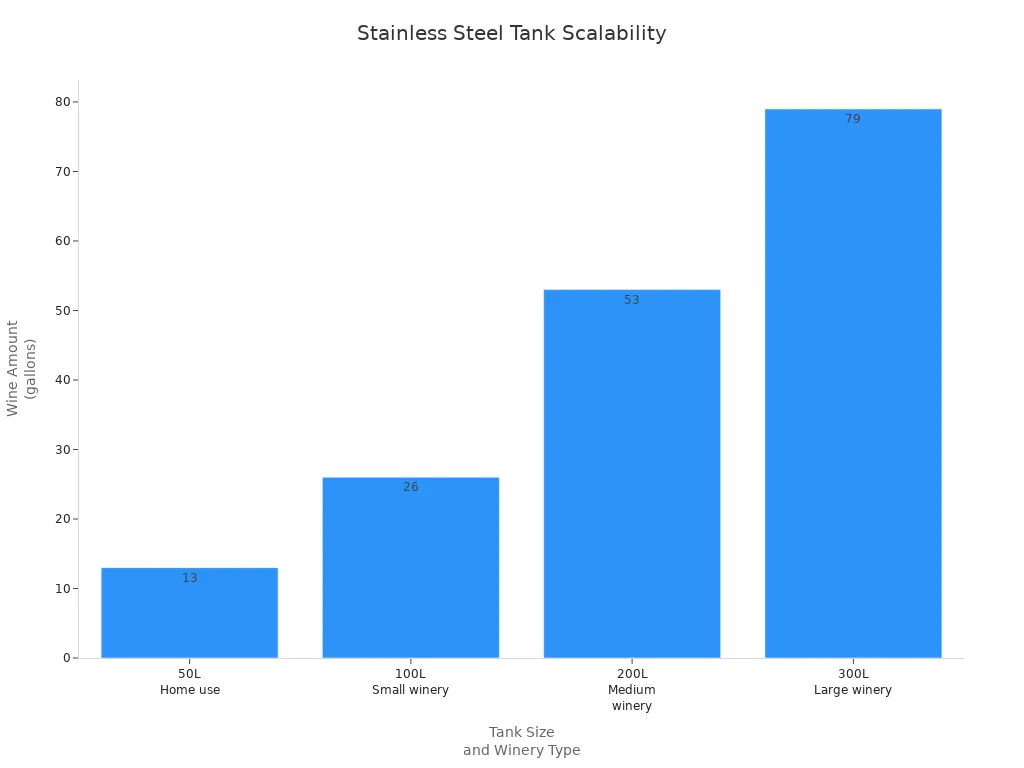
The table below lists the tank sizes and their applicable users:
| Tank Size | Wine Amount | Good For |
|---|---|---|
| 50L | 13 gallons | Home use |
| 100L | 26 gallons | Small winery |
| 200L | 53 gallons | Medium winery |
| 300L | 79 gallons | Large winery |
- Small wineries use 100-liter tanks to store 26 gallons of wine.
- Medium wineries use 200-liter tanks with a capacity of 53 gallons.
- Large wineries use 300-liter storage tanks, which have a capacity of 79 gallons.
Companies like Shandong Chenma Machinery Co., Ltd. produce storage tanks of various shapes and sizes. They can also add special features such as cooling jackets, different types of tank lids, and sensor interfaces. The following table lists some options:
| Feature | Options |
|---|---|
| Tank Capacity | 10- to 20,000-Gallon Tanks |
| Material | Stainless Steel 304, 316 |
| Head/Lid | Open Top, 1 Piece |
| Manway | 2/3 Pcs: Piano Hinge, 2/3 Pcs: Sanitary Hinge |
| Tank Class | Stationary / Transportable |
| Working Position | Horizontal / Vertical |
| Tank Port Types | Drain Port, Fill Port, Relief Valve, Sensor Ports, Sight Glass |
| Tank Features | None, Dimple, Conventional, Baffle Jacket, Double Wall, Insulated, Leak Detectors, Level Indicating System, Overflow Vents, Manways, Single Wall, Temperature Sensors, Top Access, Vented |
Winemakers can choose the most suitable tank based on the winery’s needs. They can produce small quantities or large quantities of wine. Stainless steel wine tanks can help them expand and modify as needed.
Drawbacks of Stainless Steel Tanks
Limited Flavor Development
Stainless steel tanks do not alter the taste of wine. They help maintain the brightness and purity of the wine’s own flavors. Experts agree that stainless steel tanks do not add new flavors. Oak barrels impart woody, smoky, or vanilla flavors to wine. Stainless steel tanks themselves are neutral in flavor and do not produce these flavors. The wine remains fresh but does not gain the additional layers of flavor that oak barrel aging provides.
- Stainless steel tanks do not make the wine more concentrated.
- Oak barrels add more flavors, such as woody, smoky, or vanilla flavors.
- Stainless steel tanks maintain the purity of the wine, allowing its true flavors to emerge.
- Oak barrel aging gives wine a richer and deeper flavor profile.
No Oxygen Exchange
Stainless steel tanks are airtight, preventing air from entering. This maintains the freshness of the wine and prevents the development of undesirable flavors. The wine remains bright and fruity. Oak barrels are different. They allow a small amount of air to slowly enter. This softens the tannins and imparts new flavors from the oak to the wine. Oak barrels impart vanilla, caramel, or toasty flavors to wine, and make it smoother and more balanced.
- Stainless steel tanks isolate the wine from air, keeping it fresh.
- Oak barrels allow a small amount of air in and soften tannins.
- Oak barrels can add vanilla, caramel, and toasty flavors to wine.
- Oak barrels make wine smoother and better integrate various flavors.
Note: Winemakers often choose stainless steel tanks to maintain the freshness of wine, but may not be able to obtain the additional flavors and smoothness provided by oak barrels.
Stainless Steel Tanks Initial Investment
The initial cost of stainless steel tanks is higher than other types of tanks. Prices vary depending on size and special features. Tanks with temperature control and robust construction are more expensive. Oak barrels, concrete tanks, and plastic tanks also have different prices. The table below shows the average cost and what you can get:
| Material | Price Range (USD) | Durability | Temperature Control | Flavor Impact | Notes on Price Impact |
|---|---|---|---|---|---|
| Stainless Steel | $1,000 – $20,000 | Very High | Excellent | Neutral | Higher upfront cost due to durability and features like temperature control |
| Oak | $600 – $1,500/barrel | Medium | Low | High | Costly due to oak wood and craftsmanship; requires maintenance |
| Concrete | $3,000 – $15,000 | High | Moderate | Low | Moderate to high price; durable but requires maintenance |
| Plastic | $100 – $800 | Low | Limited | Neutral | Most affordable but less durable and may retain odors |
Winemakers need to consider their budget and needs before choosing a tank. Stainless steel tanks have a long lifespan and are easy to control, but have a higher initial cost.
Using Stainless Steel Tanks for Wine Storage
Best Practices for Cleaning
Proper cleaning of wine tanks ensures the safety and flavor of your wine. Wineries employ a rigorous process to maintain the cleanliness of their stainless steel tanks. Here are the common cleaning steps:
- Empty all wine and residue from the tank.
- Rinse the inside of the tank with hot water to remove grime.
- Use a mild detergent to remove grease.
- Scrub stubborn stains with a soft brush.
- Rinse again with hot water to remove detergent residue.
- Use a food-grade disinfectant to kill bacteria.
- Let the tank air dry completely.
- Inspect the tank for any damage or signs of wear.
Performing these steps prevents bacterial growth and ensures the cleanliness of each batch of wine. Stainless steel tanks are easy to clean because their smooth inner walls do not easily attract stains or harbor bacteria.
Temperature Control Tips
Maintaining the right temperature for your wine is crucial. Stainless steel tanks allow winemakers to use various tools to control the temperature:
- Cooling jackets allow cool liquids to circulate within the tank.
- Glycol systems use coils or cooling plates on the outside of the tanks.
- Insulation helps prevent drastic temperature fluctuations.
- Cold compartments or cellars maintain a cool and stable atmosphere.
- Heating systems can heat the tanks as needed.
- Controllers and sensors detect and regulate the temperature.
- Small wineries can use ice packs to cool the tanks.
These tools help winemakers maintain good consistency in the taste of their wines.
Choosing the Right Tank
Choosing the best wine tank requires considering the following aspects. Wineries should pay attention to the following points when selecting stainless steel wine tanks:
- Capacity: Choose a size suitable for your wine production volume.
- Space: Ensure sufficient space for the tanks and easy cleaning.
- Design: Plan the placement of the tanks for easy operation.
- Customization Options: Consider details such as the style of the tank’s jacket, bottom shape, size, and interfaces.
- Supplier: Find reputable suppliers and compare prices and delivery times.
Well-planned selection ensures the tanks are compatible with the winery’s specific needs and operate efficiently. Stainless steel tanks are robust, durable, and versatile, making them a wise choice for wineries.
Comparison: Stainless Steel Tanks vs. Other Methods Tanks
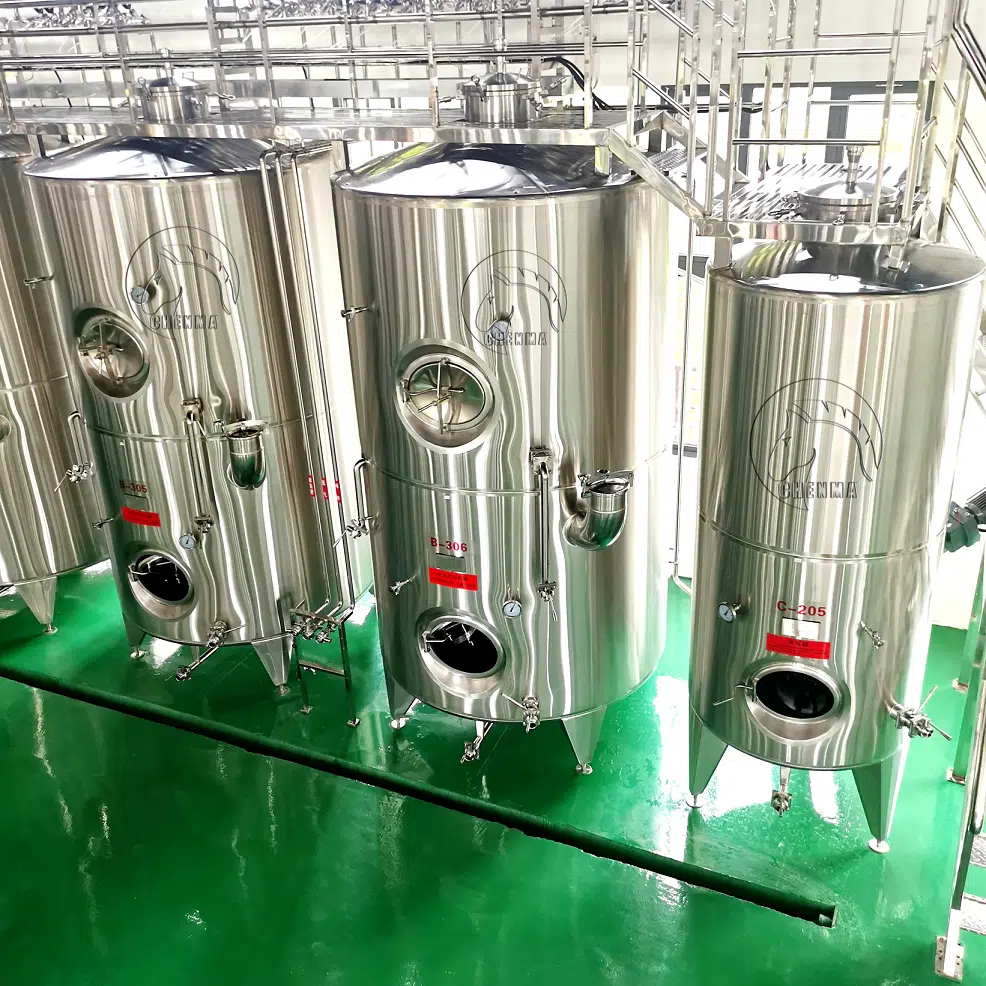
Stainless Steel vs. Oak Barrels
Both oak barrels and stainless steel tanks play important roles in the winemaking process. Each method alters the flavor of the wine in different ways. Oak barrels allow a small amount of air to enter, which helps soften the wine and impart new flavors. Oak barrels impart aromas of vanilla, spices, and toast to the wine. Studies show that wines aged in oak barrels have more complex aromas, higher acidity in some areas, a more refreshing taste, and richer layers of flavor. Stainless steel tanks, on the other hand, do not react with the wine, preserving the original aromas and flavors of the grapes. This method is ideal for wines that need to retain their fresh fruitiness.
Cost and maintenance comparisons show significant differences:
| Item | Oak Barrels | Stainless Steel Tanks |
|---|---|---|
| Initial Cost | $900 – $2,000 | $900 |
| Lifespan | Up to 8 fills | More than 30 years |
| Replacement Cost | At least $4,500 | N/A |
| Wine Loss | Up to 6 gallons/year | None |
| Maintenance | High | Low |
Oak barrels require more maintenance and have higher long-term costs. Stainless steel tanks have a longer lifespan and are easier to clean.
Stainless Steel vs. Glass
Both glass containers and stainless steel tanks can safely store wine, but they each have their advantages. Glass tanks allow observation of the wine during fermentation, facilitating monitoring. However, glass is fragile and can allow air to enter. This can alter the taste of the wine and increase cleaning difficulty. Stainless steel containers are sturdy, durable, and not easily broken. They completely isolate the wine from air, preventing any off-flavors. Cleaning is also simple, as bacteria cannot hide in the crevices.
| Feature | Glass Containers | Stainless Steel Tanks |
|---|---|---|
| Durability | Can break | Very strong |
| Oxygen Exposure | Some | None |
| Flavor Impact | Possible | None |
| Maintenance | Careful cleaning needed | Easy to clean |
| Customization | Limited | Many options |
| Observation | See-through | Not see-through |
| Temperature Control | Limited | Excellent |
| Best Use | Small batches | All scales |
Stainless Steel vs. Plastic
Plastic containers are a low-cost way to store wine. They are lightweight and easy to move. However, plastic containers can crack or leak over time. Studies show that wines in plastic containers ferment faster and at higher temperatures. This lowers the alcohol content and alters the taste. Wines in plastic containers are often more acidic and lighter in color. Many sommeliers have noticed this difference and prefer wines in stainless steel containers.
- Stainless steel wine tanks are durable, corrosion-resistant, and maintain the cleanliness of the wine.
- Plastic wine tanks are cheaper, but easily broken and can affect the quality of the wine.
- Wine made in plastic tanks often tastes different and is lighter in color.
Stainless steel wine tanks achieve the best balance in durability, controllability, and wine quality. They help winemakers produce fresh, pure, and consistently high-quality wines.
Stainless steel wine tanks are ideal for the safe storage of wine. They have a long lifespan and a robust construction. These tanks allow winemakers to precisely control the temperature and help preserve the true flavor of the wine. The table below lists some important information:
| Benefit/Drawback | Description |
|---|---|
| Durability | Reliable use for decades |
| Flavor Preservation | Maintains wine’s natural taste |
| Cleaning Efficiency | Easy to clean and maintain |
| Higher Initial Investment | Costs more at first |
People choose stainless steel wine tanks to produce wines that taste consistently good every time. When choosing a company, they should consider its extensive experience. A good reputation and important certifications are also crucial. Shandong Chenma Machinery Co., Ltd. possesses these capabilities, enabling them to provide brewers with end-to-end services.
FAQ
Will stainless steel tanks affect the taste of wine?
Stainless steel tanks do not add flavor to wine; instead, they preserve its natural flavor. Winemakers use stainless steel tanks when pursuing pure fruit aromas and freshness.
How long can wine be stored in stainless steel tanks?
Wine can be stored in stainless steel tanks for months or even years. Stainless steel tanks isolate the wine from air and light, thus maintaining its freshness and stability.
Are stainless steel tanks suitable for home winemaking?
Yes! Stainless steel tanks are perfect for home use. They are easy to clean and durable. Many home winemakers choose them for these reasons.
What sizes of stainless steel wine tanks are available?
| Tank Size | Typical Use |
|---|---|
| 50L | Home winemaking |
| 100L | Small wineries |
| 1000L+ | Commercial wineries |
Manufacturers like Shandong Chenma Machinery Co., Ltd. offer a variety of sizes of stainless steel tanks to meet different needs.