
Yogurt fermentation typically takes 6 to 12 hours, and where you land in that range determines the final taste and texture. Ferment for less time and you get a mild, soft yogurt; let it go longer and it turns tangier and thicker. The exact timing depends on temperature, the starter culture you use, and the type of milk — which is also why fermentation traditions vary so much by region.
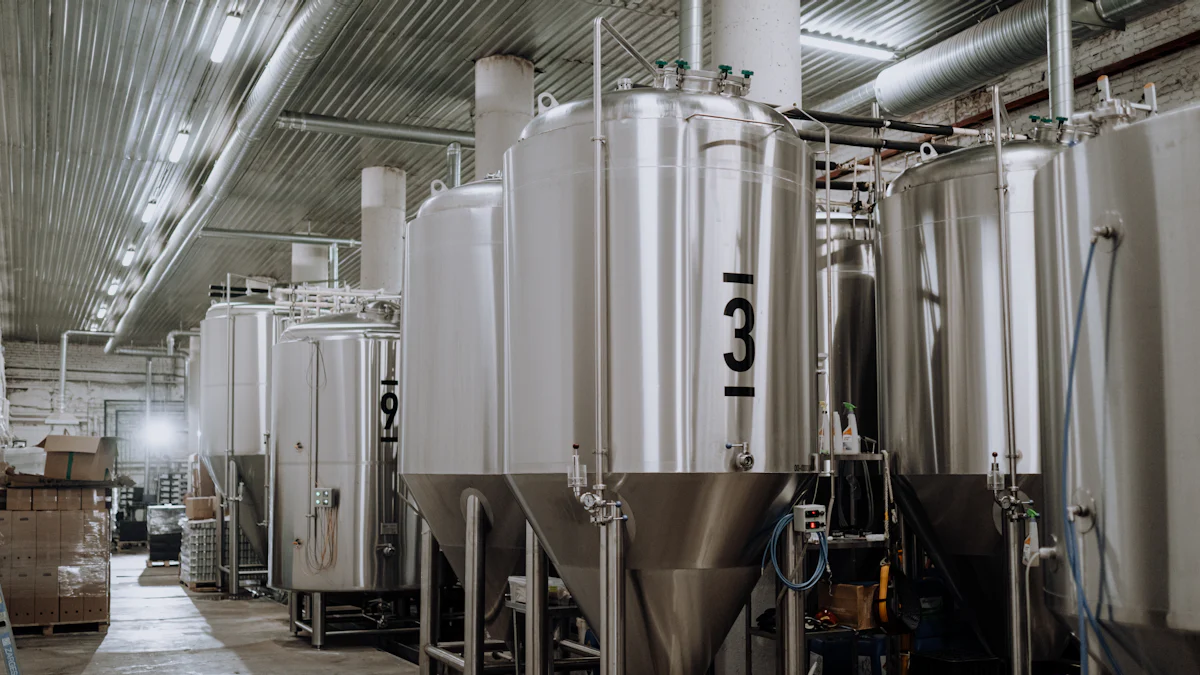
While home yogurt makers often rely on yogurt makers or insulated containers, commercial producers typically use temperature-controlled equipment supplied by a professional yogurt fermentation tank manufacturer to achieve consistent fermentation conditions and product quality across every batch.
There’s no single “correct” fermentation time — it’s a matter of adjusting the process to match the flavor and texture you’re after.
Key Takeaways
- Most homemade yogurt ferments successfully within 6–12 hours.
- Shorter fermentation creates a milder flavor, while longer fermentation produces a tangier, thicker yogurt.
- Maintaining a stable temperature of 110–115°F (43–46°C) is essential for consistent results.
- Visual and taste tests are more reliable than following a fixed fermentation time.
- Small adjustments to temperature, starter culture, and fermentation time help you customize yogurt to your preferred texture and flavor.
How Long Should Yogurt Ferment?
Standard Fermentation Time
Homemade yogurt typically ferments for 6 to 12 hours, although the exact time depends on temperature, starter culture activity, and personal taste preference. Under warmer conditions, yogurt may set within 4–6 hours, while cooler environments can extend fermentation to 12 hours or longer.
- Shorter fermentation produces a milder flavor and softer texture.
- Longer fermentation creates a tangier taste and thicker consistency.
- Most home yogurt makers find 6–12 hours provides the best balance of flavor and texture.
During fermentation, beneficial bacteria convert lactose into lactic acid, gradually thickening the milk and developing yogurt’s characteristic flavor.
Tip: A kitchen thermometer is the easiest way to keep fermentation temperature consistent and repeatable batch after batch.
How Fermentation Time Shapes Taste and Texture
| Fermentation Time | Taste | Texture |
|---|---|---|
| 4–6 hours | Mild, sweet | Soft, smooth |
| 6–8 hours | Mild, slightly tangy | Soft, smooth |
| 8–12 hours | Tangy, sour | Thick, creamy |
| 12–24 hours | Very tangy | Thicker, firmer, more probiotics |
| Beyond 24 hours | Overly sour | Grainy, cheesy, risk of spoilage |
Underneath these changes is a straightforward chemical process: as bacteria work, they lower the milk’s pH from around 6.7 to 4.6. That drop causes milk proteins to bind together into a gel — the structure that gives yogurt its characteristic thickness. Without it, yogurt would stay closer to the consistency of milk.
If you’re after Greek-style yogurt, longer fermentation (paired with straining) gets you there, with the added benefit of a higher live-culture count. If you prefer something gentler, stop earlier in the range.
What Affects Fermentation Time
Temperature Control

Temperature is the most important factor affecting yogurt fermentation. Most yogurt cultures perform best between 110°F and 115°F (43–46°C). If the temperature is too low, fermentation slows and the yogurt may remain thin or underdeveloped. If it rises too high, the beneficial bacteria can become inactive or die, preventing the yogurt from setting properly.
Just as important as reaching the correct temperature is maintaining it consistently throughout the fermentation process. Fluctuating temperatures can lead to uneven texture, excessive whey separation, or inconsistent flavor from batch to batch.
For home yogurt makers, an insulated container, yogurt maker, or oven light often provides sufficient temperature stability. In commercial production, dedicated yogurt fermentation tanks are commonly used to maintain precise temperature control and ensure consistent product quality across large batches.
Tip: Always check milk temperature with a thermometer before adding starter culture — this single step prevents most fermentation failures.
Starter Culture Amount
The amount of starter culture you use directly affects how quickly yogurt sets. As a baseline, 1 gram of starter per liter of milk works well for home batches; for larger volumes, roughly 10 grams per 50 liters is a comparable ratio. Too little starter slows fermentation down; too much can push the yogurt toward an overly sour result faster than intended. The specific bacteria strain in your starter also affects how much lactic acid gets produced, which shapes both fermentation speed and final flavor.
Milk Type
The milk itself sets a ceiling on the final texture. Whole milk produces thick, creamy yogurt; skim milk yields something lighter and less rich. Non-dairy milks like soy or almond often need added sugar to give the bacteria something to feed on, which can actually speed up fermentation. In general, higher fat content slows the process slightly and produces a thicker result, while the protein and lactose levels in any given milk also influence how fast the bacteria can work.
How to Know When Yogurt Is Ready
Visual and Texture Signs
- Shake test — Gently shake the container. Set yogurt jiggles like soft gelatin; if it splashes or moves like liquid milk, it needs more time.
- Tilt test — Tip the container slightly. Set yogurt bulges but doesn’t run; if it flows, it isn’t ready.
- Side test — Yogurt that clings to the container’s sides has set properly; if it slides off, give it more time.
- Knife test — Insert a clean knife. It should come out mostly clean; if it’s coated in liquid, fermentation isn’t finished.
Yogurt that passes these checks should look smooth and creamy — not watery, not lumpy.
Tip: Use clean utensils for every check to avoid introducing unwanted bacteria mid-ferment.
Taste Test
A small taste from the edge of the container is the final check. Ready yogurt tastes tangy and fresh; too mild usually means it needs more time, while an overly sour taste signals it’s gone longer than intended. Texture matters here too — properly fermented yogurt feels creamy, not chalky or gritty (a sign of over-fermentation) and not thin or sweet (a sign it needs more time). Between the visual tests and taste, you can dial in a batch that consistently matches your preference.
Tips for Adjusting Fermentation Time
Adapting to Your Kitchen Conditions
Fermentation time is heavily influenced by room temperature. During colder months, yogurt may require several additional hours to reach the same thickness and acidity achieved in summer. Instead of following a fixed schedule, monitor the yogurt as it develops. A batch that takes 6–8 hours in a warm kitchen may need 10–12 hours in a cooler environment. Maintaining a stable fermentation temperature generally produces the most consistent results.
Adjusting for Taste and Texture Preferences

The ideal fermentation time ultimately depends on the flavor and texture you prefer. Shorter fermentation produces a milder, sweeter yogurt with a softer consistency, while longer fermentation creates a tangier flavor and a thicker texture. In industrial yogurt production, manufacturers typically monitor the yogurt fermentation tank after about 6 hours and adjust the fermentation time to achieve the preferred acidity, viscosity, and overall quality.
Finding the Right Balance
Small changes in starter culture activity, milk composition, and fermentation temperature can affect the final result. Rather than aiming for the same number of hours every time, focus on the appearance, aroma, and texture of the yogurt. After a few batches, you will quickly learn the fermentation time that works best in your environment and matches your personal preference.
FAQ
How does the type of culture affect yogurt fermentation?
Different starter cultures contain different bacteria strains, each with its own ideal temperature and flavor profile — some trend mild, others more tangy. Choosing the right one is largely about matching it to the yogurt style you want.
Can I reuse yogurt as a starter culture?
Yes, finished yogurt can start a new batch, and the culture stays active for several generations. It weakens over time, though, so refreshing with a new starter every few batches keeps flavor and set quality consistent.
What happens if I use too much or too little starter culture?
Too much speeds fermentation and can push the yogurt sour faster than intended; too little slows the process and can leave it runny. Measuring the starter accurately is the simplest way to avoid both problems.
Does starter culture need special storage?
Yes — keep it cold. Dry culture stores well in the fridge or freezer, and liquid culture should stay refrigerated. Warm storage weakens or kills the culture over time.
Why does yogurt sometimes fail to set?
The most common causes are milk that’s too hot or too cold when the culture is added, or a starter that’s old or weakened. Clean tools, fresh starter, and accurate temperature control resolve most set failures — which is exactly the consistency a dedicated fermentation tank is designed to provide.