
Concrete tanks offer winemakers numerous advantages. They help reveal the true flavors of the wine. These wine tanks allow a small amount of oxygen to pass through the walls, softening tannins and adding complexity to the wine’s palate. Winemakers choose concrete tanks because they don’t alter the wine’s flavor profile, preserving its natural character. This results in a wine that is vibrant, clear, fruity, and of excellent quality. Many believe that concrete tanks maintain the purity and freshness of the grapes, thus enhancing the final wine’s quality.
Key Takeaways
- Concrete tanks allow a small amount of oxygen to enter, softening tannins and adding complexity to the wine’s palate. These tanks preserve the wine’s natural flavors, showcasing the true character of the grapes and the terroir. Wines aged in concrete tanks possess a unique texture, often described as smooth or creamy, and highly enjoyable. Concrete tanks maintain a stable temperature, meaning no additional heating or cooling is required. While concrete tanks require careful cleaning and installation, they are durable and easy to maintain.
Concrete Tanks and Wine Flavor
Concrete Tanks Micro-Oxygenation Effects
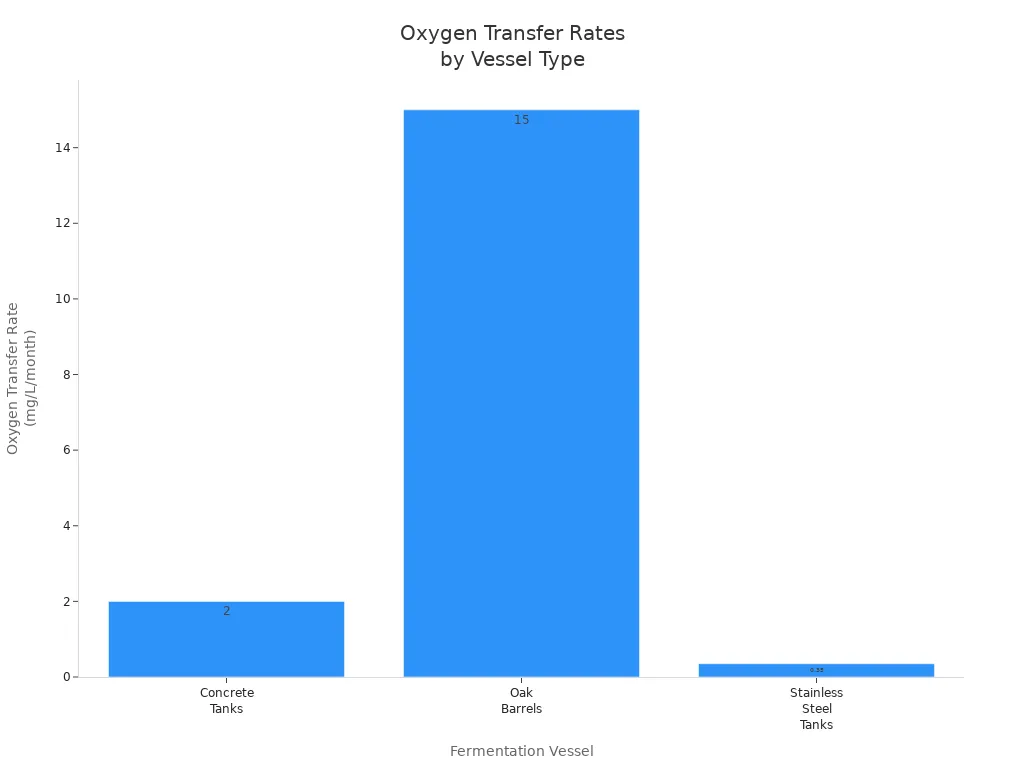
Concrete tanks are crucial to the flavor of wine. Tiny pores in the tank walls allow a small amount of oxygen to enter. This occurs during the winemaking and aging process. This small amount of oxygen softens tannins and enriches the wine’s flavor. Argentine scientists studied Malbec wines aged in concrete egg-shaped tanks. They found that these wines received two to three times more oxygen than wines aged in oak barrels or stainless steel tanks. Therefore, these wines contained more anthocyanins, tannins, and color. These changes resulted in a better palate and a more balanced flavor. The micro-oxygenation in concrete tanks helps wines develop richer flavors and character.
Concrete Tanks Fruit Expression and Terroir
Concrete tanks help winemakers reveal the true flavors of the grapes. They do not add any flavor compounds, allowing the fruit aromas to be clearly expressed. Many winemakers use concrete tanks to showcase terroir. Terroir refers to the unique soil and climate of a vineyard. For example, Etna white wine aged in concrete tanks retains its natural salinity and minerality. Cement tanks allow a small amount of oxygen to enter without masking the wine’s acidity and freshness. This allows the wine’s flavors to fully express its terroir. The flavors are distinct and easily identifiable. Using cement tanks helps produce high-quality wines that are true to their terroir.
Concrete Tanks Texture and Mouthfeel
Wines aged in cement tanks typically have a smooth or slightly powdery palate. These tanks impart a richer minerality and a smoother finish. The table below shows how different tank materials affect the texture and flavor of wine:
| Property | Concrete Tanks | Oak Barrels | Stainless Steel Tanks |
|---|---|---|---|
| Oxygen Transfer Rate | 1–3 mg/L/month | 8–20 mg/L/month | 0.2–0.5 mg/L/month |
| Flavor/Texture Contribution | Enhances minerality and texture | Adds viscosity and spice | Preserves primary fruit |
Wines aged in concrete tanks have a unique palate. They combine bright acidity, saltiness, and a waxy finish. Some winemakers believe these wines have a smooth, rounded texture, similar to Burgundy wines. This unique texture makes the wine easy to drink and memorable. Concrete tanks contribute to the production of pure yet complex wines.
Practical Benefits of Concrete Tanks
Concrete Tanks Temperature Stability
Concrete tanks help winemakers maintain a stable internal temperature. The thick tank walls act as a barrier, effectively preventing rapid entry of hot or cold. This natural insulation protects the wine from rapid changes. Concrete has excellent thermal insulation properties, thus maintaining a stable internal temperature. This helps yeast remain active and ensures the purity of the wine’s flavor. Many wineries do not need to equip these tanks with additional heaters or coolers. This makes concrete tanks suitable for both hot and cold regions. By maintaining a stable temperature, concrete tanks contribute to the production of well-balanced, high-quality wines.
Concrete Tanks Durability and Longevity
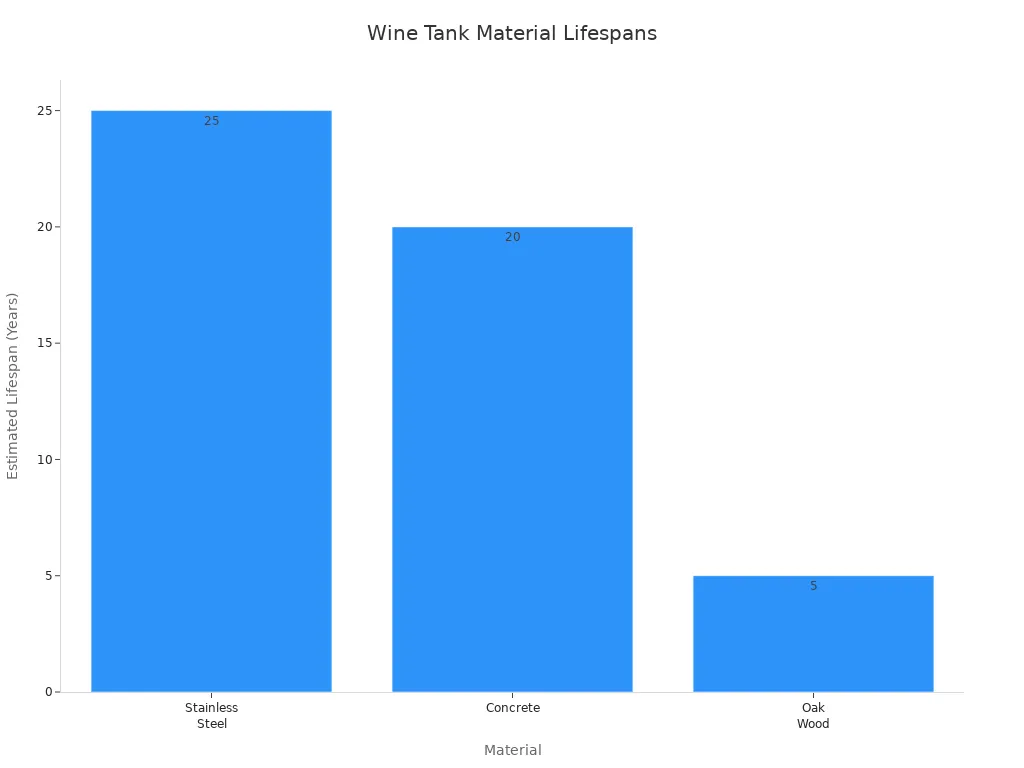
Winemakers choose concrete tanks because of their durability. With proper care, these tanks can last for more than 20 years. The table below shows the lifespan of wine tanks made of different materials and the factors that can damage them:
| Material | Estimated Lifespan | Main Threat to Durability | Maintenance Level |
|---|---|---|---|
| Stainless Steel | 25+ Years | Chlorine corrosion, physical dents | Low (Easy CIP) |
| Concrete | 20+ Years | Cracking, tartrate buildup | High (Requires relining) |
| Oak Wood | 5-10 Years (Active) | Drying out, microbial spoilage | Very High |
Concrete tanks also help keep wine clean. They do not harbor mold or bacteria. This helps maintain the purity and flavor of the wine. Stainless steel tanks are also easy to clean, but concrete tanks are better at maintaining temperature stability.
Concrete Tanks Customization Options
Concrete tanks can be made in a variety of shapes and sizes. Winemakers can choose the appropriate size or shape to best suit their needs and wines. Some tanks include internal stairs or ladders for easy access. The table below lists several customization options for concrete tanks:
| Customization Aspect | Description |
|---|---|
| Size | Tanks can be customized to suit any space or production needs. |
| Shape | Winemakers can choose round, oval, or egg-shaped tanks to suit different wine styles. |
| Internal Features | Optional features include stairs, ladders, and painted finishes for easy access. |
These choices help winemakers control the winemaking process. By choosing the right design, they can ensure the wines produced have a balanced and pure flavor.
Concrete Tanks vs. Other Materials
Concrete vs. Stainless Steel
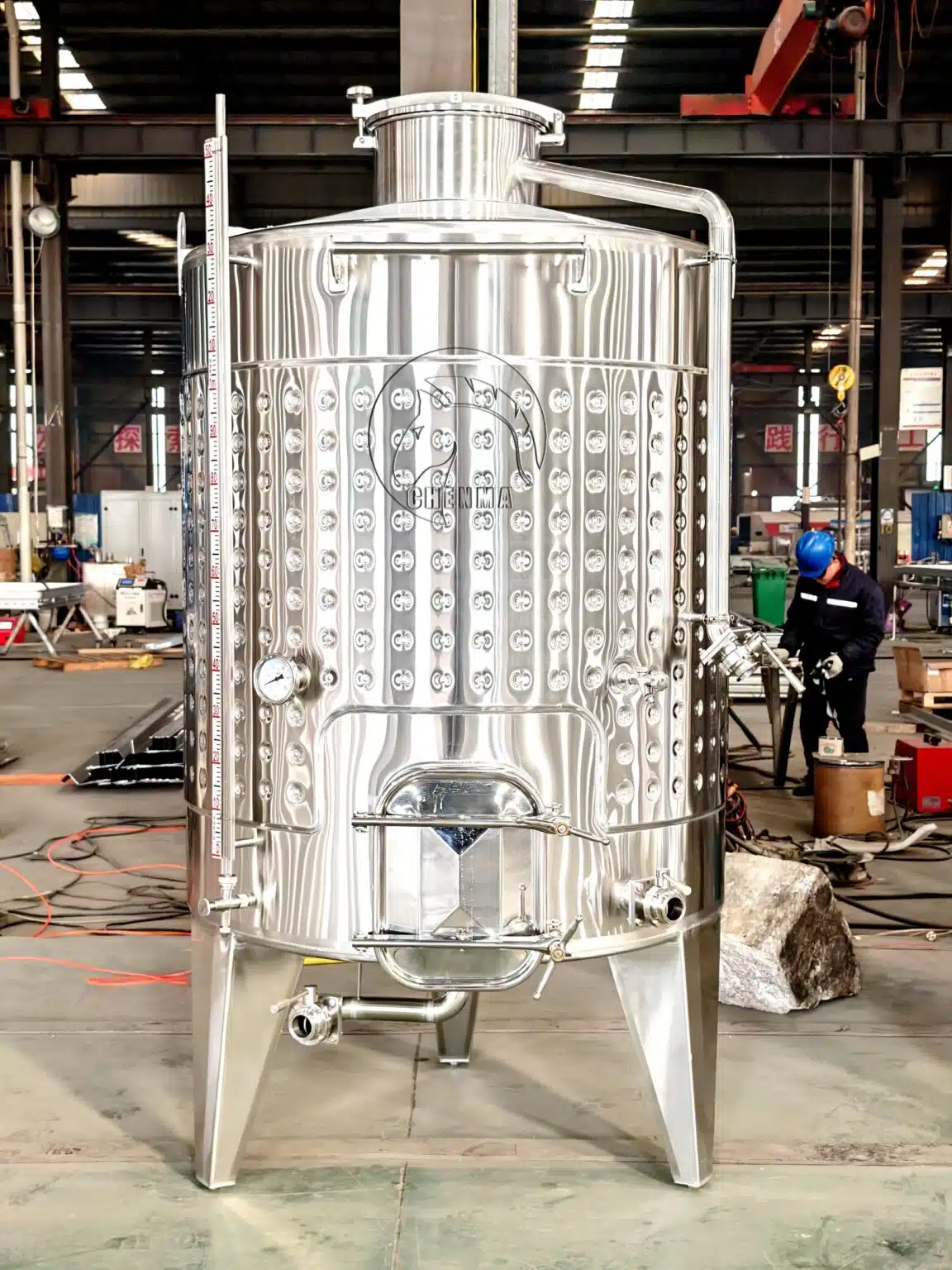
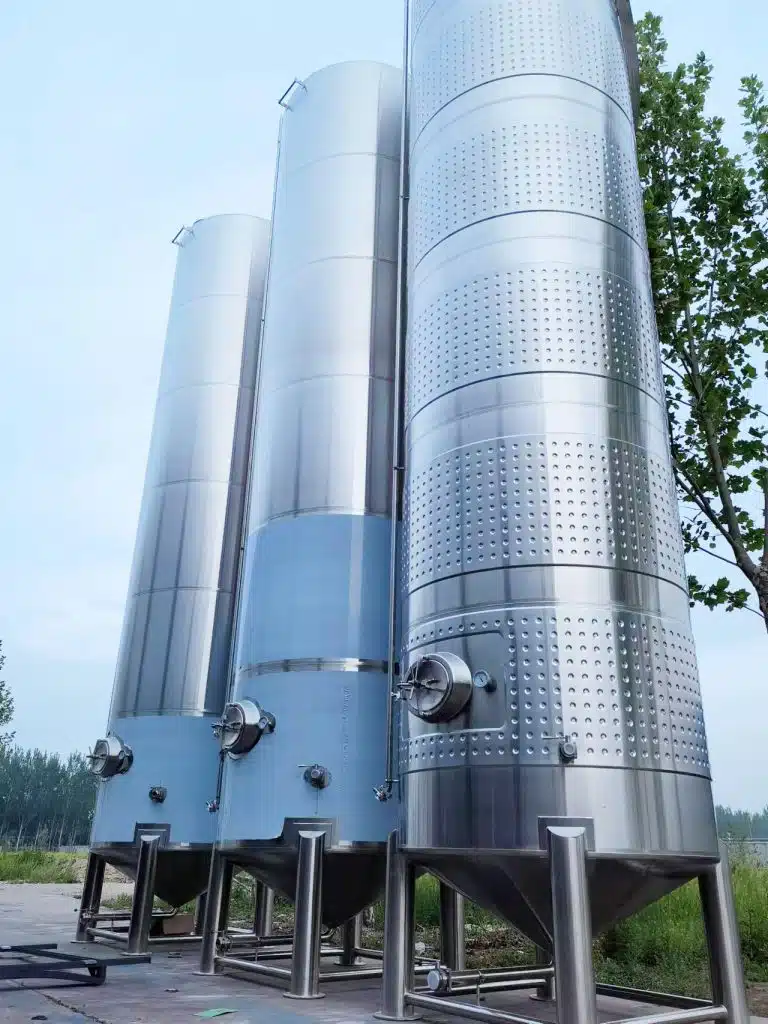
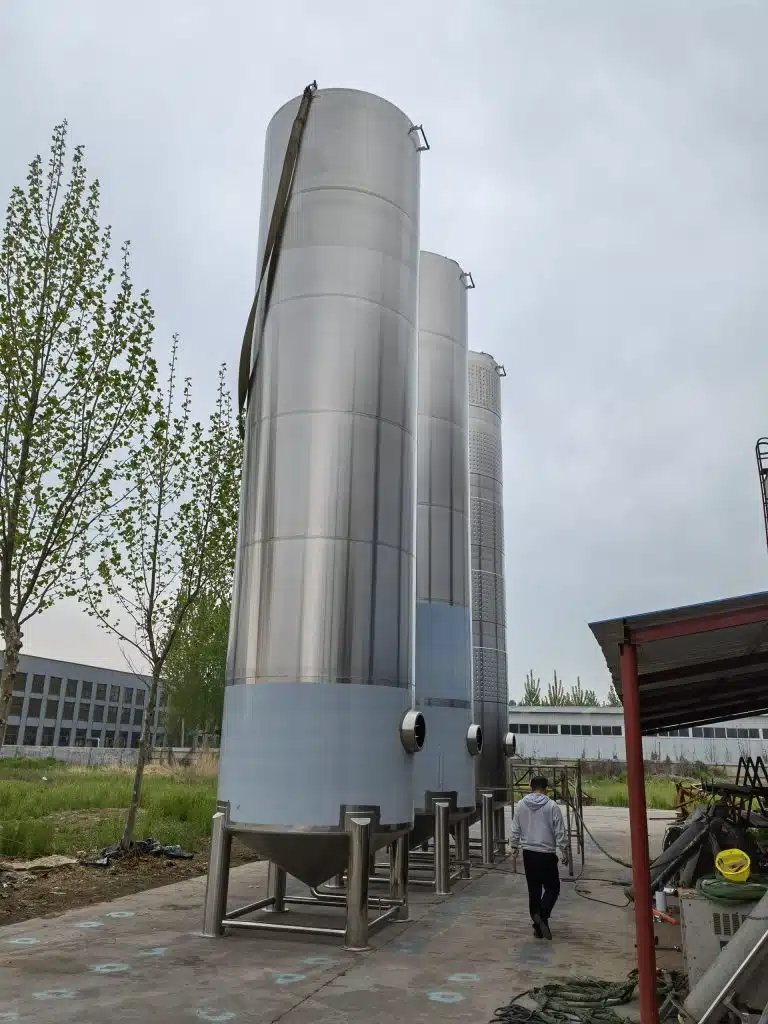
Both concrete and stainless steel tanks play important roles in modern winemaking. Each material has unique advantages during fermentation and aging. Stainless steel tanks, like those produced by Shandong Chenma Machinery Co., Ltd., provide a clean and controlled environment. These tanks isolate oxygen, helping to preserve the natural flavors of the wine. Stainless steel is easy to clean and maintain, making it a popular choice for many wineries. Furthermore, stainless steel tanks come in a variety of sizes and shapes, allowing winemakers to choose according to their production space.
On the other hand, concrete tanks allow a small amount of oxygen to permeate through the tank walls. This slight oxygen contact softens the taste of the wine and adds complexity. Concrete itself does not impart any flavor, allowing the wine to retain its original character and fully express its terroir. The table below illustrates the changes in Sauvignon Blanc wines when fermented in cement tanks and stainless steel tanks:
| Aspect | Concrete (Sauv Blanc Trial) | Stainless Steel (Sauv Blanc Control) |
|---|---|---|
| Appearance | Pale yellow, slight gold hues, clear, considerable tartrates | Gold yellow with slight brown tint, slightly cloudy |
| Aroma | Bright fresh, stone fruit, creamy, herbal, complex | Nutty, evolved, oxidized, floral, faded flower |
| Taste | Tart and sour, cleaner, more flavor, creamy but tart finish | Tart and aldehydic, lacks flavor, short, flat |
| Overall | Fresher and more complex than the control | Aldehydic, oxidized, tart and flat in the mouth |
Stainless steel tanks help maintain the wine’s pure and bright fruit aromas. Cement tanks give the wine a creamy texture and better balance. Both materials can produce high-quality wines, but the final results are quite different.
Concrete vs. Oak Barrels
Oak barrels have a long history in winemaking. They impart unique flavors to wine and aid in aging. Oak barrels can contribute aromas of toast, spices, and caramel. Red wines aged in oak barrels may exhibit flavors of espresso or chocolate. White wines may display aromas of pie crust or marzipan. Oak barrels also add tannins, making the wine more full-bodied.
Concrete tanks do not add any flavor. They preserve the freshness of the wine and highlight its fruitiness. Wines aged in concrete tanks are generally smoother and more fruity. The main differences are listed below:
- Concrete tanks better preserve the freshness of the wine and do not add additional flavors.
- Oak barrels impart aromas of toast, spices, and caramel to the wine.
- Wine aged in concrete tanks is smoother and more fruity.
- Oak barrels contribute to a more full-bodied and complex wine.
Concrete tanks have a longer lifespan and lower maintenance costs than oak barrels. The table below compares the costs and maintenance requirements of both:
| Material | Initial Cost (USD) | Durability | Maintenance Needs |
|---|---|---|---|
| Oak Barrel | $600 – $1,500 | Medium (2-3 years) | High (requires resurfacing and significant labor) |
| Concrete Tank | $30,000 (2000 gallons) | High (20-30 years) | Low (less maintenance required) |
Oak barrels have lower initial costs but require more maintenance and have a shorter lifespan. Concrete tanks have higher initial costs but a longer lifespan and lower maintenance costs.
Choosing the Right Tank for Wine
Winemakers need to consider many factors when choosing fermentation and aging tanks. Stainless steel tanks are ideal for light and delicate wines. They preserve the wine’s natural flavors and are easy to clean. Oak barrels impart special flavors and tannins to wines, which is beneficial for some, but can also mask their subtle nuances. Concrete tanks fall somewhere in between. They preserve the wine’s true flavors while showcasing its terroir. Furthermore, they contribute a smooth texture and help balance the body.
Other factors are equally important. Stainless steel tanks are economical and can store wine for long periods if kept anaerobic. Oak barrels require more maintenance and have higher long-term costs. While concrete tanks have a higher initial investment, they have a longer lifespan and lower maintenance costs.
Tip: Winemakers should choose the appropriate tank based on the style of wine they want to create. For light, fruity wines, stainless steel or concrete tanks are the best choice. For wines requiring more intense flavors and a fuller body, oak barrels may be a better option.
Each material helps winemakers achieve different winemaking goals. The right choice depends on the style of wine, the desired flavor profile, and the workload the winery can handle.
Concrete Tanks Drawbacks and Considerations
Concrete Tanks Maintenance Needs
Concrete tanks require meticulous cleaning to maintain their condition. Cleaning concrete tanks is more time-consuming and labor-intensive than cleaning stainless steel tanks. Stainless steel tanks can be easily cleaned with a brush and disinfectant. Oak barrels, being made of wood, are more difficult to clean. The table below lists the cleaning methods for different tank materials:
| Tank Material | Cleaning Protocols |
|---|---|
| Stainless Steel | Easiest to clean, requires the use of a suitable brush and disinfectant. |
| Oak Barrels | More difficult to clean, usually requires extra care. |
| Concrete Tanks | Generally require more cleaning work than stainless steel tanks. |
Winemakers must clean the tanks frequently to prevent dirt buildup and ensure their safety.
Concrete Tanks Cost and Installation
Installing concrete tanks requires special procedures. These tanks are heavy and require a solid ground surface. Wineries must use thick concrete slabs, and sometimes even thicker walls. Some tanks require heavy machinery for handling and installation. The following list outlines the items required for installation:
- Sturdy concrete slabs for support
- A construction plan tailored to site conditions
- Thicker walls are needed for busy areas
- Specialized tools for moving heavy tanks
- A drainage system to prevent water accumulation
Tanks placed on the ground also require regular inspection to ensure they are not shifting. These additional steps increase cost and time.
Suitability for Wine Styles
Concrete tanks are best suited for certain types of wine. They facilitate gentle mixing of the wine within the tank. The tank walls allow a small amount of oxygen to enter, which helps enhance aromas without causing excessive oxidation. Concrete imparts a unique minerality to the wine while maintaining its pure taste. Many winemakers use concrete tanks to produce white and light red wines that require a fresh taste and soft flavors. Concrete tanks also help the wine age slowly by allowing a small amount of oxygen, resulting in a more balanced flavor.
Concrete tanks are of great significance to winemakers. Studies have shown that the type of tank used affects the final flavor of the wine. Concrete tanks allow a small amount of oxygen to enter, helping to reveal the true flavors of the grapes. They also maintain stable temperatures and are durable. However, these tanks require regular cleaning and are more expensive to install.
| Advantages | Drawbacks |
|---|---|
| Excellent temperature retention | Requires frequent cleaning |
| Lets in a little oxygen | Heavy and expensive to set up |
| Does not alter the flavor of the wine | Can be tricky to clean |
| Makes the wine’s true taste shine | Can spread germs if not cleaned right |
Winemakers should consider their needs, space, budget, and the type of wine they want to make. Advance planning helps them choose the most suitable tanks for their wines.
FAQ
How do concrete tank cellars differ from other cellars?
Concrete tank cellars use concrete egg-shaped tanks to store and age wines. This type of cellar helps control temperature and humidity. Many winemakers choose concrete tank cellars to maintain the freshness of their wines and bring out their true flavors.
Why do winemakers use concrete egg-shaped tanks in their cellars?
Winemakers use concrete egg-shaped tanks in their cellars because these tanks allow a small amount of oxygen to enter. This helps soften the wine and bring out its fruit aromas. Concrete egg-shaped tanks also help maintain a stable temperature within the cellar.
How do concrete egg-shaped tanks affect the taste of wines in the cellar?
Concrete egg-shaped tanks help to make the wines smooth and full-bodied. They do not add extra flavors. The wine retains its natural flavors. Many people believe that wines aged in concrete egg-shaped tanks exhibit more intense fruit and mineral flavors.
Do concrete tank cellars last longer than other types of cellars?
Concrete tank cellars can last for many years. Concrete egg-shaped tanks and cellars are robust, durable, and not easily broken. Many wineries have used the same concrete cellars for decades. This makes them ideal for long-term wine storage.
Are concrete egg-shaped tanks easy to clean in a cellar?
Cleaning concrete egg-shaped tanks requires time and meticulous care. Winemakers must thoroughly clean the interiors to ensure the safety of the wine. Many use specialized brushes and clean water for cleaning. A clean concrete cellar helps maintain the purity of the wine.
Tip: Winemakers often choose concrete cellars with concrete egg-shaped tanks to store both red and white wines. This configuration helps them produce high-quality wines in a safe and stable environment.


