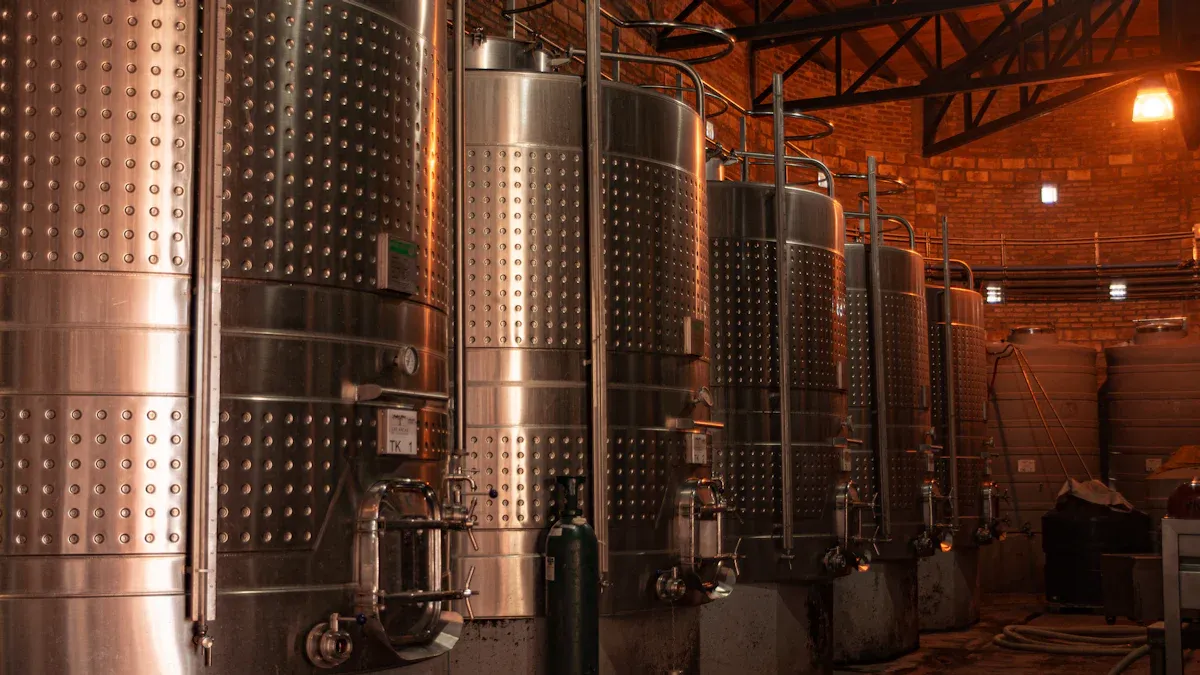
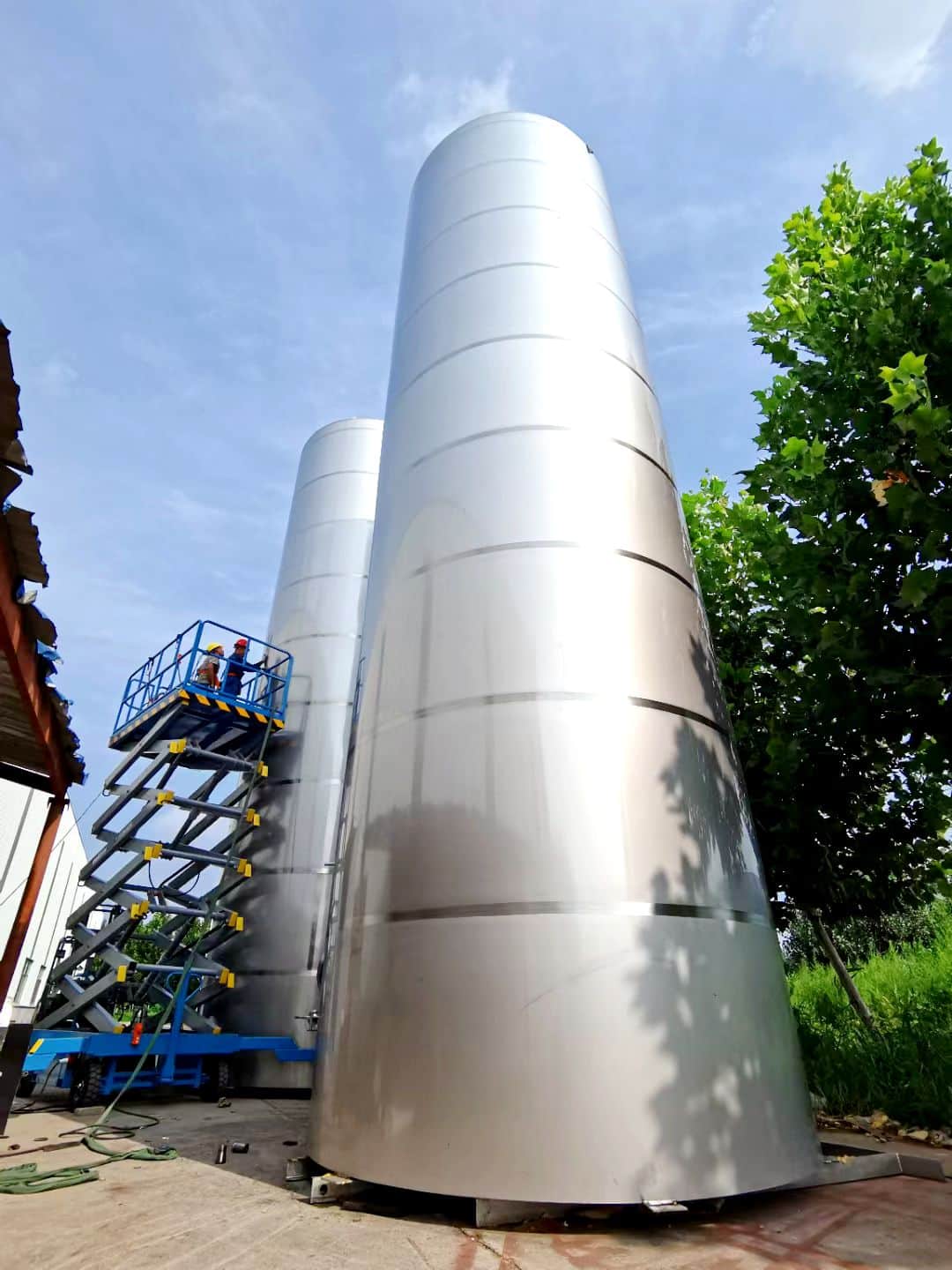
Yes, stainless steel is an excellent material for gas and fuel storage tanks, especially for heavy-duty applications that require long service life and reliable performance in harsh environments. It offers high structural strength, strong corrosion resistance, and excellent compatibility with gasoline, diesel, and biodiesel fuels. Although stainless steel tanks typically have a higher initial cost and greater weight than plastic or aluminum alternatives, their long lifespan, durability, and low maintenance requirements often make them a cost-effective solution over the entire operating lifecycle.
Key Takeaways
- Stainless steel gas tanks deliver exceptional long-term durability, with a typical service life of 30–50+ years under standard operating conditions.
- Its natural chromium oxide passive layer provides strong corrosion resistance, making it compatible with gasoline, diesel, biodiesel and most fuel blends without material degradation.
- Stainless steel outperforms aluminum and plastic in impact resistance and structural integrity, making it ideal for marine, industrial and offshore fuel storage.
- The primary tradeoffs are higher upfront cost and heavier weight, which make it less suitable for weight-sensitive small vehicles or budget-focused builds.
- 304 stainless steel works for most general inland fuel storage; upgrade to 316/316L grade for coastal, high-salinity or chemically harsh environments.
Core Advantages of Stainless Steel Gas Tanks
Superior Durability & Impact Resistance
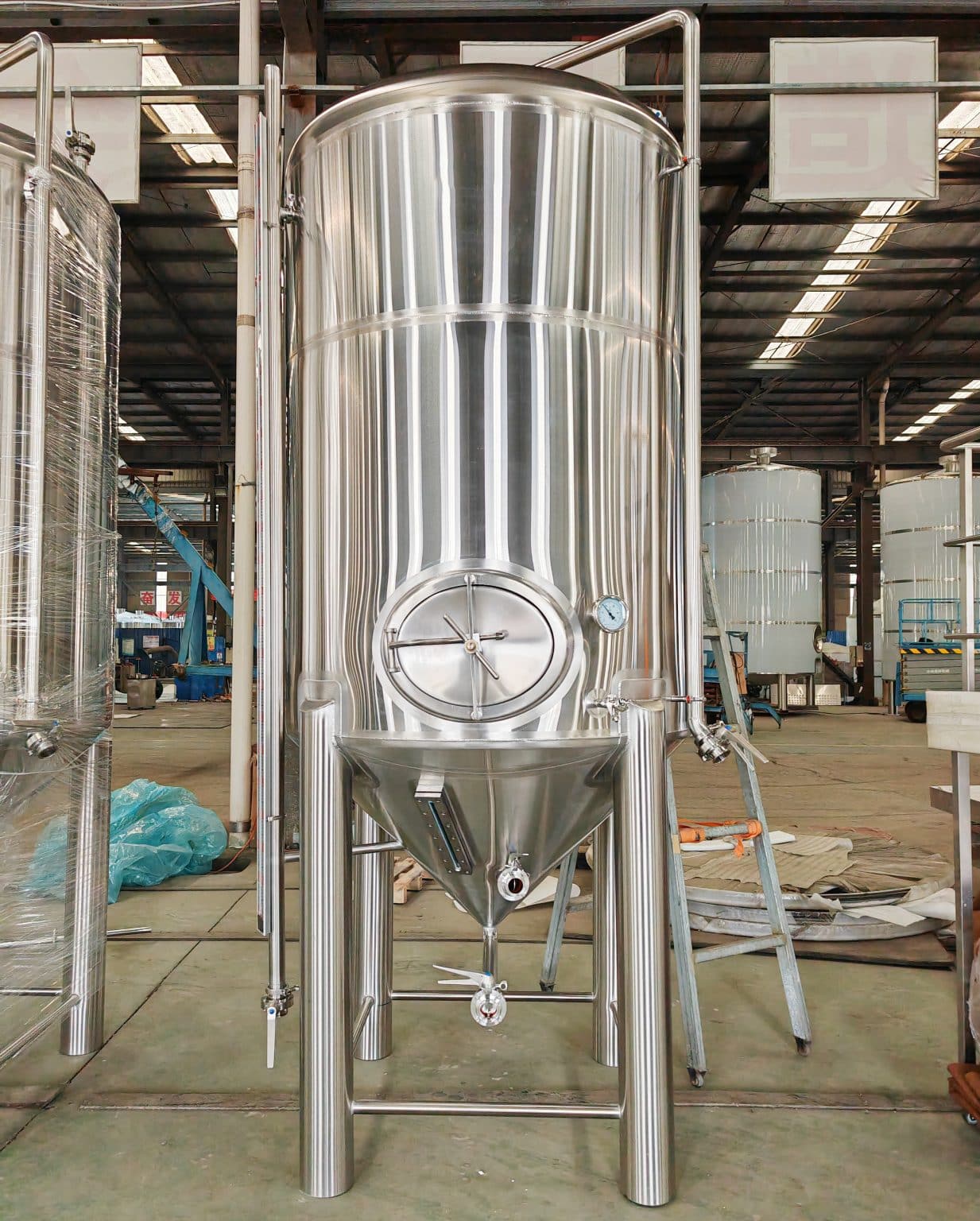
Stainless steel offers excellent tensile strength and impact resistance, helping fuel tanks withstand dents, cracks, deformation, and mechanical stress caused by impacts, pressure changes, and demanding operating conditions. This structural reliability makes stainless steel gas tanks ideal for boats, trucks, industrial equipment, and other applications where long-term durability and safety are essential.
With proper installation and routine maintenance, stainless steel fuel tanks can typically provide 30–50 years of reliable service, significantly longer than many plastic or standard steel alternatives. For stationary industrial storage applications, well-designed and properly maintained stainless steel tanks can achieve even longer service life.
Excellent Corrosion Resistance
Stainless steel forms a thin, self-repairing chromium oxide layer on its surface when exposed to oxygen, which blocks rust and corrosion from water, moisture and most fuel additives.
- 304 grade: Delivers good general corrosion resistance for standard inland gasoline and diesel storage.
- 316/316L grade: Contains added molybdenum for enhanced pitting resistance, recommended for coastal areas with salt air, or for storage of biodiesel blends and more corrosive fuel formulations.
Unlike copper or carbon steel, stainless steel does not corrode when exposed to biodiesel or ethanol-blended fuels, eliminating a common failure point for older fuel tank materials.
Broad Fuel Compatibility
Stainless steel is chemically inert with nearly all common fuel types, including regular gasoline, diesel, biodiesel (B5 to B100) and ethanol blends. It does not leach materials into fuel, react with fuel additives, or degrade from long-term fuel contact. This compatibility makes it a versatile choice for facilities and vehicles that handle multiple fuel types.
Low Long-Term Maintenance
Thanks to its natural corrosion resistance and robust construction, stainless steel requires far less ongoing maintenance than aluminum or plastic fuel tanks. Aluminum tanks need regular inspection for pitting and oxidation, especially in saltwater environments, while plastic tanks degrade from UV exposure and fuel chemical contact over time.
Stainless steel only requires periodic visual inspections for dents, weld integrity and surface contamination, with no regular coating or treatment needed for most applications.
Reliable Temperature Performance
Stainless steel tanks maintain structural integrity across a wide temperature range, from subzero cold to high heat. They do not become brittle in cold climates or soften in high-temperature environments, reducing leak and failure risks in extreme operating conditions. This reliable performance is why experienced stainless steel tank manufacturers use stainless steel for demanding storage applications.
Key Drawbacks of Stainless Steel Gas Tanks
Higher Upfront Cost
Stainless steel gas tanks have a higher purchase price than plastic or standard carbon steel tanks, due to the higher cost of the raw material and more complex fabrication. While it delivers lower total cost of ownership over its decades-long lifespan, the initial investment can be a barrier for budget projects or temporary storage needs.
Heavier Weight
Stainless steel is significantly heavier than aluminum or plastic for the same tank capacity. This added weight reduces payload capacity for vehicles and boats, and makes installation and relocation more labor-intensive. For weight-sensitive applications such as small boats or light-duty vehicles, the extra weight may outweigh the durability benefits.
Higher Embodied Carbon
Producing stainless steel requires more energy and generates higher carbon emissions than producing aluminum or plastic per unit of material. This environmental impact is partially offset by stainless steel’s extremely long service life and full recyclability, but it is a consideration for projects prioritizing low upfront embodied carbon.
Stainless Steel vs. Common Gas Tank Materials
| Material | Durability | Corrosion Resistance | Weight | Relative Cost | Best For |
|---|---|---|---|---|---|
| Stainless Steel (304/316) | Excellent (30–50+ yr lifespan) | Excellent | Heavy | High | Marine, industrial, offshore, long-term stationary storage |
| Aluminum | Good (15–25 yr lifespan) | Good (requires regular inspection in salt air) | Light | Moderate to high | Weight-sensitive boats, light-duty vehicles |
| Plastic (HDPE) | Fair (5–15 yr lifespan) | Excellent corrosion resistance | Very light | Low | Small boats, temporary storage, budget builds |
| Carbon Steel | Moderate | Poor (requires protective coating) | Heavy | Low | Short-term industrial storage, indoor use |
When to Choose (and Skip) Stainless Steel Gas Tanks
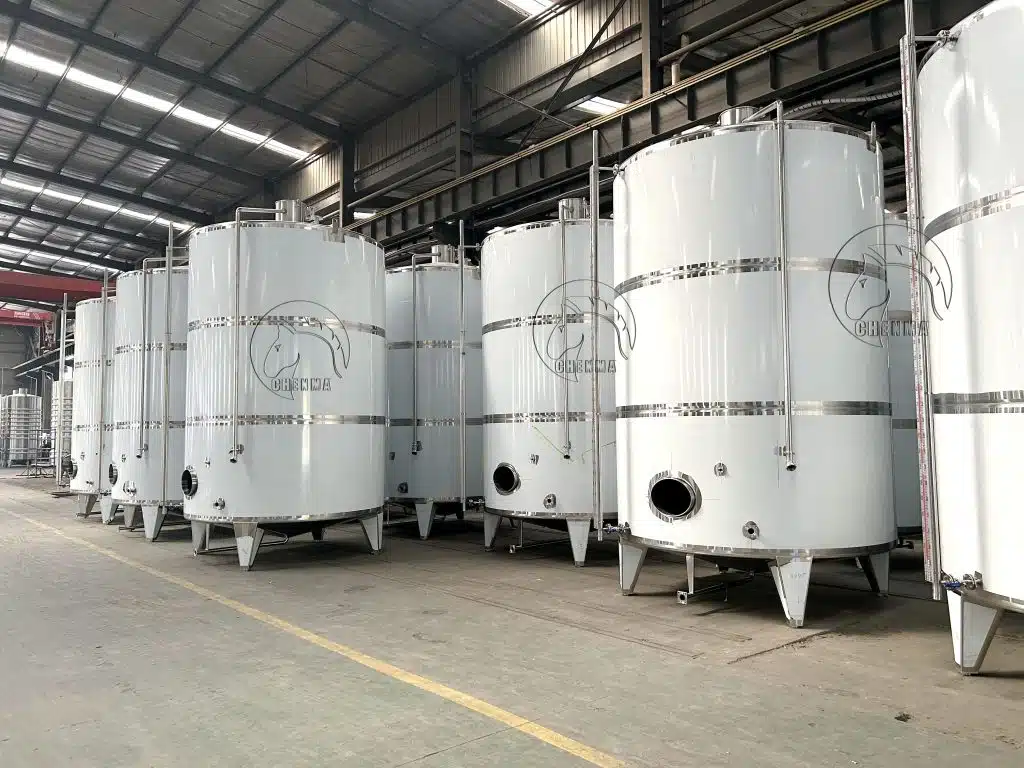
Choose Stainless Steel Gas Tanks When:
- Marine and offshore applications require superior corrosion resistance against saltwater, humidity, and harsh environments.
- Industrial and commercial fuel storage needs long service life with minimal maintenance and reliable performance.
- Heavy-duty vehicles and equipment operate in demanding conditions where impact resistance and durability are priorities.
- Fuel compatibility is critical, especially for gasoline, diesel, biodiesel, and blended fuel storage.
Consider Other Tank Materials When:
Weight reduction is the top priority, such as small recreational boats or portable equipment.
Initial budget is the main concern for temporary or short-term fuel storage projects.
The application involves frequent equipment replacement cycles where a 5–10 year service life is sufficient.
Conclusion
Stainless steel is an excellent material for gas tanks for applications that prioritize long-term reliability, corrosion resistance and low total cost of ownership. Its unmatched durability and broad fuel compatibility make it the gold standard for marine, industrial and heavy-duty fuel storage, even in harsh environments.
If your project has a tight budget or strict weight limits, aluminum or plastic may be a more practical choice. For permanent, long-term fuel storage where reliability is non-negotiable, stainless steel is almost always the best investment.
FAQ
How long do stainless steel fuel tanks last?
With proper installation and basic maintenance, stainless steel fuel tanks typically last 30–50 years. Stationary industrial tanks in mild environments can exceed this lifespan with regular inspections.
Can stainless steel tanks hold biodiesel and ethanol blends?
Yes. Unlike copper or carbon steel, stainless steel does not corrode or degrade from contact with biodiesel or ethanol-blended fuels, making it suitable for all common fuel types.
Is stainless steel better than aluminum for fuel tanks?
It depends on your priorities. Stainless steel is more durable, more corrosion-resistant and longer-lasting, but heavier and more expensive. Aluminum is lighter and less costly upfront, but requires more maintenance and has a shorter service life.
Do stainless steel fuel tanks need special maintenance?
Stainless steel requires minimal maintenance. Periodic visual inspections for dents, weld damage and surface contamination are recommended. No regular coating or treatment is needed for most inland applications.
Which stainless steel grade is best for fuel tanks?
304 stainless steel works for most general inland gasoline and diesel storage. For coastal areas, saltwater environments or biodiesel storage, 316/316L grade is recommended for its enhanced pitting corrosion resistance.