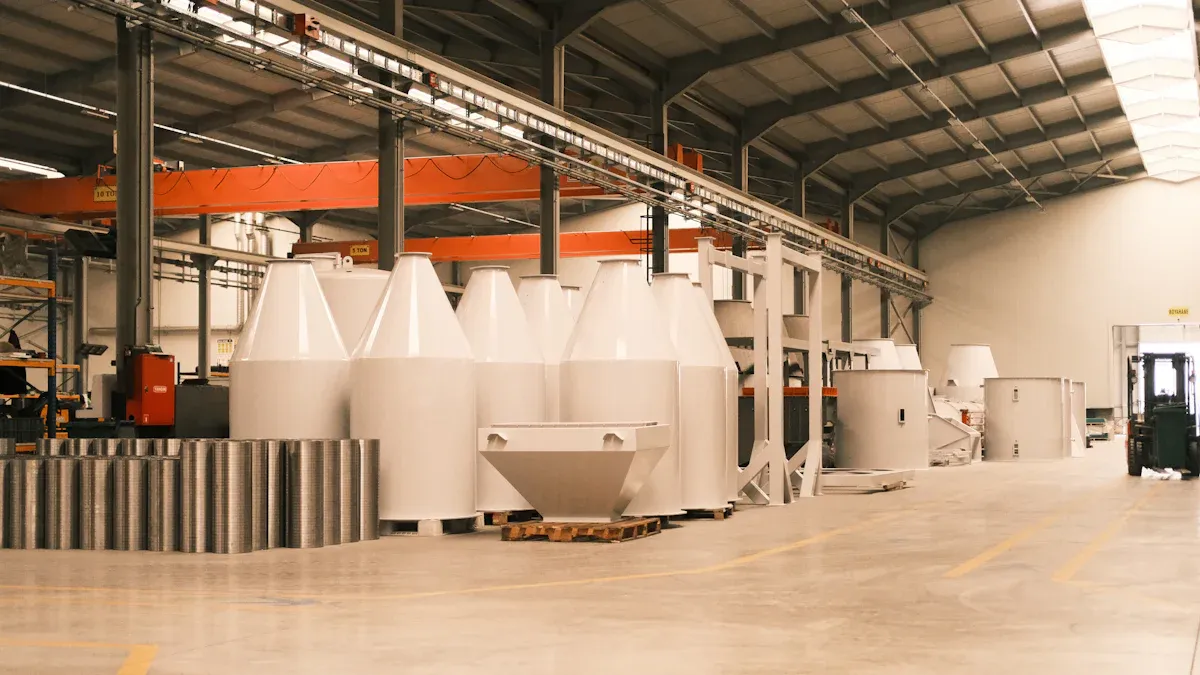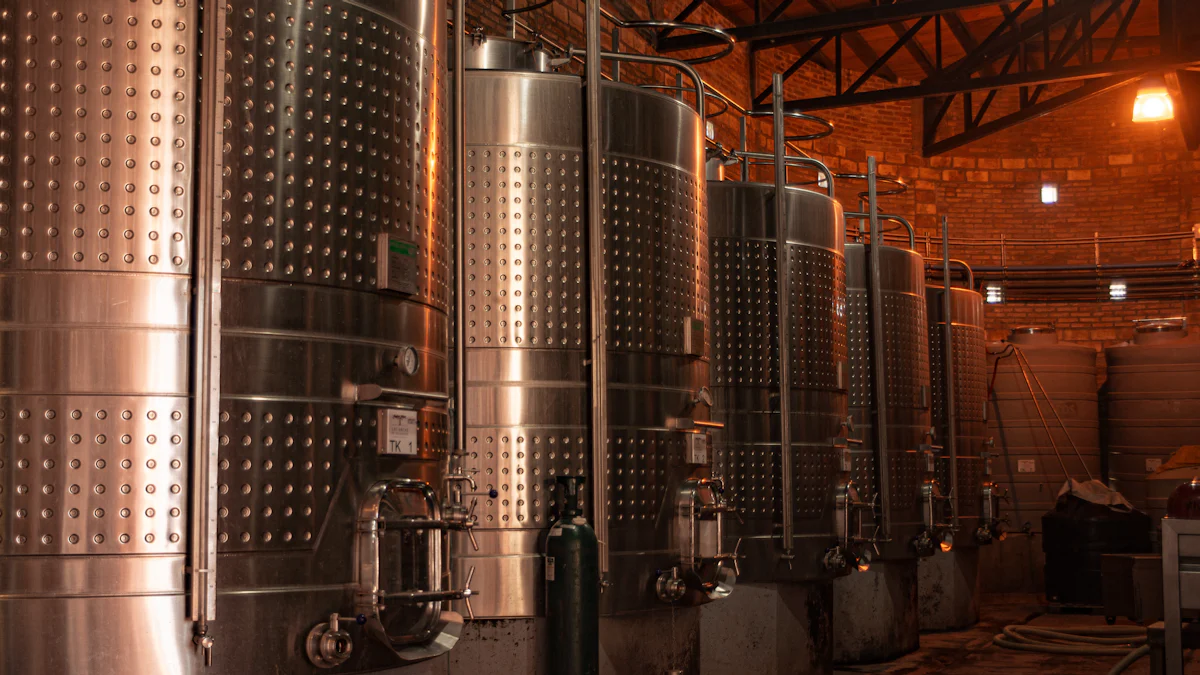

Stainless steel tanks are superior to galvanized tanks, especially in environments requiring cleanliness and durability. Many food and beverage producers use stainless steel tanks to ensure environmental cleanliness. For example, wine cans, cider cans, stainless steel oil tanks.In winemaking, stainless steel tanks are crucial. They not only contribute to the production of high-quality wines but also effectively prevent bacterial growth. Furthermore, stainless steel tanks can safely store drinking water without altering its taste. They help maintain a clean fermentation environment. Due to their cleanliness and durability, stainless steel tanks are frequently used in applications requiring long-term safety, reliability, and significant results.
Key Takeaways
- Stainless steel tanks are ideal for storing drinking water. They ensure the water quality is safe, clean, and meets relevant hygiene standards.
- Galvanized tanks are less expensive and suitable for non-drinking water applications, such as farms and factories. However, galvanized tanks require regular inspection and maintenance.
- Stainless steel tanks typically have a lifespan exceeding 50 years. With proper maintenance, galvanized tanks have a lifespan of approximately 20 to 30 years.
- Before choosing a tank, you should consider your needs. First, consider how much water you need to store. Secondly, consider the safety of the material and the placement of the water tank.
- Stainless steel water storage tanks have a higher initial cost, but due to lower maintenance frequency, they can actually save on expenses in the long run.
Stainless Steel vs. Galvanized Water Tanks: Quick Comparison

Key Differences Table
The table below lists the differences between galvanized steel and stainless steel water tanks to help users choose the appropriate tank based on their needs.
| Attribute | Galvanised Steel Water Tank | Stainless Steel Water Tank |
|---|---|---|
| Durability | Not as strong. The zinc layer can wear off after some time. | Very strong. Great at stopping rust and corrosion. |
| Hygiene | Clean at first, but germs can grow after a while. | Very clean. Good for drinking water and food. |
| Cost | Costs less at first. Might need more fixes later. | Costs more at first. Needs fewer repairs over time. |
| Best Uses | Works well for water that is not for drinking, like on farms or in factories. | Best for storing drinking water in homes, hospitals, and places that make food. |
Galvanized Water & Stainless Steel Water Tanks Advantages and disadvantages
Advantages of Galvanized Tanks
Galvanized water tanks are highly practical for farms and rural areas. Farmers choose these tanks because they can withstand strong winds and earthquakes. They also perform well during weather changes. The internal design keeps the water clean, suitable for plants and animals. In dry weather, these tanks can provide an extra water source.
- Resistant to severe weather and earthquakes
- Keeps water clean, suitable for plants and animals
- Provides extra water when needed
- Made from recyclable materials
- Special coating prevents rusting during outdoor use
Disadvantages of Galvanized Tanks
Galvanized water tanks also have some drawbacks. Over time, the zinc coating will gradually age. When this happens, the steel may begin to rust. Users need to regularly inspect these tanks to ensure the coating remains intact. If the coating is damaged, the tank will lose its rust-proof function and may require repair or replacement.
| Disadvantage | Description |
|---|---|
| Limited Lifespan of Coating | Zinc layer can wear off, leading to corrosion |
| Need for Regular Inspections | Frequent checks needed to maintain corrosion protection |
Best Uses for Galvanized Tanks
Galvanized water tanks are best suited for watering plants and collecting rainwater. They are also suitable for storing reserve water on farms. These tanks are ideal for storing non-potable water. They help keep water supplies readily available for animals and machinery.
Durability and Corrosion Resistance
The table below shows how strong and rust-proof each tank is:
| Material | Corrosion Resistance | pH Range | Environmental Impact |
|---|---|---|---|
| Galvanized Steel | Lower | 6.5 – 8.5 | Can rust faster in wet or salty places |
| Stainless Steel | Higher | 2 – 13 | Stays strong against rust in all weather |
Galvanized water tanks may rust up to five times faster than stainless steel tanks in coastal or humid environments. Stainless steel tanks are less prone to rusting even in harsh weather.
Hygiene and Water Quality
Clean water is essential for all water storage equipment. Tests show that galvanized water tanks can reduce bacterial levels in water compared to some plastic tanks. Stainless steel tanks offer the highest level of cleanliness and are the best choice for storing drinking water.
Applications in Food and Beverage
Food safety regulations require the use of special materials. Stainless steel tanks comply with these regulations, ensuring the safety of food and beverages. Galvanized tanks do not meet all food safety regulations. They can be used in food processing plants to store non-potable water.
Stainless Steel vs. Galvanized Water Tanks: Detailed Comparison

Lifespan and Maintenance
Stainless steel water tanks are extremely robust and durable, with a lifespan exceeding 30 years. Some tanks remain as good as new even after many years of use. Galvanized water tanks have a lifespan of approximately 20 to 30 years, which can be extended with proper maintenance.
- Stainless steel water tanks have a lifespan exceeding 30 years.
- Galvanized water tanks have a lifespan of 20 to 30 years, which can be extended with proper maintenance.
Maintaining the water tank is crucial. Stainless steel water tanks require almost no cleaning; users only need to clean them occasionally. Sometimes, users use special treatments to maintain the tank’s robustness. Galvanized water tanks also require some maintenance and the zinc coating must be inspected regularly. If scratches appear on the zinc coating, the tank may rust. If the zinc coating wears down, the user will need to repair it.
Note: Stainless steel tanks almost never need to be replaced in 50 years. Galvanized tanks often need to be replaced or fixed after 20–30 years.
Cost and Value Over Time
Stainless steel water tanks have a higher initial cost. This is because they offer superior performance and a longer lifespan. Galvanized water tanks are less expensive but have a shorter lifespan than stainless steel tanks. Over 20 years, costs will change. Galvanized steel tanks require inspection every few years. Owners need to pay for new coatings, costing $0.20 to $0.40 per square foot. In harsh environments, the coating may need to be recoated every 5 to 10 years. These costs can accumulate to a considerable amount. Stainless steel tanks require only occasional cleaning, costing $0.05 to $0.10 per square foot, and rarely need replacement. Recycling also adds value.
- Galvanized steel: Higher maintenance costs, more frequent inspections, and may need replacement after 20 to 30 years.
- Stainless steel: Lower maintenance costs, rarely needs replacement, and recycling saves money.
In the long run, stainless steel tanks are more cost-effective. Owners incur fewer repair and replacement costs. The tanks are robust, durable, and operate well.
Suitability for Drinking Water
Drinking water safety is paramount. Stainless steel tanks meet stringent standards such as NSF/ANSI 61, AWWA D103-09, and ISO 9001. These standards ensure safe and clean water quality.
| Certification/Standard | Description |
|---|---|
| NSF/ANSI 61 | Makes sure drinking water systems are safe. |
| AWWA D103-09 | Sets rules for building steel tanks for water storage. |
| ISO 9001 | International rule for quality management. |
Galvanized water tanks may pose risks. Zinc may leach into the acidic water. Older tanks may contain lead, which is harmful to children. Newer galvanized water tanks meet safety standards, but homeowners should still check for zinc and lead content.
Tip: Stainless steel tanks are best for drinking water. They keep water safe and meet health rules.
Performance in Harsh Environments
In some regions, water tanks face harsh weather conditions. Stainless steel, especially grade 316 stainless steel, has excellent chemical corrosion resistance and is suitable for saline and chemically corrosive environments. Salt does not easily cause severe corrosion. Galvanized water tanks, due to the presence of a zinc coating, can also resist some chemical corrosion. However, seawater and extreme high or low temperatures can damage the coating.
- Stainless steel: Strong chemical corrosion resistance, suitable for saline and extreme environments.
- Galvanized steel: Has some corrosion resistance, but its strength is not as good as stainless steel in harsh environments.
Galvanized water tanks perform differently in seawater. In high-temperature environments, corrosion is faster. Oxygen and zinc react rapidly, causing damage to the water tank. In colder seawater, the zinc coating forms a protective film, slowing down the corrosion rate.
Stainless steel water tanks are better suited to harsh environments. They are rust-resistant and can maintain safe water quality for a long time.
How to Choose the Right Water Tank for Your Specific Needs
Key Decision Factors
Choosing the right water tank depends on several important factors. People should consider their actual needs before purchasing. Here are some key points to consider:
- Capacity Requirements: The tank’s capacity should match your daily water usage. Households use less water, while farms and factories require larger tanks.
- Material Safety: Drinking water tanks must use safe materials. Stainless steel is the preferred material because it keeps water clean and safe.
- Durability: Robust tanks last longer and require less maintenance. Stainless steel tanks are more resistant to rust and damage than many other types of tanks.
- Maintenance: Easy-to-clean tanks save time and money. Stainless steel tanks require minimal maintenance and have a longer lifespan.
- Location: Some areas have harsh climates or high air salinity. Stainless steel tanks are well-suited for these areas because they are less prone to rust.
- Budget: The cost of the tank is important. Stainless steel tanks have a higher initial cost, but their longer lifespan can save money in the long run.
Tip: Always check if the water tanks meet local health and safety rules, especially for drinking water.
Stainless steel tanks are easy to clean and have a long lifespan. They are good for the planet because they are recyclable. Galvanized water tanks are ideal for farms and factories. They are more affordable, making them a popular choice when budgets are tight. Homeowners or brewers, on the other hand, prefer stainless steel tanks. Here are the main advantages:
| Material Type | Advantages | Best Uses |
|---|---|---|
| Stainless Steel | Hygienic, long lifespan, recyclable | Drinking water, winemaking |
| Galvanized Steel | Cost-effective, durable | Agriculture, temporary storage |
Tip: Pick stainless steel tanks for safe water and long-lasting use.
FAQ
Why are stainless steel water tanks better for storing drinking water?
Stainless steel water tanks maintain water quality, inhibit bacterial growth, and meet drinking water safety standards. They are used in homes, hospitals, and food production facilities.
How long is the lifespan of galvanized water tanks?
Galvanized water tanks have a lifespan of approximately 20 to 30 years. Users must regularly inspect the coating. If the coating wears down, the tank will rust more quickly.
Can stainless steel water tanks be used for winemaking?
Yes. Stainless steel water tanks help winemakers control the fermentation process and prevent bacterial contamination of the wine. Many wineries use stainless steel tanks because they are easy to clean.
Can galvanized water tanks be used safely to store food?
Galvanized water tanks do not meet all food safety standards. They are best suited for storing non-potable water. People should not use them to store food or beverages.