

A milk silo is a big, tall container. It is made to store and keep raw or processed milk safe in dairy farms. This equipment keeps milk fresh by staying cold. It also stops germs from getting in. Dairy workers use milk silos to keep milk safe and clean. They also help store milk in a good way. New silos have sensors that work by themselves. These sensors help move milk faster and keep it good. Many places also use a pasteurization tank and a stainless milk tank. These tanks help keep things very clean and handle lots of milk when there is a lot to process.
Function | Benefit Example |
|---|---|
Preserving Milk Quality | Reduces spoilage rates by up to 15% |
Streamlining Logistics | Cuts transportation costs by 20% |
Regulatory Compliance | Shortens audit times by 30% |
Key Takeaways
Milk silos are important for storing a lot of milk safely. They keep milk fresh by using special cooling systems. These silos help lower the amount of spoiled milk by up to 15%. They also help cut down transportation costs by 20%. This makes dairy work better and faster. Cleaning and taking care of milk silos often is very important. It stops bacteria from growing and keeps milk good. Milk silos can be changed to fit what each dairy farm needs. Farms can pick the right size and systems for them. Buying a milk silo can give better milk, save money, and help dairy businesses work better.
Milk Silo Purpose
Storage Role
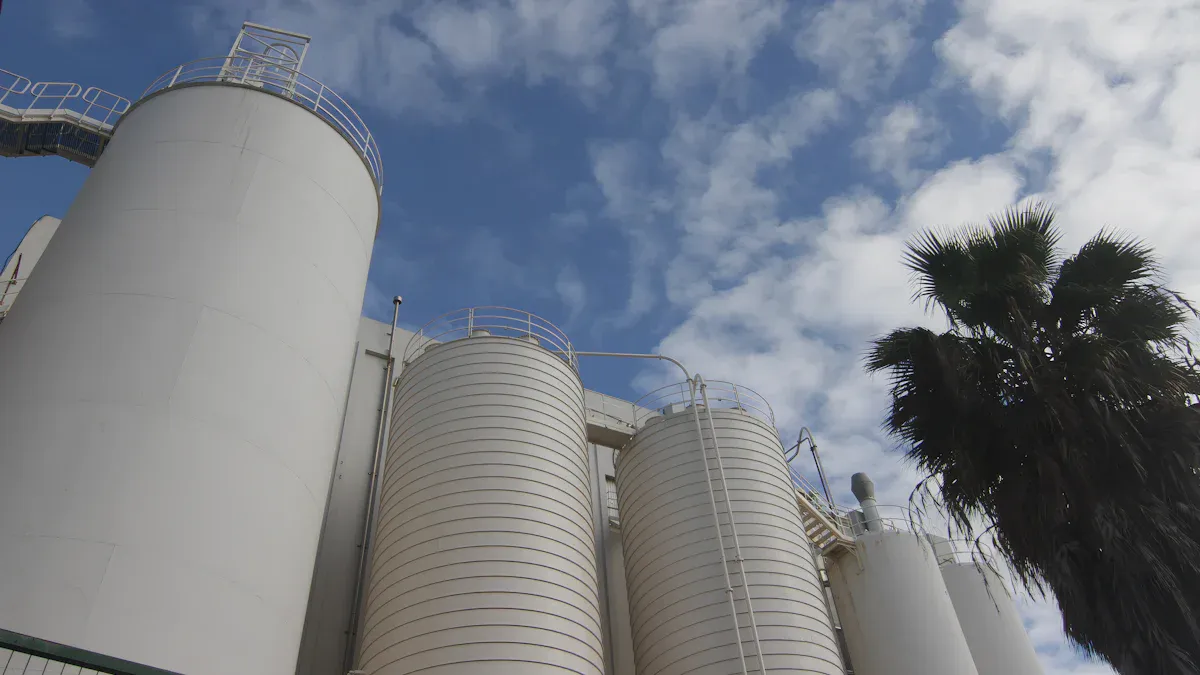
A milk silo is important for holding a lot of milk on dairy farms and in processing plants. These tall tanks can store thousands or even hundreds of thousands of liters. This makes them great for places that make lots of milk every day. Because they stand upright, milk silos save space and let you store more milk in a small area.
Milk silos keep milk fresh by using special cooling systems. These systems cool the milk fast and keep it cold. Most dairy experts say milk should be cooled to 5°C or lower just a few hours after milking. This stops bacteria from growing and keeps the milk safe to drink. The stainless steel in milk silos is strong and simple to clean. Smooth sides and cleaning machines help stop germs from spreading.
Tip: Milk silos with automatic systems can check temperature and how much milk is inside. This helps workers know about milk quality and storage without guessing.
Here is a table that compares silo milk tanks and traditional milk tanks:
Type of Tank | Capacity Range | Efficiency Features |
|---|---|---|
Silo Milk Tank | A few thousand liters to several hundred thousand liters | Advanced temperature control, automated cleaning |
Traditional Milk Tank | 1,000 liters to about 80,000 liters | Basic temperature control, manual cleaning |
Industrial Use
Many dairy factories use milk silos because they make work easier and safer. These tanks keep milk at the right temperature for up to 96 hours. This means milk stays fresh longer before it is used or shipped. Inside, mixers stir the milk so the cream does not rise to the top. This keeps the milk even and ready to use.
Milk silos also have sensors that check temperature and how much milk is inside. These features help stop mistakes and save time. Workers can look inside and clean the tanks easily, which keeps the milk safe.
CHENMA sells many kinds of milk silo solutions. Their tanks use strong stainless steel for safety and cleanliness. Special cooling systems slow down bacteria and keep milk good. CHENMA’s milk silos come in many sizes, so small farms and big factories can find what they need. Custom features let each place pick what works best for them.
Some reasons why dairy farms and factories pick milk silos are:
They can hold a lot of milk
They keep milk fresh with good temperature control
They are easy to clean and take care of
They have automatic systems for better work
They can grow with the business
A milk silo helps dairy farms and factories make better milk, save money, and grow easily.
Milk Silo Operation
Cooling System
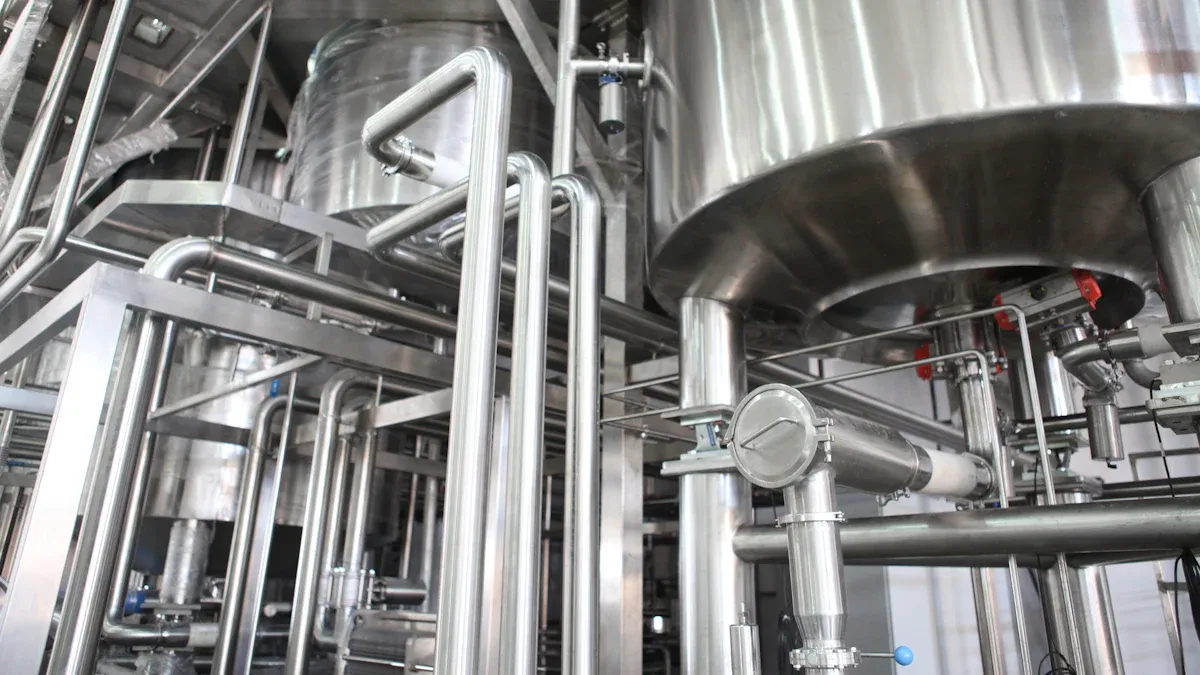
A milk silo uses special cooling systems to keep milk safe. Most silos use heat exchangers to cool milk. These can be shell-and-tube or plate types. Heat exchangers move heat from milk to a cooling fluid. Some use well-water heat exchangers to save money. This helps keep milk colder than 4°C. Many dairy processors use precoolers to save energy. Precoolers can cut energy use by up to 60 percent. Pumps with different speeds help cool milk better. Slower pumps can make milk even colder by 15 to 20 degrees.
CHENMA makes milk silos with strong stainless steel walls. The walls have insulation made from EPS or polyurethane. This stops heat from getting in and keeps milk good. These tanks follow strict rules like 3A 22-08 and 3A 611-00. CHENMA’s team helps farms pick the best cooling system.
Procedure/Aspect | Details |
|---|---|
Storage Tanks | Tall tanks hold 50 KL to 150 KL of milk. |
Material of Construction | Silos use SS-304 and insulation to keep milk cold. |
Temperature Control | Milk is cooled below 4°C before storage. |
Cleaning Procedures | Cleaning uses pre-rinse, detergent, and CIP steps. |
Tip: Clean tanks often and check temperature to keep milk safe.
Agitation Mechanism
Agitation systems are important in milk silo operation. Mixers are placed on top or on the side. They use impellers and electric motors to stir milk. Agitation keeps milk mixed and stops fat from separating. It also helps keep the temperature the same everywhere in the tank.
Agitation stops milk layers and fat from separating.
It keeps milk texture and temperature even.
Seals on agitators stop germs from getting in.
CHENMA adds good agitation systems to its milk silos. Their team helps with setup and care. The silos use food-grade stainless steel and have ISO safety certificates. Dairy processors get help from CHENMA for design, training, and checks.
Standard Code | Description | Last Revision |
|---|---|---|
3A 22-08 | Silo-Type Storage Tanks | 2004 |
3A 611-00 | Farm Milk Cooling and Storage Systems | 1994 |
A milk silo with good cooling and mixing keeps milk safe and helps dairy farms make good products.
Milk Silo Features
Size & Capacity
Milk silos come in many sizes for different farms. Big factories use silos that hold 10,000 to 40,000 gallons. Some silos can hold 12,000 to 60,000 liters. The largest silos store up to 150,000 liters. This helps farms and factories pick the best size.
Vertical silos save space because they go outside.
Horizontal tanks need rooms inside, which cost more.
Small farms use tanks with less space, big factories need bigger silos.
Silo Type | Capacity Range | Placement | Space Needed (sq. m.) |
|---|---|---|---|
Vertical Silo | 10,000L – 150,000L | Outdoor | 17.75 |
Horizontal Tank | 10,000L – 18,000L | Indoor | 21.6 |
CHENMA makes custom milk silos for each dairy. Their team helps design tanks for every farm’s needs.
Material & Hygiene
Milk silos are made from food-grade stainless steel. This metal is strong, smooth, and easy to clean. It does not soak up liquids or smells. Stainless steel does not rust, so milk stays safe.
Food Safety Magazine says, “Food contact surfaces must be smooth, safe, and not absorb anything. They should not rust or let germs grow.”
New silos have cleaning systems that use strong cleaners. These cleaners wash away milk and dirt. Good cleaning keeps tanks free from germs. Workers clean and sanitize tanks before milking to kill germs.
Cleaners wash away milk and dirt.
Cleaning often keeps tanks free from germs.
Sanitizing before milking keeps milk safe.
CHENMA’s milk silos follow strict safety rules. Their tanks meet standards like ISO9001, CE, ISO14001, and OHSAS18001. This keeps milk safe for everyone.
Temperature Control
Keeping milk cold is important for quality. Cooling tanks chill milk fast after it is collected. New cooling systems save energy. Insulated walls keep the inside cold and stop spoilage.
Cooling tanks chill milk quickly to safe levels.
Insulated walls keep the temperature steady.
Sensors check the temperature all the time.
Mixers stir milk gently to keep it even and stop separation.
Sensors help keep cooling just right.
Automatic systems help workers control temperature and pressure. IoT monitoring gives real-time data about milk and storage. These features help stop spoilage and keep milk safe.
CHENMA’s custom tanks meet world standards for safety and quality. Their silos help track milk and keep it safe, so dairy workers trust their products.
Milk Silo Benefits
Quality & Safety
A milk silo helps keep dairy products safe and good. When milk goes into the silo, it stays cold all the time. This cold stops bacteria from growing and keeps milk fresh. The types of microbes in raw milk can change while in the silo. These changes can make milk spoil or taste different. Cleaning and good controls are very important for safety and quality. Some microbes stay the same all year, but they can still change inside the silo. This can change how the final product tastes or lasts.
Microbes in raw milk change during storage in silos, which can cause spoilage and lower quality.
Good cleaning and controls are needed to keep dairy products safe and high quality.
Some microbes stay the same in every season, but they can still change in silos and affect the quality of dairy products.
CHENMA’s milk tanks use food-grade stainless steel and strong cleaning systems. These things help keep milk safe from germs and follow health rules. The tanks also have sensors that check temperature and quality all the time.
Efficiency
Milk silos help dairy farms and factories work faster and save money. They let you store a lot of milk without using too much space. Many reports show the main benefits of using milk silos:
Better milk quality: Keeps milk fresh by keeping it cold and away from air.
Saves money: Less waste and lower labor costs over time.
Easy to grow: You can add more storage without big changes.
More work done: Machines do more jobs, so there are fewer mistakes.
Follows rules: Meets tough health and safety standards.
The way a milk silo is built gives more benefits for work. The table below shows how each feature helps dairy workers:
Feature | Benefit |
|---|---|
Thermal Insulation | Stops heat from getting in and saves energy during long storage. |
Hygienic Design | Makes cleaning easy and keeps everything very clean. |
Consistent Temperature Maintenance | Keeps milk at the right temperature with cooling jackets and sensors. |
Efficient Agitation System | Stops cream from rising and keeps milk smooth. |
Conical Bottom for Easy Discharge | Lets all the milk out, wastes less, and makes cleaning simple. |
CHENMA’s solutions help dairy businesses lower risks and work better. Their team and custom choices make milk storage safer and easier.
A milk silo keeps milk safe and fresh for dairy use. These tanks help farms and factories do their jobs better. They also protect the quality of milk. If you want a good milk silo, think about these things:
How much milk you need to store
Where you will put the silo and how much space you have
How much money you can spend
What special features you want
If the maker is trusted
The table below shows why buying top solutions like CHENMA helps businesses grow and work better.
Evidence Type | Description |
|---|---|
Dairy Consumption Growth | People now use almost 23% more dairy than before. |
Market Growth Rate | The milk protein market will get 6-7% bigger each year until 2030. |
Efficiency Gains | 82% of dairy companies say they work better after using digital machines. |