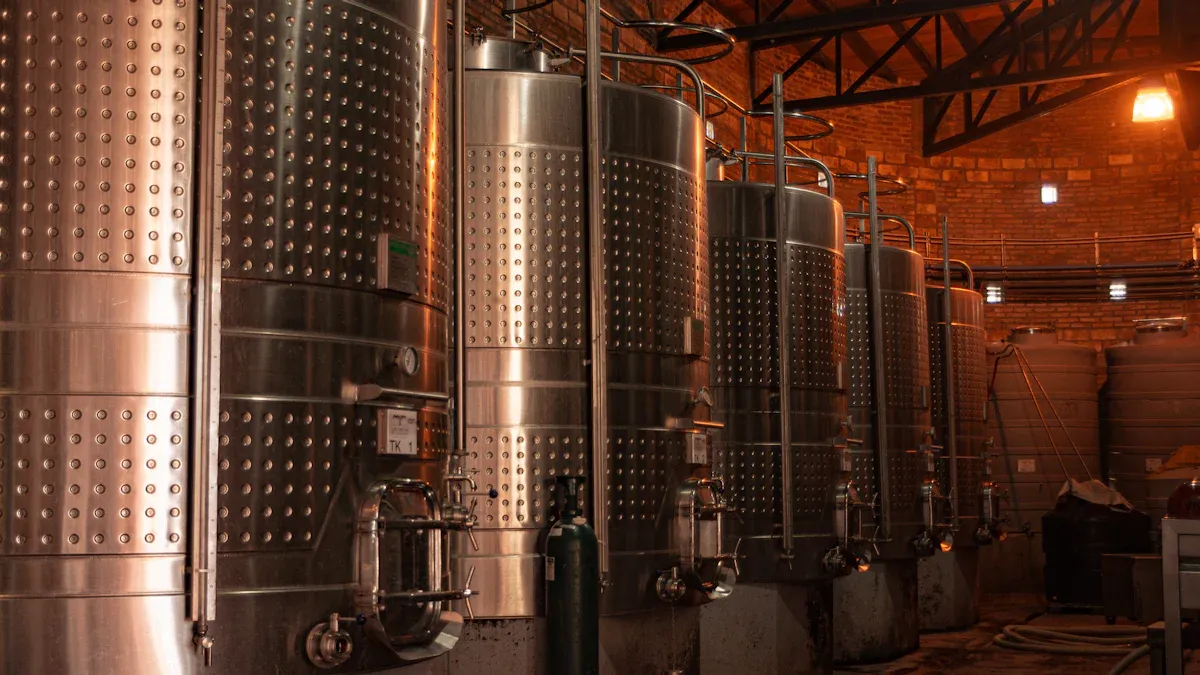

Industry data shows that the lifespan of IBC tanks is typically five to ten years. However, if users choose robust and durable materials, the lifespan can be extended. Proper operating procedures help extend the lifespan of the IBC totes, while minimizing their exposure to harsh environments is also crucial. Regular maintenance and inspections can further extend the lifespan of the tanks.
These measures ensure that the tanks remain safe and effective for many years to come.
Key Takeaways
- With proper maintenance, IBC tanks can last five to ten years.
- Choosing the right materials, such as plastic or metal, affects the lifespan of the tank.
- Regularly inspecting the tanks and addressing problems promptly helps extend their lifespan.
- Storing the tanks in a cool, dry place protects them from damage.
- Replacing damaged tanks promptly ensures personnel safety and prevents economic losses due to leaks.
Life Expectancy of IBC Tanks
lBC tank Typical Lifespan Range
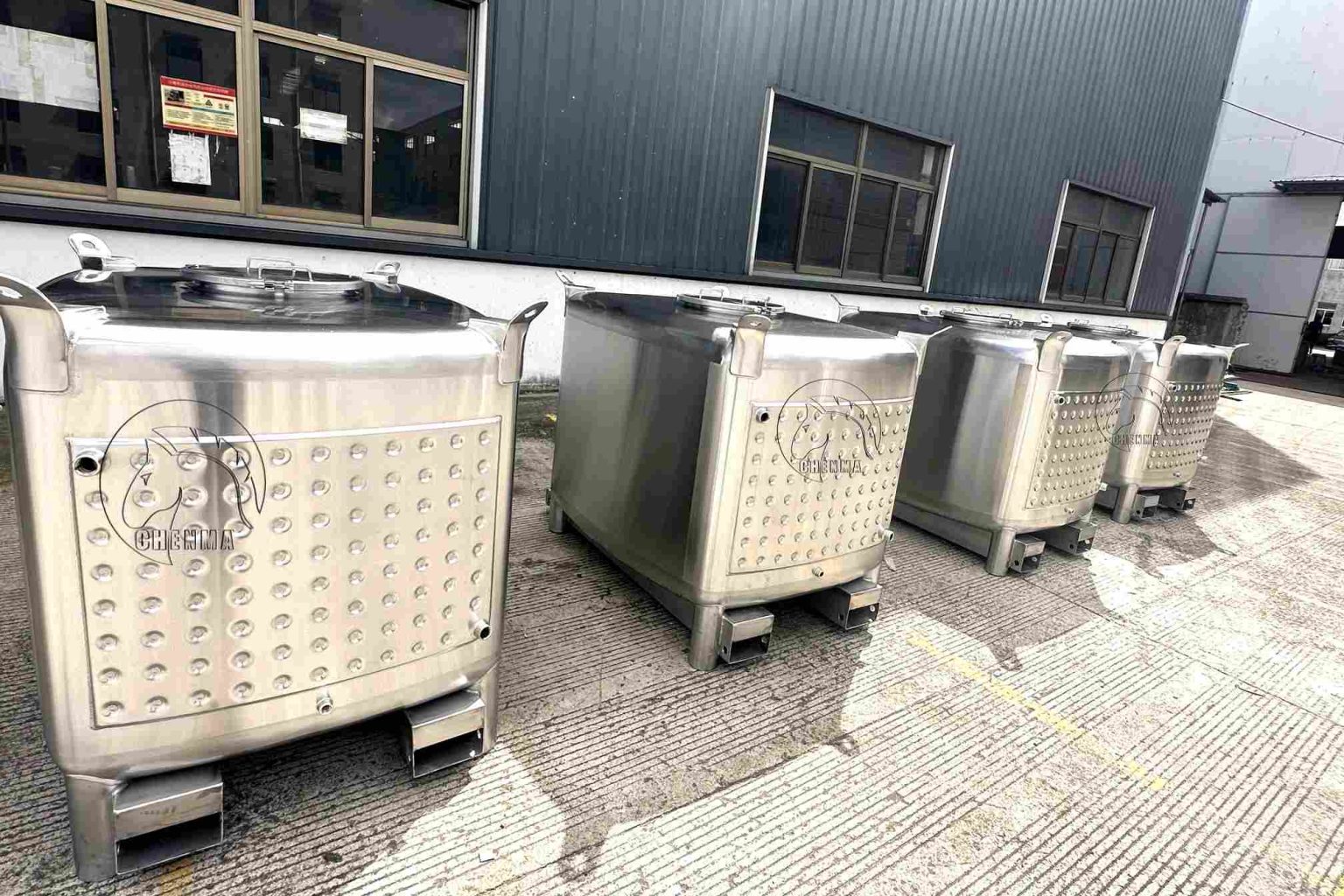
IBC tanks typically last five to ten years. This depends on their use and maintenance. With proper maintenance, some tanks can last even longer. Regularly inspecting and handling storage tanks gently helps extend their lifespan. Many tanks can be filled and emptied hundreds of times and remain in good working order even after repeated use. Their unique design helps prevent damage from wear, rust, and pressure. This means less maintenance time and less cost of purchasing new tanks.
- With proper maintenance, IBC tanks can last for more than 10 years.
- They are reusable.
- Their robust construction allows them to withstand common types of damage.
Choosing the right tank and using it correctly helps extend its lifespan. Storing the tank in a safe place and avoiding harsh weather also helps extend its lifespan.
lBC tank Material Differences: Plastic vs. Metal
The material of an IBC tank greatly affects its lifespan. Plastic and metal tanks each have their advantages and disadvantages. The following table lists the main differences:
| Type of Tank | Advantages | Disadvantages |
|---|---|---|
| Plastic IBC Tanks | Does not rust or corrode; long service life with proper maintenance | More prone to damage |
| Metal IBC Tanks | Very robust; more resistant to impacts | May rust, especially at joints |
Plastic IBC tanks do not rust or corrode, therefore have a longer service life. Metal IBC tanks are more robust, but may rust over time, especially at joints. To extend the service life of the tank, users should choose the appropriate tank based on their needs and usage location.
lBC tank Manufacturer and Industry Recommendations
Manufacturers and experts have some consensus on the service life of IBC tanks. They believe that with proper maintenance, HDPE IBC tanks can last five to ten years. The service life of a tank also depends on its material, manufacturing process, and frequency of use. Proper maintenance and adherence to safety regulations are also crucial.
- Manufacturers state that with proper maintenance, HDPE IBC tanks can last five to ten years.
- The service life of a tank depends on its material, structure, and maintenance.
- Proper handling, filling, and storage of IBC containers can help extend their lifespan.
Tip: Following the manufacturer’s recommendations and industry standards can extend the lifespan of IBC containers and save costs.
The lifespan of IBC containers depends on their maintenance. Choosing the right material and seeking expert advice can maximize the lifespan of IBC containers.
Factors Influencing Lifespan of IBC tank
lBC tank Environmental Exposure
Sunlight, temperature, and weather all affect the lifespan of IBC containers. If medium bulk containers are left outdoors, sunlight can damage the plastic. Ultraviolet radiation reduces the strength and flexibility of the containers, potentially leading to cracks or breakage, thus shortening their lifespan. Extreme temperatures exacerbate this. These temperatures accelerate damage to the containers. To prevent damage, IBC containers should be stored in a cool, dry place. Good air circulation also ensures the safety of the containers, especially when containing chemicals.
- Maintaining a stable temperature is beneficial for the preservation of the containers and their contents.
- Good air circulation prevents the accumulation of harmful gases.
lBC tank Contents Stored
The items stored in an IBC container affect its lifespan. Chemicals, food, and water react differently inside the container. Some chemicals can damage the container, causing leaks or damage. Food and water require containers that can be kept clean and safe. The thickness and shape of the container should match the stored items. Thicker liquids exert greater pressure on the container. Maintaining the appropriate temperature is also important. If the contents deteriorate, the container will also be damaged. Choosing the right IBC container for each product helps extend its lifespan and makes it reusable.
lBC tank Usage Frequency
The frequency of use of an IBC container affects its lifespan. Containers used daily require more inspection and maintenance. Frequent use accelerates wear and tear. Regularly inspecting the tank and performing leak tests helps prevent problems and ensures its safety. The table below shows the inspection frequency for different types of IBCs:
| Maintenance Activity | Frequency |
|---|---|
| Leak Testing for UN standardized IBCs | Every 30 months |
| Leak Testing for Mobile IBCs | Every 60 months |
| Leak Testing for Lightweight IBCs | Before each use |
| Regular Inspection | As needed |
| Check Valve Integrity | During leak testing |
lBC tank Maintenance Practices
Proper maintenance of IBC containers helps extend their lifespan. Regular inspections allow for early detection of problems. Frequent cleaning prevents the buildup of dirt and bacteria. Choosing the right container material enhances its strength. Experts recommend inspecting the exterior of the container at least every five years. Internal inspections should be performed initially after ten years, then every twenty years thereafter. These measures help maximize the use of IBC containers and extend their lifespan.
Tip: Careful cleaning, inspection, and handling of IBC containers can extend their lifespan and ensure safe use.
Maximizing the Life Expectancy of an IBC tank
lBC tank Proper Storage and Handling
Proper storage and handling of IBC containers helps extend their lifespan. If workers place IBC containers in a location away from direct sunlight, the plastic will maintain its strength. Sunlight reduces the strength of the container and shortens its lifespan. Storing IBC containers in a cool, dry place prevents damage from high or low temperatures. Companies should train workers on how to safely handle and stack IBC containers. Improperly stacked or unsecured IBC containers may crack or leak. Safe operation ensures proper functioning of IBC containers and prevents accidents.
- Avoid exposing IBC containers to direct sunlight and inclement weather.
- Train workers to handle and operate IBC containers safely.
- Stack IBC containers correctly and secure them during transport.
Regular Inspection and Cleaning lBC tank
Regular inspection and cleaning of IBC containers helps extend their lifespan. Workers need to check for cracks, leaks, or other damage. Early detection can prevent bigger problems later. Cleaning the inside of plastic IBC containers with mild soap or diluted bleach ensures safe reuse. Vinegar or citric acid can remove limescale. Never use strong chemicals that may leave harmful residues.
- Inspect IBC containers for damage before and after use.
- Clean containers with safe soap or detergent.
- Use vinegar or citric acid to remove mineral deposits.
lBC tank Maintenance Tips
Proper maintenance of IBC containers ensures their proper functioning. If the company stores items that require insulation, the heater should be checked and the temperature monitored. Electric heating tape or IBC heaters prevent items inside the IBC from freezing. Evenly dissipating heat from the heater protects both the IBC and its contents. Regular inspections and timely problem-solving help companies extend the lifespan of their IBCs and save costs.
Tip: Companies that properly maintain their IBCs have longer-lasting and safer IBCs.
When to Replace IBC Tanks
lBC tanks Signs of Wear and Damage
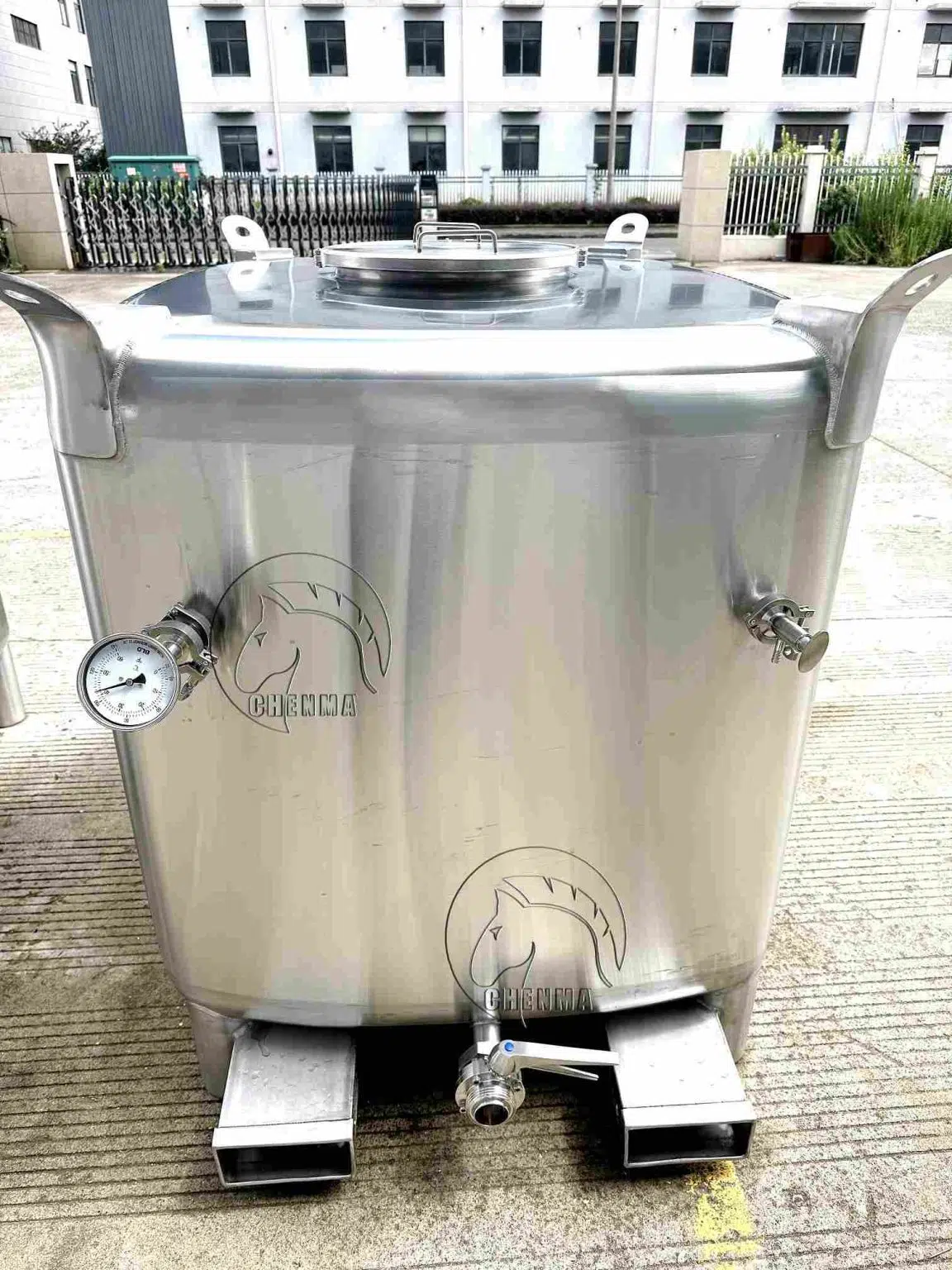
Every employee should know when to stop using an IBC. Regular inspections help detect problems early. The following signs indicate the tank needs replacement:
- Cracks or holes caused by impact or chemical corrosion
- Dents or bends that reduce the tank’s strength
- Broken valves or components causing leaks
- Faded or missing labels, resulting in lost safety information
- Color changes may indicate chemical corrosion
- Deformation, bulging, or cracking on either side due to stress
If the plastic IBC looks whitish or feels fragile, safety cannot be guaranteed. Rusty or porous metal linings also fail to protect the contents. Failure to address these issues could jeopardize personnel and product safety.
Tip: Replace any IBCs exhibiting the above problems to prevent leaks, spills, or unsafe mixing.
Regulatory and Safety Guidelines
The use and disposal of IBC tanks are subject to strict regulations. Each location has its own safe handling and recycling guidelines. Personnel must follow these steps:
- Use only IBC tanks capable of withstanding severe weather and containing hazardous materials.
- Ensure all valves and components are functioning properly and leak-free.
- Deliver plastic IBC tanks to designated recycling points. Many companies recycle these tanks.
- Clean steel IBC tanks before recycling, especially those that have previously contained hazardous materials.
- Consult your local waste management department for instructions on how to dispose of these tanks.
Polyethylene IBC tanks can be reused if they pass all safety inspections. Proper disposal of tanks protects the environment and worker safety.
Inspection and Recertification
Regular inspection and recertification of IBC tanks ensures their safety and legality. The following table shows the inspection frequency for each type of IBC:
| Inspection Type | Frequency |
|---|---|
| Leakproofness Test | Every 2.5 Years |
| External Visual Inspection | Every 2.5 Years |
| Internal Inspection | Every 5 Years |
Failure to perform these inspections can result in hefty fines. The following table shows the potential fines for non-compliance:
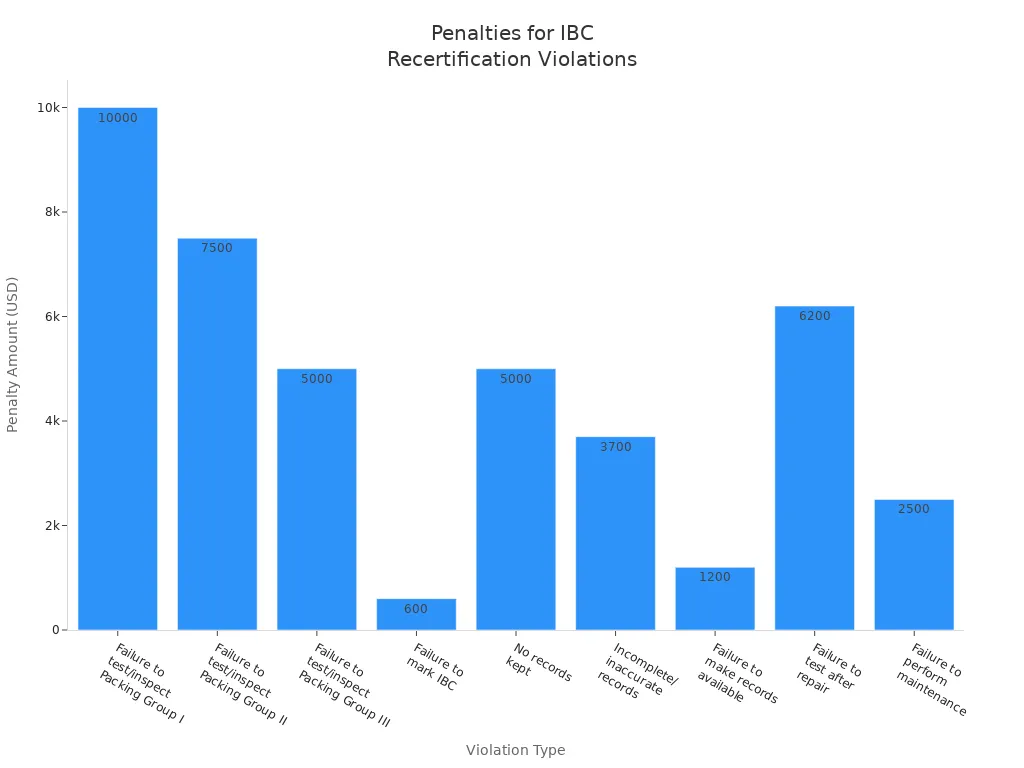
Workers who inspect IBCs on time avoid costly mistakes. They use only high-quality, certified IBCs, ensuring the safety of their team and the planet.
IBCs can have a longer lifespan if properly maintained. Regular inspections help ensure their safety. Storing IBCs in the right place is crucial. Timely replacement of old IBCs can save costs. The following table lists ways to extend the lifespan of IBCs:
| Key Takeaway | Description |
|---|---|
| Storage Location | Keep tanks in safe, controlled places |
| Chemical Compatibility | Make sure tank matches what goes inside |
| Regular Maintenance | Check tanks every 2.5 years, look inside every 5 |
| UV Protection | Use covers or paint to block sunlight |
- Proper maintenance of storage tanks helps extend their lifespan.
- Regular inspections of storage tanks can prevent major problems.
- Timely replacement of storage tanks ensures everyone’s safety and saves money.
FAQ
How do I determine if an IBC storage tank is old and unusable?
Inspect the tank for cracks, leaks, or faded labels. If the tank feels fragile or shows signs of rust, it needs to be replaced. Regular inspections help ensure product safety and prevent costly leaks.
Can IBC storage tanks be reused to hold different materials?
IBC storage tanks can be reused if thoroughly cleaned and inspected for damage. Choosing the right tank for each product protects the tank and the materials inside. Always follow safety guidelines.
What is the best way to store IBC storage tanks?
Store tanks in a cool, dry place, away from direct sunlight and harsh weather. A cool, dry environment extends the tank’s lifespan. Proper storage prevents damage and saves money.
Do IBC storage tanks need regular cleaning?
Yes! Regular cleaning removes residue and prevents contamination. He should use a safe cleaning agent and rinse thoroughly. Clean tanks have a longer lifespan and maintain product purity.
Are there any regulations for recycling old IBC tanks?
Of course! The recycling process is guided by local regulations. Tanks must be cleaned before recycling. Many companies offer recycling programs. Recycling protects the environment and ensures workplace safety.