The life expectancy of a stainless steel oil tank is usually 15 to 50 years. Most tanks last 20 to 30 years. Some tanks can last up to 100 years with great care. The material grade, maintenance, and installation quality matter a lot. These things affect how long a tank will last. Shandong Chenma Machinery Co., Ltd. sells stainless steel olive oil tank and stainless steel wine tanks. These tanks are for the food and beverage industry. Many experts pick stainless steel because it lasts longer than other materials.People who want a tank that lasts a long time often ask about the life expectancy of a stainless steel tank.
Key Takeaways
Stainless steel tanks can last 15 to 50 years. Good care can help them last up to 100 years.
Regular maintenance is very important. You should inspect and clean the tank every year. This helps stop rust and leaks. It keeps the tank safe and working well.
Picking strong materials, like SUS304 stainless steel, makes the tank last longer. It also means you will fix it less often.
Tanks need to be put in by skilled workers. This helps stop leaks and makes the tank last longer.
Watch for damage, like rust or leaks. This helps you know when to get a new tank. It keeps your money safe and helps the environment.
Stainless Steel Oil Tank Life Expectancy
Average Lifespan Range
How long a stainless steel oil tank lasts depends on many things. Most tanks work for 15 to 50 years. Many tanks last about 20 to 30 years. Some tanks can last up to 100 years with great care and regular checkups. These numbers show why people in the food and drink business like stainless steel oil tanks. These tanks last a long time, so they are a good choice for companies that need safe heating oil storage.
Note: Stainless steel heating oil tanks usually last longer than tanks made from other materials. This is because stainless steel does not rust easily and keeps oil fresh for a long time.
Here is a quick look at how long stainless steel oil tanks can last:
Stainless steel tanks often last 15 to 50 years.
Tanks can last more than 30 years if cared for well.
The best tanks might last up to 100 years if everything is perfect.
Factors for Extended Life
Many things affect how long a heating oil tank will last. If you want your stainless steel tank to last longer, pay attention to these things:
Have an expert check the tank every year to find rust or leaks early.
Clean out sludge to keep the oil good and stop clogs.
Use rust-proof coatings to protect the tank from water damage.
Watch for oil spots or odd smells, which can mean trouble.
Put in filters to catch water and rust before they hurt the tank.
Check for water inside the tank, especially after rain or snow, to stop rust.
Use special fuels with chemicals that help remove water.
Add corrosion inhibitors to protect the metal from water.
Place the tank on a dry, steady base to keep it away from wet soil.
Use covers and coatings to protect the tank from weather.
Shandong Chenma Machinery Co., Ltd. makes stainless steel oil tanks with special options. Their tanks fit what different industries need and are made with high standards. Skilled workers and modern machines make sure the tanks are strong and last a long time. Certifications like ISO9001 and ISO14001 show they follow strict rules for quality and the environment. These things help tanks last longer and make each steel oil tank more reliable.
Tip: Taking care of your tank and installing it the right way helps it last longer. Picking a trusted company like Shandong Chenma Machinery Co., Ltd. can help you get the most years from your heating oil storage tank.
Heating Oil Tank Lifespan Factors
Material Grade (e.g., SUS304)
The type of stainless steel matters a lot for how long a heating oil tank lasts. SUS304 stainless steel is very good at fighting rust. Tanks made from this steel can handle tough places, like near saltwater or acids. Because of this, the tank can last longer and does not need as much fixing. Companies such as Shandong Chenma Machinery Co., Ltd. use strong stainless steel to make tanks that work well for many years.
304 stainless steel does not rust from many things.
It helps save money on repairs and works better.
Tanks with SUS304 usually last longer.
Maintenance and Cleaning
Taking care of a heating oil tank helps it work well. Cleaning and checking the tank often helps find problems early. These steps stop rust and other harm. Tank makers suggest some ways to help the tank last longer:
Check the tank often to make sure it is strong.
Look for water inside to stop rust.
Put on special coatings to fix the tank’s surface.
Use gentle cleaners and rinse the tank well.
Dry the tank all the way after cleaning.
Use safe cleaners for tanks used with food.
Doing these things stops leaks and sludge from building up. It also keeps the tank safe for oil storage.
Installation Quality
How the tank is put in place is very important for how long it lasts. A tank that sits flat and steady is less likely to leak or break. Skilled workers, like those at Chenma, make sure tanks are set up the right way. Certified workers use new tools to install tanks safely. This careful work helps the tank last longer and stay safe.
Factor | Description |
|---|---|
Quality of Installation | Good installation keeps the tank flat and steady, so it is less likely to leak or break. |
Ongoing Inspections | Checking the tank often helps find rust or leaks, keeping the tank strong. |
Usage Patterns | Using the tank often and with good oil stops sludge and helps the tank last longer. |
Environmental Impact
Where the tank is kept changes how long it will last. Wetness, hot and cold weather, and germs can make a tank wear out faster. Tanks inside buildings usually last longer than those outside. Where you put the tank is very important.
Environmental Factor | Description |
|---|---|
Moisture Accumulation | Water at the bottom can cause rust or make the oil dirty. |
Microbiological Contamination | Slime can cause rust and make the tank not work right. |
Compatibility of Stored Fuels | Using the wrong fuel can hurt the tank. |
Corrosion Effects | Rust can damage metal parts and make the tank not last as long. |
Shandong Chenma Machinery Co., Ltd. has ISO9001 and EU CE certifications. These show they care about quality and safety. Good installation and high standards help their tanks last longer and work better.
Tip: Using good steel, taking care of the tank, having experts install it, and keeping it in a safe place all help the tank last longer.
Steel Oil Tank vs. Other Materials
Stainless Steel vs. Plastic
A steel oil tank is stronger than a plastic tank. Stainless steel tanks can last 20 to 50 years. Plastic tanks usually last only 10 to 20 years. Stainless steel does not rust and is not hurt by sunlight. Plastic tanks can crack or get weak from the sun or if hit.
Material | Average Service Life | Failure Rate Factors |
|---|---|---|
Stainless Steel | 20 to 50 years | Does not rust; problems can happen at joints and rivets |
Plastic | 10 to 20 years | Can be damaged by sunlight and being hit |
Stainless steel tanks are very clean and safe. Their smooth inside walls stop dirt and germs from building up. Plastic tanks need to be cleaned often to stay safe. If a plastic tank breaks, it can let diesel bugs grow and spoil the oil.
Tip: Stainless steel tanks work well in hot places and do not need as much care as plastic tanks.
Stainless Steel vs. Carbon Steel
Stainless steel tanks last longer than carbon steel tanks. Stainless steel can last for many years with little care. Carbon steel tanks do not last as long and need to be checked often because they rust.
Material | Longevity | Maintenance Needs |
|---|---|---|
Stainless Steel | Lasts for many years | Needs little or no care |
Carbon Steel | Does not last as long | Needs to be checked and fixed often because it rusts |
Carbon steel tanks cost less at first. But they cost more later because they need more repairs. Stainless steel tanks cost more at first but save money over time.
Carbon steel: Cheaper at first, but costs more to fix later.
Stainless steel: Costs more at first, but lasts longer and needs less fixing.
Chenma makes both regular and special stainless steel oil tanks. Their tanks work well and last a long time.
Stainless Steel vs. Concrete
A steel oil tank is very strong and lasts longer than a concrete tank. Stainless steel does not rust and stays strong for many years. Concrete tanks can last a long time but may crack and need more fixing to keep water out.
Material | Lifespan and Durability | Maintenance Needs |
|---|---|---|
Stainless Steel | Very strong and does not rust, so it lasts a long time if cared for. | Needs to be cleaned and checked often to stay strong. |
Concrete | Can last a long time but may crack, so it needs more fixing to keep water out. | Needs more care to stop leaks because it can crack. |
Shandong Chenma Machinery Co., Ltd. makes many kinds of stainless steel oil tanks. Their tanks can be made for different oils and places, so many businesses can use them.
Note: Picking stainless steel means you get a tank that is strong, clean, and lasts a long time.
Extend Life Expectancy of a Stainless Steel Tank
Routine Maintenance Tips
Taking care of your tank helps it last longer. You should check your oil tank often. This helps find small problems before they get worse. Owners need to have an expert look at the tank once a year. During this check, experts look for rust, leaks, or damage. Cleaning the tank gets rid of sludge and keeps oil fresh. Some good tips are to check for water at the bottom and use safe cleaners. Taking out water and dirt stops rust and keeps the tank strong.
Tip: Checking your oil tank often can stop leaks and save money.
Best Installation Practices
Putting in the tank the right way is very important. A tank that sits flat and has good support will not move or break. Having a pro install the tank keeps it safe from harm. Experts follow careful steps to make sure the tank works well. This careful work can help the tank last longer and keep its warranty. Shandong Chenma Machinery Co., Ltd. helps with installation and gives a five-year guarantee. Their team uses top brand materials and gives clear plans for each job. These steps help the tank work better and last longer.
Preventing Common Issues
Many things can make a tank not last as long. Rust, leaks, and weather damage are common problems. Good tips are to check the tank often and fix problems fast. Rust happens more in salty air or when it gets hot and cold a lot. Owners should keep the tank clean and dry. The table below shows problems and how to stop them:
Issue | Description | Prevention |
|---|---|---|
Corrosion | Rust and small holes from water and dirt | Regular cleaning and checks |
Leaks | Small leaks can get bigger if not fixed | Find and fix leaks early |
Environment | Salty air and heat make rust happen faster | Protect the tank and put it in a good spot |
Shandong Chenma Machinery Co., Ltd. helps customers with tech support and service after buying. Their team answers questions and helps after you buy the tank. These services help owners take care of their tanks and keep them working well.
Signs to Replace Your Stainless Steel Oil Tank
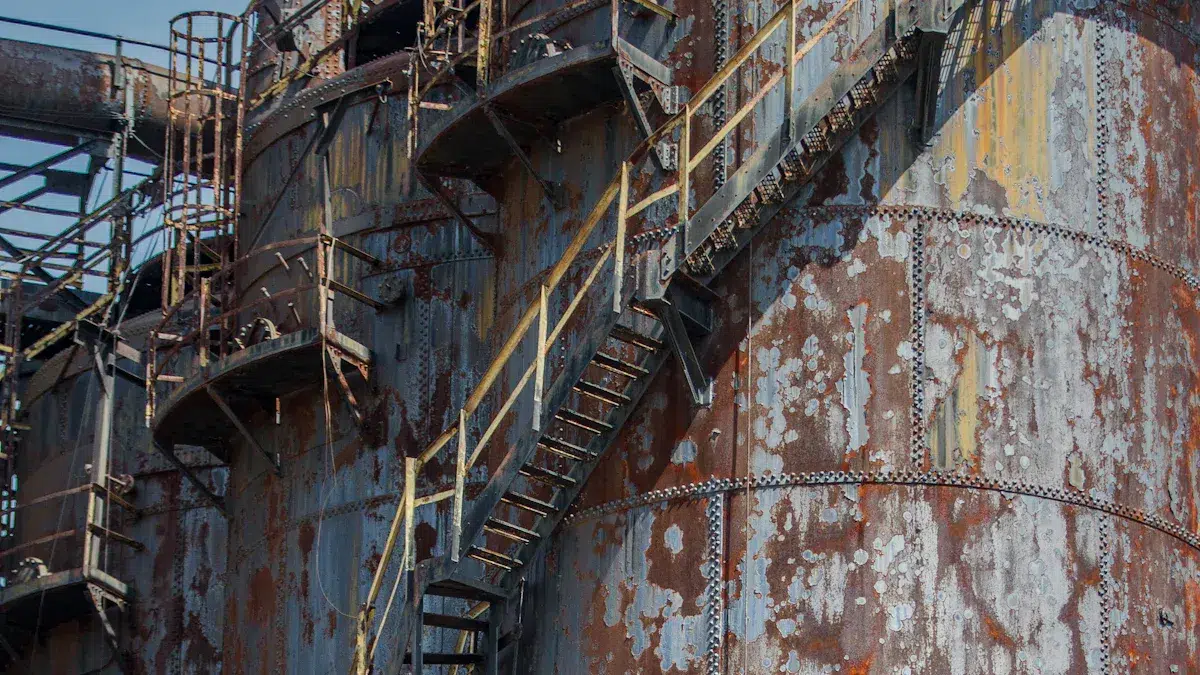
Visible Damage or Corrosion
Owners may see changes in their tanks as time passes. Some signs show up on the outside of the tank. People should watch for these warning signs:
Rust and corrosion look like orange-brown spots or small holes. These marks mean the tank’s surface is getting weaker.
Odd smells can come from leaks. These smells may mean oil is escaping and can be dangerous.
If you see these problems, the tank may not keep oil safe. Rust and corrosion make the metal weaker. Leaks can hurt the environment and cost a lot to fix. Checking your tank often helps find these problems early.
Tip: Look for rust and strange smells to keep your oil safe.
Performance and Safety Issues
Old tanks can start to have problems. Some signs show it is time to get a new tank:
Leaks happen more in old tanks. Oil can leak out and pollute the ground.
Water can build up inside the tank. This water can cause clogs and more rust.
Tanks that are weak can be easier for thieves to steal oil. Stolen oil means you lose money.
These problems can make the tank unsafe. Water and leaks can damage the oil and the tank. Old tanks are easier to steal from.
Note: Owners should check for leaks, water, and theft to keep tanks working well.
Shandong Chenma Machinery Co., Ltd. helps with replacing and upgrading tanks. Their services help owners keep tanks safe and working right.
Service Type | Description |
|---|---|
Design | Custom solutions for different needs. |
Manufacturing | Modern methods make tanks strong and clean. |
Installation | Experts set up stainless steel oil tanks. |
Ongoing Technical Support | Help is always available to keep tanks working well. |
Owners can ask Chenma for advice and help with new tanks. Their team helps with design, setup, and support at every step.
Stainless steel oil tanks last a long time and are very strong. They also help keep things clean and safe. The table below lists some important features:
Key Aspect | Description |
|---|---|
Corrosion Resistance | Stainless steel does not rust, so oil stays safe. |
Durability and Strength | Tanks can handle heat and pressure without breaking. |
Hygienic Properties | Smooth tank walls stop germs from growing. |
Temperature Control | Special covers help keep oil at the right heat. |
Picking a good tank and cleaning it often helps it last longer. Having experts check the tank and give help makes sure it works well for many years.