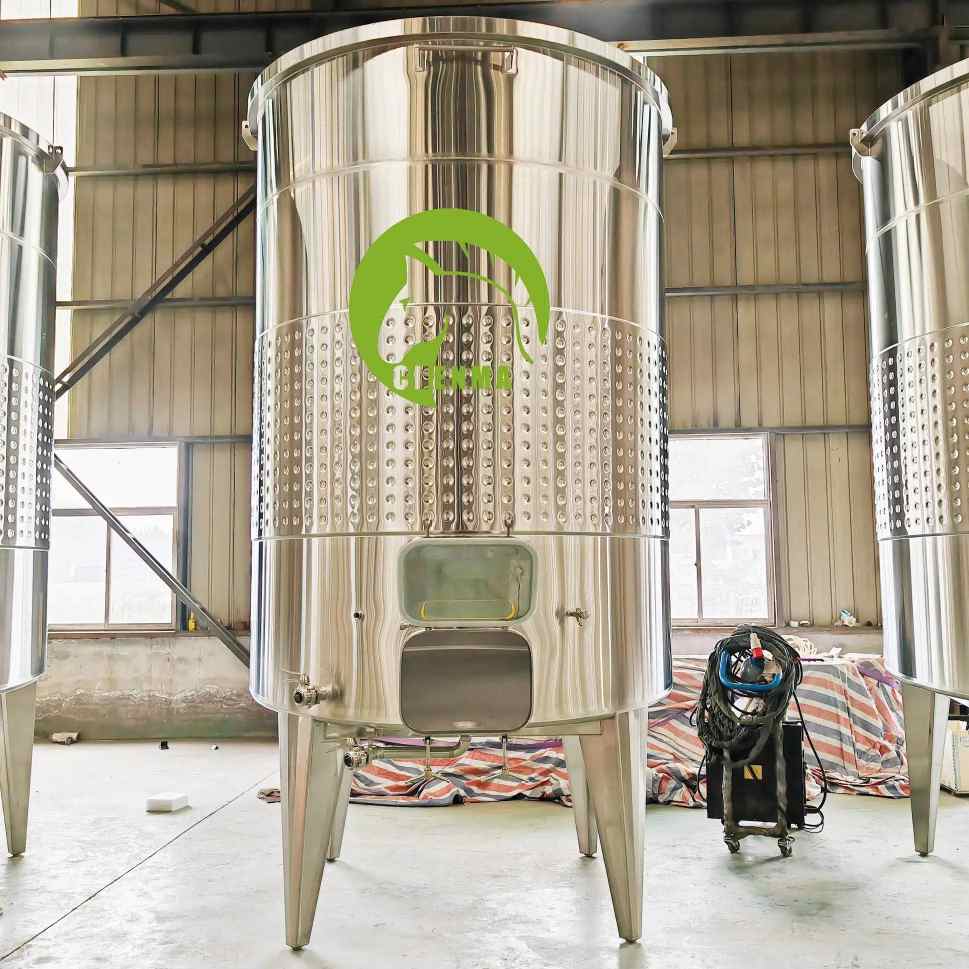
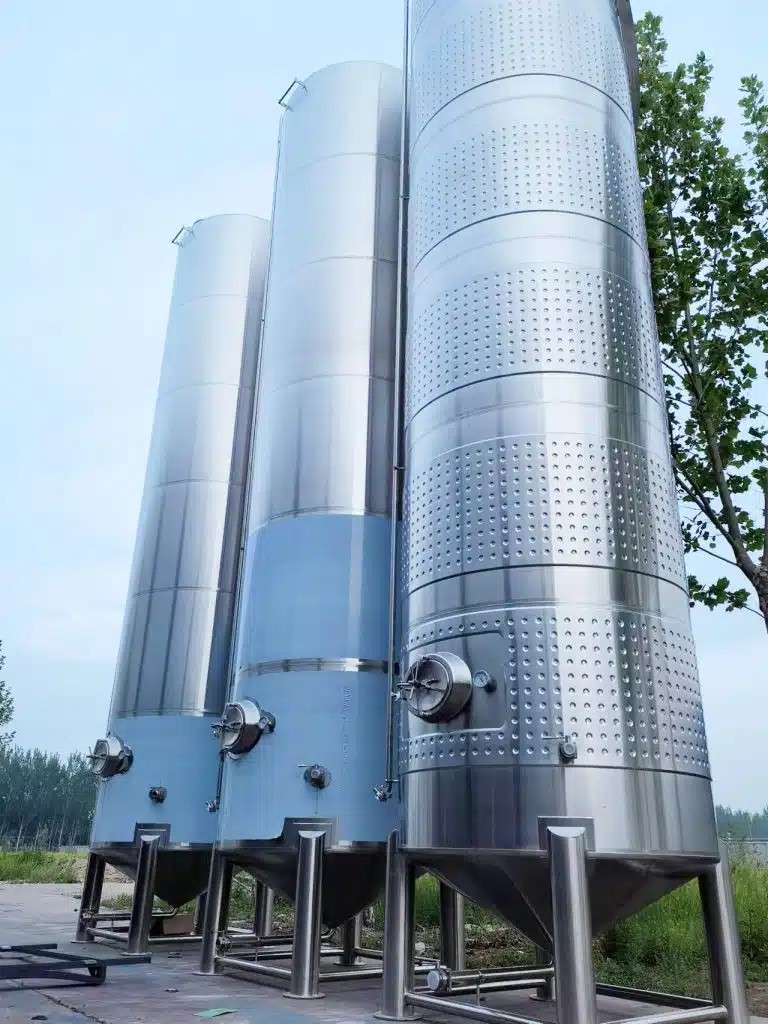
The best stainless steel grade for a water tank depends on water chemistry, operating temperature, and installation environment. For most indoor potable water storage applications, Grade 304 stainless steel offers the best balance of corrosion resistance and cost. In coastal areas or systems exposed to high chloride levels, Grade 316/316L provides enhanced corrosion protection. For hot water storage applications, Grade 444 stainless steel is often preferred due to its excellent resistance to thermal stress and chloride-related corrosion.
Key Takeaways
- Grade 304 is the best choice for most standard potable water tanks, offering a good balance of corrosion resistance, hygiene, durability, and cost.
- Grade 316/316L is recommended for coastal areas, high-chloride water, and industrial applications due to its superior resistance to pitting and chemical corrosion.
- Grade 444 is ideal for hot water storage systems, providing excellent resistance to thermal stress and heat-related corrosion.
- Stainless steel grade selection should consider chloride levels, water temperature, pH, and installation environment to ensure long service life.
- Choosing the right grade helps prevent corrosion, reduce maintenance costs, and maximize the overall value of a stainless steel water tank.
Common Stainless Steel Grades for Water Tanks
Different stainless steel grades are designed with specific alloy compositions to provide different levels of corrosion resistance, temperature stability, and durability. The right choice depends on water chemistry, operating conditions, and the installation environment.
Grade 304 Stainless Steel: Best for Standard Potable Water Storage

Grade 304 stainless steel is the most widely used material for drinking water tanks due to its excellent balance of corrosion resistance, durability, hygiene, and cost. It is an austenitic stainless steel containing approximately 18% chromium and 8% nickel, which forms a passive oxide layer that helps protect the surface from rust and corrosion.
Chloride resistance: Suitable for low-to-moderate chloride water conditions; performance may decrease in high-salinity environments.
Best for:
- Indoor residential drinking water tanks
- Rainwater harvesting systems
- Municipal water storage
- General-purpose cold water applications
Key advantages:
- Food-contact safe and non-reactive with water
- Excellent corrosion resistance for everyday water storage
- Easy fabrication and widely available
- More affordable than higher-alloy stainless steels
Limitations:
- More susceptible to chloride-induced pitting corrosion than 316
- Not the ideal choice for high-temperature water systems with elevated chloride levels
Food-grade 304 stainless steel meets major potable water safety requirements worldwide. Manufacturers such as CHENMA provide 304 stainless steel water tanks designed for safe and reliable drinking water storage.
Grade 316 / 316L Stainless Steel: Best for Coastal and High-Chloride Environments

Grade 316 stainless steel offers enhanced corrosion resistance compared with 304 due to the addition of approximately 2–3% molybdenum. This alloy improvement significantly increases resistance to chloride-related pitting and corrosion, making 316 the preferred choice for harsh environments.
Grade 316L is the low-carbon version of 316, providing improved corrosion resistance after welding and fabrication. It is commonly used for industrial tanks and applications requiring higher durability.
Chloride resistance: Superior resistance to chloride exposure compared with 304, especially in coastal and marine environments.
Best for:
- Coastal properties with salt air exposure
- High-chloride water systems
- Industrial process water storage
- Seawater-related applications
- High-chlorine environments
Key advantages:
- Better resistance to saltwater and chemical corrosion than 304
- Reduced risk of chloride-induced pitting
- 316L maintains excellent corrosion resistance after welding
- Longer service life in aggressive environments
Limitations:
- Higher material cost compared with 304
- Requires proper design and maintenance in extreme high-temperature environments
The molybdenum content strengthens the protective passive layer on the steel surface, helping prevent chloride ions from penetrating and causing localized corrosion. This makes 316/316L a reliable choice for demanding water storage applications.
Grade 444 Stainless Steel: Best for High-Temperature Water Storage
Grade 444 stainless steel is a ferritic stainless steel developed for applications requiring strong resistance to heat and corrosion. With high chromium and molybdenum content and very low nickel content, it provides excellent resistance to stress corrosion cracking (SCC) and thermal deformation in hot water environments.
Compared with traditional austenitic stainless steels such as 304 and 316, Grade 444 has a lower thermal expansion rate, making it more stable under repeated heating and cooling cycles.
| Property | 304 / 316 Stainless Steel | Grade 444 Stainless Steel |
|---|---|---|
| Microstructure | Austenitic | Ferritic |
| Nickel Content | Higher | Very low |
| Stress Corrosion Cracking Resistance | Good, but higher risk under hot chloride conditions | Excellent resistance |
| Thermal Expansion | Higher | Lower, reducing heat-related deformation |
| Best Application | General cold water storage | High-temperature water storage systems |
Best for:
- Domestic hot water tanks
- Solar thermal storage systems
- Industrial hot water loops
- High-temperature process water applications
Key advantages:
- Excellent resistance to thermal stress and chloride-related cracking
- Lower thermal expansion for improved dimensional stability
- Good performance in hot chlorinated water
- Lower nickel content compared with austenitic grades
Limitations:
- Lower general corrosion resistance than 316 in some room-temperature chemical environments
- Less commonly available than 304 and 316 stainless steel
Factors That Affect Stainless Steel Water Tank Grade Selection
The right stainless steel grade depends on your water chemistry, operating temperature, installation environment, and long-term durability requirements. Consider these key factors before selecting a water tank material.
Chloride Concentration in Water
Chloride ions are one of the main causes of stainless steel pitting corrosion. Higher chloride levels require higher-alloy stainless steels with stronger corrosion resistance.
Before choosing a tank grade, test the water chloride concentration:
- Low chloride freshwater: Grade 304 is suitable for most indoor potable water applications.
- Moderate to high chloride conditions: Grade 316/316L provides better protection against chloride-induced pitting.
- Seawater or extremely high chloride environments: Specialized duplex or super austenitic stainless steels may be required.
Operating Temperature
Water temperature directly affects corrosion resistance and material performance. Higher temperatures can accelerate chemical reactions and increase the risk of corrosion in chloride-containing water.
- Cold water applications (<50°C / 122°F): Grade 304 and 316 are commonly used depending on water quality.
- Warm water systems (50–60°C / 122–140°F): Higher corrosion resistance may be required, especially with chloride exposure.
- Hot water storage (>60°C / 140°F): Grade 444 is often preferred due to its excellent resistance to thermal stress and hot water corrosion.
For systems with frequent heating and cooling cycles, choose a grade with suitable thermal stability to reduce long-term material degradation.
Water pH and Chemical Composition
Stainless steel water tanks perform best in neutral water conditions, typically around pH 6.5–8.5.
- Acidic water (pH below 6.5): May accelerate corrosion by weakening the passive protective layer; higher-grade stainless steel may be required.
- Highly alkaline water (pH above 8.5): Can affect surface appearance and should be evaluated based on chemical composition.
Other factors, such as disinfectants, chlorine levels, and dissolved minerals, should also be considered during material selection.
Installation Environment
External conditions can affect the outside surface of a stainless steel tank, especially in outdoor or coastal installations.
- Indoor inland installations: Grade 304 provides a cost-effective and reliable solution.
- Outdoor coastal environments: Grade 316 offers better resistance to salt air and chloride exposure.
- Industrial environments with chemical fumes: Grade 316L provides enhanced corrosion resistance and better welding performance.
Stainless Steel Grade Recommendations by Application
| Application | Recommended Grade | Reason |
|---|---|---|
| Inland residential drinking water storage | Grade 304 | Cost-effective, hygienic, and reliable for standard freshwater |
| Rainwater harvesting systems | Grade 304 / 316 | Depends on water quality and local environmental conditions |
| Coastal residential and marine environments | Grade 316 | Superior resistance to salt air and chloride corrosion |
| Industrial wastewater or high-chlorine water | Grade 316L | Better corrosion resistance after welding and fabrication |
| Hot water storage and solar thermal systems | Grade 444 | Excellent resistance to thermal stress and hot water corrosion |
| Large municipal water storage | Grade 304 (inland) / Grade 316 (coastal) | Balances durability, safety, and lifecycle cost |
FAQ
What is the main difference between 304 and 316 stainless steel water tanks?
The core difference is chloride corrosion resistance. Grade 316 contains 2–3% molybdenum, which drastically improves resistance to salt and pitting corrosion. Grade 304 works for clean freshwater, while 316 is required for coastal areas or high-chloride water.
What chloride level requires 316 instead of 304?
For cold water systems, Grade 304 is suitable for chloride levels below 200 ppm. For concentrations above 200 ppm, or for coastal installations with salt air exposure, Grade 316 is the safer, longer-lasting choice. Thresholds drop significantly at higher water temperatures.
Can stainless steel tanks safely hold hot drinking water?
Yes, but grade selection is critical. Standard 304 and 316 can hold hot water, but they are vulnerable to stress corrosion cracking in hot, chlorinated environments. For sustained hot water storage above 60°C, Grade 444 ferritic stainless steel is the best option.
How long does a stainless steel water tank last?
A properly specified and maintained stainless steel water tank lasts 30–50 years, and in some cases longer. Premature failure is almost always caused by selecting the wrong grade for the water or environment, not by the material itself.
Is 304 stainless steel safe for drinking water?
Yes. Food-grade 304 stainless steel is the global standard for potable water storage. It is non-reactive, does not leach chemicals into water, and meets all major international food contact safety regulations.
Final Thoughts
Selecting the right stainless steel grade is the single most impactful decision when purchasing a water tank. For most standard inland applications, Grade 304 is the reliable, cost-effective choice. If you are in a coastal area, have high-chloride water, or need a hot water storage tank, upgrading to 316 or 444 will pay off in decades of extra service life.
When in doubt, always start with a water quality test and consult an experienced tank manufacturer to match the material to your exact conditions.