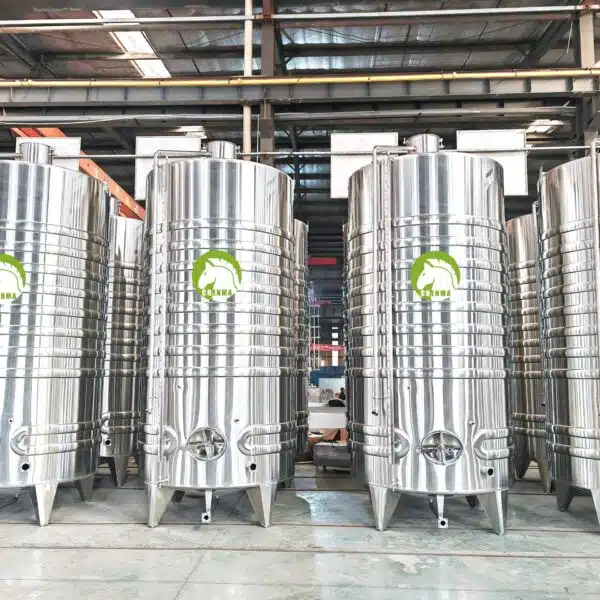
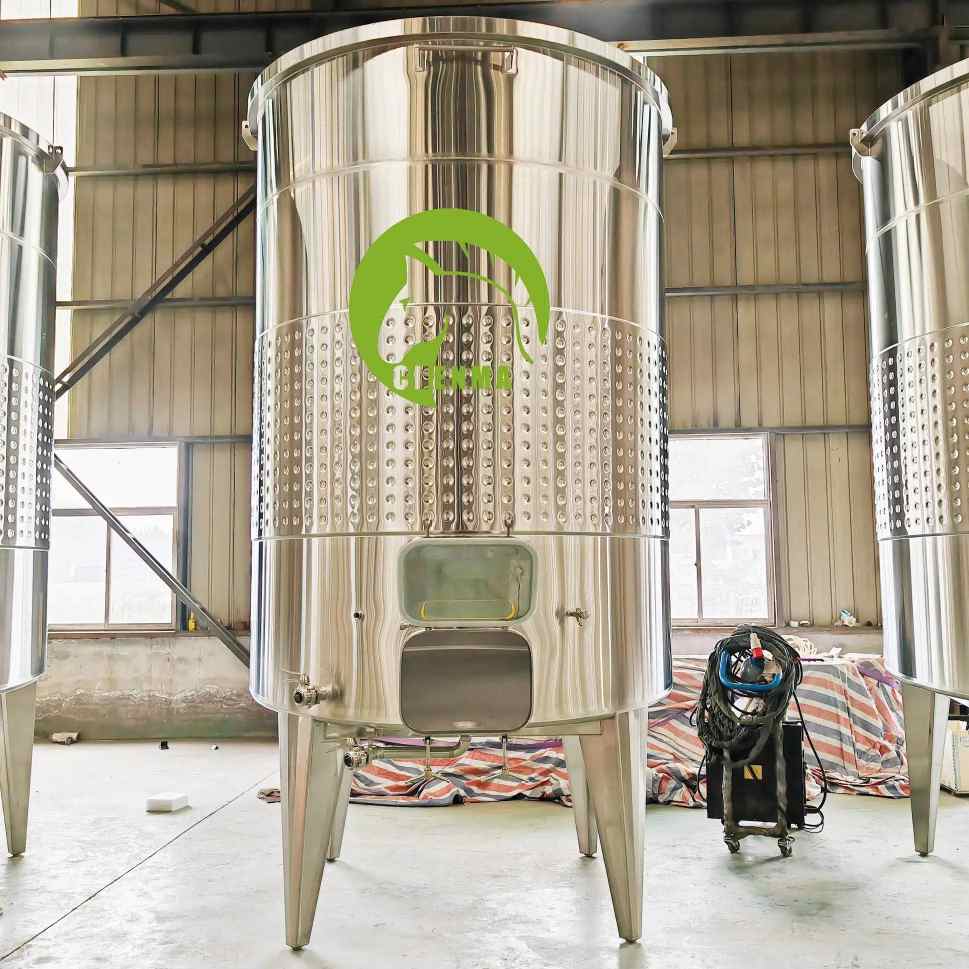
Stainless steel tanks are widely used in modern commercial winemaking because they provide precise temperature control, excellent hygiene, and a controlled environment for fermentation. Unlike oak barrels, which add wood-derived flavors and influence wine texture, stainless steel preserves the natural acidity and primary fruit character of the grapes. This makes stainless steel tanks an ideal choice for producing crisp white wines, fresh rosés, and fruit-forward reds while allowing winemakers to precisely manage yeast activity, oxygen exposure, and fermentation conditions.
Key Takeaways
- Proper stainless steel tank preparation is essential for wine quality, including thorough cleaning, sanitization, temperature control, and oxygen management before fermentation.
- Temperature control is one of the most important factors in fermentation management, with cooling jackets helping maintain ideal conditions for different wine styles and yeast activity.
- Oxygen protection and hygienic tank design help preserve wine freshness, aroma, and stability, especially for delicate white wines and long-term storage.
- Red wine fermentation requires effective cap management, with pump-over and punch-down methods used to improve color, tannin, and flavor extraction.
- Post-fermentation practices such as racking, cold stabilization, and sealed storage ensure clarity, stability, and consistent wine quality before bottling.
Pre-Fermentation Preparation of Stainless Steel Tanks
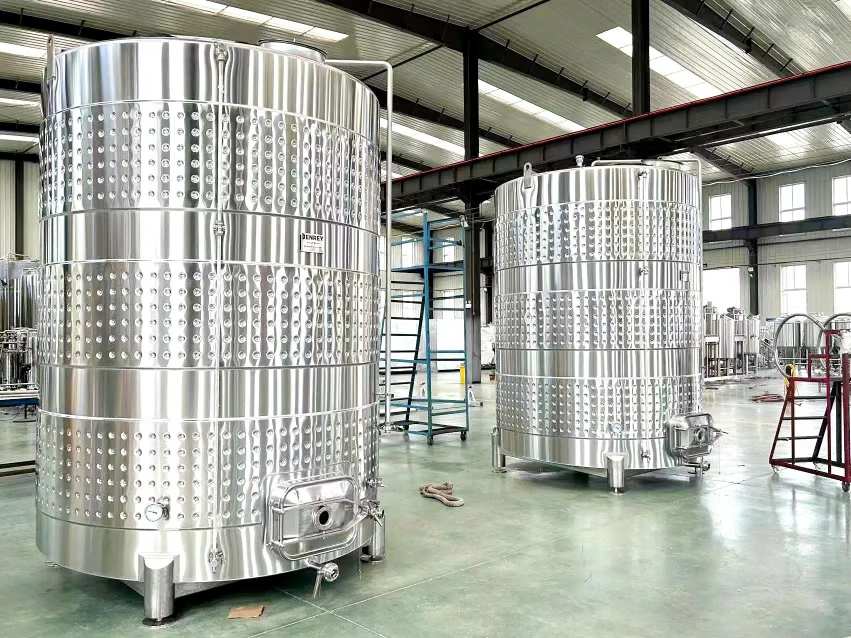
Proper tank preparation is essential for preventing contamination, protecting wine quality, and creating the right conditions for a controlled fermentation.
Tank Cleaning and Sanitization
Stainless steel wine tanks are widely used because their smooth, non-porous surfaces resist residue buildup and make sanitation easier. However, proper cleaning is still required to remove grape solids, proteins, tartrate deposits, and potential spoilage microorganisms.
A standard three-step cleaning and sanitation process includes:
- Alkaline cleaning: Use a warm caustic solution to break down organic residues such as grape pulp, proteins, and tartrate deposits.
- Acid rinsing: Apply an acid solution (such as citric acid) to remove mineral deposits and neutralize alkaline residues.
- Final sanitization: Use food-grade sanitizers such as peracetic acid before filling the tank to reduce bacteria and unwanted yeast contamination.
High-quality stainless steel wine tanks from experienced manufacturers like Chenma feature polished interiors and hygienic designs that minimize residue buildup and simplify routine cleaning.
Must Pre-Chilling Before Fermentation
Temperature control before yeast inoculation is especially important for white wines and aromatic grape varieties.
Chilling clarified must to 50–58°F (10–14°C) before fermentation helps preserve delicate fruit aromas and prevents uncontrolled microbial activity during the early fermentation stage.
Stainless steel tanks equipped with dimple cooling jackets use circulating glycol to provide fast, even temperature reduction, helping winemakers maintain consistent fermentation conditions during high-volume harvest periods.
Headspace Protection with Inert Gas
Oxygen exposure can accelerate oxidation and negatively affect wine aroma, color, and freshness. Preparing inert gas protection before filling helps reduce contact between wine and air.
Common gas options include:
- Argon: Heavier than air, it settles on the wine surface and provides targeted protection for smaller headspace areas.
- Nitrogen: Commonly used for tank purging because it effectively displaces oxygen from larger headspace volumes.
For flexible storage volumes, variable-capacity stainless steel wine tanks with floating lids and inflatable seals provide additional oxygen protection by minimizing exposed headspace as wine levels change.
Managing Fermentation in Stainless Steel Tanks
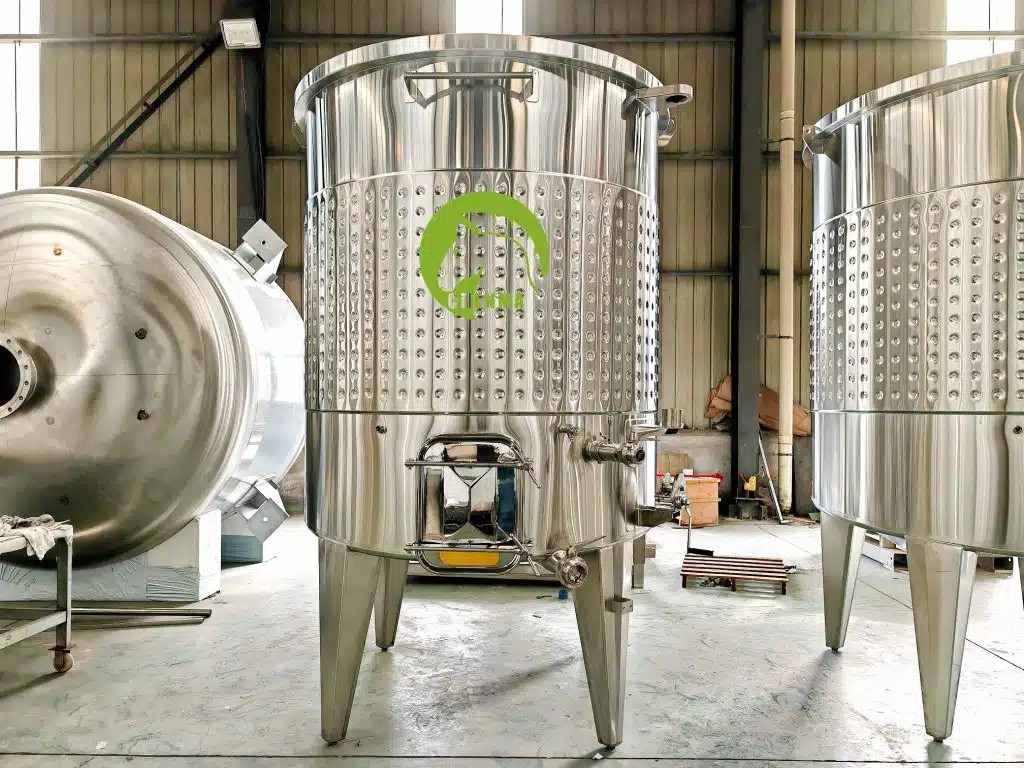
Once the fermentation tank is prepared and the must reaches the correct temperature, careful fermentation management is essential for controlling yeast activity, preserving aromas, and achieving consistent wine quality.
Yeast Inoculation and Nutrient Management
After reaching the target fermentation temperature, add rehydrated active dry yeast according to the supplier’s recommended procedure. Proper yeast nutrition is also important, especially during high-sugar fermentations.
Winemakers commonly supplement with diammonium phosphate (DAP) and organic yeast nutrients at specific stages of sugar conversion to maintain healthy yeast performance.
Nutrient-deficient or stressed yeast can produce unwanted compounds such as hydrogen sulfide (H₂S), which may create off-odors. Maintaining balanced nutrient levels helps support clean fermentation and preserve the natural fruit character of the wine.
Temperature Control with Cooling Jackets
Wine fermentation is an exothermic process, meaning yeast generates heat as it converts sugar into alcohol. Without proper temperature control, excessive heat can slow yeast activity, reduce aroma retention, and negatively affect wine quality.
Modern stainless steel fermentation tanks often use integrated glycol cooling jackets to regulate fermentation temperature. Chilled glycol circulates through the tank jacket, while temperature sensors continuously monitor conditions and adjust cooling output automatically.
Typical fermentation temperature ranges include:
| Wine Style | Temperature Range | Primary Benefit |
|---|---|---|
| White wine (general) | 53–72°F (12–22°C) | Balances aroma preservation and fermentation speed |
| Aromatic white varieties | 53–61°F (12–16°C) | Preserves floral and citrus aromas |
| Light-bodied red wine | 70–80°F (21–27°C) | Maintains fresh fruit character |
| Full-bodied red wine | 78–90°F (25–32°C) | Enhances color and tannin extraction |
For delicate aromatic varieties, some wineries use lower fermentation temperatures around 54–55°F (12–13°C) to maximize retention of primary fruit aromas.
Red Wine Cap Management
During red wine fermentation, carbon dioxide naturally pushes grape skins upward, forming a solid layer known as the cap. Managing this cap is essential for extracting color, tannins, and flavor compounds from the grape skins.
Stainless steel wine tanks support two common cap management methods:
- Pump-over: Fermented juice is drawn from the bottom valve and circulated over the top of the cap. Closed stainless steel pump-over systems provide efficient extraction with improved hygiene and scalability for larger production volumes.
- Punch-down: The cap is manually pushed back into the fermenting juice. This method is commonly used for small-batch production or open-top stainless steel tanks where hands-on control is preferred.
Protecting White Wine Freshness and Aroma
Stainless steel tanks are widely used for white wine fermentation because the material is neutral, durable, and does not introduce unwanted flavors into the wine.
To preserve delicate aromas and fresh acidity:
- Maintain cooler fermentation temperatures for aromatic varieties such as Sauvignon Blanc and Riesling.
- Minimize oxygen exposure by keeping tanks properly filled and using inert gas protection.
- Use closed transfer systems during racking to reduce oxidation risks.
With precise temperature control and proper oxygen management, stainless steel fermentation tanks help winemakers produce clean, fresh wines with consistent quality.
Post-Fermentation Handling in Stainless Steel Wine Tanks
After primary fermentation is complete, proper post-fermentation handling helps stabilize the wine, improve clarity, and prepare it for aging or bottling. Stainless steel wine tanks provide a controlled, oxygen-limited environment throughout these finishing stages.
Racking and Lees Management
After fermentation, dead yeast cells and grape solids (known as gross lees) settle at the bottom of the tank. The clear wine is then transferred away from the sediment through racking to improve clarity and reduce unwanted flavors.
For wines requiring lees aging or bâtonnage, fine lees can be retained and stirred periodically. Controlled lees contact can enhance texture, add creaminess, and improve mid-palate complexity.
Cold Stabilization
Wine naturally contains tartaric acid, which can form potassium bitartrate crystals when exposed to low temperatures. Cold stabilization helps prevent these crystals from appearing after bottling.
A typical process includes:
- Cooling the wine: Lower the wine temperature to approximately 26–32°F (-3–0°C) using the tank’s glycol cooling jacket.
- Holding temperature: Maintain cold conditions for 1–2 weeks to encourage tartrate precipitation.
- Final separation: Allow crystals to settle, then rack the stabilized wine away from the sediment.
Stainless steel tanks with precise temperature control make cold stabilization more consistent and easier to manage.
Sealed Storage and Wine Aging
For short- to medium-term storage before bottling, wine is typically kept in fully sealed stainless steel tanks with minimal oxygen exposure.
Best practices include:
- Keeping tanks full to reduce exposed headspace.
- Using argon or nitrogen gas blanketing when necessary.
- Regularly checking seals and pressure conditions to maintain protection.
Because stainless steel is neutral and non-reactive, it preserves the wine’s original aromas and flavors without adding characteristics from materials such as oak.
FAQ
Why do winemakers use stainless steel tanks for fermentation?
Stainless steel preserves pure fruit character and bright natural acidity without adding wood flavors. The material supports precise temperature control, is easy to sanitize, and provides an excellent oxygen barrier when properly sealed, making it ideal for fresh, fruit-forward wine styles.
How do cooling jackets control fermentation temperature?
Double-walled cooling jackets circulate chilled glycol fluid through the tank’s outer wall. Integrated temperature sensors monitor wine temperature in real time, and a control panel adjusts glycol flow to remove excess fermentation heat automatically. This allows winemakers to hold precise temperature setpoints throughout the entire fermentation cycle.
How does a variable-capacity wine tank prevent oxidation?
Variable-capacity tanks use a floating lid with an inflatable rubber gasket that seals directly against the tank interior wall. As wine volume decreases, the lid drops, eliminating empty headspace entirely. Combined with inert gas blanketing, this almost completely eliminates oxygen exposure.
What stainless steel grade is best for wine fermentation tanks?
For general winery use and low-acid wines, AISI 304 is fully sufficient and more cost-effective. For high-acid wines, coastal facilities with salt air exposure, or operations using harsh cleaning chemicals, upgrade to AISI 316L for superior corrosion resistance.
Final Thoughts
Stainless steel tanks are a versatile, reliable workhorse for modern winemaking, offering unparalleled control over fermentation temperature and wine purity. When paired with proper sanitation, disciplined temperature management, and inert gas protection, they produce clean, fruit-driven wines with consistent quality batch after batch.
For long-term value, invest in food-grade 316L tanks with integrated cooling jackets and select a configuration — variable-capacity or conical — that matches your batch sizes and wine styles.