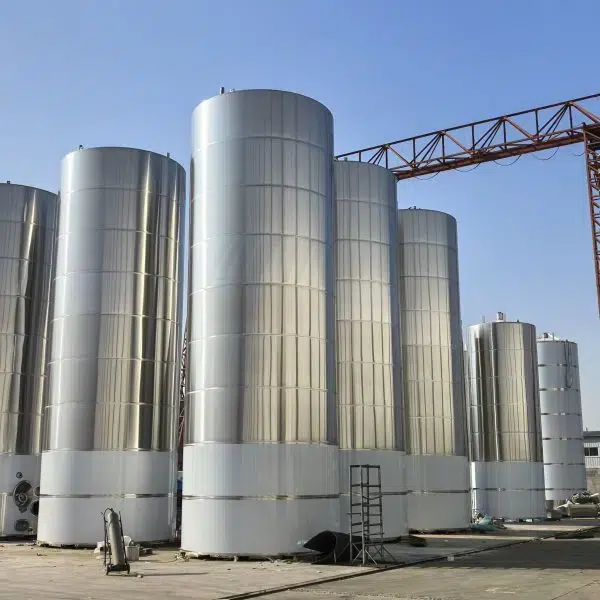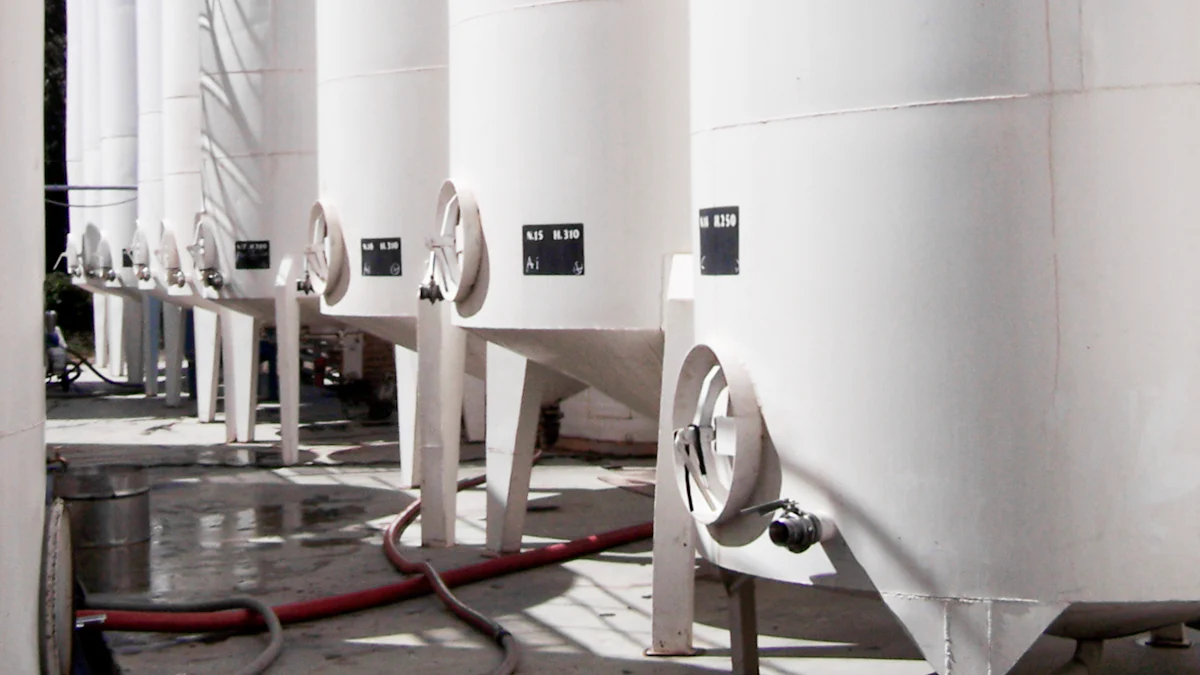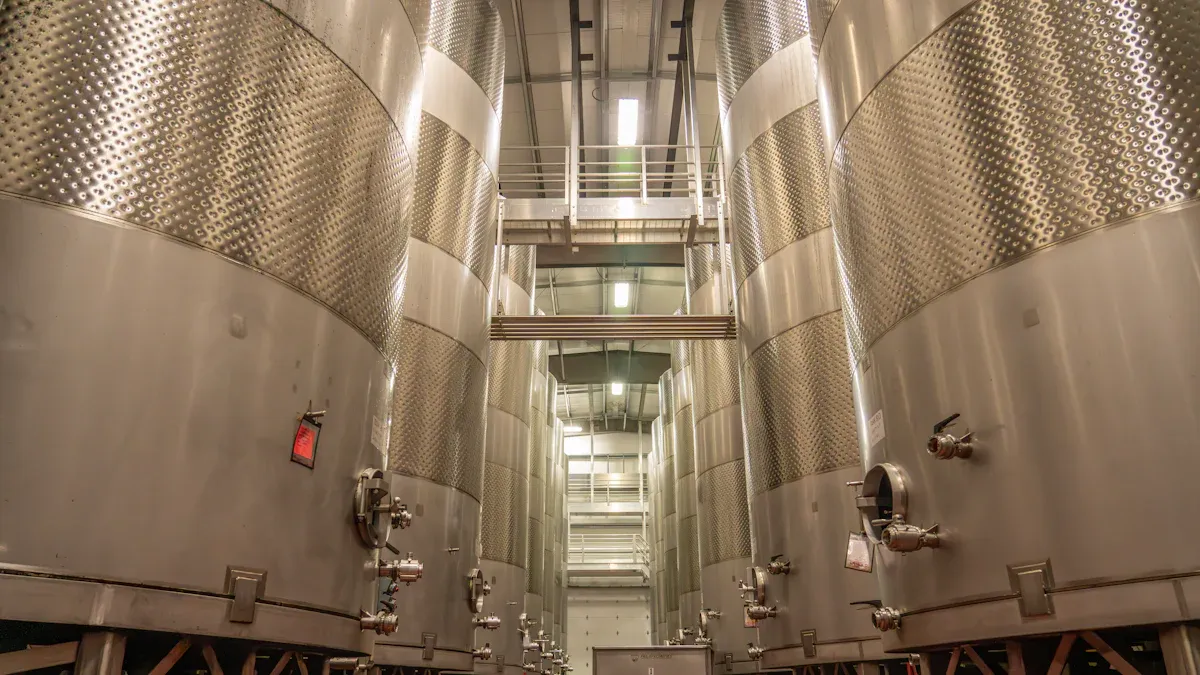

Food-grade stainless steel (304 or 316 grade) is widely considered one of the safest options for long-term water storage. It is non-toxic, corrosion-resistant, and does not leach harmful chemicals into drinking water, making it suitable for both daily use and emergency storage.
Choosing the right water storage container plays an important role in maintaining water quality and protecting long-term health. This article explores the most common water storage materials, explains why stainless steel is widely preferred, and provides practical guidance for safe and reliable water storage.
Key Takeaways
- Food-grade 304 and 316 stainless steel are the safest materials for long-term water storage
- Stainless steel does not leach harmful chemicals, resist corrosion, and prevents bacterial growth
- Avoid PVC, LDPE and non-food-grade plastics for long-term storage
- Look for FDA-approved and food-grade certified containers
- Clean and rotate stored water every 6 months for emergency use
Why Stainless Steel Is the Healthiest Choice

Non-Toxic and Chemical-Free
Food-grade stainless steel is an inert material, meaning it does not react with water or leach harmful chemicals. A 2010 study by the Finnish government confirmed that even with prolonged storage or exposure to heat, stainless steel releases negligible amounts of metals into water:
- Nickel leaching: <0.1% of safe daily intake limits
- Chromium leaching: Undetectable in most conditions
Unlike plastic containers, stainless steel contains no BPA, phthalates, or other endocrine-disrupting chemicals. It also does not absorb odors or flavors, keeping water tasting fresh and pure.
Corrosion Resistance and Durability
Stainless steel contains at least 10.5% chromium, which forms a thin, protective oxide layer on the surface. This passive layer prevents rust and corrosion, and it self-repairs if scratched.
With proper maintenance, stainless steel water tanks can last 30-100 years, far longer than plastic or glass containers. They are also resistant to impact, UV damage, and extreme temperatures.
Hygienic and Easy to Clean
The smooth, non-porous surface of stainless steel prevents bacteria, mold and algae from adhering and growing. This makes it much easier to clean than plastic, which can develop scratches that harbor bacteria over time.
Stainless steel also maintains a neutral pH balance in water, unlike some plastics which can make water more acidic over time.
| Material | Effect on Water pH | Leaching Risk | Bacterial Growth Potential |
|---|---|---|---|
| Stainless Steel | Neutral | Very low | Low |
| Plastic | May become acidic | High | High |
| Glass | Neutral | Very low | Low |
| Ceramic | Neutral | Low | Medium |
Comparing Stainless Steel to Other Materials
Stainless Steel vs Plastic
Plastic containers are lightweight and affordable, but they pose significant health risks for long-term water storage:
- Even BPA-free plastics can leach other harmful chemicals, especially when exposed to heat or sunlight
- Plastic scratches easily, creating hiding places for bacteria
- Plastic breaks down over time, releasing microplastics into water
Stainless steel is a much safer and more durable alternative. While it has a higher upfront cost, it lasts decades longer and produces less waste.
Stainless Steel vs Glass
Glass is non-toxic and does not leach chemicals, but it has several major drawbacks:
- Extremely fragile and prone to breaking
- Heavy and difficult to transport
- Not suitable for emergency use or outdoor activities
Stainless steel offers the same chemical safety as glass but with much greater durability and portability.
Materials to Avoid
Never use these materials for long-term water storage:
- PVC and LDPE plastics: Leach harmful chemicals including phthalates
- Regular steel and aluminum: Rust easily and can react with water
- Unlined copper and brass: Can leach heavy metals into water
How to Choose a Safe Stainless Steel Water Storage Container

Look for Proper Certifications
Always choose containers that are:
- FDA-approved: Meets U.S. food contact safety standards
- Food-grade certified: Made from materials safe for food and water
- BPA-free: Free from bisphenol A and other harmful chemicals
Reputable water storage container manufacturers will also have ISO 9001, CE and RoHS certifications, ensuring consistent quality and safety.
Choose the Right Grade of Stainless Steel
- 304 stainless steel: The most common and affordable grade, suitable for most residential water storage applications
- 316 stainless steel: More corrosion-resistant, ideal for storing saltwater, acidic water, or for use in coastal areas
Select the Appropriate Size
The size of your water storage tank depends on your needs:
- Daily use: 5-50 gallon containers
- Emergency preparedness: 1 gallon per person per day for at least 2 weeks
- Whole-home storage: 1,500-2,000 gallon tank for a family of four
Cleaning and Maintenance Tips
Proper cleaning and maintenance will keep your stainless steel container safe and extend its lifespan:
- Clean your container every 3-6 months with mild soap and warm water
- For tough stains or mineral deposits, use white vinegar or baking soda
- Rinse thoroughly and air dry completely before refilling
- Inspect regularly for signs of corrosion or damage
- Rotate emergency stored water every 6 months
Conclusion
Food-grade stainless steel is widely considered one of the safest and most reliable materials for long-term water storage. It provides excellent durability, hygiene, and corrosion resistance compared to common alternatives such as plastic and glass.
For food-grade stainless steel water storage tanks, CHENMA offers solutions made from high-quality 304 and 316 stainless steel, designed for long-term performance and safe water storage. Our tanks are built to meet international safety requirements and support reliable use in both residential and industrial applications. Contact us to learn more about our stainless steel water storage solutions.
FAQ
Does stainless steel leach heavy metals into water?
No, food-grade stainless steel leaches negligible amounts of metals that are well below safe limits set by health authorities. The protective oxide layer prevents significant metal transfer into water.
Can I store hot water in stainless steel containers?
Yes, stainless steel can safely store both hot and cold water. It maintains its strength and does not leach chemicals even at high temperatures.
How often should I change water in emergency storage?
You should rotate stored water every 6 months to ensure it remains fresh and safe to drink. Always clean the container thoroughly before refilling.
Are glass containers safe for water storage?
Yes, glass is non-toxic and safe for water storage. However, it is fragile and not recommended for emergency use or outdoor activities.
What is the best way to purify stored water?
The most effective methods for purifying water are boiling, using a certified water filter, or adding chlorine dioxide tablets.