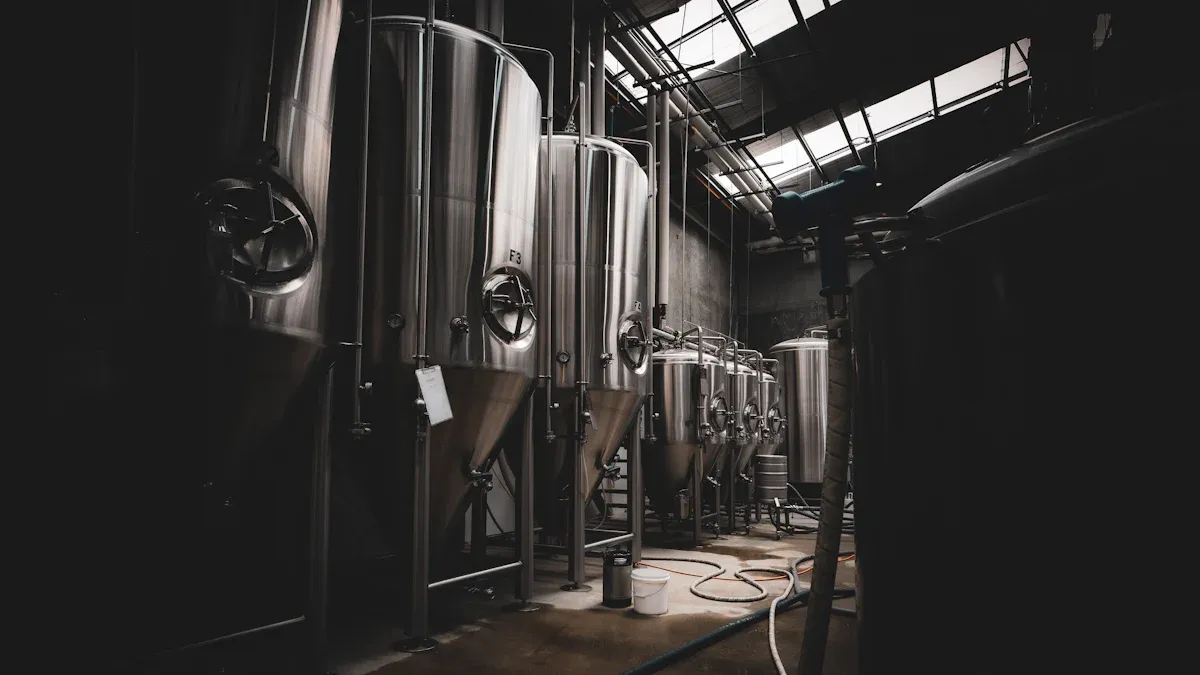
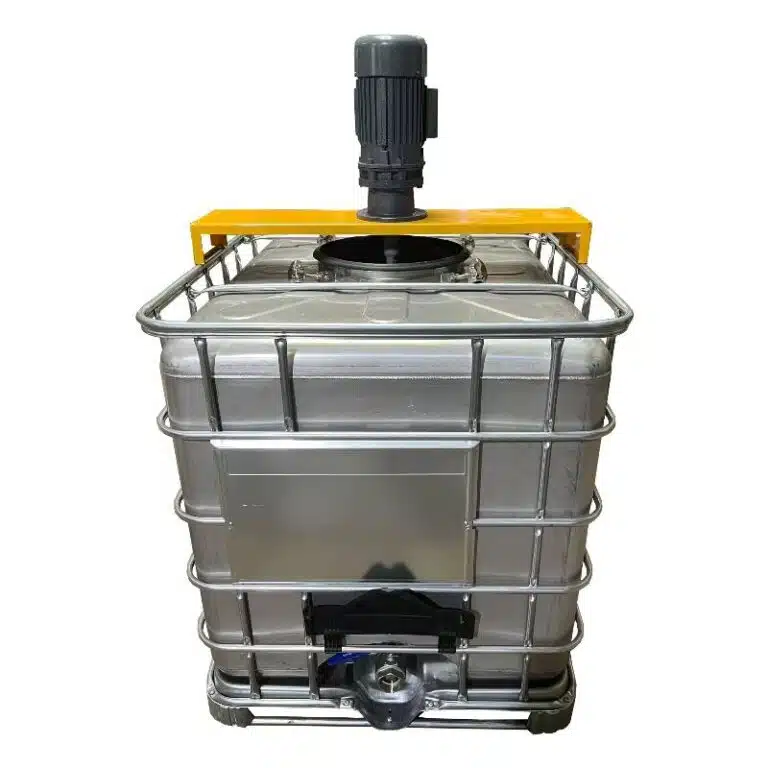
IBC totes use stainless steel or carbon steel. The metal you pick changes how well the IBC works. It matters in different places and jobs. In 2023, about 67.21% of metal IBCs used stainless steel. This shows most people like stainless steel. Stainless IBCs fight chemicals well. They have surfaces that fix themselves. This keeps them strong and stops rust. Carbon steel IBCs cost less money. They also fight rust well. This makes them good for many chemicals. Both types keep things safe and last a long time. They work even when things get hard.
Key Takeaways
- IBC totes are made from stainless steel or carbon steel. Choose based on your storage needs.
- Stainless steel IBCs resist rust and are great for food and chemicals. They last longer and are easier to clean.
- Carbon steel IBCs are cheaper and strong but need coatings to prevent rust. They work well for oils and mild chemicals.
- Always check for safety certifications like FDA and UN/DOT before using an IBC tote for food or chemicals.
- Consider the environment and regulations when selecting an IBC tote. This ensures safety and compliance.
Main Metals in IBC Totes
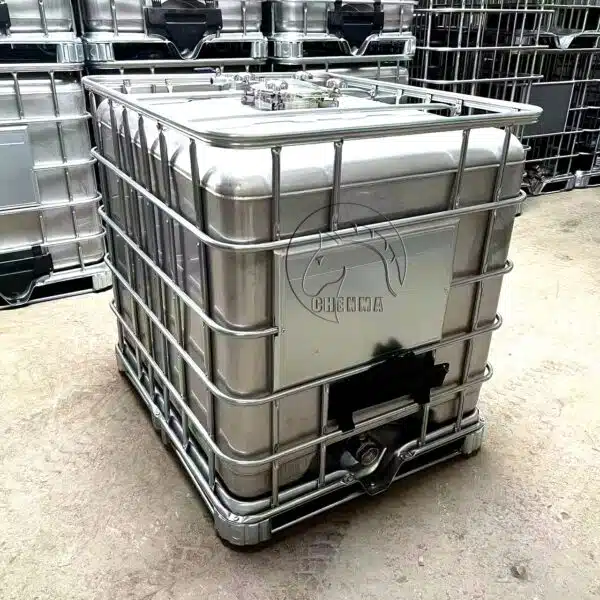
IBC totes are made from two metals. These metals are stainless steel and carbon steel. Each metal makes the tote strong in different ways. The metal you pick changes how the IBC works in different jobs.
- Stainless Steel
- Carbon Steel
Stainless Steel IBC Totes
Stainless steel IBC totes are tough and fight rust well. Makers use grades 304 and 316 for these totes. Grade 304 has 18% chromium and 8% nickel. It can handle many acids. It is good for food, water, and mild chemicals. Grade 316 has 2% molybdenum. This helps it fight harsh chemicals and salty places. Grade 316 is best for medicine, seawater, and strong chemicals.
| Stainless Steel Grade | Composition | Corrosion Resistance | Typical Applications |
|---|---|---|---|
| 304 (A2 Stainless) | 18% chromium, 8% nickel | Good at fighting acids and chemicals | Food, water, mild chemicals |
| 316 (A4 Stainless) | 16% chromium, 10% nickel, 2% molybdenum | Great at fighting salt and strong acids | Medicine, seawater, strong chemicals |
Grade 316 is best for tough or salty places. Molybdenum helps stop rust spots. Grade 304 costs less and works for jobs that need less protection.
Many businesses use stainless steel IBC totes. They need containers that are strong, safe, and clean.
Carbon Steel IBC Totes
Carbon steel IBC totes are strong and cost less. Carbon steel is easy to make and fix. It gives the tote good strength. This makes it popular for moving and storing big loads.
| Advantages | Disadvantages |
|---|---|
| Cost-efficiency: Cheap and easy to get in large amounts. | Corrosion Susceptibility: Needs coatings to stop rust. |
| Mechanical Strength: Strong for moving and handling. | Limited Chemical Compatibility: Not good for strong chemicals. |
| Manufacturability: Easy to make and fix. |
Carbon steel IBC totes are best for chemicals that are not very strong. They often have coatings to help stop rust. Many companies use carbon steel IBCs for oils, lubricants, and some chemicals. These totes are common where strong containers are needed but not the best rust protection.
Carbon steel IBCs give a good mix of price and strength. They are easy to use and fix. But they do not fight rust as well as stainless steel.
Note: Check if your contents need extra rust protection before picking a carbon steel IBC tote.
Stainless Steel vs. Carbon Steel IBC Totes
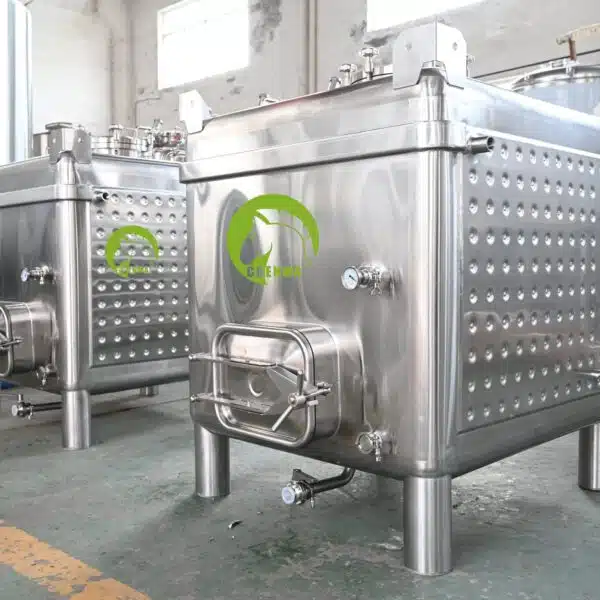
Durability and Corrosion Resistance
Stainless steel and carbon steel IBCs are different in how strong they are and how well they fight rust. Stainless steel IBC tanks use alloys like 304 or 316. These alloys help stop rust and chemical harm. Carbon steel IBCs are strong but need coatings to keep rust away. In wet places, carbon steel can rust if not coated. Stainless steel IBCs stay strong in hard conditions and last longer.
| Material | Corrosion Resistance | Key Properties | Applications |
|---|---|---|---|
| Carbon Steel | Low | High structural strength, needs protection from rust | Oils, solvents, lubricants, paints, hazardous materials |
| Stainless Steel | High | Excellent corrosion resistance, non-reactive, durable | Chemicals, food, pharmaceuticals, flammable substances |
Stainless steel is tougher and fights rust better than carbon steel. Many people pick stainless steel for chemical and food IBCs. Carbon steel IBCs are good for oils and mild chemicals.
Safety and Compliance
Safety and rules are important for every IBC tote. Both stainless and carbon steel IBCs must follow strict standards. These include ASME U-Stamp, UN/DOT, and EPA rules. Stainless steel IBCs for food must meet FDA and EU food contact rules. They also pass tests like pressure, drop, and stack tests. Carbon steel IBCs often carry dangerous materials and need UN/DOT approval. Both types keep things safe when moving and storing.
Tip: Always check for certifications before using any IBC for food or chemicals.
Cost and Maintenance
Cost and care are not the same for these metals. Carbon steel IBCs cost less to buy. They need more care to stop rust, especially in wet places. Stainless steel IBCs cost more at first but need less care. With regular cleaning, stainless steel IBCs can last 10 to 15 years. Carbon steel IBCs last about 10 years if cared for well. Over time, stainless steel IBCs save money because they last longer and need fewer repairs.
- Stainless steel IBCs need cleaning and checks to stay in good shape.
- Carbon steel IBCs need more frequent care to prevent rust and wear.
Pick the right IBC material based on what you store, where you use it, and how much care you want to give.
How to Select the Right IBC Tote
Application-Based Recommendations
Pick an ibc based on what you want to store. Stainless steel ibc totes are good for harsh chemicals, food, medicine, and flammable things. These stainless steel totes do not rust or break easily. They keep sensitive materials safe. Carbon steel ibc totes are strong and cost less. Many companies use them for oils, solvents, and dangerous materials. Food grade ibc totes must follow strict rules. Food grade ibcs made from stainless steel or approved plastics keep food clean and safe. For storing food and drinks, food grade ibc totes or food grade ibc bulk containers are best.
Factors to Consider
You need to think about a few things before picking an ibc. The table below shows what matters most when storing dangerous materials:
| Factor | Description |
|---|---|
| Chemical Compatibility | The ibc material must match the chemical to stop leaks or damage. |
| Size and Capacity | Choose the right size for safe storage and easy moving. |
| Environmental Factors | Pick materials that can handle sunlight, heat, and cold. |
| Regulatory Compliance | Make sure the ibc follows UN/DOT, EPA, and OSHA rules. |
| Ease of Handling | Pick a container that is simple and safe to move. |
Food grade ibcs must be FDA approved. Stainless steel ibc tanks and food grade ibc totes are used in food and drink businesses. Chemical ibcs must follow strict safety rules. Always check for certifications before buying.
FAQ
What is the main difference between stainless steel and carbon steel IBC totes?
Stainless steel IBC totes resist corrosion better. Carbon steel IBC totes offer lower cost and strong structure. Stainless steel works best for food and chemicals. Carbon steel suits oils and industrial materials.
Are stainless steel IBC totes safe for food storage?
Yes. Stainless steel IBC totes meet FDA standards. They keep food clean and safe. Many food and beverage companies use them for storage and transport.
How long do metal IBC totes last?
Most stainless steel IBC totes last 10 to 15 years. Carbon steel IBC totes last about 10 years with proper care. Regular cleaning and maintenance help extend their lifespan.
Can I use carbon steel IBC totes for chemicals?
Carbon steel IBC totes handle mild chemicals well. They need coatings to prevent rust. Strong acids or corrosive chemicals require stainless steel IBC totes.
What certifications should I check before buying an IBC tote?
Always check for UN/DOT, FDA, and EPA certifications. These ensure the tote meets safety and quality standards for storage and transport.