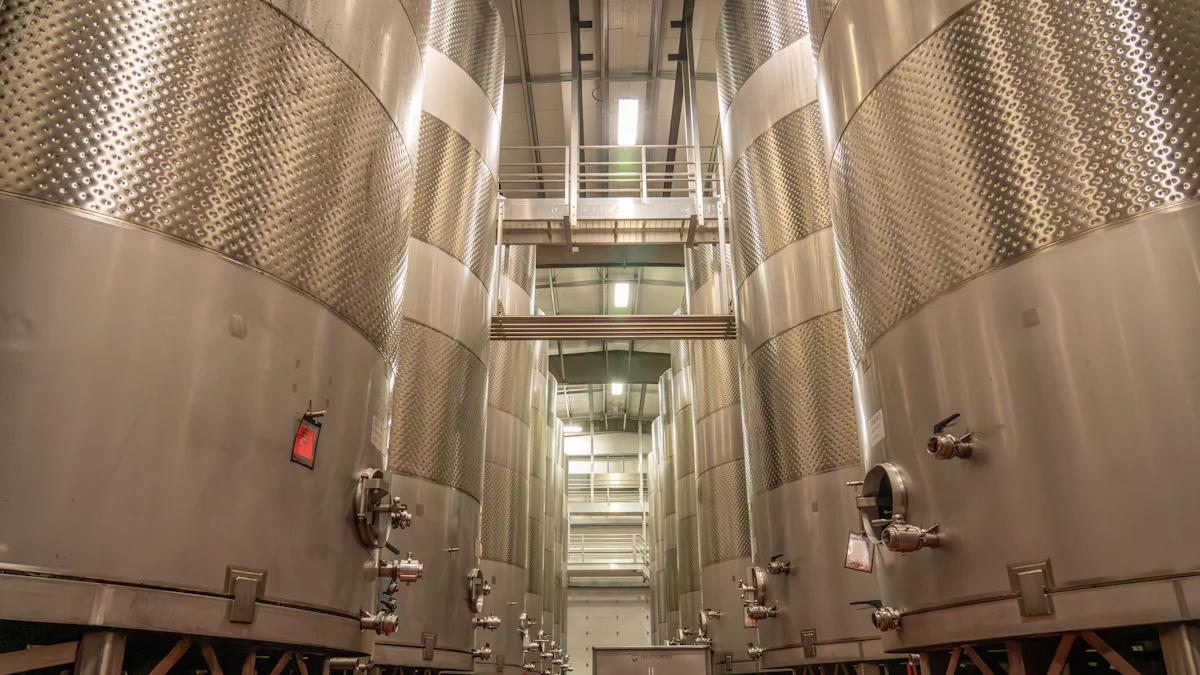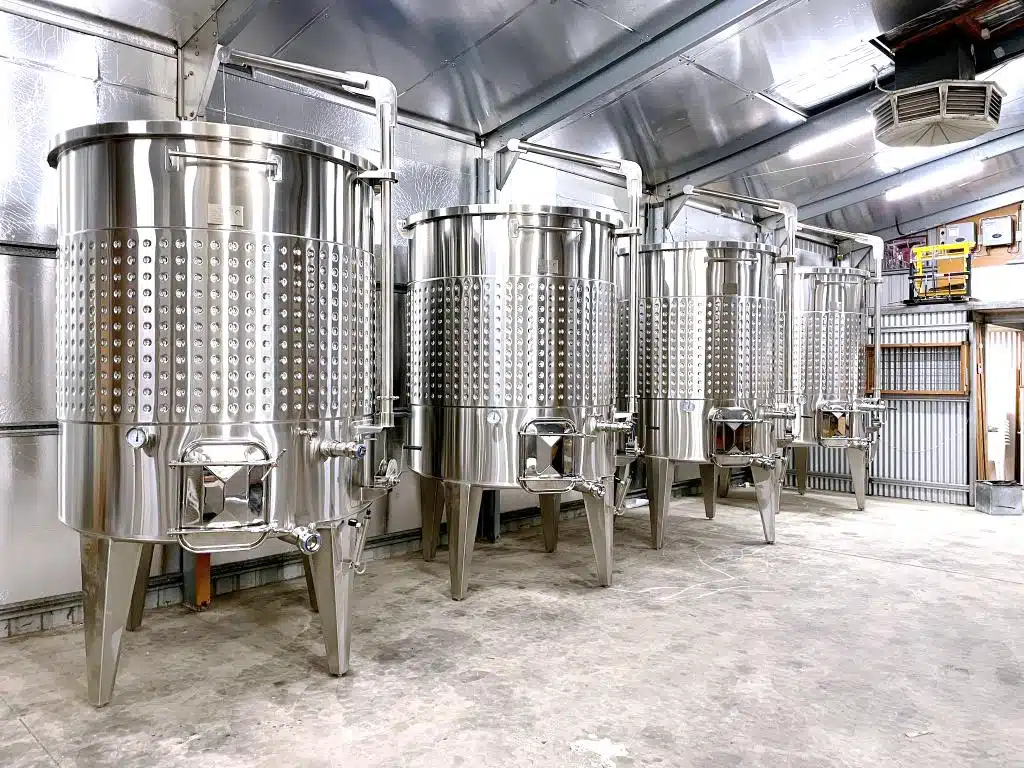

The average lifespan of an IBC container is five to ten years. CHENMA IBC containers are made of stainless steel, making them more durable than plastic containers. Regular inspection and maintenance of the containers help extend their lifespan. The U.S. Occupational Safety and Health Administration (OSHA) mandates that chemicals must be stored and handled safely. Therefore, understanding the lifespan of containers is crucial. Businesses reduce risk by adhering to safety regulations and regularly inspecting their containers.
Key Takeaways
- IBC tanks typically last five to ten years. Proper maintenance can significantly extend their lifespan. Stainless steel containers (such as CHENMA products) are more robust and durable than plastic containers. With proper maintenance, they can last 20 to 30 years. You need to regularly inspect and clean the containers, which helps prevent leaks and ensures personnel safety. Always inspect the container before each use. Store the container in a dry, cool place to protect it from harsh weather and damage. Follow the manufacturer’s IBC container maintenance and repair guidelines, which will help maximize the container’s lifespan.
IBC Tank Lifespan
Average Lifespan
IBC containers typically last five to ten years. Its lifespan depends on how people use and maintain it. Many factors affect the lifespan of an IBC (In-Battery Container) system, including its material, storage location, and frequency of use. A longer lifespan is possible with proper maintenance. Regular inspection, cleaning, and safe storage of IBCs help extend their lifespan.
Tip: If you take care of your tank, it might last longer than most.
The table below shows the main things that affect how long an ibc tank lasts:
| Factor | Description |
|---|---|
| Quality of Materials | Good stainless steel, like SS304 or SS316, does not rust and lasts longer. |
| Operating Conditions | Sun, water, and strong chemicals can make tanks wear out faster. |
| Maintenance Practices | Cleaning and checking tanks often keeps them in good shape. |
| Frequency of Use | Tanks used a lot may break sooner, but good care helps them last. |
Material Differences
The material of the tank has a significant impact on its lifespan. Stainless steel tanks (such as CHENMA products) are much stronger than plastic tanks. Stainless steel does not rust and can withstand harsh environments. Plastic storage tanks (such as those made of high-density polyethylene (HDPE)) have a lifespan of approximately five to seven years. They will deteriorate more quickly if exposed to direct sunlight or strong chemicals for extended periods. Stainless steel storage tanks can have a longer lifespan with proper maintenance.
CHENMA’s tanks are made of high-quality 304 or 316 stainless steel. This helps extend the tank’s lifespan and prevents rust. Stainless steel tanks are also easier to clean.
Manufacturer Advice
The manufacturer provides the following recommendations to help users extend the lifespan of their storage tanks:
- Clean the tank frequently to ensure liquid safety.
- Store the tank in a dry, well-ventilated area, avoiding direct sunlight and high temperatures.
- Handle the tank carefully and use appropriate tools.
- Repair any damage promptly and inspect the tank regularly.
- Choose a tank suitable for the type of liquid and operational needs.
Note: Doing these things helps tanks last longer and keeps work safe.
CHENMA is committed to creating IBC storage tanks that are easy to clean and maintain. The company also provides consulting and support to its customers. If you choose the right tank and maintain it properly, it will operate stably for a long time.
Life Expectancy of IBC tank: Key Factors

Environment Impact
The location where a storage tank is stored affects its lifespan. Tanks placed outdoors are exposed to rain, sunlight, and wind. These factors cause damage over time. Stainless steel tanks, such as those from CHENMA, are more resistant to rust and weathering than plastic tanks. Users should store tanks in a dry, cool place whenever possible to protect them from harsh weather.
Contents Stored
The items stored in the tank are also important. Some liquids, such as strong chemicals or acids, can corrode the tank walls. Food and water are less corrosive. CHENMA tanks are made of high-quality stainless steel, a material that can withstand the corrosion of a variety of liquids, ensuring the tank is safe to clean and extending its lifespan.
Usage Patterns
How a water tank is used will affect its lifespan. Frequent filling and emptying of the tank may cause it to wear out faster. Heavy loads or sudden changes in weight can also put stress on the tank. The table below shows how different usage methods affect the water tank:
| Key Considerations | Description |
|---|---|
| Frequency and magnitude of fill–draw cycles | These cycles impact the wear and tear on the tank, affecting its lifespan. |
| Variability in operating loads | Fluctuations in load can lead to stress on the tank materials. |
| Interaction with connected systems | How the tank interacts with other systems can influence its durability. |
CHENMA designs tanks to handle tough jobs. Their strong build helps them last, even with heavy use.
Maintenance
Proper maintenance helps extend the lifespan of storage tanks. Tanks should be cleaned regularly to prevent dirt buildup and damage. During routine inspections, check for cracks or leaks. Storing tanks in a safe location also helps prevent damage. Here are some important maintenance tips:
- Clean tanks regularly to prevent contamination.
- Inspect tanks for wear, cracks, or leaks.
- Store tanks under suitable conditions.
A well-maintained IBC tank can be used safely for many years.
Maximizing IBC Tank Life
Storage & Handling
Proper storage and handling of IBC tanks helps extend their service life. Workers should store tanks in a dry, cool place to protect them from harsh weather. When handling tanks, workers need to use appropriate tools. Forklifts should be kept aligned with the tank to prevent accidents. Here are some practical tips:
- Inspect the tank before use for any damage.
- Avoid direct sunlight and keep away from extremely high or low temperatures.
- Use appropriate tools to lift the tank; never drop it.
- Always follow the tank’s storage and handling rules.
Workers must keep the forklift and tank lined up. This helps stop holes and other damage when moving tanks.
Inspection & Cleaning
Regular inspection and cleaning of the tanks ensure their proper functioning. Personnel should check for leaks, cracks, or worn parts. Cleaning the tank after each use effectively prevents bacterial growth and ensures the safety of newly filled items. The table below lists important maintenance steps:
| Maintenance Operation | Description |
|---|---|
| Cleaning | Cleaning often keeps IBC tanks safe and strong. |
| Replacement of Closures | Changing closures stops leaks and meets safety rules. |
| Restoration of Structural Equipment | Fixing parts keeps the IBC working right and holding liquids safely. |
CHENMA tanks are easy to clean. They use stainless steel and have a big top opening. Some models have Clean-In-Place systems for fast cleaning.
Preventing Damage
Preventing damage is crucial for extending the lifespan of the tanks. Drops or impacts can cause leaks or spills. Personnel should move the tanks gently and avoid working on uneven ground. Safety is paramount when filling, storing, or moving the tanks.
IBC containers help collect spills in the event of an accident. Incorrect operation, such as improper use of forklifts, can lead to leaks or breakages. Adhering to safety rules ensures the safety of workers and the environment.
If companies use these tips, their tanks will stay safe and work well for many years.
When to Replace IBC Tanks

Wear Signs
Regularly inspecting containers helps you understand when they need to be replaced. Unsafe signs will appear on the container. The following table lists these signs and corresponding handling methods:
| Sign of Wear | Description | Recommended Action |
|---|---|---|
| Crazing | Small cracks on the surface | Watch the tank; plan to change it in 6-12 months |
| Deep Cracks or Fractures | Big cracks or broken spots | Stop using; get a new tank right away |
| Yellowing or Discoloration | Color changes, mostly in plastic tanks | Change the tank if it feels weak |
| Warping or Bulging | Tank shape is bent or bulging | Do not fill; find out why and think about changing it |
| Significant Cage Rust | Rust on the metal cage | Change the cage or stop using the tank |
| Pallet Damage or Instability | Broken or wobbly base | Fix or change the pallet if needed |
Tanks with these problems may be unsafe. Replacing the tank ensures the safety of personnel and products.
Safety Rules
Safety rules inform workers when to stop using IBC tanks. Never use tanks with large cracks, leaks, or a wobbly base. The Occupational Safety and Health Administration (OSHA) and other agencies require companies to comply with chemical safety regulations. Regular inspections of storage tanks help detect problems early. If a storage tank fails a safety inspection, stop using it immediately.
- Inspect the storage tank before each use.
- Remove any storage tanks that are leaking, cracked, or rusty.
- Comply with all company and legal safety regulations.
Recertification
Regulations require that storage tanks undergo regular testing and inspection. The following steps help ensure tank safety and compliance with standards:
- Check for leaks and inspect the exterior every 2.5 years.
- Inspect the interior and wall thickness every 5 years.
- After tank maintenance, conduct leak tests and inspect both the interior and exterior.
| Requirement Type | Frequency | Details |
|---|---|---|
| Internal pressure test | Every 30 months | Check for leaks and keep the pressure steady. |
| External visual inspection | Every 30 months | Look for damage, check labels, and look at equipment. |
| Internal inspection | Every 5 years | Clean inside, check the tank, and measure wall thickness. |
| Repair Requirements | As needed | Repairs must be like the original and pass all tests. |
| Retest date marking | After testing | Write the test date on the tank’s certification plate. |
CHENMA provides support to customers throughout the entire lifecycle of storage tanks. The company offers design assistance, engineering guidance, installation and commissioning, start-up support, and staff training. This support helps users operate the tanks safely and efficiently.
CHENMA’s stainless steel IBC tanks are durable and offer excellent rust and damage resistance. With proper maintenance, they can last 20-30 years or even longer. These tanks offer the following significant advantages:
- They will not rust or corrode by strong chemicals.
- They are less prone to leaks and breakage.
- Low maintenance costs in the long term.
Regular inspection and cleaning of the tanks ensures their safety, reliability, and compliance with operating specifications. The table below lists when a tank should be repaired or replaced:
| Action | Criteria |
|---|---|
| Repair | Small damage, tank is less than 10 years old, fixing costs less than half of a new one |
| Replace | Big damage, tank is older than 10 years, fixing costs a lot, or safety rules say so |
Tank makers give good tips to help people stay safe and keep tanks working well.
FAQ
How long is the service life of CHENMA stainless steel IBC tanks?
With proper maintenance, CHENMA stainless steel IBC tanks can last 20 to 30 years. Stainless steel’s rust-resistant and damage-resistant properties make it ideal for long-term use.
What liquids can CHENMA IBC tanks store?
Users can store water, oils, chemicals, and even food in CHENMA IBC tanks. The high-quality stainless steel material ensures the safety and cleanliness of the liquids.
How often should IBC tanks be inspected?
Experts recommend inspecting the IBC tank before each use. Regular inspections help detect leaks, cracks, or other damage early.
Can damaged IBC tanks be repaired?
If the tank is less than 10 years old and the repair cost is low, minor damage can be repaired. For severely damaged or old tanks, replacement is safer.
Why are CHENMA IBC tanks easy to clean?
CHENMA IBC tanks have a large opening at the top and a smooth stainless steel surface. Some models are equipped with an in-situ cleaning system, making cleaning quick and easy.