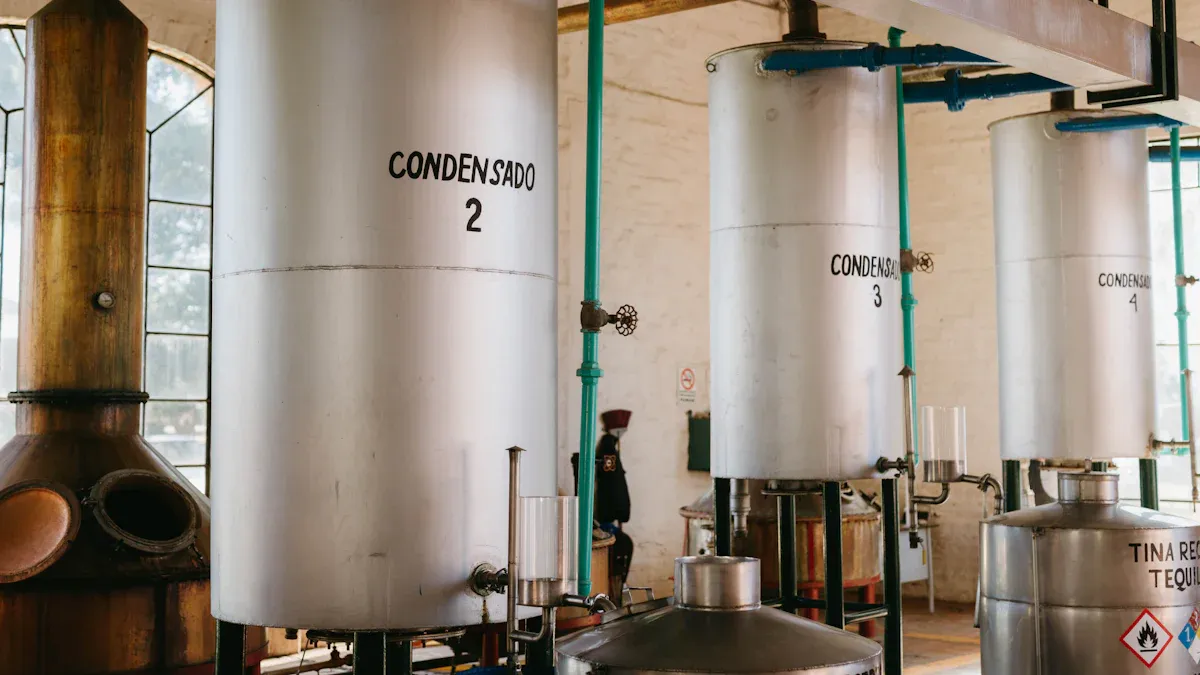
Glass carboys are the best container for making wine at home. They keep things clean and let you watch the fermentation process. Professional winemakers use a wine tank for bigger batches. Closed top and variable capacity tanks help control temperature. They also lower oxidation, which makes the wine better. Home and commercial winemakers pick containers based on their goals and space.
Key Takeaways
- Glass carboys are great for people making small amounts of wine. They keep the wine fresh. You can watch the wine ferment in them.
- Stainless steel tanks work best for bigger batches and for experts. They last a long time. They help control the temperature. They are easy to clean.
- Think about how much money you want to spend. Some containers cost less, like plastic buckets. Others cost more, like stainless steel tanks.
- Cleaning and taking care of containers is very important. Stainless steel is simple to clean. Glass carboys need extra care.
- The container you use changes how the wine tastes. Stainless steel keeps the flavor the same. Oak barrels give the wine new flavors, like vanilla.
Top Choice for Wine Fermentation
Why Glass Carboys Are Popular
Most people who make wine at home like to use glass carboys. These containers are great for making small amounts of wine, especially white wine. Many winemakers pick glass carboys because they keep air out. This helps the wine taste good and keeps its quality. The clear glass lets you see what is happening inside. You can notice changes fast.
- Glass carboys do not let much air in, so the wine stays fresh.
- They are simple to wash and take care of, which helps stop germs.
- If you treat them well, they can last for many years.
Tip: You can easily check how clear your wine is with a glass carboy. You do not have to open it.
But, glass carboys are not perfect. The table below shows some problems:
| Main Disadvantage | Impact on Wine Fermentation |
|---|---|
| Fragility | They can break and may not be safe |
| Heavy to handle | Hard to move, especially when full |
Even with these problems, many people still like glass carboys. They trust them to keep the wine’s taste pure.
When to Use Stainless Steel Wine Tanks
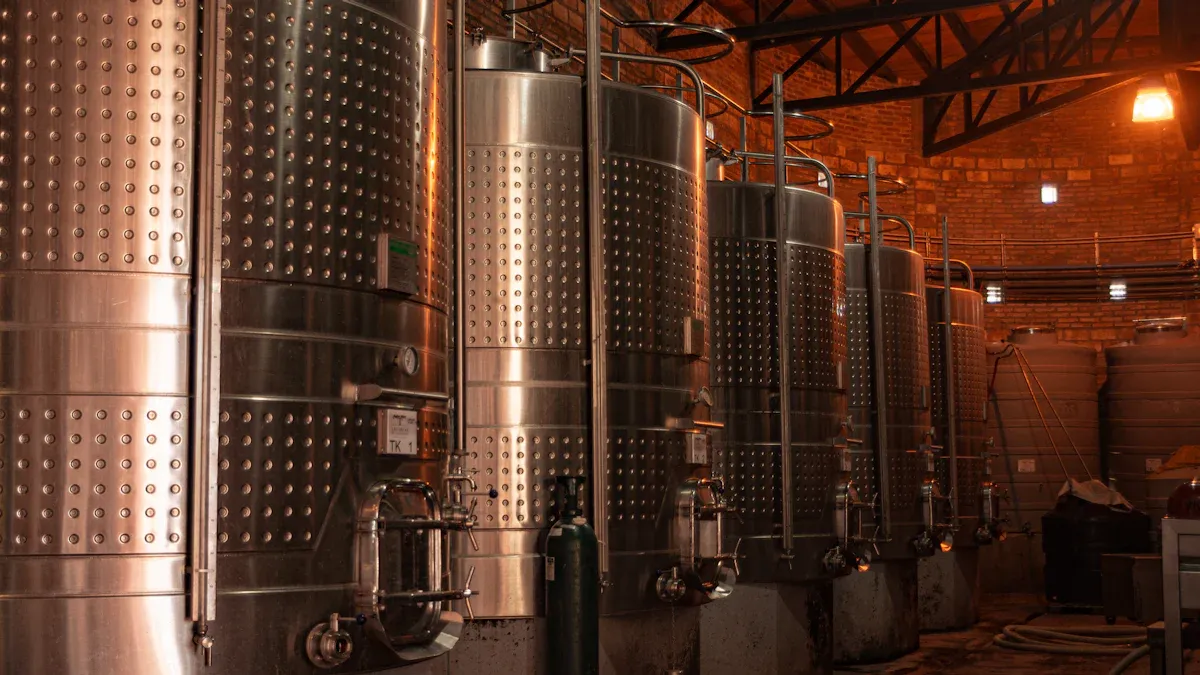
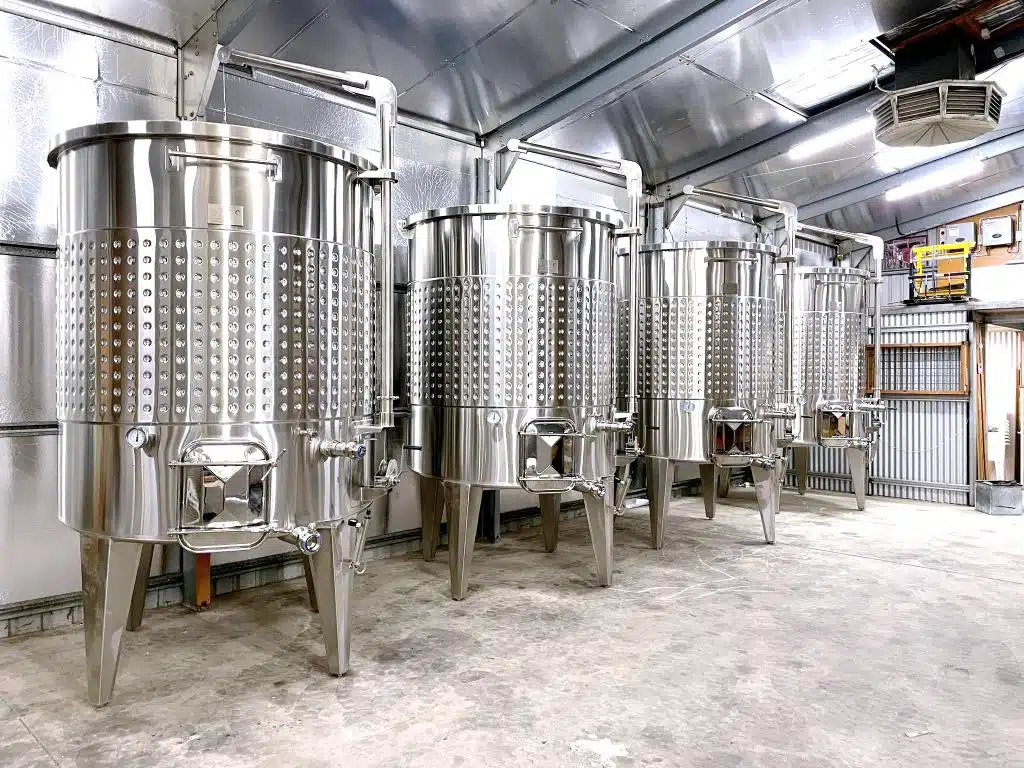
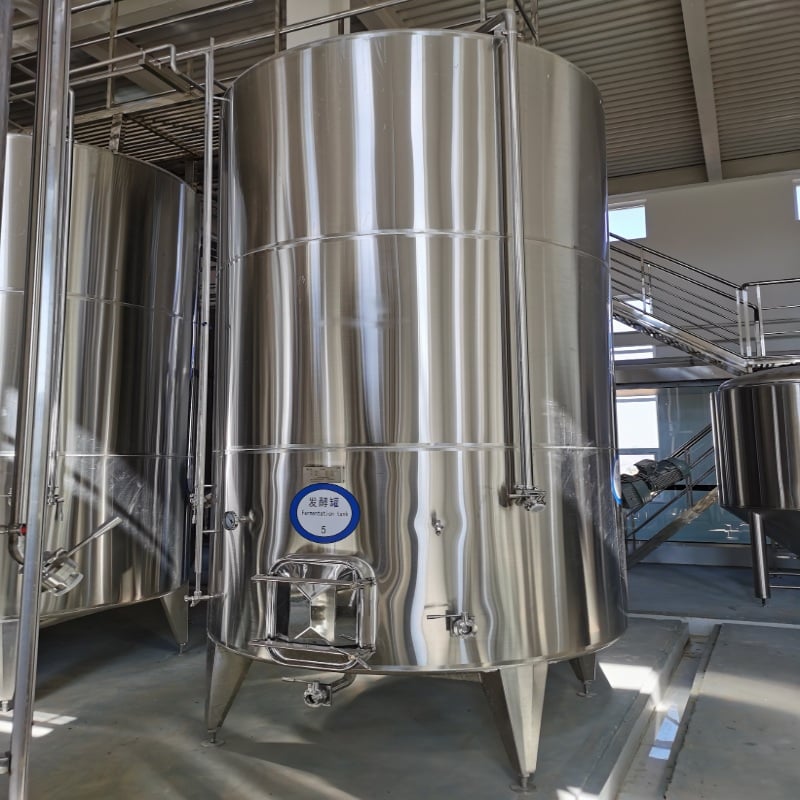
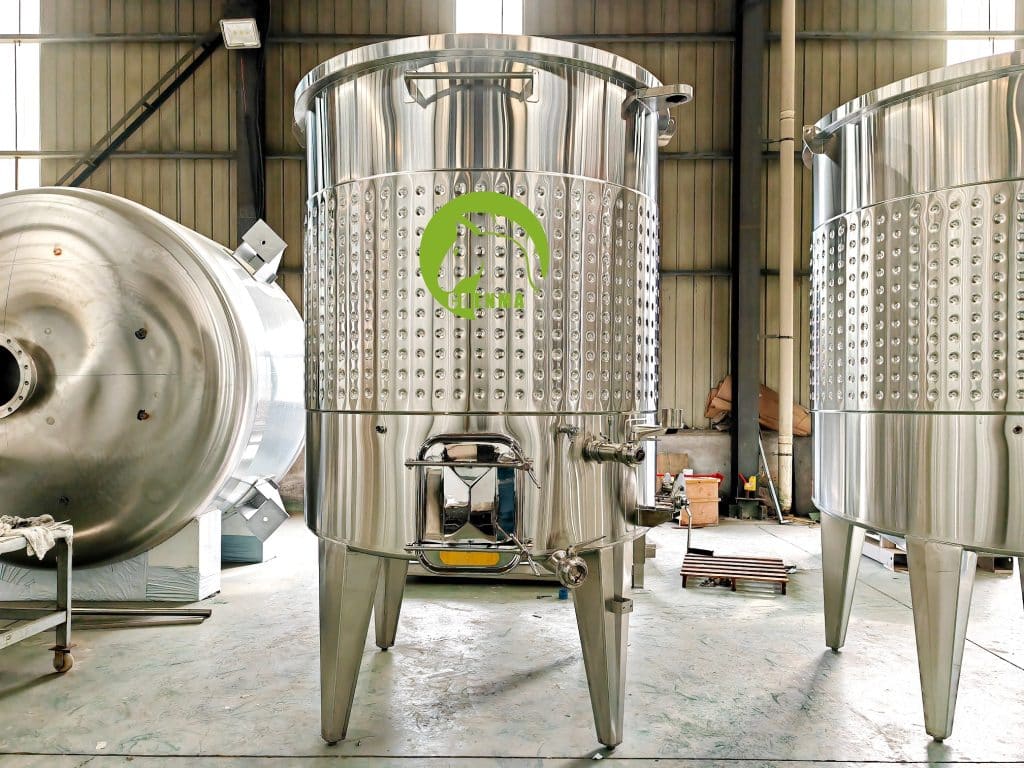
Stainless steel wine tanks are best for big batches or for people who make wine as a job. Companies like Shandong Chenma Machinery Co., Ltd. make these tanks for wineries and serious winemakers. Stainless steel tanks have many good things that help with making lots of wine:
| Feature | Description |
|---|---|
| Durability | Stainless steel does not rust from grape juice, so it lasts a long time. |
| Temperature Control | These tanks can heat or cool the wine to the right temperature. |
| Ease of Cleaning | The smooth inside is easy to clean and keeps things very clean. |
| Structural Stability | Strong tanks do not leak and can hold a lot of pressure. |
A stainless steel wine tank lets you control the way the wine ferments. This helps winemakers get the same results every time. Stainless steel tanks come in many sizes. Some are small, and some are huge for big wineries.
Glass vs. Stainless Steel
Picking between glass carboys and stainless steel tanks depends on what you want, how much wine you make, and how much money you have. The table below shows how they are different:
| Container Type | Key Features | Advantages | Disadvantages |
|---|---|---|---|
| Stainless Steel | Seals tight, does not rust, easy to clean, controls temperature | Keeps wine fresh, does not change taste, lasts long, good for big batches | Costs more at first, heavier than plastic |
| Glass Carboys | Does not react, you can see inside | Keeps flavors pure, easy to watch, good for small batches | Breaks easily, small size, no temperature control |
How much you spend also matters. The next table shows about how much each type costs:
| Material Type | Capacity Range | Average Price Range (2025) |
|---|---|---|
| Stainless Steel Tanks | 100L – 50,000L+ | $1,000 – $30,000+ |
| Oak Barrels | 225L – 600L | $300 – $1,200 per barrel |
| Concrete Tanks | 600L – 2,000L+ | $2,000 – $10,000+ |
| Plastic Tanks (HDPE) | 20L – 1,000L | $50 – $500 |
A glass carboy is best for small amounts of wine at home. A stainless steel wine tank is better for making a lot of wine or for businesses. Each type has its own good points. Winemakers should think about what they need and what they have before picking a container.
Comparing Fermentation Containers
Glass Carboys
Glass carboys are popular with people who make wine at home. The surface does not let smells or leftover stuff stick. This keeps the inside clean for making wine. You can see through the glass to watch what is happening. Cleaning them is harder because the opening is small. You need special brushes to clean inside. You must be careful so you do not drop or break them. Most glass carboys hold about 5 or 6 gallons. This size works well for small batches, but not for making lots of wine.
Stainless Steel Wine Tanks
Stainless steel wine tanks are used more now because they last a long time. They help you control the temperature very well. Some tanks have parts that heat or cool the wine. This helps you keep the right temperature. Stainless steel does not rust or change the taste of the wine. Cleaning these tanks is simple. They are strong and can hold big amounts of wine. But, buying one costs more money at first. Setting up a tank can be hard for people who make small batches.
- Stainless steel helps you keep the wine at the right temperature.
- It is strong and does not rust.
- Cleaning is easy and keeps things clean.
- The price is higher than other choices.
Plastic Buckets and Tubs
Plastic buckets and tubs are cheap and good for people just starting out. Most are made from food-safe plastic and hold 5 or 6 gallons. These containers are light and easy to wash because the top is wide. But, plastic can get scratched. Scratches can trap germs and hurt the wine. Plastic also lets in more air, so it is not good for storing wine for a long time.
- Always use food-safe plastic.
- Wash and dry the bucket before you put it away.
- Do not use plastic for aging wine.
Oak Barrels
Oak barrels give wine new flavors like vanilla and spice. They let a little air in, which makes the wine smoother. Oak barrels need to be cleaned often and cost more over time. You may need to buy new barrels or lose some wine from evaporation. Still, many people use oak barrels because they like the special taste.
- Oak barrels make the wine smell and taste better.
- You must clean and treat them often.
- They cost more the longer you use them.
Ceramic Vessels
Ceramic vessels do not add flavor, so the wine tastes natural. They let in a little air, which helps red wine keep its color. Ceramic pots are easier to clean than stainless steel. They do not hold on to old wine or smells. If you use oak chips, ceramic can give some of the same effects as oak barrels.
Pros and Cons Overview
| Type of Container | Advantages | Disadvantages |
|---|---|---|
| Stainless Steel Tanks | Does not rust, easy to clean, keeps wine cool or warm | Costs more at first, does not add new flavors |
| Oak Barrels | Adds new flavors, lets in air, makes wine smooth | Expensive, wine can evaporate, needs care |
| Plastic Tanks | Cheap, light, comes in many sizes | Scratches easily, lets in air, not for long-term use |
| Glass Carboys | Keeps flavors pure, easy to see inside, does not let smells stay | Breaks easily, heavy, holds less wine |
| Ceramic Vessels | Does not add flavor, easy to clean, lets in some air | Not used as much, can cost more |
Note: New data shows home winemakers pick stainless steel for fresh wine and oak barrels for more flavor. Each container has good and bad points. The best one depends on what you want and what you can spend.
Choosing a Wine Tank or Container
Batch Size and Space
How much wine you make is important when picking a container. People who make wine at home use glass carboys or plastic fermenters for small batches. These are simple to move and store. People who make wine for work need bigger containers. Stainless steel wine tanks are good for large batches and give more control. The space you have also matters. Winemakers need to pick a container that fits in their storage area. They should leave space at the top, about 20–30% of the total, for foam and gas. Heavy containers like concrete need strong floors. Lighter containers are better for small rooms.
Cost and Budget
How much money you have changes what container you buy. Some choices cost less than $50, like plastic fermenters and glass carboys. Small stainless steel tanks cost between $100 and $500. Fancy stainless steel tanks can cost $500 or more. Oak barrels cost from $500 to $2,000, depending on size and how they are made. Buying a good container can save money later because it lasts longer.
Cleaning and Maintenance
Keeping things clean is very important in winemaking. Stainless steel tanks are easy to wash because they are smooth. Glass carboys are also easy to clean but need special brushes for the small opening. Plastic buckets can get scratched, and germs can hide in the scratches. To clean, rinse the container, soak it with brewery wash, and rinse again. Some people use hot water and dish soap or a dishwasher to clean.
Durability and Longevity
How long a container lasts is important for safety and cost. Stainless steel tanks last many years and do not scratch easily. Glass carboys are heavy and can break, so they do not last as long. Oak barrels can be used three to five times. Ceramic vessels can last over 30 years. Picking a strong container means you do not have to buy new ones often and your wine stays good.
| Material | Durability Description | Expected Lifespan |
|---|---|---|
| Stainless Steel | Very strong, simple to take care of | Decades |
| Glass Carboys | Breaks easily, not as strong | Shorter lifespan |
| Oak Barrels | Needs care, can be used a few times | 3–5 fills |
| Ceramic Vessels | Very strong | Over 30 years |
Impact on Wine Quality
The container you use can change how the wine tastes and smells. Stainless steel tanks keep the wine’s taste pure and do not add flavors. Oak barrels add tastes like vanilla and spice. Concrete and clay containers can change the wine’s smell and how sour it is. The shape and size of the container also change how the wine ages and tastes.
Tip: Pick a container that matches the kind of wine you want to make.
Safety Considerations
Safety rules help keep wine safe to drink. Containers must follow food safety laws in each country. For example, the European Union, China, and other places have strict rules to stop contamination. Winemakers should always use containers made from safe materials.
Glass carboys are good for people who make wine at home. They work well if you want to make a small amount and watch the wine as it ferments. Stainless steel wine tanks are strong and let you control the process better. These tanks are best for making a lot of wine or for businesses. Winemakers need to think about what they want, how much wine they will make, and how much money they can spend before picking a container. Shandong Chenma Machinery Co., Ltd. sells wine tanks that help professionals make good wine and get support.
Picking the right container helps keep each batch safe and tasty.
FAQ
What size container works best for home winemaking?
Most people use glass carboys that hold 5 or 6 gallons. This size is good for small batches. It is not too heavy, so you can move it easily. Bigger containers are hard to carry and lift.
Can plastic buckets safely ferment wine?
Food-grade plastic buckets can be used to ferment wine for a short time. They cost less and are lighter than other containers. But, they can get scratched. Scratches can trap bacteria. Do not use plastic buckets for storing wine for a long time.
How does container material affect wine taste?
Stainless steel keeps the wine’s flavor pure. Oak barrels add tastes like vanilla and spice. Glass and ceramic do not change the taste. The material you pick can change how your wine smells and tastes.
How often should winemakers clean fermentation containers?
Winemakers need to clean containers after every batch. Cleaning stops germs and keeps the wine safe. Stainless steel and glass are easy to wash. Plastic and oak need more work to clean and stop spoilage.