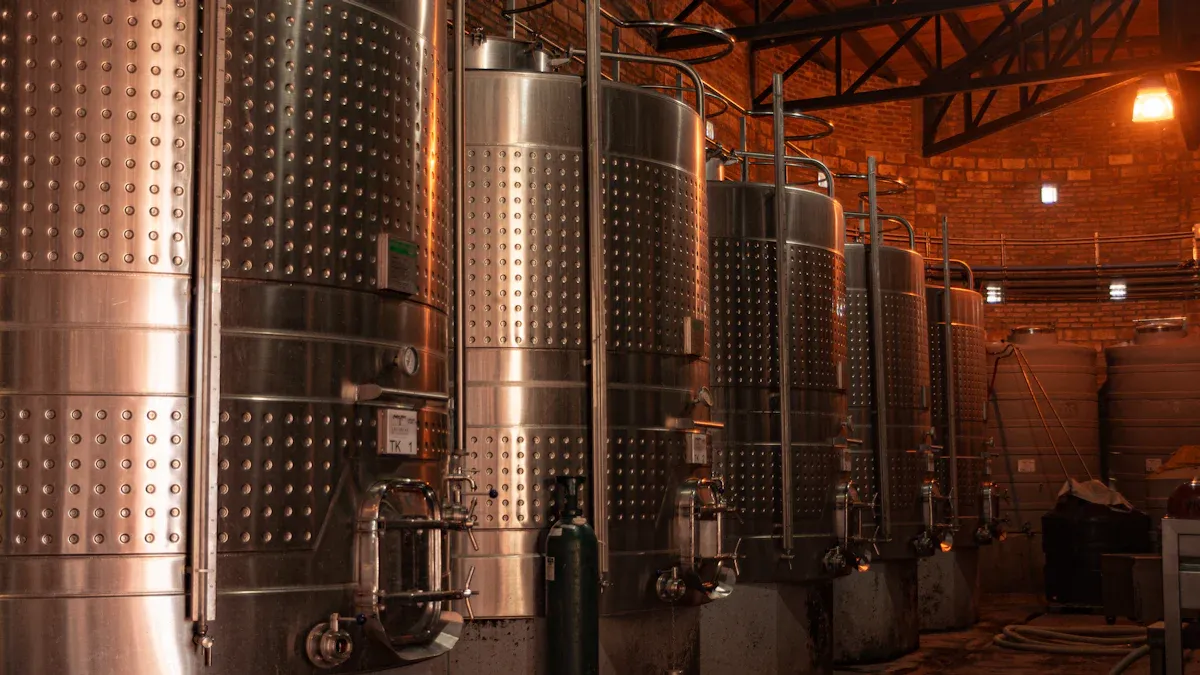

IBC totes carry a higher price tag due to premium raw materials, precision manufacturing, strict safety certifications, and complex logistics. Stainless steel IBCs cost significantly more than HDPE plastic models, as they deliver superior durability, hygiene, and compliance for industrial use. Market forces and shipping costs further lift pricing, while their long reusability creates lasting value that justifies the upfront investment.
Key Takeaways
- High-grade materials like 304/316 stainless steel are the biggest driver of IBC tote costs, boosting durability and hygiene.
- Advanced manufacturing, custom engineering, and mandatory industry certifications add substantial production expenses.
- Global supply chains, material pricing, and heavyweight shipping costs push retail prices higher.
- The long lifespan, reusability, and sustainability of IBC totes deliver strong long-term savings despite higher upfront costs.
Material Choices That Drive Up IBC Tote Costs

Stainless Steel vs. Other Materials
Material selection is the primary factor in IBC tote pricing. Most industrial-grade IBCs use 304 or 316 stainless steel, which costs far more than HDPE plastic or carbon steel. Higher raw material expenses, specialized fabrication, and corrosion-resistant properties all contribute to the premium.
Stainless steel IBCs offer exceptional rust resistance, structural strength, and broad compatibility with chemicals, food, and beverages. While more costly upfront, they support multi-industry use and far longer service life than lower-cost alternatives.
Durability and Hygiene Factors
Stainless steel’s performance advantages directly increase costs but deliver unmatched value:
- Non-porous surfaces prevent bacterial growth, critical for food, beverage, and pharmaceutical applications.
- Easy-to-clean design supports repeated, sanitary reuse.
- Industrial-grade thickness withstands harsh chemicals and heavy wear.
- Service life often exceeds 10–20 years, compared to 5–20 years for standard HDPE IBCs.
This combination of strength and hygiene makes stainless steel IBCs a cost-effective long-term choice, even with a higher initial price.
High Manufacturing & Quality Standards
Advanced Production Processes
IBC tote manufacturing involves precision machinery and strict quality control, which raises production costs. Brands like CHENMA use specialized fabrication equipment to form and weld stainless steel components, with multi-stage inspections to ensure structural integrity and cleanliness. These professional processes ensure consistency and reliability but add per-unit expenses.
Custom Engineering & Design Costs
Custom configurations are a major cost driver. Manufacturers like CHENMA offer tailored sizing, material grades, and functional features such as thermal jackets or mixing systems. Custom engineering for specific industrial applications requires design work and modified production, directly increasing pricing.
Certification and compliance requirements also impact costs, as specialized builds must meet strict handling and safety standards for unique materials and industries.
Strict Safety & Compliance Expenses
Industry Certification & Standards
Compliance with global safety regulations requires testing, documentation, and specialized design — all of which increase costs. Key certifications for IBC totes include:
- UN/DOT: Mandatory for transporting hazardous materials.
- FDA: Required for food-grade and beverage applications.
- NSF/ANSI 61: Certified safe for potable water contact.
- NFPA 30: For flammable liquid storage and handling.
Each certification involves testing, ongoing audits, and material upgrades, raising the final cost of compliant IBC totes.
Built-In Safety Feature Expenses
Integrated safety and hygiene features add production costs but reduce operational risk:
- CIP-ready designs for simplified, in-place cleaning.
- Jacketed systems for temperature-controlled materials.
- FDA-compliant construction to eliminate cross-contamination.
These built-in features ensure safe, regulatory-compliant operation but require higher-quality materials and more complex assembly.
Market & Logistics Pricing Drivers
Supply, Demand & Material Costs
Stainless steel pricing fluctuates with nickel and raw material markets, directly affecting IBC production costs. Tight supply of stainless steel scrap and rising industrial demand — especially from the chemical sector — further push prices upward. When demand outpaces supply, manufacturers pass higher material costs to buyers.
Shipping & Distribution Expenses
IBC totes are large, heavy, and costly to transport. Rising diesel prices, freight disruptions, and container storage fees all increase logistics costs. Bulk shipping and global supply chain delays add overhead, which is reflected in the final retail price of IBC totes.
Long-Term Value Justifies Higher Cost

Reusability and Lifecycle Savings
Stainless steel IBCs deliver strong return on investment through extreme reusability. Their multi-decade lifespan reduces replacement frequency, while high-capacity designs cut storage and transportation costs. Using reusable IBCs also minimizes product loss and improves storage efficiency, lowering total cost of ownership over time.
Sustainable Design Benefits
IBC totes support strong sustainability outcomes with high reuse and recycling rates: up to 85% of totes return to reuse cycles, and 95% of materials are recoverable. Reusable packaging reduces waste, lowers carbon footprints, and helps businesses meet ESG goals — all while reducing long-term packaging expenses.
Conclusion
IBC totes are expensive due to premium materials like stainless steel, precision manufacturing, strict safety certifications, and costly logistics. Raw material pricing, global supply chains, and custom engineering all contribute to the upfront cost. However, their long service life, reusability, and regulatory compliance make them a smart, cost-effective investment for industrial operations. Choosing a reliable manufacturer like CHENMA ensures durable, compliant IBC solutions that balance performance and long-term value.
FAQ
Why do stainless steel IBC totes cost more than plastic ones?
Stainless steel IBCs carry a premium due to higher-cost raw materials, specialized fabrication, and superior durability, hygiene, and chemical resistance. They also support longer lifespans and broader industrial use compared to HDPE plastic alternatives.
What factors increase the costs of an IBC tote?
Key cost drivers include material grade, advanced manufacturing, custom engineering, safety certifications like UN/DOT and FDA, raw material market fluctuations, and heavyweight shipping expenses.
How do safety standards affect the costs of IBC totes?
Safety and industry standards require specialized materials, lab testing, certifications, and ongoing compliance checks. These requirements add design, production, and administrative costs that raise the final price of IBC totes.
Are the costs of stainless steel IBC totes justified over time?
Yes. Stainless steel IBCs last 10+ years, support repeated reuse, and reduce replacement and waste costs. Their long service life and low operational risk make the higher upfront cost highly cost-effective in the long run.
Can a company use an IBC tote for multiple products?
Yes, especially stainless steel IBC totes. Their easy-clean, hygienic design allows safe use across chemicals, food, beverages, and other materials. Multi-purpose use reduces packaging costs and improves operational flexibility.