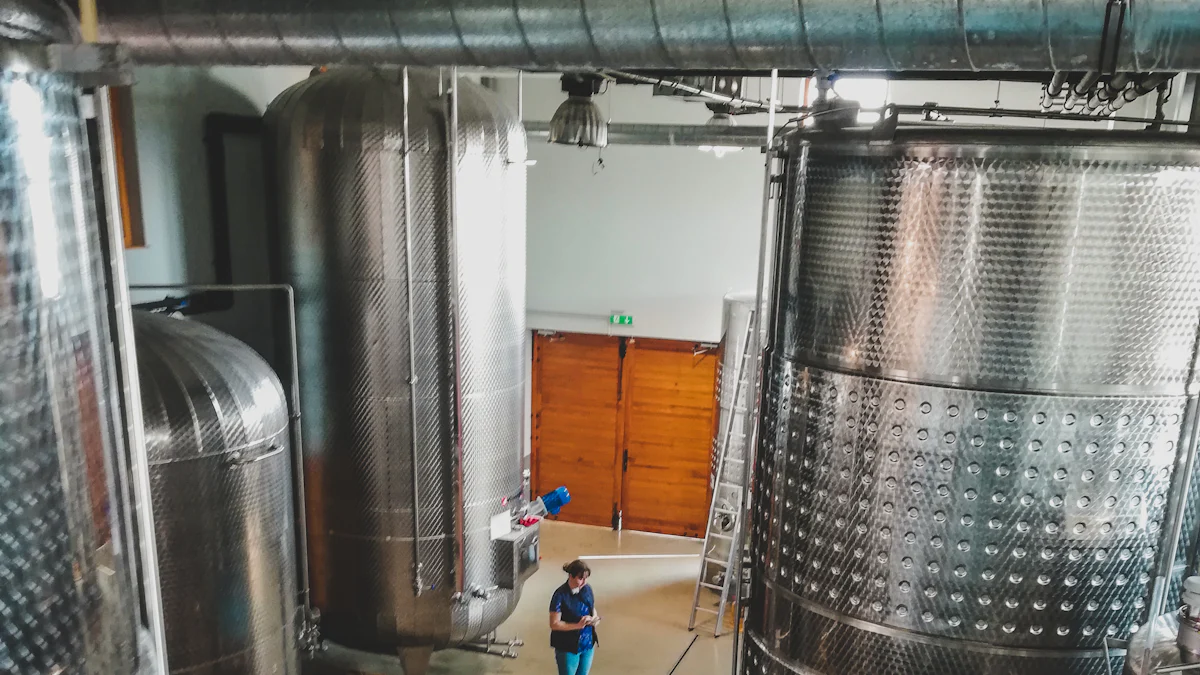

A milk cooling tank that fails to cool properly can affect raw milk quality and compliance with applicable milk-handling requirements. In the U.S., for example, the FDA Grade “A” Pasteurized Milk Ordinance (PMO) requires raw milk for pasteurization to be cooled to 50°F (10°C) or below within four hours of the start of the first milking, followed by cooling to 45°F (7°C) or below within two hours after milking is completed. Specific requirements can vary by jurisdiction and milk program.
When a milk tank is not reaching its target temperature, the cause may be a dirty condenser, refrigeration-system problem, electrical fault, restricted refrigerant flow, or an operating and maintenance issue. Identifying the symptoms can help narrow down the problem before professional service is required.
Key Takeaways
- Check the condenser, fans, and airflow first because poor heat rejection can reduce cooling performance.
- Refrigerant leaks, flow restrictions, and expansion-valve problems can cause the system to run without reaching the target temperature.
- Faulty thermostats, temperature sensors, contactors, and capacitors can interrupt or destabilize the cooling cycle.
- Adding large amounts of warm milk can increase the cooling load and extend the time required to reach the target temperature.
- Regular cleaning, correct tank operation, and preventive maintenance help maintain consistent cooling performance.
Milk Cooling Tank Refrigeration System Failures

Compressor and Condenser Problems
The compressor circulates refrigerant through the refrigeration system, while the condenser releases heat from the refrigerant. Problems in either component can reduce cooling capacity.
A dirty condenser coil restricts heat transfer and can cause the compressor to run longer than normal. A failed condenser fan can produce a similar effect by reducing airflow across the coil.
Common signs include:
- Longer-than-normal compressor runtime
- Poor cooling performance
- Excessive heat around the condenser
- Compressor shutdown caused by thermal protection
Inspect the condenser coil and fan regularly, keep air intakes clear, and follow the equipment manufacturer’s cleaning and maintenance recommendations.
Evaporator Ice Buildup and Defrost Problems
The evaporator transfers heat away from the milk. Excessive ice buildup can reduce heat transfer and restrict airflow, causing the tank to cool slowly.
Possible causes include:
- Defective defrost timer
- Failed defrost heater
- Faulty defrost thermostat or sensor
- Restricted airflow around the evaporator
- Blocked drain or excessive moisture
If heavy ice repeatedly forms on the evaporator, the underlying defrost or airflow problem should be identified rather than simply removing the ice.
Milk Cooling Tank Refrigerant and Flow Problems
Low Refrigerant Charge and Leaks
A refrigeration system with an insufficient refrigerant charge may run continuously without achieving the required temperature. However, symptoms such as bubbles in a sight glass or abnormal suction and discharge pressures should not be used alone to diagnose a low charge.
A qualified refrigeration technician should check the system for leaks, verify operating pressures and temperatures, repair any leak, and recharge the system according to the equipment specifications.
TXV, Capillary Tube, and Filter Drier Restrictions
Restricted refrigerant flow can also reduce evaporator performance.
A malfunctioning thermostatic expansion valve (TXV) may restrict or improperly regulate refrigerant flow to the evaporator. Capillary tubes can become restricted by moisture, contaminants, or debris, while a saturated or damaged filter drier may contribute to moisture and contamination problems.
These faults generally require refrigeration-system testing rather than operator adjustment.
Milk Cooling Tank Electrical System Faults
Thermostats and Temperature Sensors
The thermostat or temperature controller determines when the cooling system starts and stops. A faulty or inaccurate sensor can cause the tank to stop cooling too early, continue running unnecessarily, or display an incorrect milk temperature.
Compare the tank’s temperature reading with a properly calibrated thermometer when troubleshooting. If the readings differ significantly, the sensor, controller, or calibration should be checked according to the equipment manufacturer’s procedures.
Contactors and Start Capacitors
Contactors control electrical power to components such as the compressor, while start capacitors provide the electrical assistance needed for motor startup.
A defective contactor may prevent the compressor from starting or cause unstable operation. A failed start capacitor may cause the motor to hum without starting or trip the electrical protection.
Because these components involve electrical hazards, testing and replacement should be performed by a qualified technician.
Milk Cooling Tank Operational and Maintenance Issues

Overloading and Adding Warm Milk
Cooling performance depends not only on refrigeration capacity but also on the amount and temperature of milk entering the tank.
Adding a large volume of warm milk increases the total heat load and can significantly extend cooling time. If warm milk is repeatedly added to an already cooled batch, the refrigeration system must remove that additional heat before the tank can return to its target temperature.
Follow the tank manufacturer‘s recommended operating capacity and loading procedures rather than relying on a universal fill percentage.
Cleaning, Airflow, and Maintenance Gaps
Poor maintenance can gradually reduce cooling performance. Dust on condenser coils, blocked ventilation areas, dirty fans, and restricted airflow can all interfere with heat transfer.
Routine maintenance should include:
- Inspecting and cleaning condenser coils as needed
- Checking condenser and evaporator fans
- Keeping ventilation areas unobstructed
- Inspecting temperature sensors and controls
- Following the manufacturer’s refrigeration and CIP procedures
- Checking for unusual compressor runtime or temperature changes
Cleaning the milk-contact surfaces is also essential for milk hygiene, but cleaning schedules should follow the applicable sanitation requirements and the tank manufacturer’s instructions rather than a single universal timetable.
FAQ
Why Is My Milk Cooling Tank Running but Not Getting Cold?
A tank that runs continuously without reaching its target temperature may have a dirty condenser, restricted airflow, low refrigerant charge, refrigeration-system fault, or excessive cooling load. Professional diagnosis may be required to identify the exact cause.
How Do I Know if the Condenser Is Causing Poor Cooling?
Check whether the condenser coil is heavily covered with dust or debris and whether the condenser fan is operating correctly. Restricted airflow can reduce heat rejection and make the compressor work harder.
Can Low Refrigerant Cause a Milk Cooling Tank to Run Continuously?
Yes. An insufficient refrigerant charge can reduce the system’s cooling capacity and cause longer compressor runtimes. However, low refrigerant should be confirmed through proper refrigeration-system testing rather than inferred from a single symptom.
Why Does Warm Milk Take So Long to Cool in the Tank?
Warm milk adds a larger heat load to the refrigeration system. The more heat the system must remove, the longer it can take to reach the required storage temperature. Tank capacity, refrigeration capacity, incoming milk temperature, and operating conditions all affect cooling time.
Why Does Milk Need Agitation in a Cooling Tank?
Agitation helps distribute temperature more evenly throughout the milk. This reduces temperature differences between warmer and colder areas of the tank and helps provide a more representative temperature reading.