
Copper is the standard material for distillation stills for two core reasons: it actively improves spirit quality through chemical reactions with vapor, and its physical properties make it ideal for precision still construction. During distillation, copper reacts with sulfur compounds produced during fermentation to strip harsh, rotten-egg notes from the final spirit. It also acts as a catalyst to form fruity, floral ester compounds that create complex, smooth flavor. Practically, copper’s excellent heat conductivity enables precise temperature control, and its high malleability allows builders to form the complex curved shapes that define different spirit styles.
Key Takeaways
- Copper binds with volatile sulfur compounds during distillation, removing harsh rotten-egg notes and producing a cleaner, smoother spirit.
- The metal acts as a catalyst for ester formation, boosting the fruity, floral and sweet aromatic compounds that define premium spirits.
- Copper’s high heat conductivity delivers even, precise temperature control for clean, consistent cuts between heads, hearts and tails.
Copper vs. Stainless Steel in Distillery Equipment
Both metals have a place in a working distillery, and most facilities use both, matched to the job they do best.
| Factor | Copper | Stainless Steel (304 Grade) |
|---|---|---|
| Core strength | Actively improves spirit flavor via sulfur removal and ester catalysis | Extremely durable, hygienic and easy to sanitize |
| Best use case | Vapor path: still pots, necks, lyne arms, condensers | Fermentation tanks, storage vessels, process piping |
| Durability | Long lifespan with gentle care; softer material requires regular maintenance | Very high; withstands heavy use, frequent washdowns and CIP systems |
| Flavor impact | Positive, shapes and improves spirit profile | Neutral, no effect on flavor |
| Cleaning requirements | Gentle cleaning to preserve active copper surface | Tolerates harsh caustic cleaners and CIP cycles |
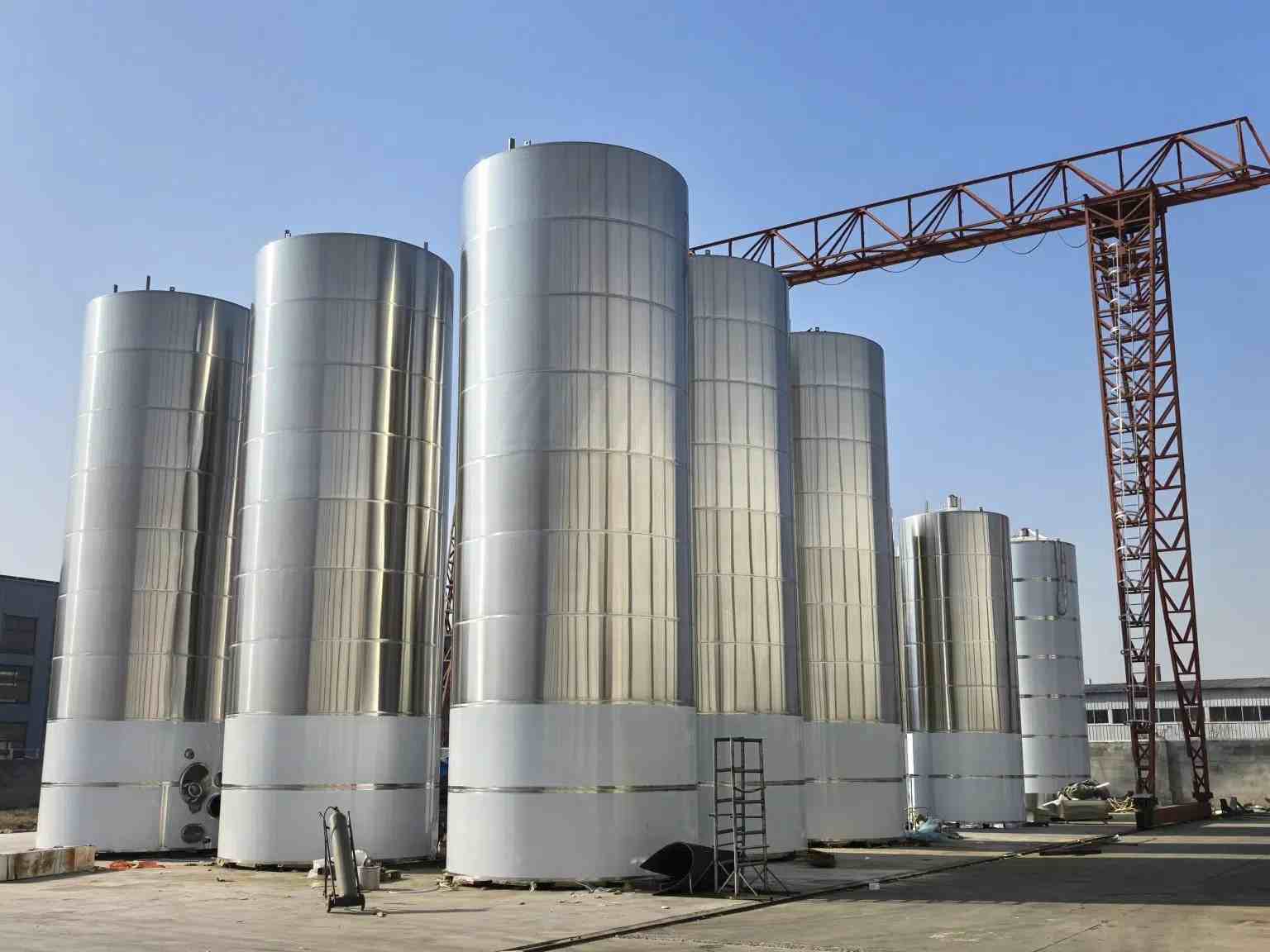
The optimal distillery setup pairs copper stills with stainless steel fermentation and storage tanks. This delivers the flavor benefits of copper where vapor chemistry happens, and the durability and hygiene benefits of steel everywhere else.
Core Chemical Benefits of Copper in Distillation

The primary value of copper comes from two key chemical interactions with rising vapor during distillation. Both effects directly shape the taste and quality of the final spirit.
1. Removing Harmful Sulfur Compounds
Yeast naturally produces sulfur compounds during fermentation, and production stress — such as temperature swings, nutrient shortages or slow yeast growth — increases output even further. Hydrogen sulfide, the compound responsible for rotten-egg odors, is the most common offender, and even small amounts will ruin a spirit’s flavor.
During distillation, rising vapor comes into direct contact with copper surfaces, and sulfur compounds react with the metal to form inert copper sulfide that stays behind in the still. This reaction is the primary method of volatile sulfur removal in traditional distillation.
The amount of sulfur removed depends entirely on direct vapor-to-copper contact: shorter columns with minimal surface area will leave more sulfur notes intact, while taller stills with more internal copper create a cleaner final product. A thin, self-renewing oxide layer on the copper surface also prevents metallic leaching into the distillate, so the spirit picks up no harsh metallic taste.
2. Catalyzing Ester Formation
Beyond removing unwanted flavors, copper actively builds desirable ones. It acts as a catalyst that encourages fatty acids and alcohols in the vapor to combine into esters — the aromatic compounds responsible for fruity, floral and sweet notes in aged spirits.
Spirits distilled with little to no copper contact typically taste flat, thin and lacking in complexity. This effect is clearly visible in whisky production: new-make spirit from a copper pot still has the recognizable clean, layered character drinkers expect, while all-stainless distillation produces a noticeably different, less rounded ester profile. The same principle applies to rum, brandy and most other aged spirit styles.
Distillers tune the level of copper contact to match their target style. Heavy, sulfur-heavy spirit styles benefit from more exposure, while light, delicate spirits require less. This makes still design a direct tool for shaping flavor, not just a vessel for boiling liquid.
Physical Advantages of Copper for Still Construction

In addition to its chemical benefits, copper has three material properties that make it uniquely well-suited for building distillation equipment.
Excellent Heat Conductivity
Copper transfers heat quickly and evenly across its entire surface. This eliminates hot spots and uneven boiling in the boiler, giving distillers precise, predictable temperature control during runs. Even heating creates consistent vapor formation and makes the cut between heads, hearts and tails sharper and more repeatable batch to batch.
High Malleability
Copper is soft and easy to form, bend and solder without cracking or losing strength. This allows coppersmiths to build the complex, custom shapes that define different still styles — from the bulbous onion neck of a pot still to tapered lyne arms and coiled condensers. This workability makes copper suitable for everything from small craft stills to large commercial distillation columns.
Corrosion Resistance & Natural Antibacterial Properties
Copper resists degradation from acidic wash and repeated heating/cooling cycles. It also has natural antibacterial properties that help keep the distillation path sanitary between runs. These traits extend the working life of copper stills with proper care.
FAQ
Does a still need to be made entirely of copper?
No. Copper delivers nearly all of its chemical benefit in the hot vapor path. A still with a copper neck, lyne arm or column section will achieve most of the sulfur removal and ester formation effect. Stainless steel can be used for the boiler and other non-vapor sections to reduce cost.
Does copper equipment wear out faster than stainless steel?
Copper is softer and requires more careful cleaning, but it holds up very well under normal distillery use. Its protective oxide layer renews naturally with every run. With gentle cleaning and proper maintenance, copper stills and condensers can deliver decades of service.
Can you have too much copper contact in a still?
Yes. Very high copper exposure aggressively strips sulfur, but can also remove desirable flavor compounds and leave the spirit tasting thin and flat. Distillers tune total surface area to match their target spirit style. Light, delicate spirits typically need less contact than heavy, sulfur-rich styles.
Do different spirit styles need different amounts of copper?
Yes. Robust, sulfur-prone spirits benefit from generous copper contact, while lighter, more delicate styles work better with shorter vapor paths. Whisky, rum and brandy each have traditional still designs tuned to deliver the level of copper contact their style requires.
Does copper distillation equipment need special cleaning?
Yes. Copper requires gentler care than stainless steel. Harsh caustic cleaners can damage the active surface. Most distillers rinse copper parts after each run and clean periodically to keep the surface bright and chemically active for consistent results.