
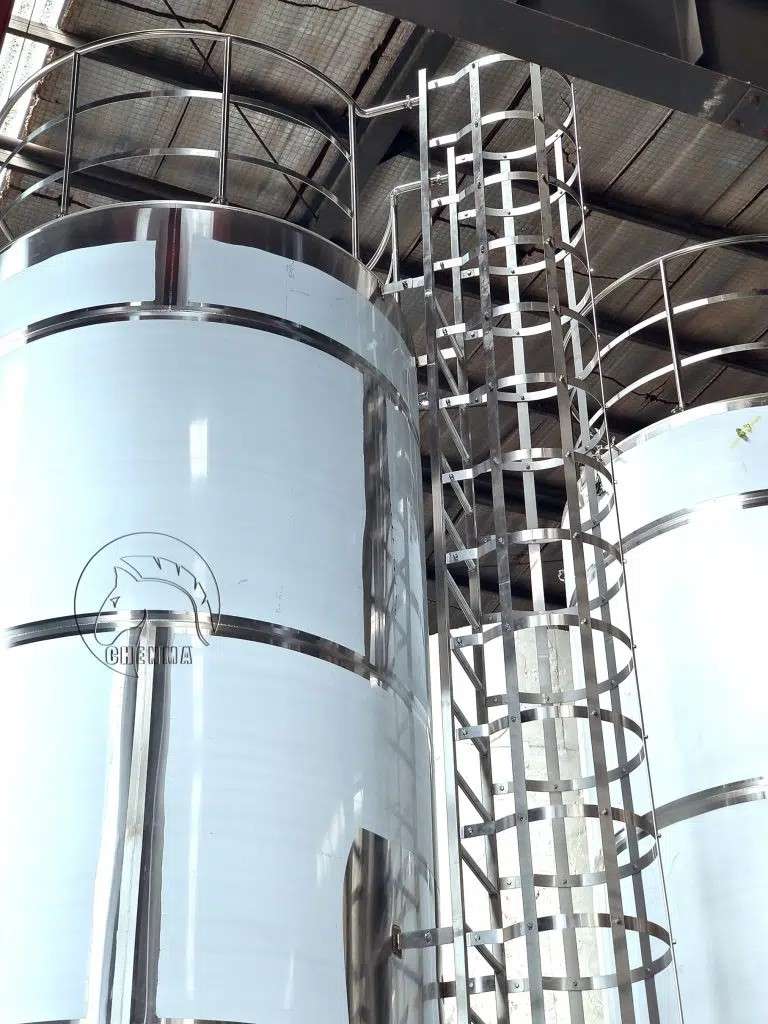
Discolored water, hidden leaks, corrosion, and recurring maintenance can all indicate problems with a water storage tank. So, why do quality water tanks matter? A well-designed stainless steel water tank provides reliable water storage, strong corrosion resistance, and long-term structural durability. Choosing the right tank can also help reduce maintenance requirements, replacement frequency, and the risk of water quality issues.
This guide explains how water tank quality affects water safety, durability, long-term costs, and certification requirements, helping commercial and industrial buyers choose a reliable storage solution for their facility.
Key Takeaways
- Food-grade stainless steel tanks prevent chemical leaching and bacterial growth, keeping drinking water safe.
- Quality stainless steel tanks last 20–50 years with proper care, far outlasting plastic or low-grade metal alternatives.
- Cheap tanks cost more long-term due to frequent replacements, pump damage, and potential health-related expenses.
- Third-party certifications like NSF/ANSI 61 and ISO 9001 verify material safety and consistent manufacturing quality.
Safety and Water Quality in Water Tanks

Preventing Water Contamination
Tank material directly determines drinking water purity. Contamination enters storage systems through three main pathways: chemical leaching from low-grade materials, external intrusion through poor seals, and bacterial growth from sediment buildup.
Low-quality plastic tanks can release trace chemicals like antimony and phthalates when scratched, heated, or exposed to UV radiation. Aging tanks also develop scratches and porous surfaces that harbor bacteria and biofilm. Sediment that accumulates at the tank bottom creates a breeding ground for microbes, and poorly sealed lids allow dust, insects, and even small animals to enter.
Why Stainless Steel Is the Safest Choice
Food-grade 304 or 316 stainless steel is the gold standard for drinking water storage, thanks to a naturally forming chromium oxide passive layer. This thin, self-healing surface is chemically inert, prevents rust, and blocks chemical leaching into the water.
| Safety Factor | Stainless Steel | Low-Grade Plastic |
|---|---|---|
| Chemical leaching | None – non-reactive oxide layer | Can release trace chemicals when heated/scratched |
| Bacterial growth | Smooth, non-porous surface resists adhesion | Porous, scratch-prone surfaces harbor bacteria |
| Heat stability | Remains inert at all typical water temperatures | Heat accelerates chemical breakdown |
| Regulatory status | Widely recognized as food-safe | Long-term safety remains debated |
Premium tanks feature mirror-polished interiors (Ra ≤ 0.4 μm) that eliminate microscopic crevices where bacteria can anchor, plus sloped or conical bottoms for full drainage and no stagnant water. The American Water Works Association (AWWA) recommends professional tank inspections every 3–5 years to manage sediment and maintain water quality.
Water Tank Durability and Long-Term Reliability

A tank’s lifespan depends on material corrosion resistance, structural design, and ability to withstand environmental stress. Stainless steel outperforms plastic and carbon steel across all three metrics.
Corrosion & Leak Resistance
Stainless steel contains at least 10.5% chromium, which reacts with oxygen to form a thin, self-repairing protective layer. If the surface is scratched, the layer rebuilds itself automatically when exposed to air. This eliminates the need for coatings or liners that wear out over time — a common failure point in carbon steel tanks.
Precision welding further ensures leak-free performance. Certified welding processes (three-o’clock, submerged arc, shielded metal arc) create defect-free seams, and quality checks including magnetic particle testing and vacuum box inspection verify every joint meets AWWA standards.
Cylindrical tank design also boosts durability: round walls distribute internal water pressure as pure tensile stress, avoiding the bending forces that weaken rectangular tanks. This makes cylindrical designs 15–25% lighter for the same capacity, and better able to withstand soil pressure (for underground installations) and wind loads.
Environmental Stress Resistance
Stainless steel handles the full range of outdoor conditions that degrade cheaper tanks:
- UV radiation: Does not break down or become brittle, unlike plastic which degrades and leaches chemicals with sun exposure.
- Hard water: Smooth interior surfaces resist scale buildup, reducing wear compared to rougher materials.
- Temperature extremes: Tolerates thermal expansion and contraction without cracking or softening.
- High wind/seismic activity: Round shape distributes stress evenly, improving performance in cyclone-prone and earthquake zones.
With proper maintenance, a quality stainless steel water tank delivers 20–50 years of reliable service.
Lifetime Cost: Cheap Water Tanks Cost More Long-Term
Upfront price is only a small part of total ownership cost. Cheap tanks lead to repeated replacements, equipment damage, and hidden expenses that add up to far more than a premium tank over time.
| Cost Factor | Lower-Quality Tank | Quality Stainless Steel Tank |
|---|---|---|
| Upfront cost | Lower | Higher |
| Expected service life | Often shorter | Typically longer |
| Maintenance | Potentially higher | Generally lower |
| Corrosion resistance | Depends on material and coating | High with suitable stainless steel grade |
| Replacement frequency | Potentially higher | Lower when properly designed and maintained |
| Long-term value | Lower in demanding applications | Better for long-term water storage |
Water Tank Standards & Certifications to Look For
Certifications are the most reliable way to verify tank quality and safety, rather than relying on marketing claims.
| Standard | Purpose |
|---|---|
| NSF/ANSI 61 | Verifies materials do not leach harmful contaminants into drinking water |
| NSF/ANSI 372 | Confirms compliance with low-lead content requirements for potable water |
| ISO 9001 | Certifies consistent quality management and manufacturing processes |
| CE Marking | Indicates compliance with EU safety, health, and environmental standards |
Reputable manufacturers build quality into every production stage: engineered structural design, certified material selection, precision CNC fabrication, non-destructive testing (ultrasonic, radiographic), and final hydrostatic pressure testing for leak resistance. Always verify a manufacturer’s certifications before purchasing, and prioritize brands that openly share test reports and compliance documents.
Conclusion
Quality water tanks are an investment in health, reliability, and long-term savings. A food-grade stainless steel tank delivers decades of safe drinking water, resists corrosion and environmental damage, and avoids the repeated replacement costs and equipment damage that come with cheap alternatives.
When choosing a tank, prioritize food-grade stainless steel construction, verify NSF/ANSI 61 and ISO 9001 certifications, and select a size and design matched to your location’s environmental conditions. The upfront premium pays for itself many times over in peace of mind and reduced lifetime costs.
FAQ
How often should a stainless steel water tank be cleaned?
AWWA guidelines recommend professional inspections every 3–5 years. If you have hard water or high sediment in your source, plan an annual flush to prevent buildup. Regular maintenance stops biofilm and sediment from degrading water quality.
What’s the difference between 304 and 316 stainless steel?
Both offer excellent corrosion resistance for drinking water. 304 grade is sufficient for most residential applications. 316 grade adds molybdenum for extra protection against saltwater and harsh chemicals, making it ideal for coastal or industrial use.
Can stainless steel tanks withstand extreme weather?
Yes. Stainless steel resists UV damage, temperature swings, and corrosion. Cylindrical designs evenly distribute wind pressure, making them suitable for cyclone-prone areas when properly anchored.
How long does a quality water tank actually last?
Well-maintained stainless steel tanks last 20–50 years. This is 3–7 times longer than budget plastic tanks, which typically need replacement every 5–7 years.
Are water tank certifications really necessary?
Yes. Certifications like NSF/ANSI 61 provide independent proof that materials are safe for drinking water, and ISO 9001 confirms consistent manufacturing quality. They are the most reliable way to avoid substandard, unsafe tanks.


