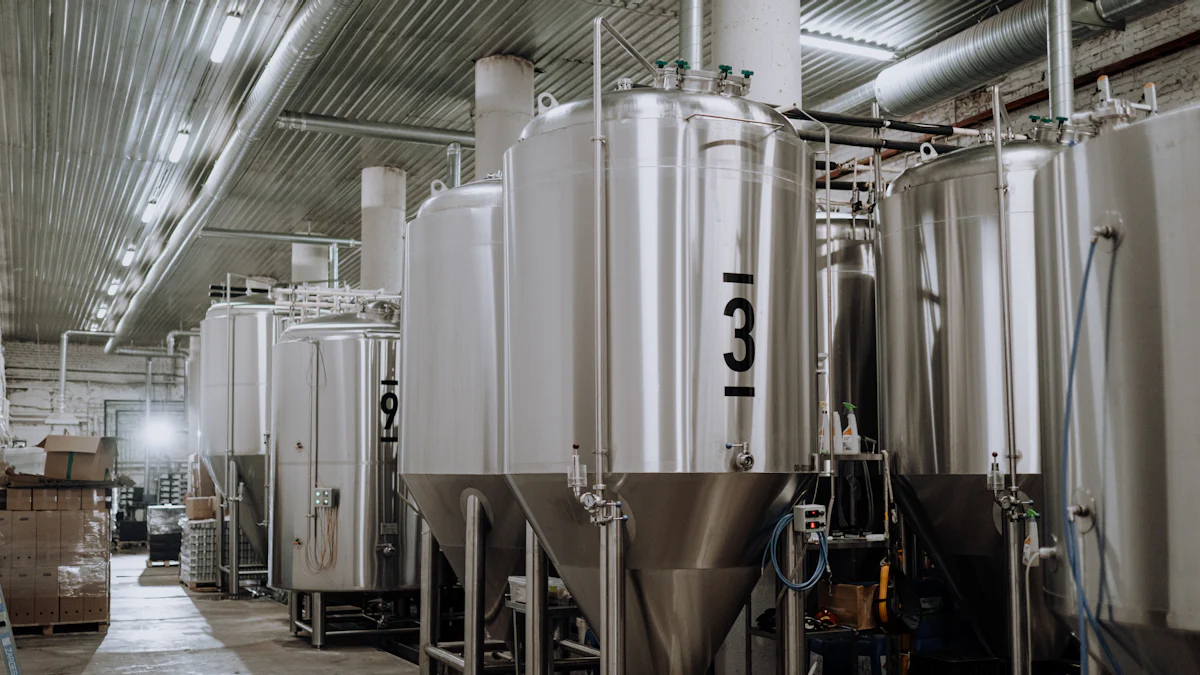
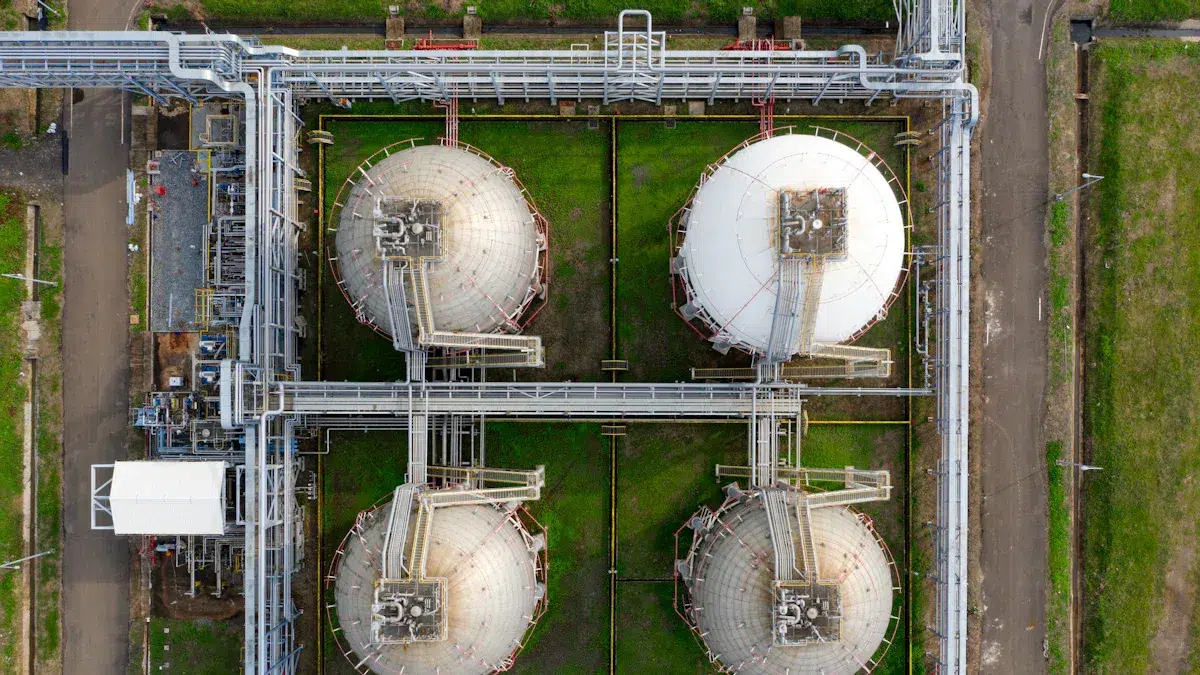
With 2025 chemical processing growth projected between 1.9% and 3%, achieving industrial efficiency is critical. Your success hinges on effective mixing and blending. You must select the right chemical mix tanks for your tank mixer applications. The correct chemical mixer tank and its mixers are vital. These tank mixers support many applications for tank mixers. Your mixers must handle the chemical processing and blending.
A chemical mixer tank and its tank mixers are a core system. These mixers and tank mixers define your mixing results. Your choice of mixers for your chemical mixer tank is a key decision for mixing and blending. These mixers are for mixing.
Key Takeaways
- Choose the right tank shape for your needs. Cone-bottom tanks drain completely. Dish-bottom tanks handle pressure. Flat-bottom tanks are good for simple blending.
- Decide between batch or continuous mixing. Batch mixing offers control for smaller jobs. Continuous mixing is for large production.
- Select the correct mixer type. Top-entry mixers are common. Side-entry mixers work for large tanks. High-shear mixers blend tough materials. Low-shear mixers mix gently.
- Pick the right materials and size. Stainless steel is durable. Polypropylene resists chemicals. Tank size depends on liquid thickness and flow.
- Plan your budget carefully. Look at the initial cost and long-term costs. This includes energy use and maintenance for your mixers.
Understanding the Main Types of Chemical Mixer Tanks
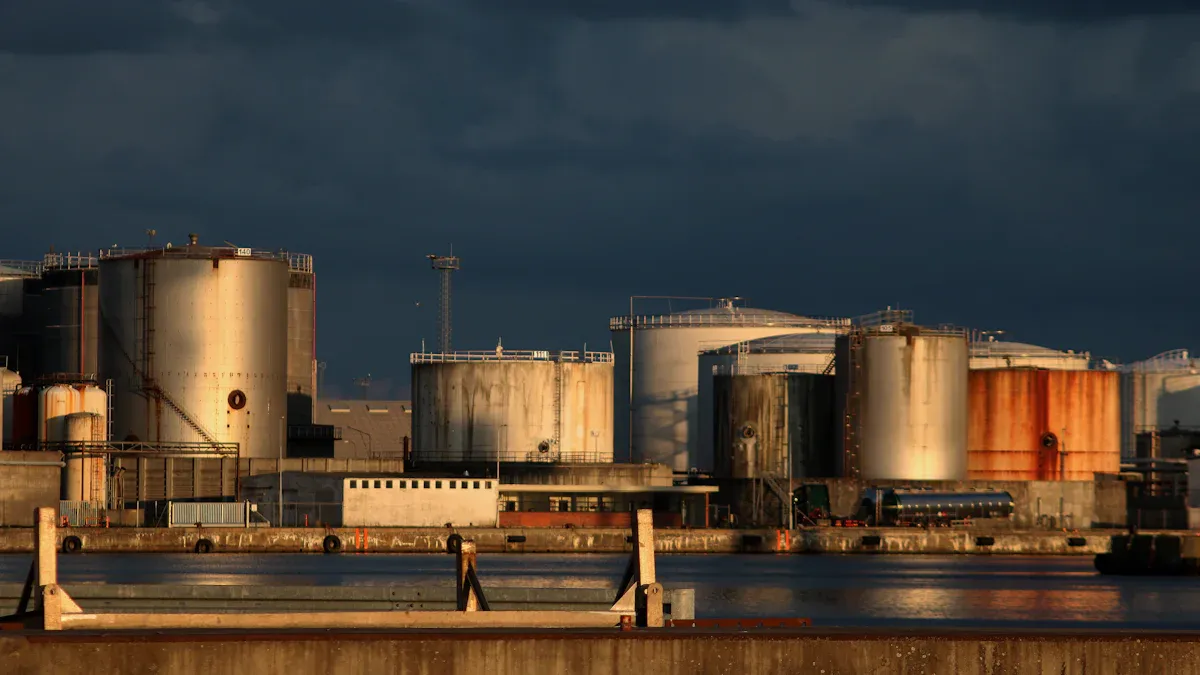
You must first understand the main types of chemical mixer tanks. The tank’s physical shape directly impacts your process efficiency. It affects everything from drainage to the effectiveness of your tank mixers. Your choice of a chemical mixer tank influences the entire mixing and blending operation. Let’s explore the three primary types of chemical mixer tanks.
Cone-Bottom Tanks for Complete Drainage
You should choose cone-bottom tanks for processes that demand complete drainage. The sloped, conical base uses gravity to guide all contents toward the outlet. This design is exceptionally efficient. It prevents sediment from building up and makes cleaning much simpler. Your mixers can achieve a more uniform mixing result because the shape eliminates dead zones. The tank mixers work with the cone to keep particles suspended during blending.
Cone-bottom tanks are highlighted for their excellent drainage. The conical base effectively stops sediment buildup. This design simplifies your cleaning process. In contrast, other tank shapes can create areas of stagnation. These areas impede complete mixing and drainage. The cone shape naturally helps separate solids and liquids. This makes the chemical mixer tank more efficient for drainage than other designs. Many industries rely on this design for critical mixing applications.
- Chemical processing
- Water Treatment
- Pharmaceutical
- Food processing (for blending and buffer mixing)
- Medical (for buffer mixing and hemodialysis)
Note: The angle of the cone is a key specification. A steeper cone provides faster drainage for your mixing process. You should match the cone angle to your material’s viscosity for optimal performance from your mixers and tank mixers.
Dish-Bottom Tanks for Pressure and Hygiene
You might consider dish-bottom tanks for applications involving pressure or requiring high levels of hygiene. These tanks feature a curved, concave bottom similar to the end of a propane tank. This shape provides superior structural integrity. It handles pressure and vacuum better than flat-bottom designs. The smooth, rounded corners are also easier to clean, reducing the risk of contamination during blending.
While dish-bottom tanks offer better drainage than flat-bottom models, some product can still accumulate where the wall meets the bottom. However, they are an excellent compromise. They balance structural strength, improved hygiene, and reasonable cost. Your tank mixers can operate effectively in this shape for many mixing tasks. The mixers create good flow patterns for moderate blending needs. These tank mixers are a popular choice for the food, beverage, and pharmaceutical industries.
Flat-Bottom Tanks for Simple Blending
You can select flat-bottom tanks for the most straightforward and cost-effective solution. These are the most common type of chemical mixer tank. Their simple construction makes them less expensive to manufacture. They also have lower installation costs.
- Flat-bottom tanks have lower manufacturing costs.
- They are cheaper because no stand is required for installation.
- Cone-bottom tanks incur extra costs for stands and hardware.
These tanks are ideal for basic blending jobs and liquid storage. Your mixers can handle simple mixing tasks in this configuration. The tank mixers are often used for keeping low-viscosity fluids in suspension. However, the flat bottom can create challenges for your mixers. Corners can become dead spots where mixing is poor. Complete drainage is also difficult. This makes them less suitable for high-purity applications or materials that settle.
They are best for:
- Storing liquids or chemicals that do not require frequent agitation.
- Applications where drainage efficiency is not a priority, such as storing water or non-viscous solutions.
For simple blending, these tanks work well with powerful tank mixers. The mixers must be specified correctly to overcome the shape’s limitations and ensure proper mixing.
Batch vs. Continuous: Which Process Fits Your Scale?
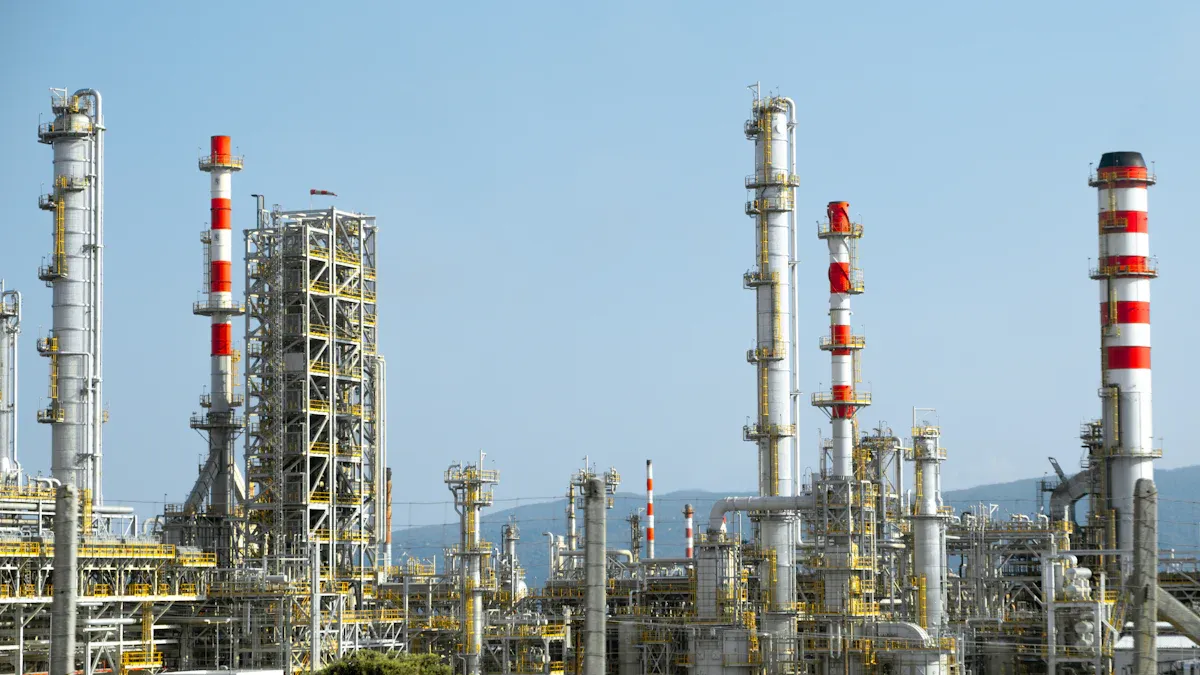
You need to decide between batch and continuous mixing for your operation. Your choice impacts production volume, product consistency, and cost. Each method uses a chemical mixer tank and tank mixers differently. This decision shapes your entire blending workflow. Let’s examine which process fits your scale.
Batch Mixing for Precision and Flexibility
You should choose batch mixing for precision and flexibility. This process involves mixing a set quantity of ingredients in a chemical mixer tank. You complete the entire mixing cycle before starting the next batch. This method gives you excellent control over the final product. Your mixers can achieve exact specifications for each batch of blending.
Many industries use batch mixing for specialty products. For example, automated systems help chemical companies program mixtures for consistent processing. This improves production speed. Food manufacturers also use batch control to improve product quality by removing operator error. The right mixers in your chemical mixer tank are key for successful blending. Proper tank mixers ensure uniform mixing, even for high-viscosity creams. This method is ideal for smaller production runs or when you produce multiple products using the same chemical mixer tank. The tank mixers are critical for this flexible mixing.
Continuous Mixing for High-Volume Production
You should select continuous mixing for high-volume production. In this process, raw materials constantly flow into the chemical mixer tank. The mixers perform the blending, and the finished product continuously flows out. This method is built for efficiency and high throughput. Modern tank mixers can process over 15,000 kilograms per hour.
Cost Insight: Continuous mixing systems offer a significant cost advantage at scale. Doubling the capacity of a continuous system increases its cost by only about 25%. In contrast, doubling a batch system’s capacity can double its cost. Your tank mixers are always working.
This makes continuous mixing the standard for large-scale industries. The mixers are designed for one specific, repetitive blending task. The tank mixers provide constant mixing action.
- Water and Wastewater Treatment
- Oil, Gas & Petrochemical Industries
- Pulp & Paper
- Large-scale food and beverage production
This process is perfect when you need to produce large amounts of a single product with consistent mixing. The tank mixers and mixers are optimized for this nonstop blending.
Exploring Different Types of Tank Mixers and Agitators
You must select the right types of tank mixers for your chemical mixer tank. The agitator is one of the most important tank mixer components. It directly performs the mixing and blending. Your choice of mixers impacts mixing efficiency and final product quality. These components work together to achieve your desired blending results. Let’s explore the different types of tank mixers and their components.
Top-Entry and Side-Entry Mixers
You can mount your mixers in different locations on a chemical mixer tank. Top-entry tank mixers are mounted on the top of the tank. They are common for many mixing applications. Side-entry tank mixers mount on the tank’s side wall. They are excellent for large-volume storage tanks where top-mounted mixers are not practical.
Side-entry mixers offer several advantages for large-scale blending:
- They efficiently agitate large liquid volumes.
- They consume less energy for better mixing efficiency.
- Installation does not require tank modifications.
- They are ideal for tanks where top-entry mixers have limits.
However, you should consider the maintenance needs of these types of tank mixers. The mechanical seals on side-entry mixers are critical components that can be expensive to maintain.
Maintenance Comparison This table shows how maintenance differs between the two types of tank mixers. | Feature | Side-Entry Mixer | Top-Entry Mixer | | :— | :— | :— | | Tank Draining for Repairs | Required | Not required | | Mechanical Seals | Critical, expensive to maintain | Easier access, fewer repairs | | Long-Term Costs | Higher maintenance costs | Lower maintenance costs |
High-Shear vs. Low-Shear Agitators
You need to match the agitator’s shear level to your mixing task. High-shear mixers use intense energy for blending. They are necessary when you need to create emulsions or suspensions from ingredients that do not mix easily. This type of mixing is common in the food, cosmetic, and paint industries. These mixers improve product quality and increase operational efficiency.
Low-shear mixers provide gentle blending. They are perfect for applications where you want to avoid damaging the product. Choosing the right shear level is vital for mixing efficiency. Using too much shear can cause problems and waste energy. The right mixers and their components will give you the best blending results for your chemical mixer tank.
Propeller, Turbine, and Anchor Agitators
You can choose from several agitator designs. These tank mixer components are designed for specific blending jobs. The three main types of tank mixers are propeller, turbine, and anchor agitators.
- Propeller Agitators: These mixers are for low-viscosity liquids. They create a strong axial flow for simple mixing.
- Turbine Agitators: These mixers handle low to medium-viscosity fluids. They provide good blending and are very versatile.
- Anchor Agitators: You should use these mixers for high-viscosity materials. Their shape scrapes the walls of the chemical mixer tank, ensuring uniform mixing and preventing buildup.
Selecting the correct agitator is a key part of specifying your tank mixers and their components. The right choice improves mixing efficiency in your chemical mixer tank.
Critical Specifications for Your Chemical Mix Tanks
You must define several critical specifications to ensure your system performs correctly. The right material, size, and operating limits are essential for safety and mixing efficiency. These details determine how well your tank mixers and their components will work. Getting these specifications right is key for successful chemical processing.
Material Selection: Stainless Steel vs. Polypropylene
You need to choose a material that is compatible with your chemicals. Stainless steel mixing tanks are a top choice for the pharmaceutical and food and beverage production industries. They offer excellent durability and are easy to sanitize, which is vital for hygienic mixing. Plastic mixing tanks, such as those made from polypropylene, provide great resistance to corrosive chemicals. Your choice impacts the longevity of your chemical mixer tank and the purity of your mixing process. The right material ensures your mixers and their components function correctly. These tank mixers require a stable environment for optimal mixing efficiency. The mixers and their components must be compatible with your chosen tank.
Sizing for Viscosity and Flow Rate
You must size your chemical mixer tank and tank mixers based on your fluid’s properties. Viscosity is a primary factor. As viscosity increases, you need different mixers and components to achieve good mixing. For high viscosity fluids, your tank mixers will need more torque to drive the mixers.
Mixer Design for Viscosity For very thick materials, you may need special agitators to improve mixing efficiency.
- Anchor Agitators: These mixers scrape the tank walls, ensuring all material is in motion.
- Helical Ribbon Impellers: These components promote top-to-bottom circulation for high viscosity fluids.
These specialized tank mixers ensure proper mixing for challenging high viscosity fluids. The right mixers and components are critical for mixing efficiency in biopharmaceutical manufacturing and other demanding fields. Your tank mixers must be specified for these conditions.
Temperature and Pressure Requirements
You must consider your operating temperature and pressure. These factors directly influence material selection for your chemical mix tanks. For example, plastic mixing tanks can typically handle temperatures up to 220°F (95°C). Stainless steel, however, can withstand much higher temperatures and pressures. This makes it essential for certain chemical processing and pharmaceutical manufacturing applications. Your chemical mixer tank must safely contain your process. The tank mixers and their components must also be rated for these conditions. This is crucial for safe mixing in pharmaceutical and biopharmaceutical manufacturing. Proper selection improves mixing efficiency and protects your investment in mixers and tank mixers.
Budgeting for Your Tank Mixers
You must create a realistic budget for your chemical mixing equipment. The price tag is only one part of the financial story. A smart budget considers both the upfront purchase and long-term operational expenses. This ensures your investment in tank mixers and mixers supports your mixing goals without unexpected costs.
Initial Investment Costs
You will first encounter the initial investment cost. This is the purchase price of the chemical mixing tank and its components. The cost varies widely based on your specifications. Custom features, tank material, and the complexity of the tank mixers all influence the final price. More powerful mixers for high-viscosity mixing will cost more than simple mixers. Your choice of tank mixers for a specific mixing process directly impacts this initial figure. These tank mixers are a significant part of the upfront expense. The mixers you select for your mixing needs are a key cost driver.
Calculating Total Cost of Ownership
You should look beyond the initial price to understand the true cost. Calculating the Total Cost of Ownership (TCO) gives you a complete financial picture. It helps you evaluate different tank mixers and mixers over their entire lifespan. This calculation includes everything from energy use to potential downtime. A cheaper unit might have higher maintenance costs, making it more expensive over time. Proper mixing depends on reliable equipment. Consider these factors for your TCO calculation:
- Initial Cost (I): The purchase price of the tank mixers and equipment.
- Operation (O): This includes installation, training, and the energy your mixers consume during mixing.
- Maintenance (M): The expenses for regular upkeep and repairs for your tank mixers and mixers.
- Downtime (D): The cost of lost production when your mixing equipment is out of service.
- Production (P): This relates to the quality and output levels of your mixing process.
- Remaining Value (R): The estimated worth of your tank mixers after several years of use.
This detailed view helps you choose the most cost-effective tank mixers for your mixing operation.
Custom Solutions with SDCHENMA
Sometimes, a standard chemical mixer tank does not meet your specific needs. You may require a unique design for your chemical processing operation. This is where custom solutions become essential. Partnering with an experienced manufacturer ensures your equipment is perfectly tailored for your mixing goals. This customization guarantees your tank mixers and mixers perform optimally.
Engineering Custom Stainless Steel Tanks
You can get a tank engineered for your exact situation. Talented engineers adapt products or create completely new designs. This customization solves unique challenges in chemical processing and pharmaceutical applications. For example, a past project required a special tank for maple syrup. The design included:
- An integrated piping system to circulate hot water.
- A system to keep the syrup warm and flowing for proper mixing.
Tech Insight: Advanced tools like Computational Fluid Dynamics (CFD) help design your tank mixers. CFD predicts fluid behavior inside the tank. This modeling optimizes the performance of your mixers, which is crucial for complex mixing. It saves you time and money by avoiding expensive physical tests and redesigns. This ensures your tank mixers deliver superior mixing for any application, including pharmaceutical production.
Turnkey Project Capabilities
You can simplify your project with a turnkey solution. A turnkey project provides a complete system from start to finish. This service covers every stage of your project. It ensures all your equipment, including the tank mixers and mixers, works together seamlessly. This is ideal for complex chemical processing and pharmaceutical setups. A typical turnkey project includes several key stages:
- Process Design: Experts map out your entire mixing workflow.
- Equipment Manufacturing: Your custom tank mixers and other machinery are built.
- Installation and Commissioning: The system is installed and tested to ensure proper operation.
- Technical Training: Your team learns how to operate the new equipment for efficient mixing.
This comprehensive approach delivers a ready-to-use system. Your mixers are optimized for your specific mixing tasks. The tank mixers are integrated perfectly for reliable performance in demanding pharmaceutical environments.
You must choose the best chemical mix tanks for your needs. Your ideal chemical mixer tank aligns with your mixing process. Evaluating your chemical mixer tank and its mixers ensures a cost-effective investment. The right tank mixers and mixers improve your mixing. Partnering with an expert manufacturer delivers a tailored chemical mixer tank. Their tank mixers and mixers optimize your mixing. The tank mixers and mixers in your chemical mixer tank are vital for mixing.
Contact our experts today. We can configure your ideal chemical mixer tank. Get the perfect tank mixers and mixers for your mixing. Our tank mixers and mixers guarantee better mixing. Let our tank mixers and mixers improve your mixing.
FAQ
What is the most important factor when choosing a tank?
You must match the tank to your chemical process. Consider the chemical’s properties, your production volume, and your budget. The right tank mixers and tank shape are critical for efficient operation. Your choice impacts everything from product quality to cleaning.
How do I select the right agitator for my tank?
You should select an agitator based on your fluid’s viscosity. Propeller mixers work well for thin liquids. You need anchor-style mixers for thick pastes. The correct agitator ensures your tank mixers perform effectively and create a uniform blend.
Can I get a tank built for a special process?
Yes, you can order custom-engineered tanks. Manufacturers can design a system for your unique needs. This includes special fittings, heating jackets, or specific dimensions. This ensures your mixers and equipment work perfectly for your application.