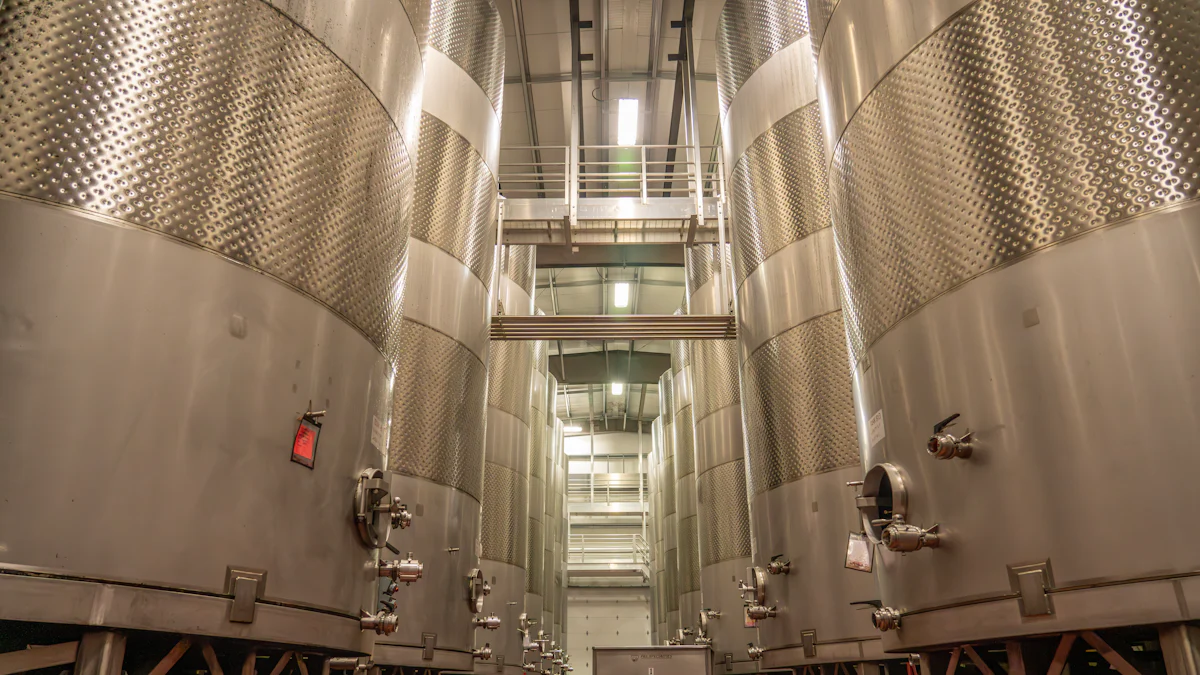

Stainless steel is one of the most reliable materials for water storage, widely used in residential, commercial, and industrial applications. Its exceptional durability, corrosion resistance, and non-reactive properties make it ideal for maintaining clean and safe drinking water.
Unlike plastic or concrete tanks, stainless steel does not leach chemicals, supports long-term use, and requires minimal maintenance. These advantages make it a preferred choice for businesses and homeowners seeking safe and sustainable water storage solutions.
Key Takeaways
- Stainless steel water tanks offer long-term durability, with lifespans of up to 50–100 years
- Non-reactive and non-leaching, ensuring safe and clean drinking water
- Smooth, non-porous surfaces improve hygiene and reduce bacterial growth
- Highly recyclable and often made with recycled content, supporting sustainability goals
- Available in 304 and 316L grades for different environments and corrosion resistance needs
- Higher upfront cost, but significantly lower lifecycle cost and maintenance requirements
Why Stainless Steel Is Good for Water Storage

Durability and Strength
Stainless steel is exceptionally strong and resistant to impact and pressure. Common grades such as 304 and 316L are engineered to withstand heavy loads and demanding environments.
Compared to plastic tanks, stainless steel offers significantly higher tensile strength and does not crack, warp, or degrade under UV exposure. This makes it ideal for long-term installations in both indoor and outdoor environments.
Long Lifespan
One of the biggest advantages of stainless steel water tanks is their longevity. With proper maintenance, they can last for decades—often up to 50–100 years.
In contrast, plastic tanks typically last only 10–15 years, while concrete tanks may degrade over time. Stainless steel tanks maintain structural integrity and performance with minimal repairs, making them a cost-effective long-term investment.
Non-Reactive and Safe for Drinking Water
Stainless steel is a chemically stable material that does not react with water or alter its taste, odor, or composition. It does not release harmful substances such as BPA, phthalates, or heavy metals.
Organizations like the World Health Organization and U.S. Food and Drug Administration recognize stainless steel as a safe material for drinking water applications.
Hygiene and Cleanliness
The smooth, non-porous surface of stainless steel prevents the buildup of bacteria, algae, and biofilm. This makes cleaning easier and reduces the risk of contamination.
Unlike plastic tanks, which may develop internal residue over time, stainless steel tanks maintain a clean interior surface and can be fully sanitized without complex procedures.
Corrosion Resistance
Stainless steel naturally resists corrosion due to a self-healing chromium oxide layer that forms on its surface. This layer protects the metal from rust and environmental damage.
- 304 stainless steel: Suitable for freshwater and standard applications
- 316L stainless steel: Enhanced corrosion resistance for marine, chemical, and high-chloride environments
Selecting the correct grade is essential for ensuring long-term performance under specific conditions.
Environmental Benefits of Stainless Steel Tanks
Highly Recyclable Material
Stainless steel is a highly recyclable material that can be reused without loss of strength, durability, or performance. Many stainless steel water tanks are manufactured with a significant proportion of recycled content, reducing the demand for raw materials and minimizing environmental impact.
Lower Lifecycle Environmental Impact
Thanks to its long service life and recyclability, stainless steel offers a lower overall environmental footprint compared to plastic tanks. Lifecycle studies suggest that stainless steel systems can achieve up to 30–40% lower carbon impact over time.
In addition, the extended lifespan reduces the need for frequent replacements, resulting in less material waste and more efficient resource utilization.
How to Choose Between Stainless Steel and Plastic Water Tanks

When Should You Choose Stainless Steel Water Tanks?
Stainless steel tanks are the best choice in the following situations:
- Drinking water storage where purity and safety are critical
- Industrial and commercial applications requiring durability
- Coastal or humid environments (especially with 316L grade)
- Long-term infrastructure projects prioritizing lifecycle value
- Businesses aiming to meet sustainability or environmental goals
Stainless Steel vs Plastic Water Tanks
| Feature | Stainless Steel | Plastic |
|---|---|---|
| Lifespan | 50–100 years | 10–15 years |
| Safety | Non-toxic, non-leaching | May release chemicals over time |
| Strength | Very high | Moderate |
| Maintenance | Low | Higher |
| Environmental Impact | Recyclable | Often ends in landfill |
While plastic tanks are cheaper upfront, stainless steel provides significantly better performance, safety, and long-term value.
Conclusion
Stainless steel water tanks are the ideal choice for reliable, safe, and sustainable water storage. With their durability, long lifespan, non-reactive properties, and recyclability, they are perfect for residential, commercial, and industrial use. While the initial investment is higher, their low maintenance and long-term value make them a cost-effective solution.
At CHENMA, we offer high-quality stainless steel water tanks that meet the highest safety and environmental standards. Our tanks provide long-lasting performance for any application, ensuring clean, safe water for years to come.
FAQ
Is stainless steel safe for drinking water?
Yes, stainless steel is one of the safest materials for drinking water storage. It is non-reactive, non-leaching, and does not contain BPA or other harmful chemicals. Its smooth surface also inhibits bacterial growth, ensuring water remains pure and safe to drink.
How long does a CHENMA stainless steel water tank last?
CHENMA stainless steel water tanks can last over 20 years with proper care, and many will last 50+ years. The high-quality 304 or 316L stainless steel resists rust and corrosion, and regular cleaning and inspections will extend the tank’s lifespan even further.
Can stainless steel water tanks rust?
Stainless steel is highly resistant to rust due to its protective chromium oxide layer. In normal freshwater environments, it will not rust. Only prolonged exposure to highly chlorinated water, saltwater, or physical damage to the protective layer can cause minor rust spots, which are easily repaired.
Are stainless steel water tanks easy to clean?
Yes! The smooth, non-porous interior surface makes cleaning extremely simple. Dirt and bacteria do not stick easily, and regular rinsing with mild detergent is usually sufficient. Most tanks can also be fully sanitized without disassembly.
How much does a stainless steel water tank cost compared to plastic?
Stainless steel tanks typically cost 2–3 times more upfront than plastic tanks of the same size. However, they last 5–10 times longer and require almost no maintenance, resulting in a significantly lower total cost of ownership over their lifespan.
Should I choose 304 or 316L stainless steel for my water tank?
Choose 304 stainless steel for standard residential and commercial freshwater applications. Choose 316L for coastal areas, high-chloride environments, or industrial applications where enhanced corrosion resistance is required.