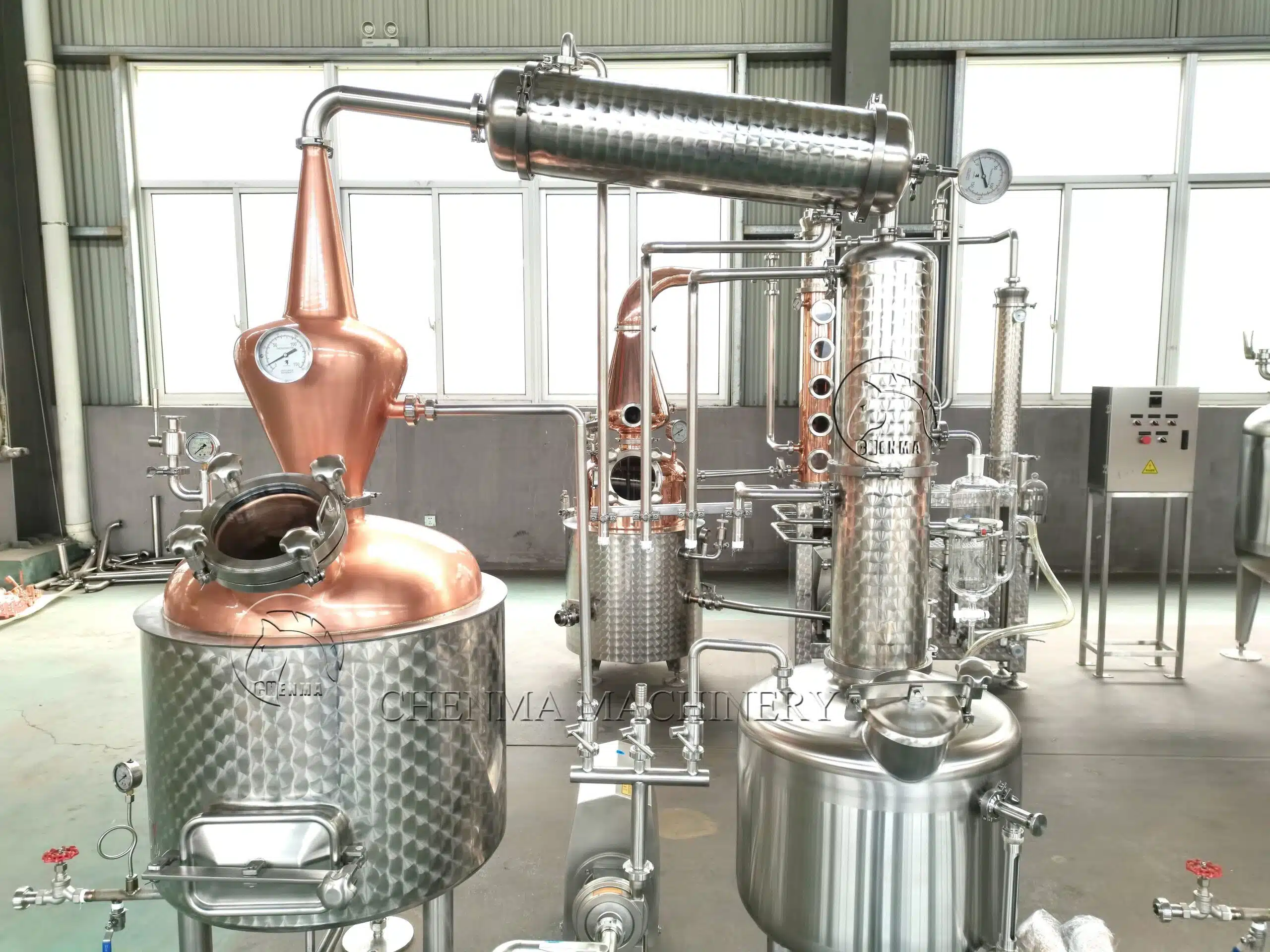

After each fermentation or storage cycle, wineries need to remove grape residue, yeast deposits, and tartrate buildup before the tank is used again. Any remaining contamination can affect the next batch and create conditions for spoilage organisms such as Brettanomyces and acetic acid bacteria. Proper cleaning and maintenance are essential for protecting wine quality and extending the service life of stainless steel wine tanks.
Key Takeaways
- Clean wine tanks immediately after each batch to prevent grape, yeast, and tartrate residue from drying and becoming harder to remove.
- Choose the right cleaners for each type of residue, and use CIP spray balls to clean tank interiors thoroughly without scratching the stainless steel.
- Follow the cleaning sequence of pre-rinse, alkaline wash, water rinse, acid wash, sanitization, and drying to avoid chemical interference and contamination.
- Regularly inspect valves, seals, gaskets, clamps, and tank supports for wear, leaks, corrosion, or structural problems.
- Maintain the stainless steel surface through appropriate passivation and dry, clean off-season storage to support long-term tank performance.
Essential Equipment for Cleaning Wine Tanks
Proper wine tank cleaning requires the right combination of cleaning chemicals, rinsing equipment, and CIP systems. Each plays a different role in removing organic residue, tartrate deposits, and microorganisms without damaging the stainless steel surface.
Cleaning Chemicals
- Alkaline cleaners: Break down grape pulp, yeast, proteins, and other organic residues left after fermentation.
- Acid cleaners: Remove mineral deposits and tartrate crystals that alkaline cleaners cannot dissolve effectively.
- Sanitizers: Such as peracetic acid (PAA), help reduce microbial contamination before the next production cycle.
CIP Spray Ball Systems
CIP spray balls distribute cleaning solutions across the interior walls of the tank without requiring manual scrubbing. Rotating spray balls can provide more consistent coverage of the tank surface, including areas that are difficult to reach manually.
For manual cleaning, use soft sponges or non-abrasive tools to avoid scratching polished stainless steel. Scratches can create areas where residue and microorganisms are more difficult to remove.
Step-by-Step Wine Tank Cleaning Procedure
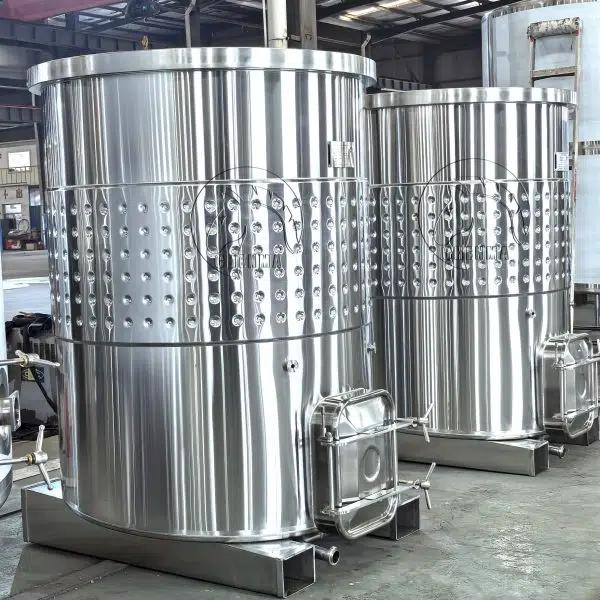
Clean the wine tank as soon as possible after emptying a batch. Removing residue before it dries and hardens makes the cleaning process more effective and reduces the amount of chemical and mechanical cleaning required.
1. Drain and Pre-Rinse
Fully drain the tank to remove remaining wine, yeast sediment, grape solids, and other loose residue. Rinse the interior with warm water to flush away organic material before applying cleaning chemicals.
A thorough pre-rinse reduces the soil load and helps the following alkaline wash work more efficiently.
2. Alkaline Wash
Circulate an appropriate alkaline cleaning solution through the CIP system to break down organic soils such as grape residue, yeast, proteins, and other fermentation deposits.
| Cleaning Solution | Typical Concentration | Main Purpose |
|---|---|---|
| Mild alkaline cleaner | About 1% | Routine organic residue removal |
| Caustic cleaner | Up to 5% | Heavy soil and fermentation residue removal |
| Sodium percarbonate | About 1% | Organic and mineral residue removal |
The exact concentration, temperature, and contact time should follow the cleaner manufacturer’s instructions and the tank manufacturer‘s specifications.
3. Intermediate Water Rinse
Rinse the tank thoroughly with clean water before switching from alkaline to acid cleaning. This removes residual alkaline solution and prevents it from neutralizing the acid cleaner.
Pay particular attention to the tank bottom, valves, piping, and other areas where cleaning solution can remain trapped.
4. Acid Wash
Circulate a suitable acid cleaner to remove tartrate crystals and mineral deposits that remain after alkaline cleaning.
Acid cleaning can also support the maintenance of stainless steel’s passive surface when the correct chemical, concentration, and contact time are used. After the acid cycle, rinse thoroughly to remove residual acid.
5. Sanitize and Dry
Apply a suitable food-contact sanitizer according to the winery’s sanitation program and the manufacturer’s instructions. Ensure that the sanitizer reaches the tank interior, valves, outlets, and other product-contact surfaces.
After sanitization:
- Fully drain the tank and avoid leaving standing water in low points.
- Allow the interior to drain and dry before storage or the next production cycle.
- Keep tank openings protected from dust and environmental contamination.
Long-Term Maintenance for Wine Tanks

Routine maintenance helps extend wine tank service life, reduce contamination risks, and prevent leaks or unexpected repairs.
Inspecting Valves, Seals & Gaskets
Valves, seals, and gaskets are critical sanitary and sealing components of a wine tank. Inspect them regularly for cracks, deformation, hardening, discoloration, leakage, or other signs of wear, and replace damaged components promptly.
| Component | Recommended Practice | Replacement Guideline |
|---|---|---|
| Fermentation gaskets | Inspect for wear, hardening, and leakage | Replace as needed or according to the maintenance schedule |
| Hot-side gaskets | Check after repeated exposure to heat and cleaning chemicals | Replace when degraded |
| Sight glass gaskets | Inspect whenever the sight glass is opened or serviced | Replace if worn or damaged |
| Single-use sanitary gaskets | Use only for their intended single application | Replace after each use |
For tanks with floating lids, inspect inflatable seals for air leaks before and after each batch. Clean the lid and seal with warm water and a soft brush, and avoid excessive heat or aggressive chemicals that may damage the elastomer.
Also inspect valves and clamps for leaks or loose connections. Check tank legs and supports periodically for corrosion, looseness, or structural damage to ensure safe and stable operation.
Stainless Steel Passivation & Off-Season Storage
Proper cleaning and maintenance help preserve the natural passive layer on stainless steel. If rust spots, free-iron contamination, or surface discoloration appear, a suitable passivation treatment may be required according to the tank manufacturer’s recommendations.
- Passivation treatment: Use a compatible citric-acid or other approved passivation process when required. Follow the chemical manufacturer’s concentration, temperature, contact-time, and rinsing instructions.
- Off-season storage:
- Complete the normal cleaning and sanitization cycle before storage.
- Drain the tank completely and allow the interior and low points to dry.
- Store the tank in a clean, dry, and well-ventilated environment.
- Protect open connections and tank openings from dust and contamination.
- Inspect the tank periodically for moisture, corrosion, gasket deterioration, or other signs of damage.
FAQ
How much water is needed for CIP recirculation in a wine tank?
CIP systems typically require water equal to approximately 5% of the tank’s total volume. This volume provides sufficient flow for proper pump operation and spray ball rotation while minimizing water consumption.
What sanitizers are safe for stainless steel wine tanks?
Peracetic acid (PAA) and sulfur dioxide solutions are the industry standard sanitizers for wine tanks. Both effectively kill spoilage organisms like Brettanomyces and acetic acid bacteria without damaging AISI 304 or AISI 316 stainless steel.
Why is an intermediate rinse required between caustic and acid washes?
Alkaline and acid chemicals neutralize one another on contact. Skipping the intermediate rinse will render the acid cleaner ineffective, wasting chemicals and failing to dissolve tartrate buildup properly. The water rinse removes residual caustic before the acid step begins.
How often should wine tank gaskets be replaced?
Fermentation tank gaskets should be replaced at least once per year to prevent leaks and microbial growth. Single-use sanitary gaskets must be discarded after every use. Sight glass and hot-side gaskets follow longer replacement schedules based on service conditions.
Final Thoughts
Proper cleaning keeps wine tanks sanitary between batches, while regular maintenance helps prevent leaks, corrosion, and unexpected downtime. Following a consistent cleaning and maintenance schedule allows wineries to protect wine quality and keep stainless steel tanks reliable over the long term.